
Description
Custom ribbon printing
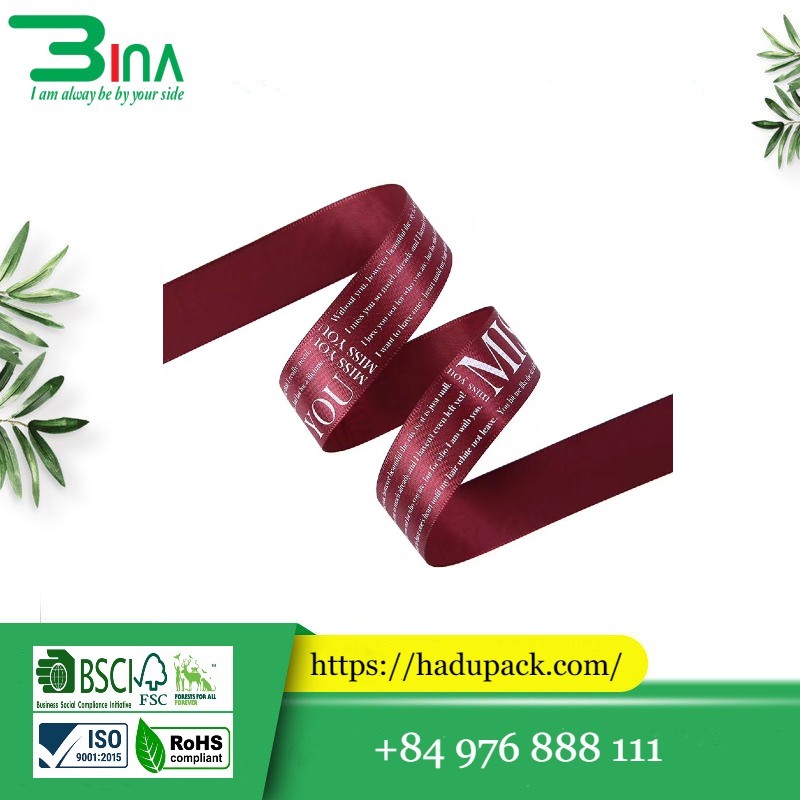
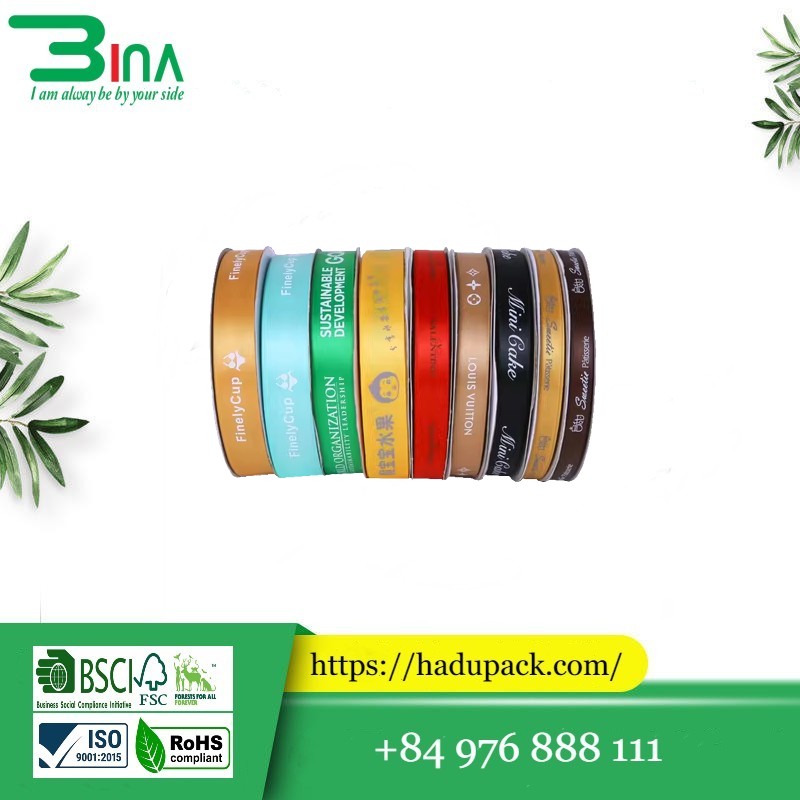
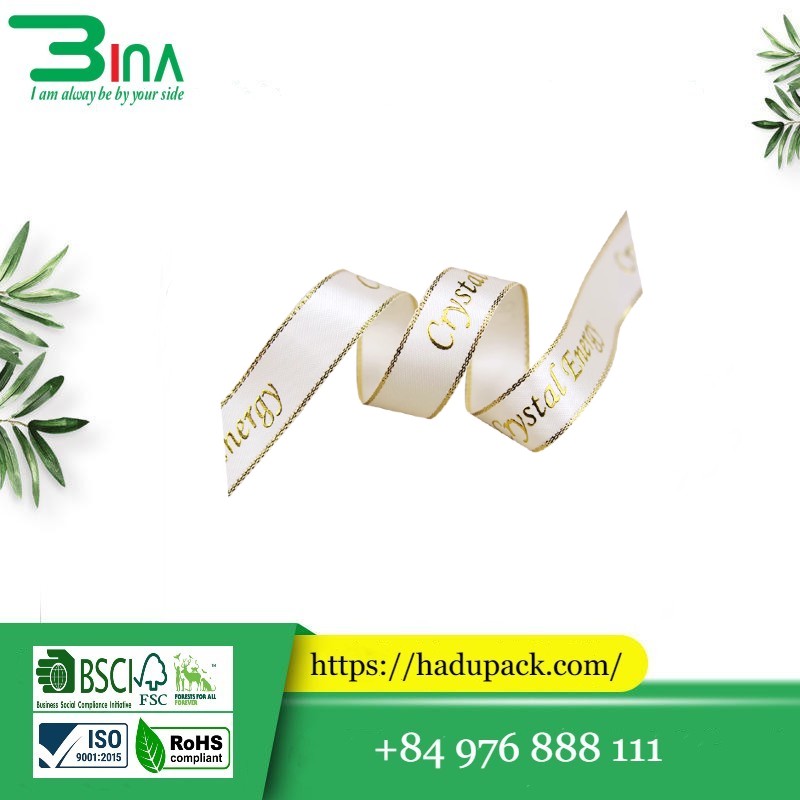
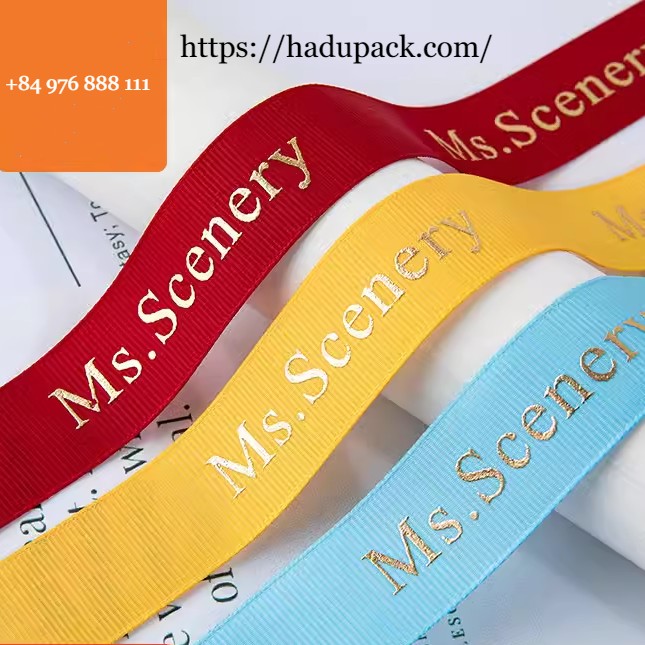
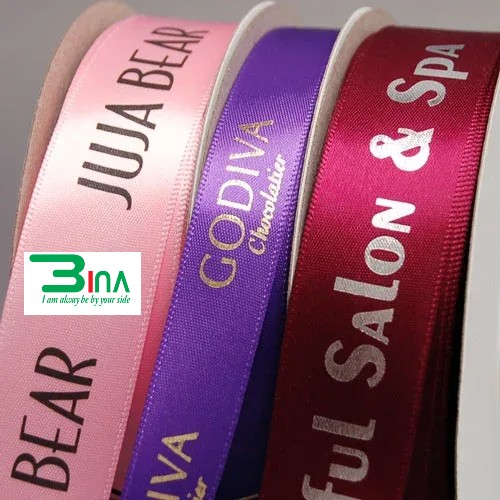
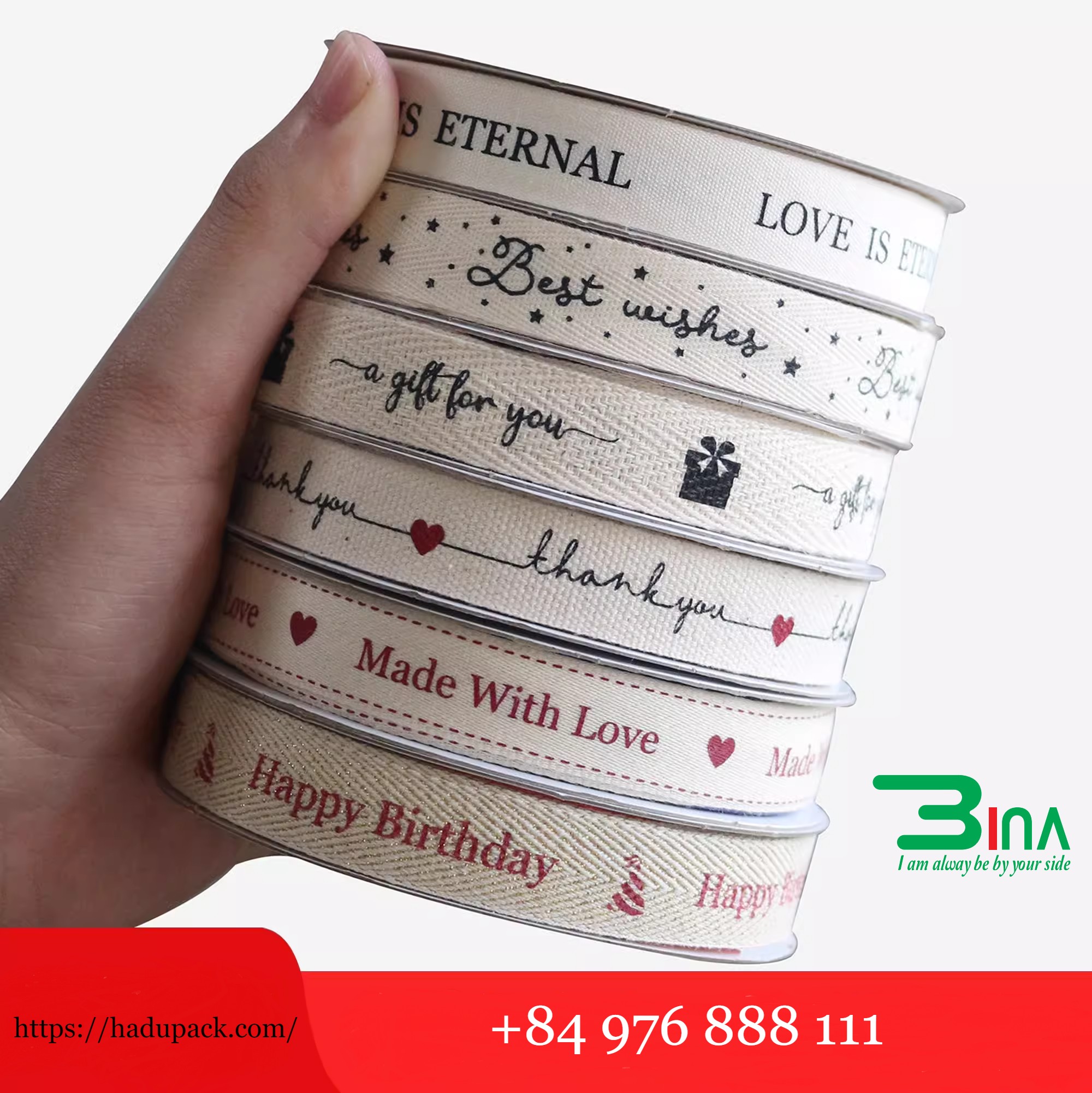
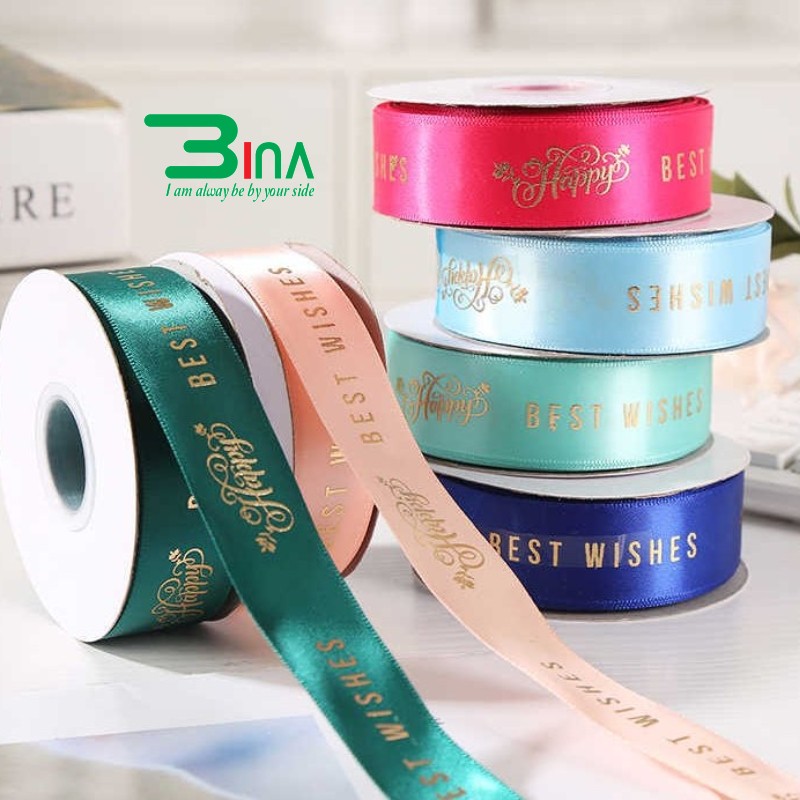
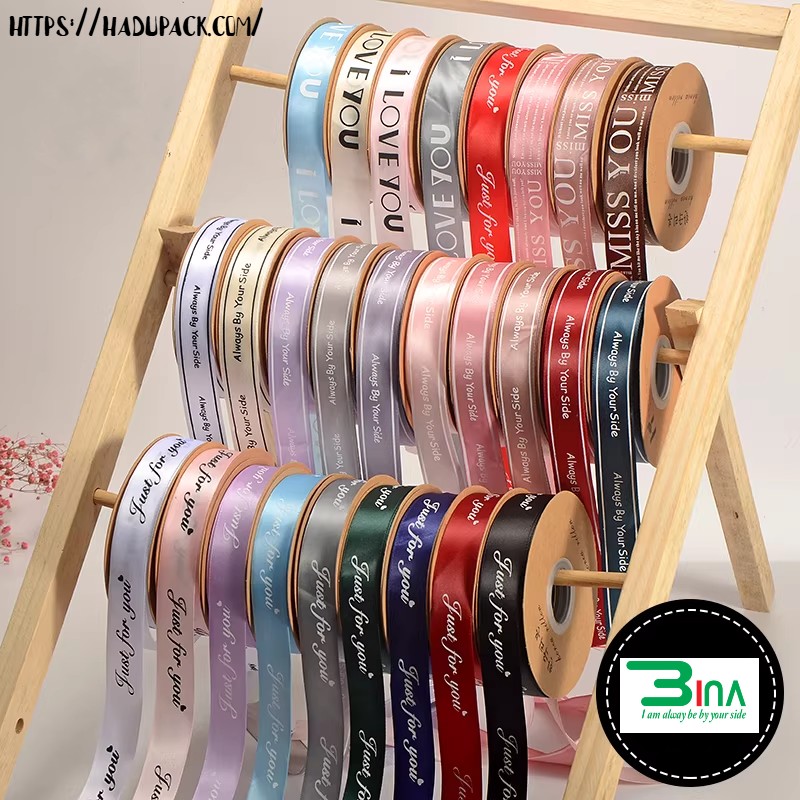
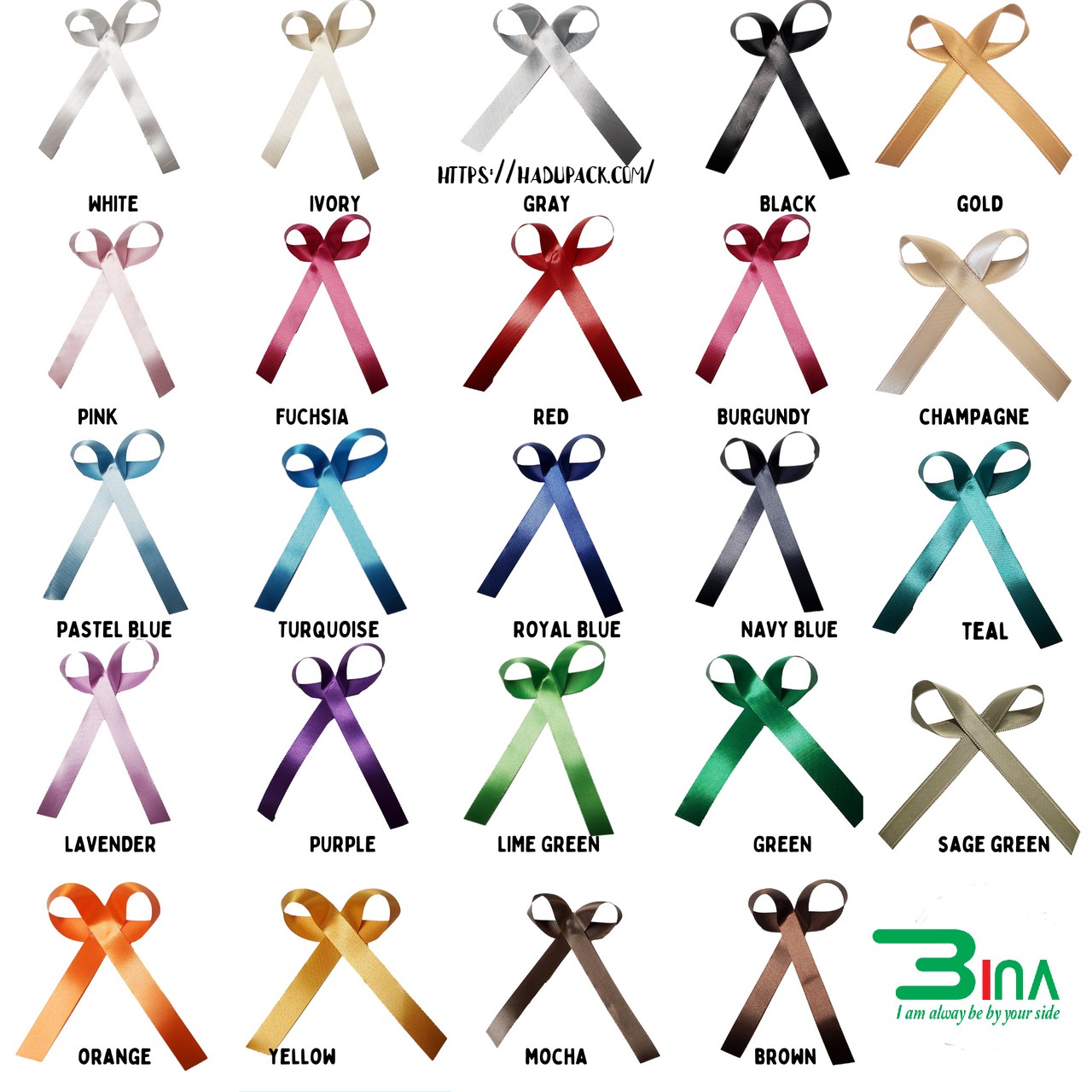
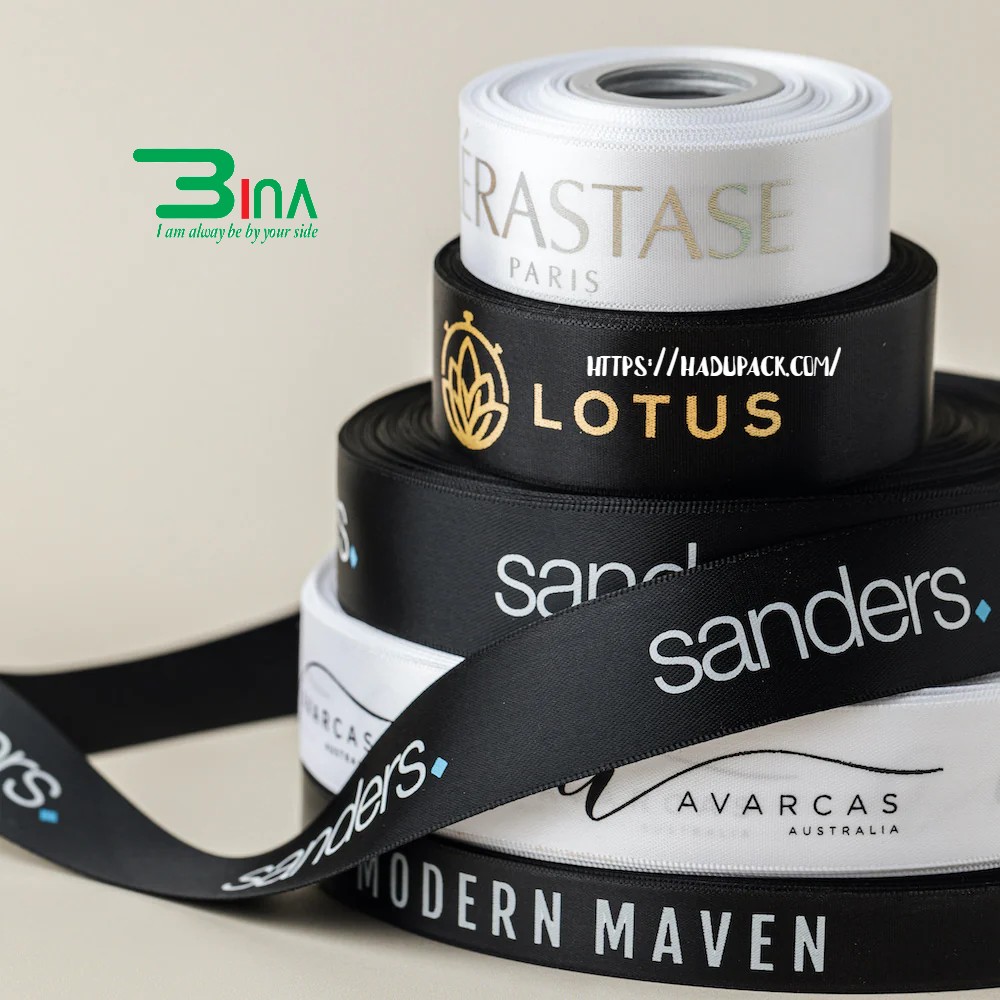
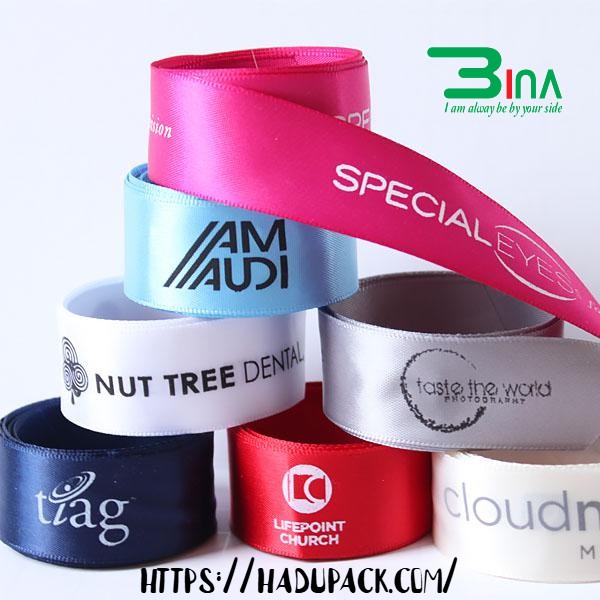
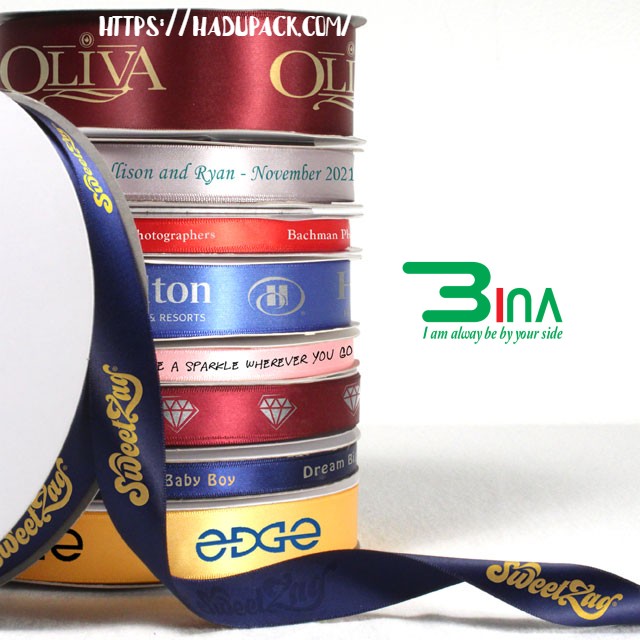
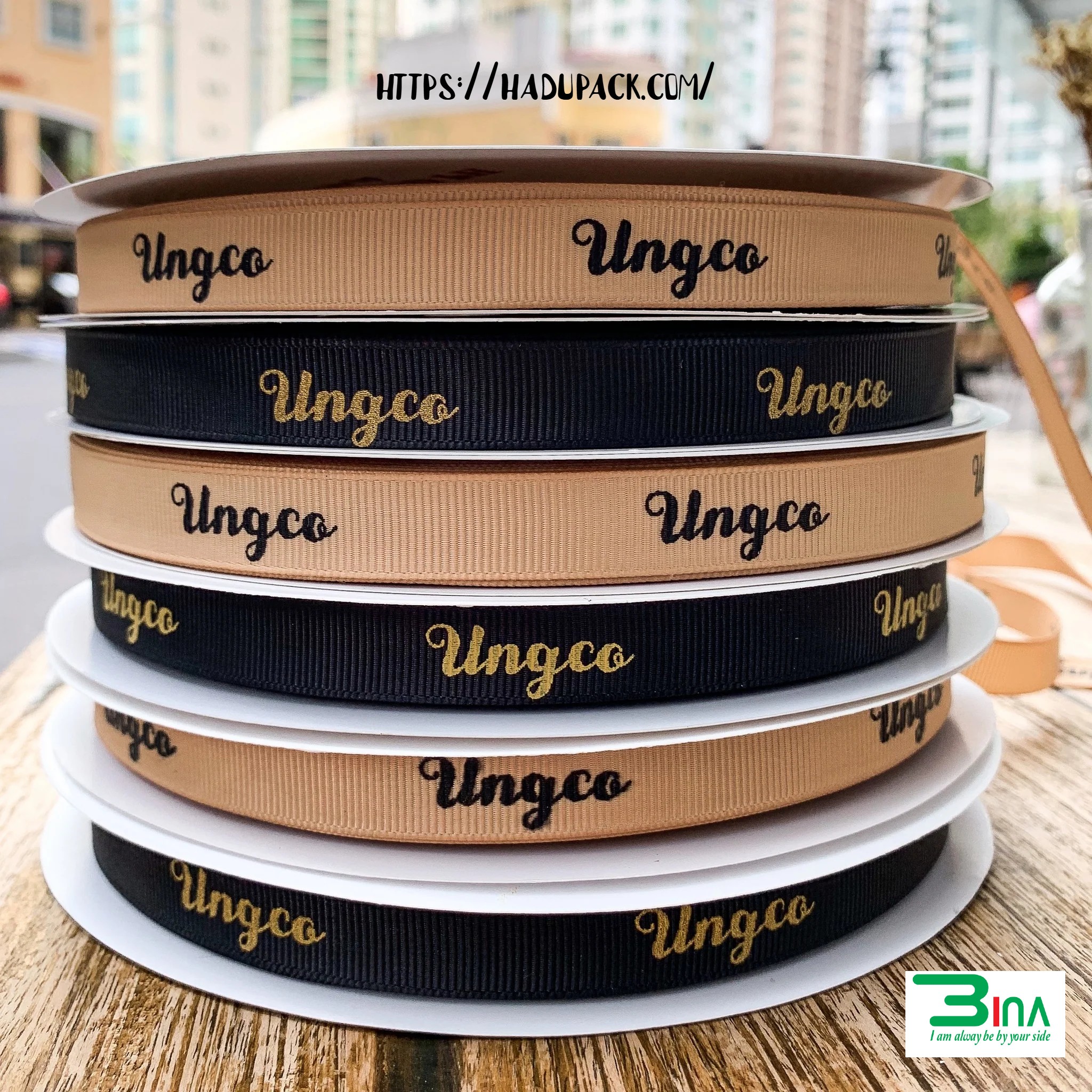
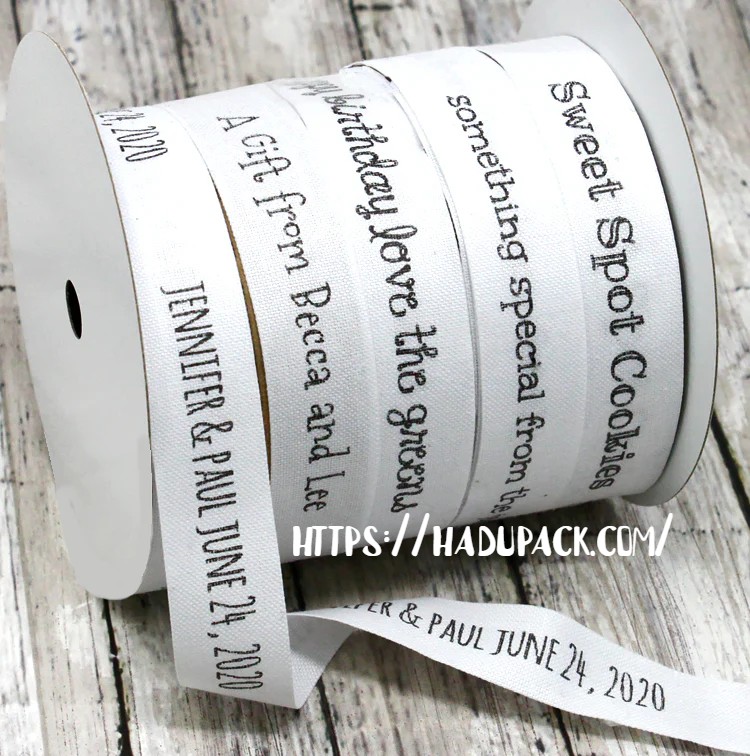
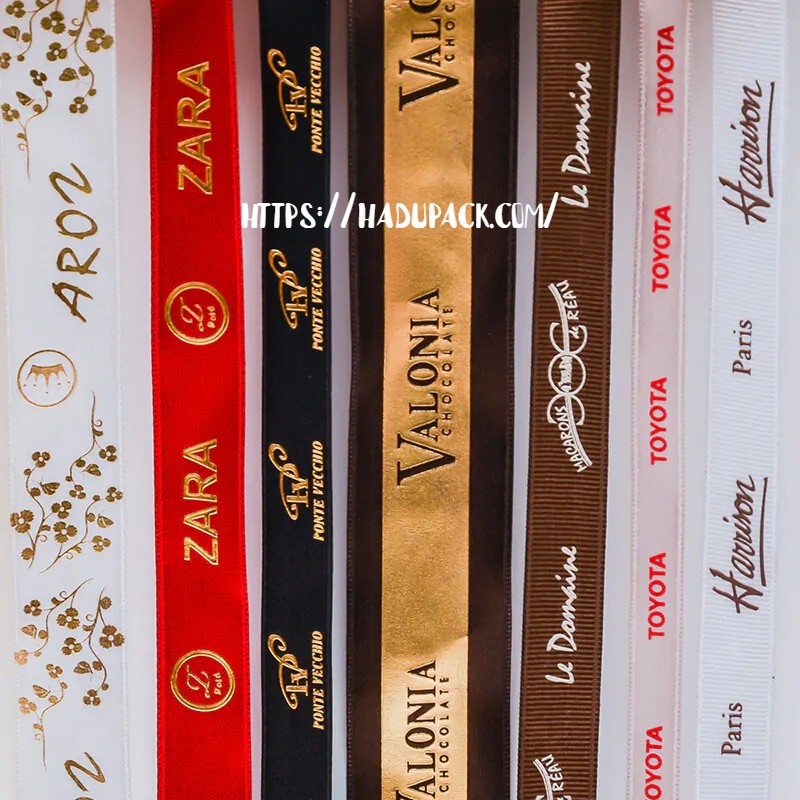
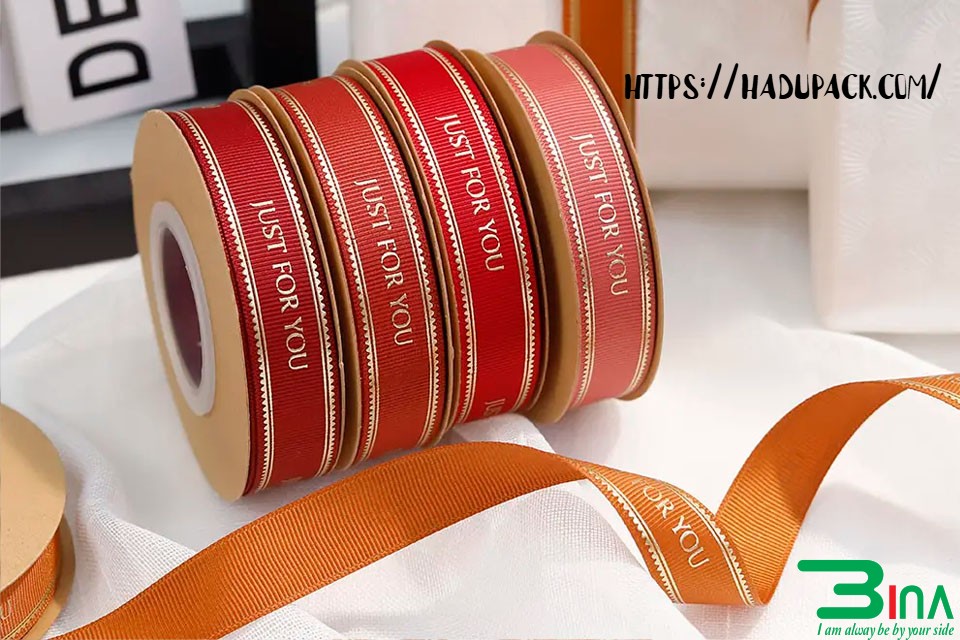
Printed ribbon adds an elegant touch to your product or packaging. Available in various widths, with your logo or message along the entire length of the ribbon. Our personalized ribbons are available in twenty-six standard colors. Printed satin or grosgrain ribbon would be the perfect addition to your custom printed packaging.
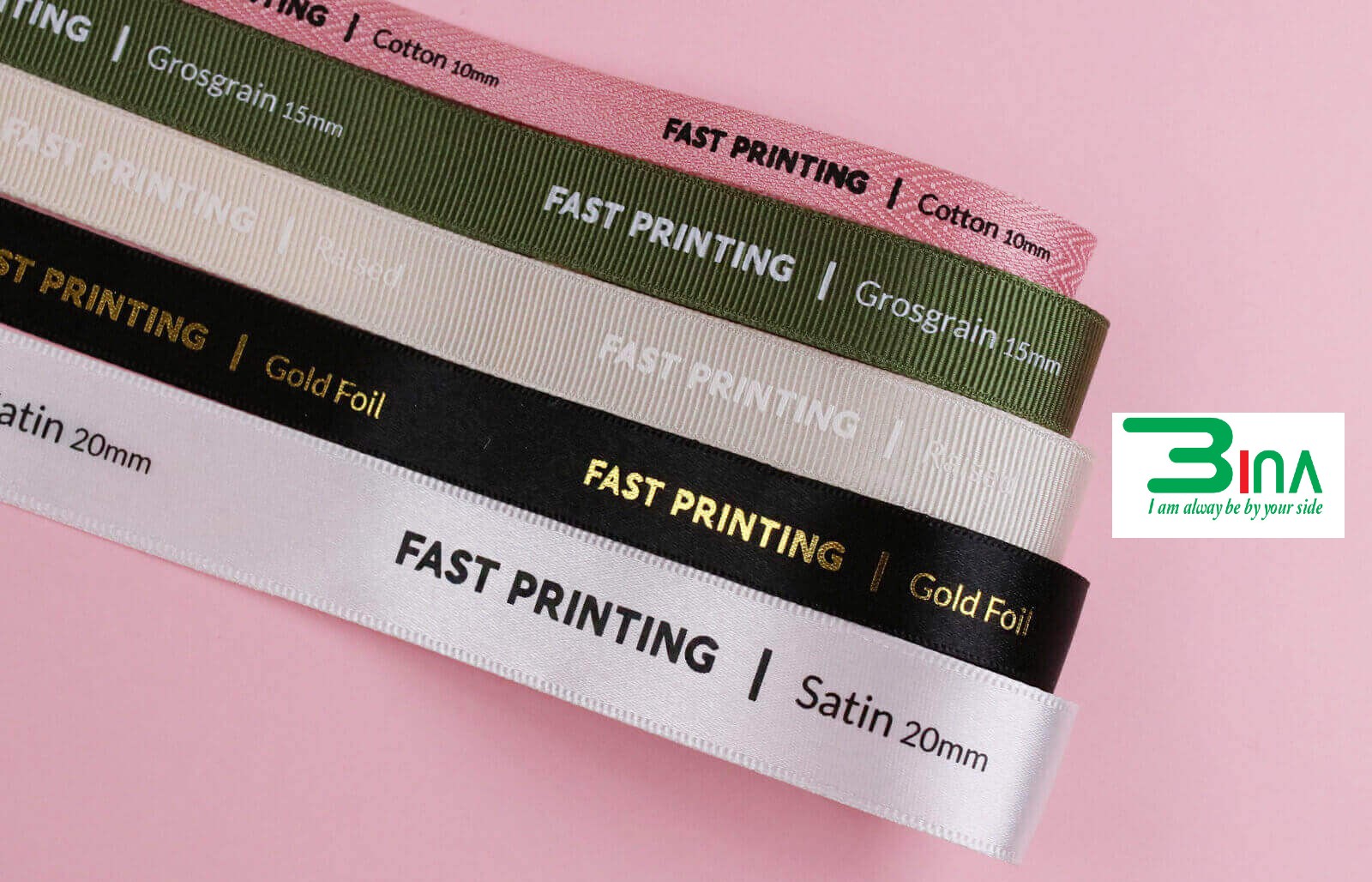 |
- Grosgrain Ribbon (15mm) with white ink printing
- Satin Ribbon (20mm) with black printing
- Satin Ribbon (15mm) with gold foil
- Cotton Ribbon (10mm) with black printing
- Cotton Ribbon (30mm) with embossed finish
Some ribbon printing methods are better suited to certain applications/products than others, so we have created the table below to help explain what they are, how many colours can be printed, which technique is best suited to which application, and the benefits of each technique. If you have any questions, please contact customer service.
◆Learn more:
- https://hadupack.com/san-pham/in-tag-quan-ao/
- https://hadupack.com/san-pham/mac-det/
- https://hadupack.com/san-pham/nhan-cotton/
 |
 |
| Description: | Note: | Colors: | 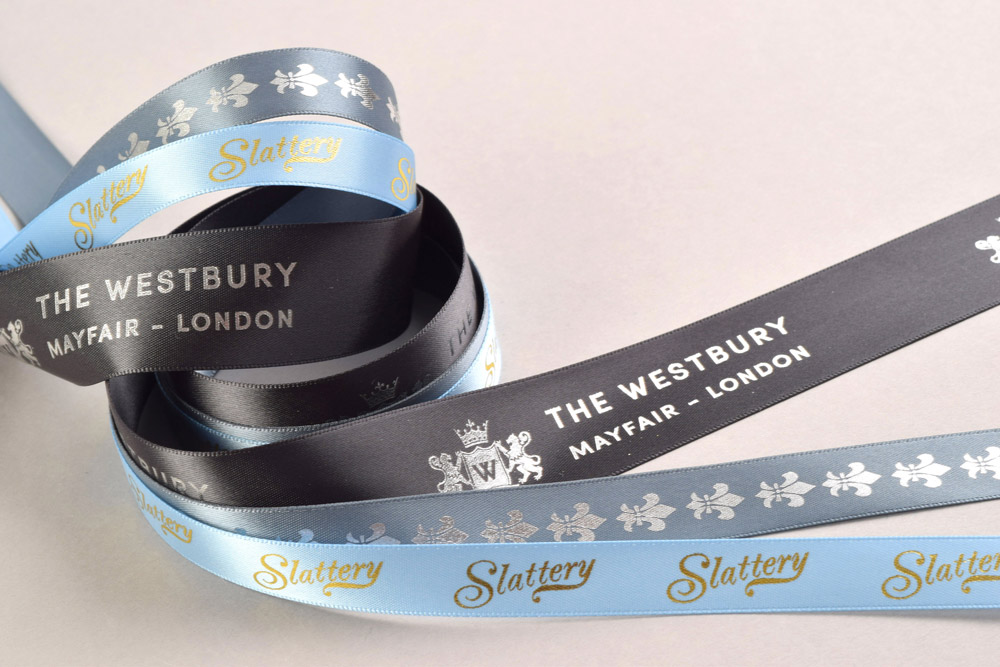 |
|
| Flat leaf | Use a flat metal plate to transfer heat from the aluminum film to the ribbon. |
|
||
| Spinning leaf | Use one or more laser-engraved printing rollers to transfer the printed design by heat from the foil onto the ribbon. |
|
||
|
4 sides or 2 sides & 1 back side | 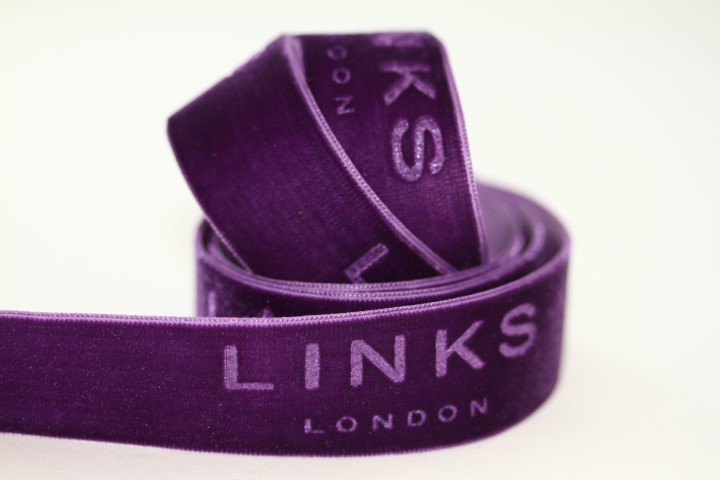 |
||
| Embossed | A metal plate used to press a design into ribbon or fabric.
Debossing means the design is recessed into the surface of the material. (The design may protrude from the back of the material.) |
|
None | |
| Sublimation dyeing | The design is first printed on a special type of paper, then printed onto the ribbon. |
|
Unlimited | 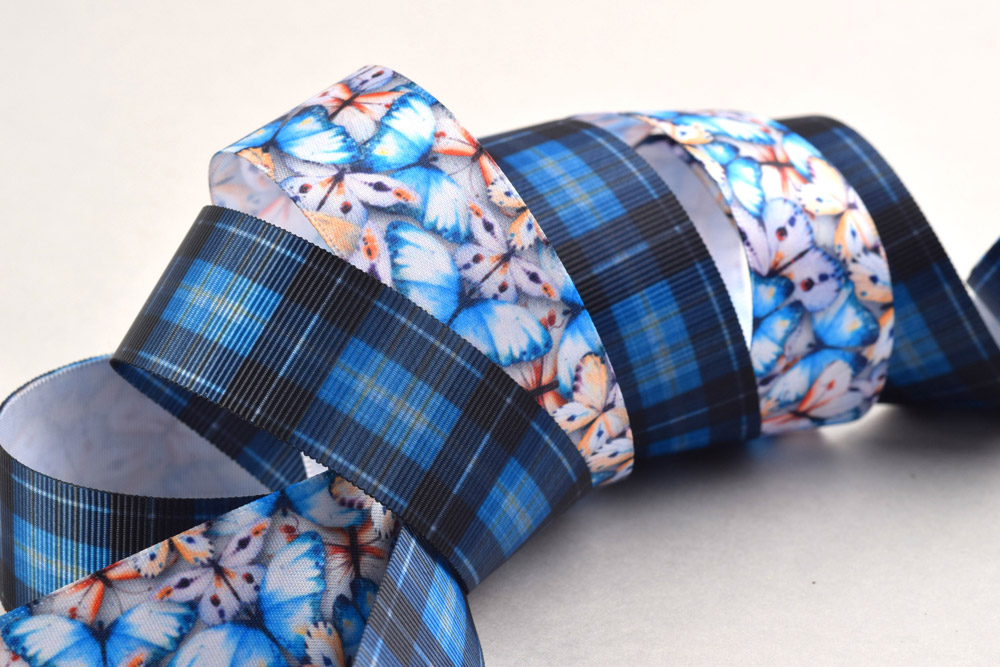 |
| Flexo printing technology | The design is first printed on a special type of paper, then printed onto the ribbon. |
|
4 colors | 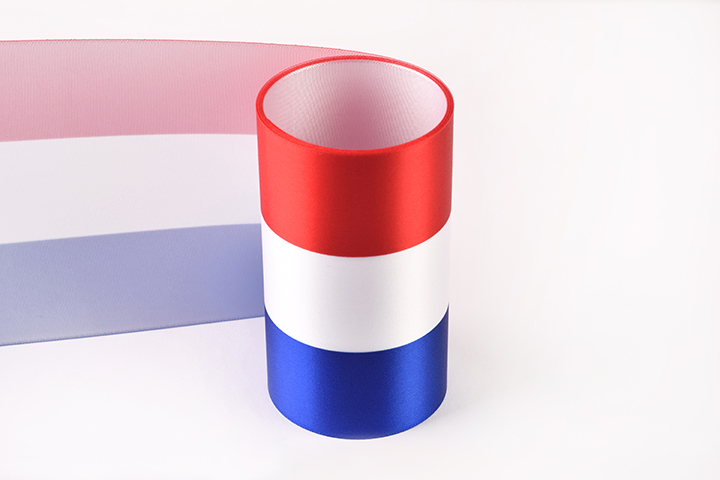 |
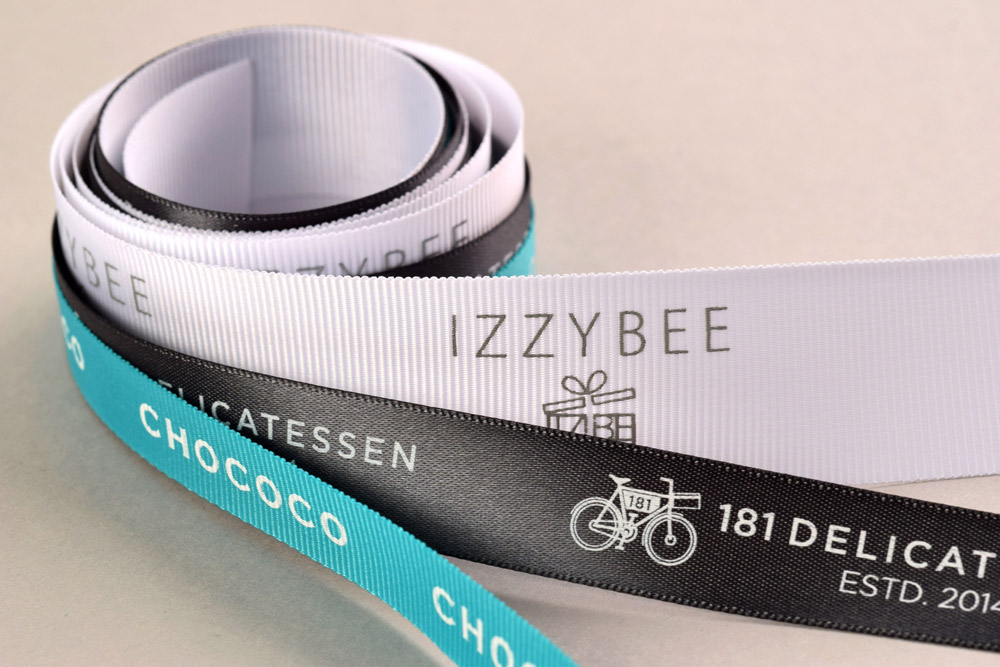
| Flat screen | The ink is pressed through a fine mesh containing the image. The image is then printed directly onto the ribbon (or other substrate). |
|
 |
|
| Puff screen | Expandable printing ink is pressed through a printing screen containing the desired image onto the ribbon, then expanded through a heating process to create a raised effect. | Best for creating a 3D effect for print design. | 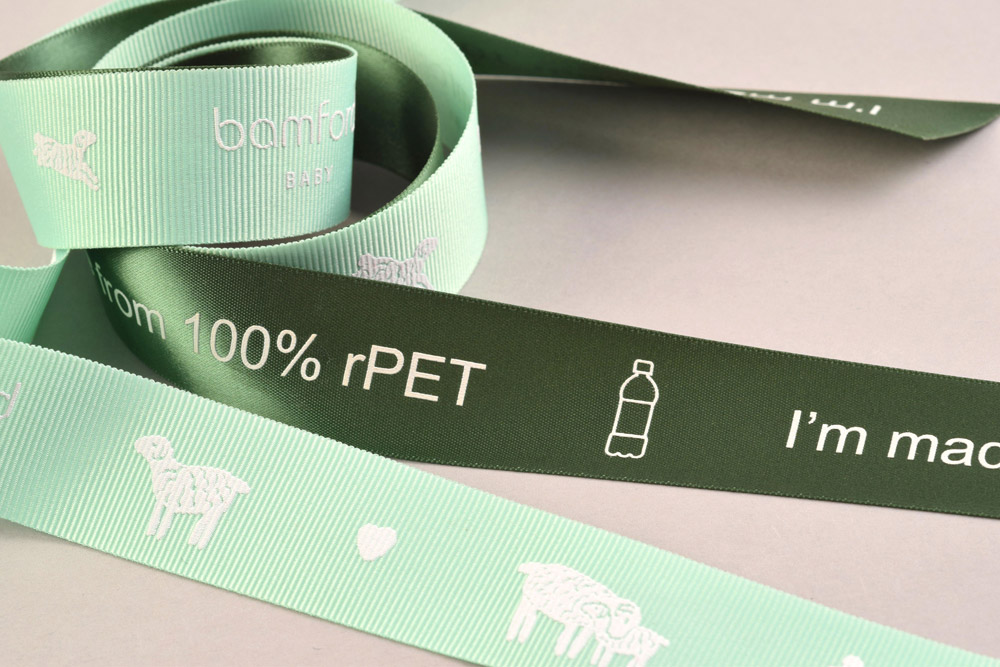 |
|
| Gold leaf coated with adhesive | The adhesive is pressed through a mesh screen containing the required image onto the ribbon in the shape of the design. The second process is then to apply foil over the adhesive, creating a raised effect. | There are some metals available. | 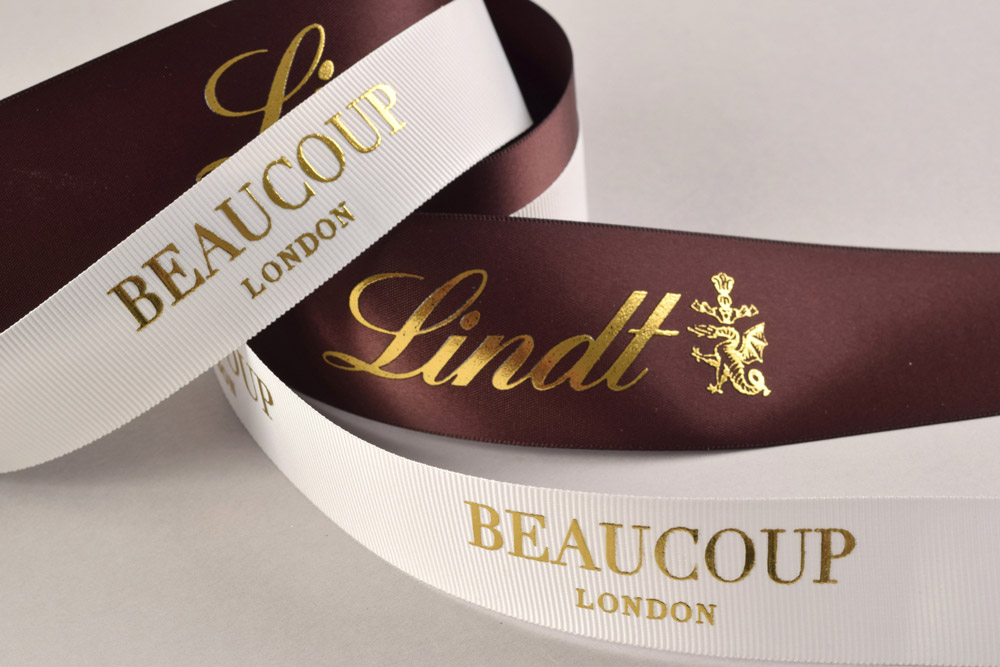 |
 |
 |
 |
 |
Minimum order quantity
The minimum order quantity for a 1-color needle printing or rotary printing on standard ribbon is 500 meters. This quantity varies depending on other printing methods, please contact customer service for more information.
 |
 |
 |
Ribbon Design
Any artwork provided must comply with the guidelines below:
- Artwork must be provided as an editable illustration file (.eps .ai) or an editable .pdf file.
- Information must be provided for any custom fonts required.
- Production costs vary depending on the number of prints required for the design.
- The prints remain the property of the customer and are retained by Https://hadupack.com unless otherwise agreed.
 |
Ribbon production and printing processes
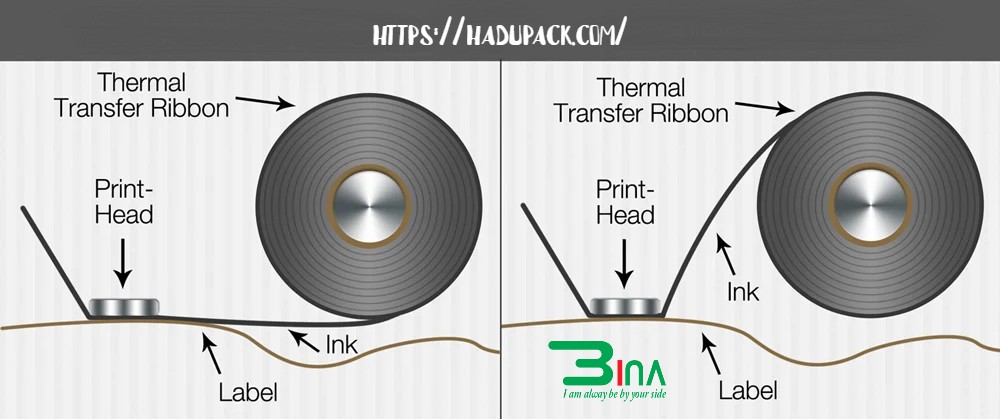
Ribbon printing processes mainly include screen printing, hot stamping (gold/silver foil), and heat transfer printing. They are commonly used to print logos, text, or patterns on materials such as satin and grosgrain. Screen printing is suitable for patterns requiring high relief, hot stamping is suitable for luxurious and sparkling metallic textures, while heat transfer printing is suitable for multicolored, complex, and photo-realistic patterns. The core printing processes are explained as follows:
Screen printing:
- Principle: The mesh openings on the screen printing plate are opened for image areas, while non-image areas are blocked. During printing, ink is transferred onto the ribbon through the mesh openings using a squeegee.
- Features: Thick ink layer, good coverage, high relief, suitable for single-color printing or simple multicolor printing.
Hot stamping (gold/silver foil):
- Principle: Uses the principle of heat pressing to transfer the metallic layer of electroplated aluminum foil (gold, silver, etc.) onto the ribbon.
- Features: Metallic luster, premium and beautiful appearance, commonly used for gift ribbons and brand logos. Heat transfer printing process:
- Principle: The image is printed onto heat transfer paper, then transferred onto the ribbon surface using high temperature and pressure.
Features: Vivid colors, rich details, and realistic images; suitable for printing colored patterns.
Heat Transfer/Sublimation:
The image is printed onto the ribbon using high temperatures. It produces rich colors and delicate textures, making it suitable for printing intricate patterns. Sublimation printing has a smooth feel and good breathability.
Letterpress/Gravure:
A more traditional printing method that transfers ink onto the ribbon using pressure.
Ribbon printing process:
- Design and production: Create a film for the printing pattern.
- Plate making: Create a screen printing plate (mesh printing) or hot stamping die according to the design.
- Printing: Secure the ribbon on the table and perform screen printing, hot stamping, or heat transfer.
- Post-printing treatment: Ensure that the ink is dry and properly cured.
 |
Applications of ribbon printing:
Ribbon printing (using screen printing, rotary printing, or inkjet printing) has a wide range of applications, mainly including gift wrapping, clothing accessories, hair accessories, and everyday and festive decoration. This method takes advantage of the versatility of ribbons to print patterns onto fabric, plastic, or metal, particularly for clothing hang tags, craft materials, flower tying, cake box packaging, and personalized holiday gifts. Main applications of ribbon printing:
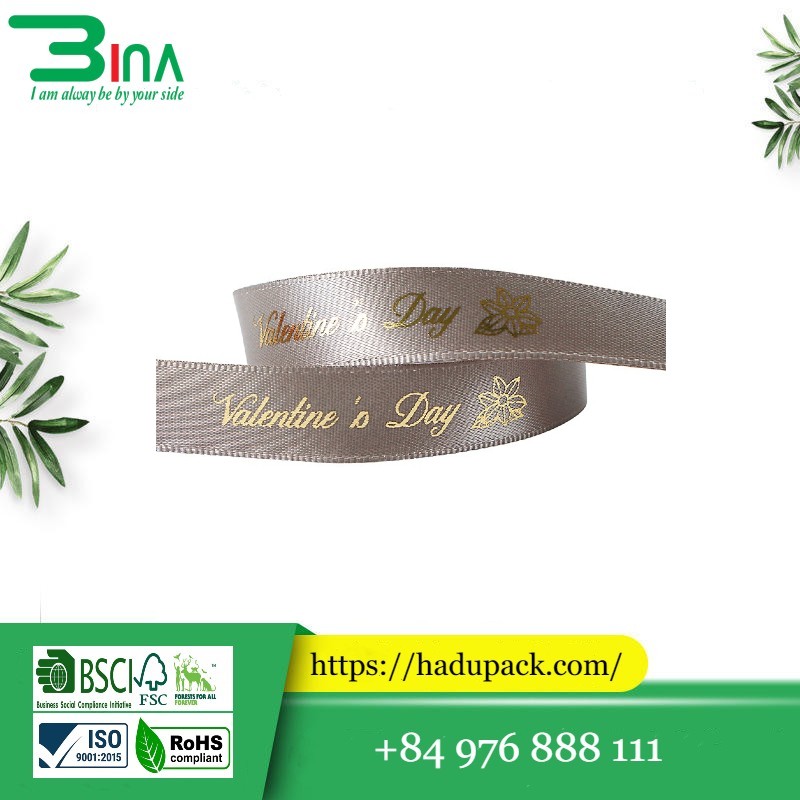
- Gift wrapping and decoration: Used for packaging boxes, tying flowers, and decorating holiday gifts (such as Christmas, Valentine’s Day, and birthdays).
- Clothing and accessories: As garment accessories, ribbons printed with logos or patterns can be used to decorate collars, cuffs, labels, or clothing; they are also commonly used for shoelaces or clothing accessories.
- Everyday crafts and hair accessories: Used to make headbands, bows, hair clips, as well as craft and DIY decorations.
- Events and celebrations: Commemorative ribbons, custom medal ribbons, wedding decorations, etc.
- Product packaging: Used for custom product tags, gift box ribbons, etc., enhancing brand image.
 |
Common Types of Ribbon
Whether you are looking for the softness of satin ribbon, the texture of grosgrain ribbon, the versatility of burlap ribbon, the sturdiness of rope ribbon, the uniqueness of French-style rope ribbon, or the eco-friendliness of biodegradable ribbon, below hadupack will provide all the information you need.
Satin Ribbon
- Types of Ribbon: Grosgrain Ribbon
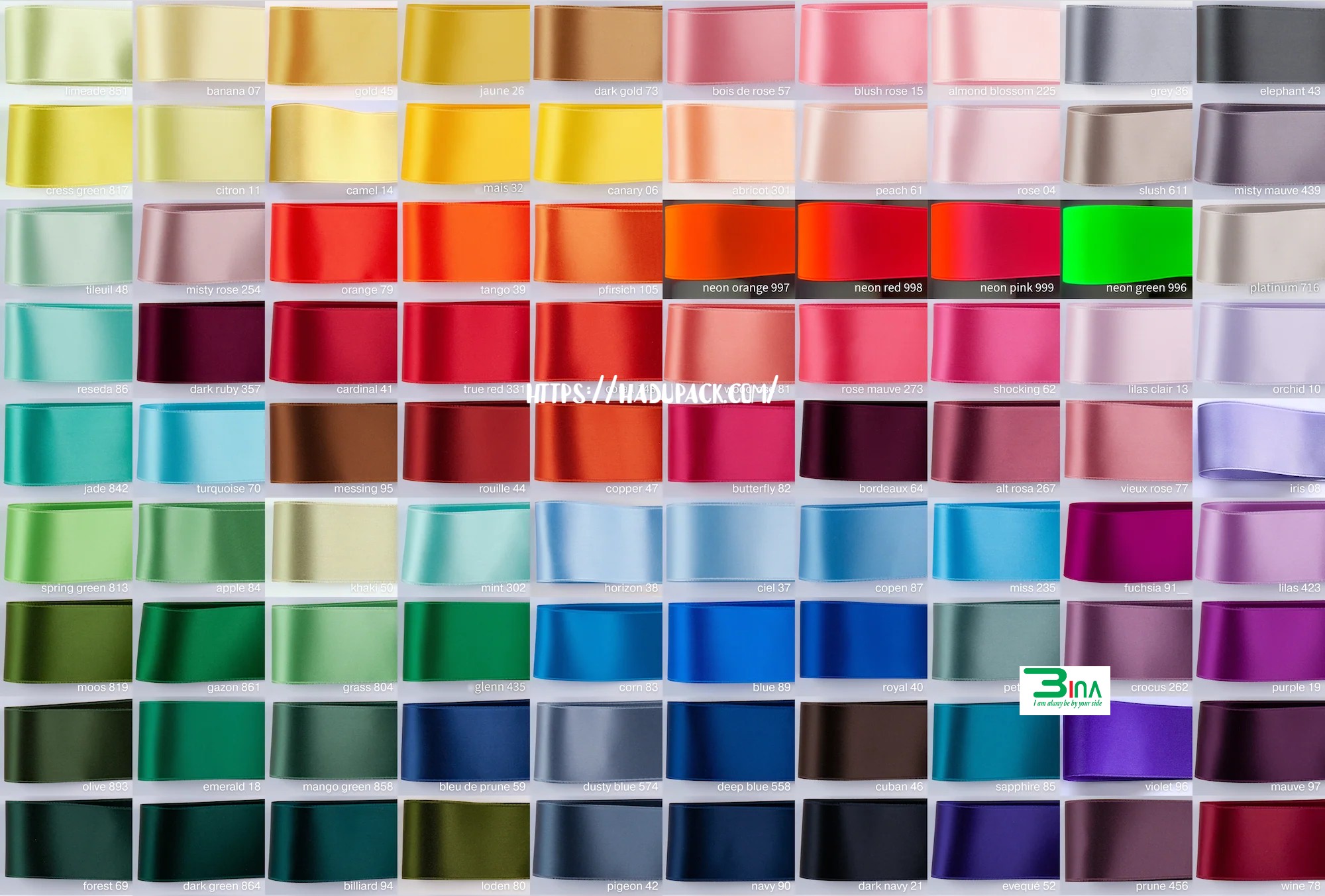
- Satin ribbon embodies elegance and charm. With a smooth, glossy surface on one or both sides, it is a top choice for gift wrapping, wedding decorations, and premium packaging.
Features:
- Made from polyester or silk
- Single-sided (glossy on one side) or double-sided (glossy on both sides)
- Soft, flexible, and easy to work with
Uses:
Satin ribbon is ideal for making ribbon flowers, creating a sophisticated look for clothing, making decorative bows, or decorating cakes and bouquets.
 |
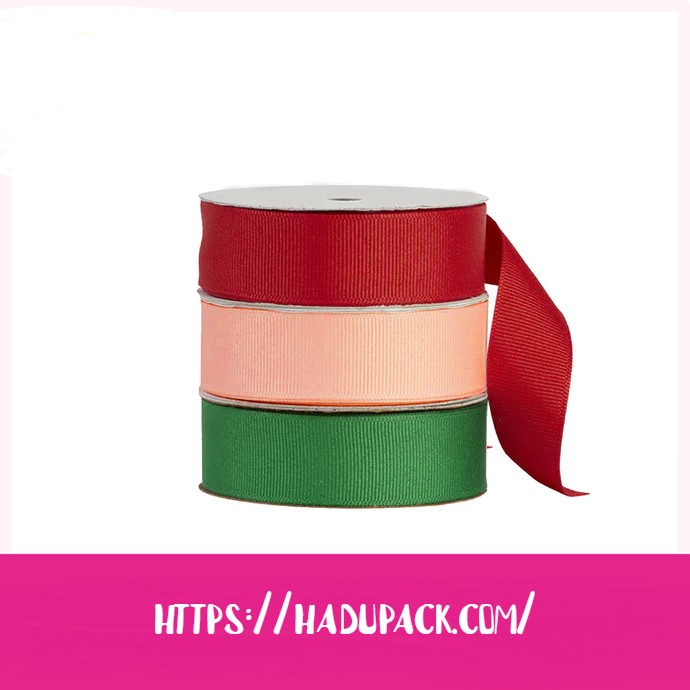
Grosgrain Ribbon
Grosgrain ribbon is a popular type of ribbon with a ribbed texture. Durable and slightly stiff, it is ideal for projects that require strength and structure.
Features:
- Made from polyester, nylon, or silk
- Available in many widths and colors
- Matte surface with a ribbed pattern
Uses:
Grosgrain ribbon is commonly used for hair bows, straps, garment trim, and decorative packaging.
 |
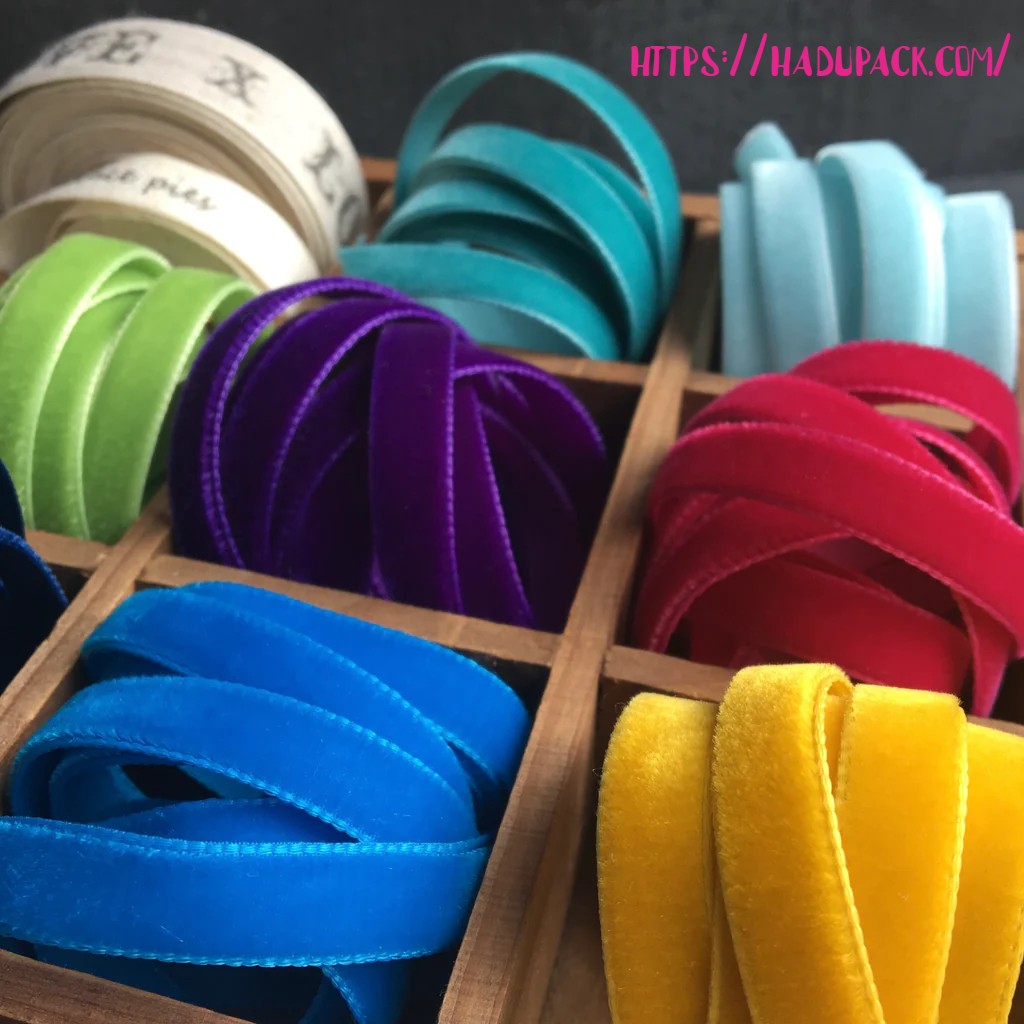
Velvet Ribbon
Luxurious velvet ribbon with a soft, smooth texture and rich colors. Timeless, it is a favorite choice for special occasions.
Features:
- Made from rayon, silk, or polyester
- Dense, luxurious pile surface
- With or without wire
Uses:
Velvet ribbon is perfect for wedding decorations, elegant gift wrapping, adding a touch of luxury to outfits, or creating delicate ribbon flowers.
 |
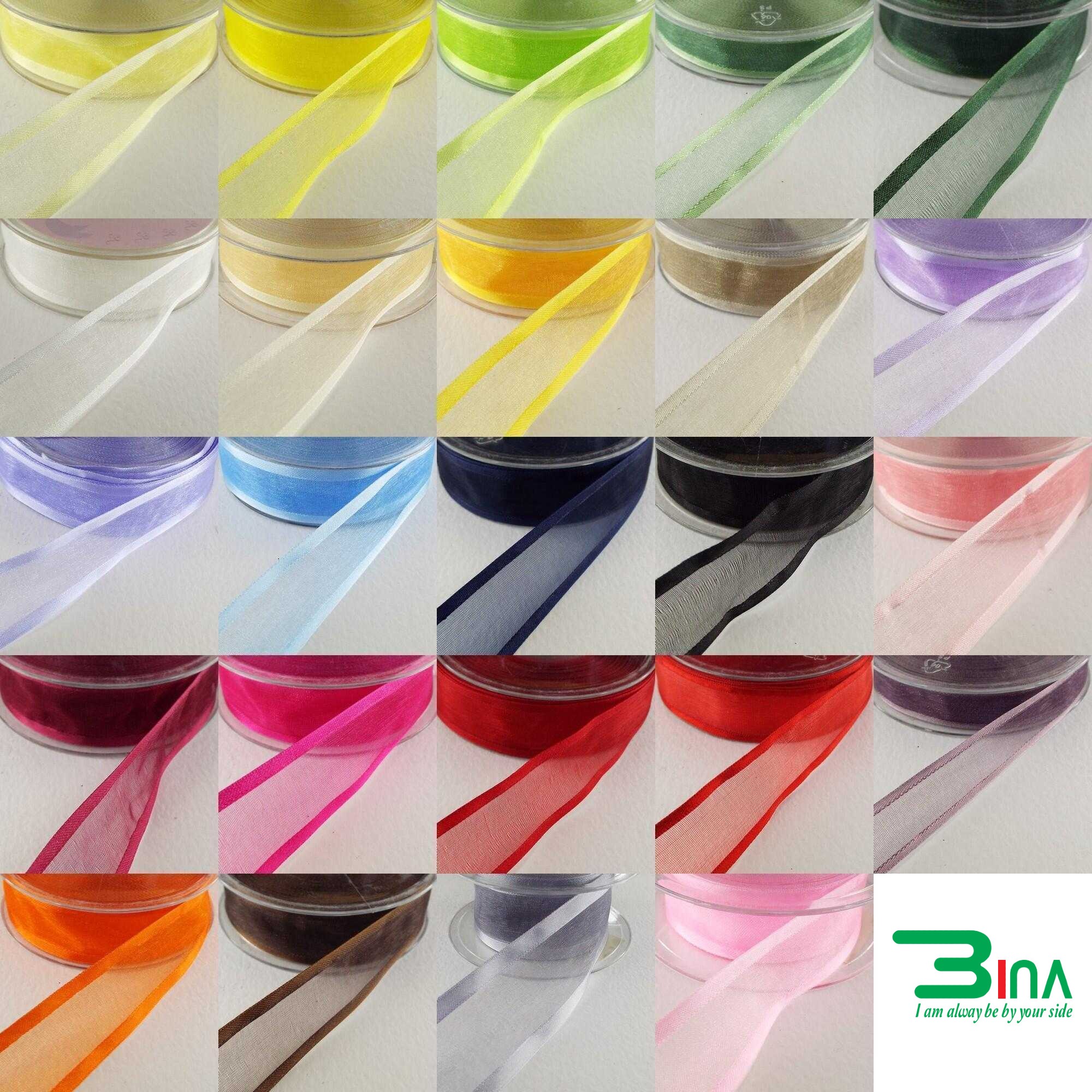
Organza Ribbon
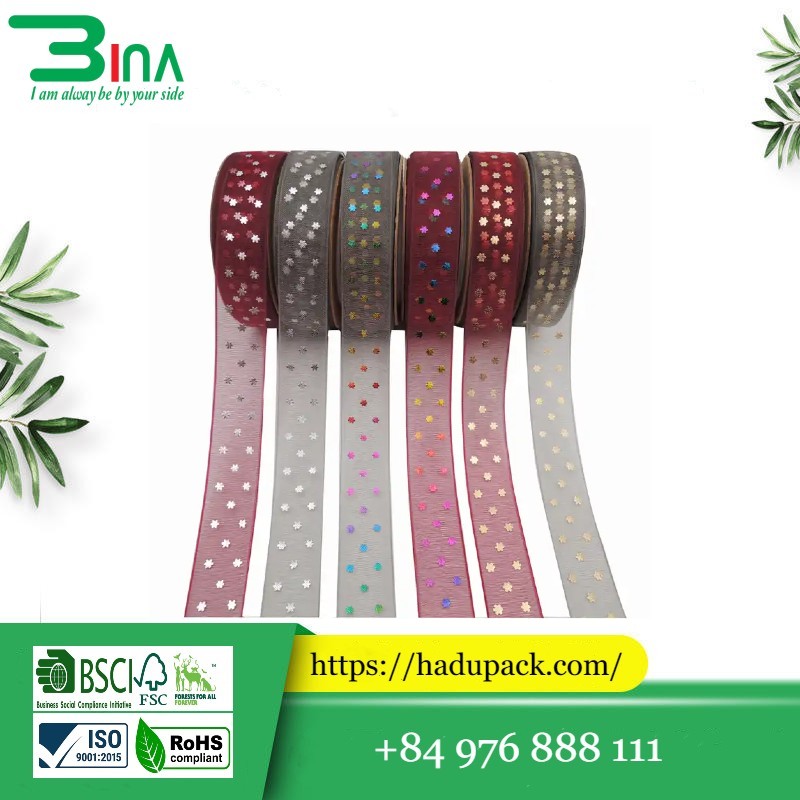
Organza ribbon is a lightweight, sheer, and delicate type of ribbon. Its delicate appearance is perfect for layering and creating elegant designs. Elastic ribbon is another versatile option for craft projects, with a slimmer profile and a variety of finishes.
Features:
- Made from nylon, polyester, or silk
- Sheer, breathable texture
- Colors and patterns
Uses:
Organza ribbon is used for wedding decorations, floral arrangements, gift wrapping, and party favors. It is also popular for making ribbon flowers due to its lightweight and flexible structure.
 |
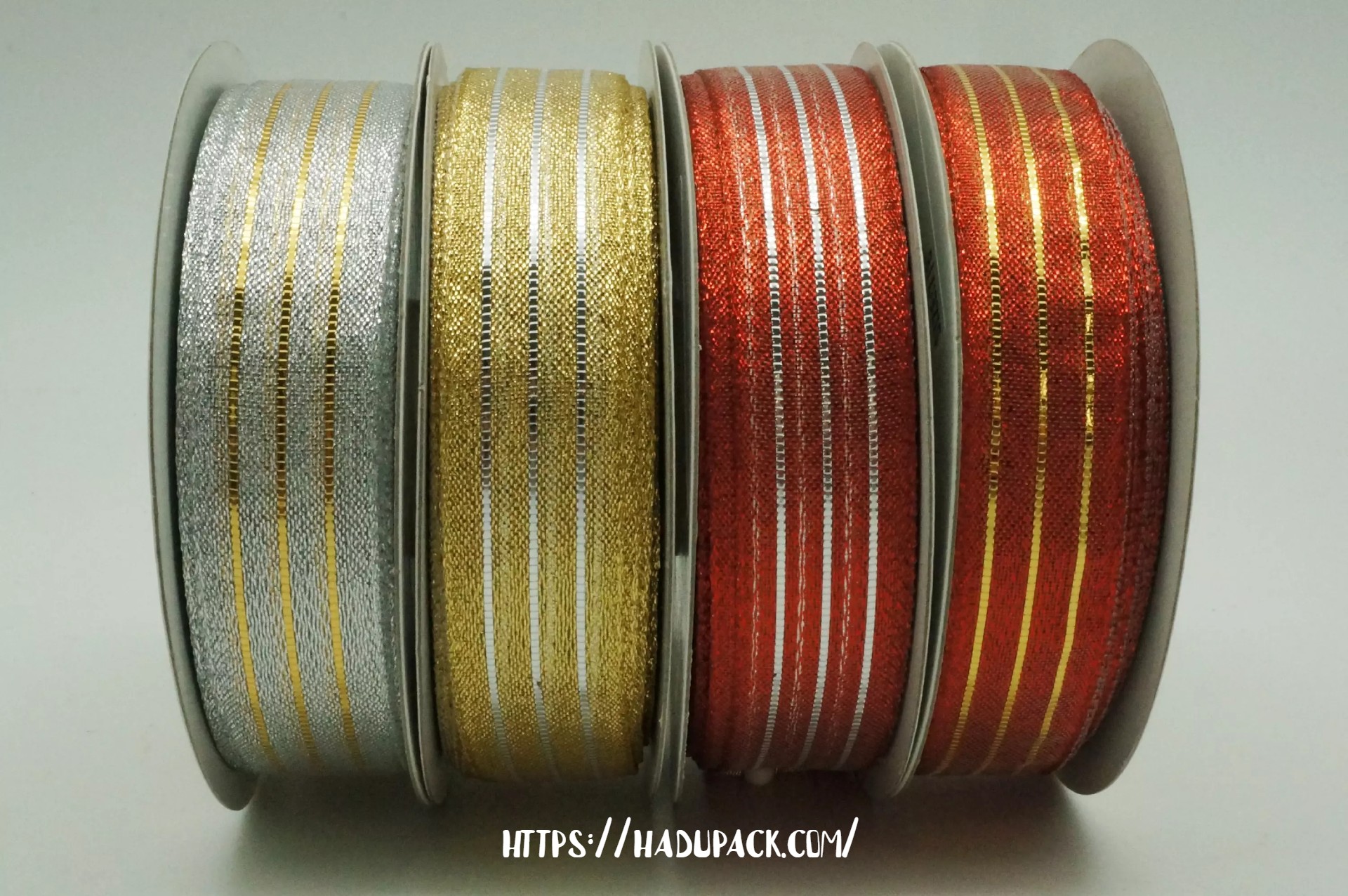
Metallic Ribbon
Metallic ribbons add sparkle and shine to any project, making them perfect for festive and celebratory themes. Their shimmering appearance creates a striking element and draws attention. Metallic ribbons come in a variety of colors, adding to their versatility.
Features of metallic ribbons
- Material: Usually polyester with metallic threads woven into it.
- Finish: Shimmering or foil-like, depending on the style.
- Durability: Strong enough to hold their shape when tied into bows or decorative loops.
Common uses:
- Decorating festive events such as Christmas or birthdays.
- Creating eye-catching bows and accents.
- Enhancing themed decorations for parties.
- For standout designs, metallic ribbons are the perfect choice for adding sparkle and making a statement.
 |
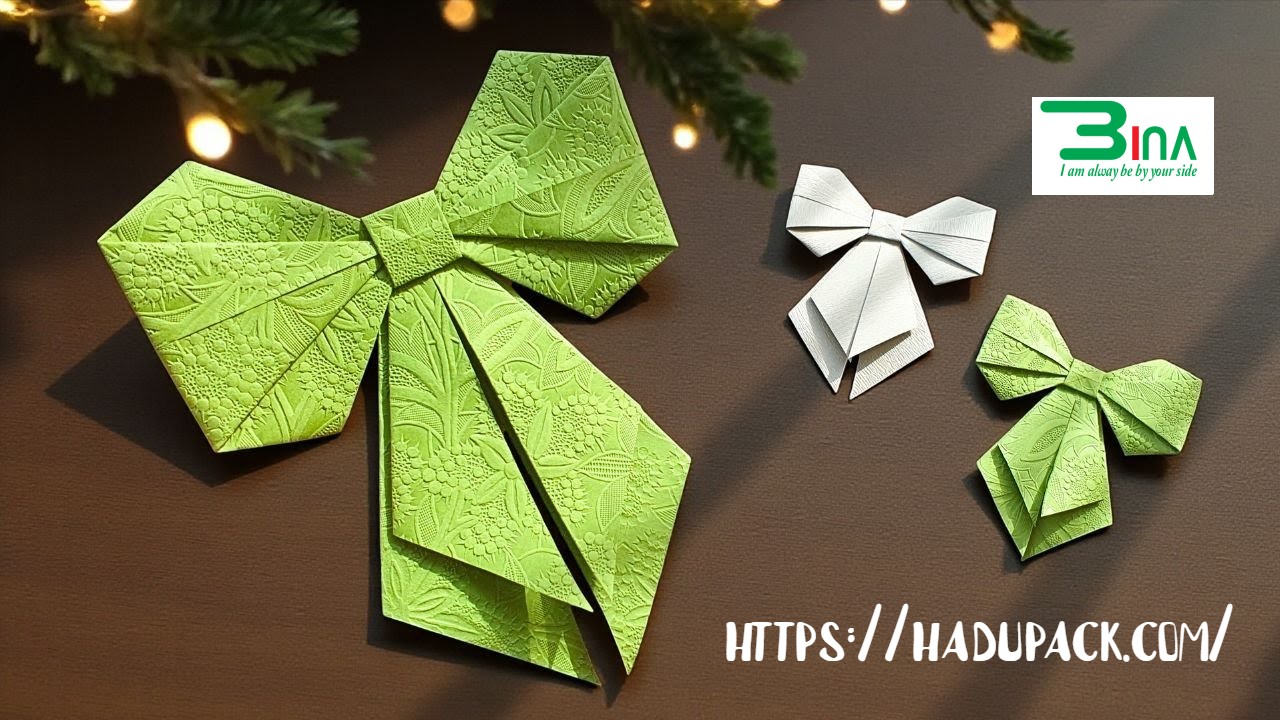
Paper Ribbon
Paper ribbon offers a sustainable, eco-friendly option while still ensuring aesthetic appeal. Its natural, textured appearance makes it increasingly popular in eco-friendly projects. In addition, paper ribbon is a sustainable choice for those who want to minimize their environmental impact.
- Features of paper ribbon: Sustainable choice
- Material: Made from paper, often recyclable.
- Finish: Matte, with a slightly rustic feel.
- Eco-friendly: Biodegradable and sustainable.
Common uses:
- Gift wrapping with a natural, minimalist aesthetic.
- DIY crafts such as card making or scrapbooking.
- Rustic wedding decorations or flower arranging.
- Paper ribbon is ideal for projects focused on sustainability or those seeking a natural, nature-inspired atmosphere.
 |
Scotch Ribbon
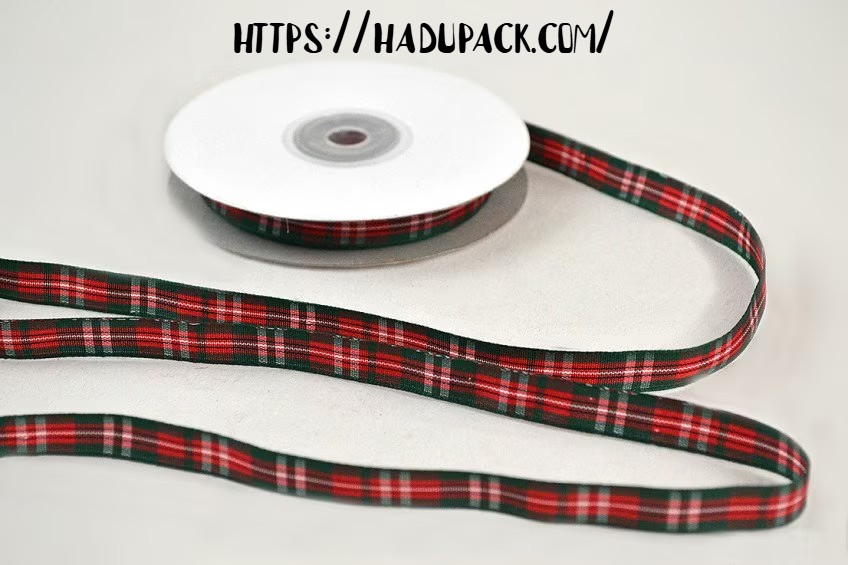
Scotch ribbon combines a lightweight design with versatility. It features classic checkered or striped patterns, making it very suitable for themed and seasonal projects. In addition, Scotch ribbon comes in a variety of colors, adding to the appeal of seasonal projects.
Features of Scotch ribbon:
- Pattern: Usually striped or tartan.
- Material: Usually polyester or cotton.
- Seasonal appeal: Popular in winter and festive designs.
Common uses:
- Decorating holiday gifts and home décor.
- Decorating themed events, especially around Christmas.
- Adding a charming accent to clothing or accessories.
- The timeless beauty of Scotch ribbon ensures it remains a favorite choice during the festive season.
 |
Printed Ribbon (Jacquard Ribbon)
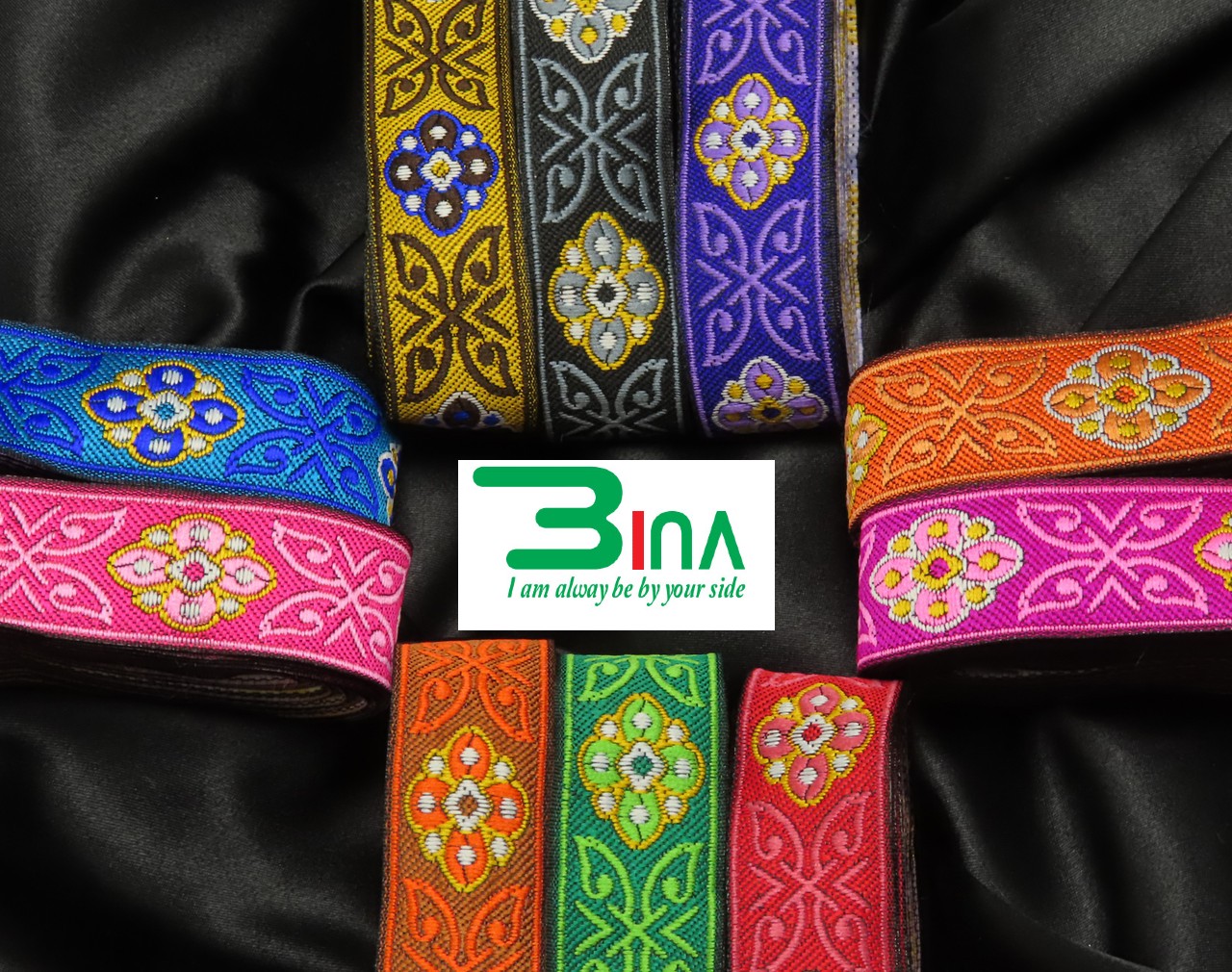
Printed ribbons, including jacquard ribbons, feature intricate patterns and designs, creating a focal point for creative projects. From floral patterns to custom logos, the possibilities are endless. Unique weaving techniques are used to create the intricate patterns of jacquard ribbons, enhancing both aesthetic appeal and functionality.
Features of printed ribbons:
- Material: Various options, including polyester, silk, and satin.
- Design: Can include custom patterns, text, or logos.
- Finish: Matte or glossy depending on the base material.
Common uses:
- Branding product packaging with custom designs.
- Adding a unique accent to clothing or accessories.
- Enhancing the beauty of DIY handmade products with bold artistic imagery.
- Printed ribbons allow for personalization and artistic freedom in any project.
 |
Lace ribbon
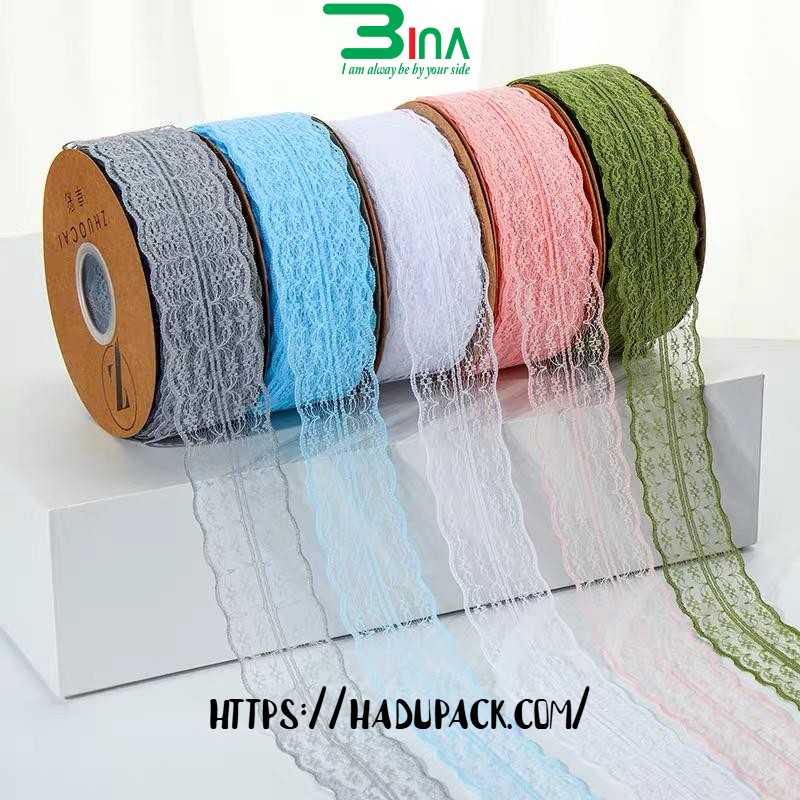
Lace ribbon evokes a classic, timeless feeling, making it suitable for both traditional and modern designs. Finely crafted, it often features intricate patterns. The delicate woven details of lace ribbon contribute to creating detailed patterns, enhancing its decorative beauty.
Characteristics of lace ribbon:
- Material: Usually made from cotton or synthetic fibers.
- Texture: Soft, lightweight, and featuring delicate details.
- Classic beauty: Adds a classic, romantic element to any project.
Common uses:
- Home decoration, such as tablecloths or curtains.
- Romantic gift wrapping or customized event decoration.
- Sewing projects such as decorating clothing or accessories.
- With its charming decorative beauty, lace ribbon is an essential item for those who love designs inspired by vintage style.
 |
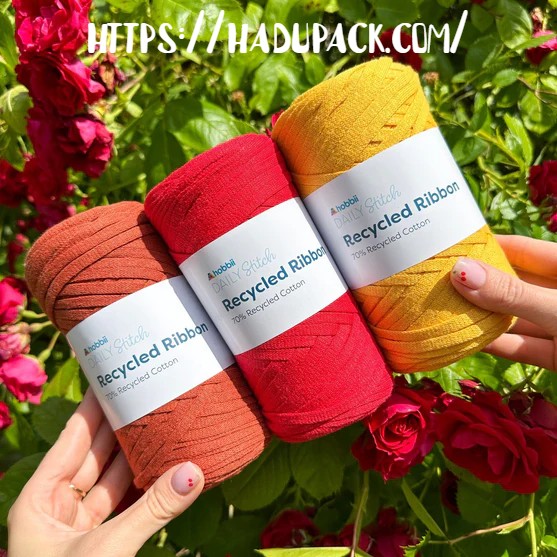
Recycled Ribbon
Recycled ribbon is an eco-friendly choice, made from used plastic or other recycled materials. These ribbons meet high quality standards while also being sustainable.
Features:
- Made from recycled polyester or PET bottles
- Durable and versatile
- Available in a variety of styles and materials
Uses:
Recycled ribbon is ideal for brands that want to showcase sustainability in packaging, as well as for eco-friendly crafts and gift wrapping.
 |
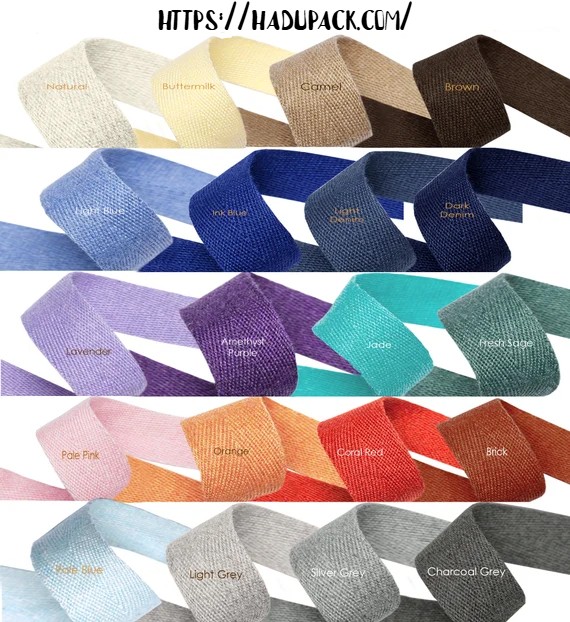
Cotton herringbone ribbon
Cotton herringbone ribbon features a V-shaped weave, resembling a fishbone, creating texture and durability. Made from 100% cotton, these eco-friendly ribbons come in various styles, including natural single and natural double. Their natural, rustic appearance is highly versatile.
Features:
- 100% cotton
- Strong and durable
- Herringbone pattern
Uses:
Cotton herringbone ribbon is used to decorate clothing, bag straps, or decorative packaging. Its naturally soft feel is also excellent for branding sustainable products.
 |
How to choose ribbon:
Choosing the right ribbon involves matching the material, width, and style to the specific needs of the project. Choose wired ribbon to create sturdy bows, satin ribbon for an elegant look, and grosgrain ribbon for high durability. Important factors to consider include matching the ribbon size (width) to the gift size and coordinating the colors with your theme.
1. Choose the right material
- Satin Ribbon: Smooth and shiny, ideal for luxurious gift wrapping and clothing.
- Grosgrain Ribbon: Durable with a ribbed texture, perfect for hair bows, crafts, and structured bows that need to hold their shape.
- Organza Ribbon: Sheer and lightweight, adding a delicate, whimsical, or elegant touch to gifts and weddings.
- Velvet Ribbon: Soft and luxurious, perfect for holiday decorations and adding warmth. Wired Ribbon: Has thin wire along the edges, making it easy for beginners to shape, hold, and reuse bows.
2. Choose the right width
- Narrow (1/8″ to 1/4″): Best for small gifts, delicate gift tags, or intricate crafts.
- Medium (1/2″ to 1″): The most versatile choice for standard-sized gift boxes, floral arrangements, or hair bows.
- Wide (1.5″ or more): Ideal for large, dramatic bows, wreaths, and creating a striking accent on large gifts.
3. Consider the purpose and style
- Gift wrapping: Use satin or organza ribbon for an elegant look; choose a width proportional to the box.
- Making bows: Wired ribbon is best for maintaining shape; combine different widths for a professional look.
- Events/Weddings: Organza or satin is suitable for a soft look, while velvet adds extra luxury.
- Eco-friendly: Choose materials such as cotton or linen for a natural look, or recycled polyester.
4. Design & Color Coordination
- Choose a main ribbon: Start with a patterned or multicolored ribbon that you love.
- Identify complementary colors: Choose two or three solid-color ribbons in shades that complement the main patterned ribbon.
- Combine materials: Pair shiny satin ribbon with matte grosgrain ribbon to create visual interest.
 |
 |
 |
 |
 |
 |
Ribbon storage tips
Store ribbons by keeping them neatly organized, easy to see, and protected from dust and damage. Common methods include using adhesive hooks for ribbon rolls, storing ribbon rolls on wooden rods or in clear plastic boxes by color, and wrapping loose ribbon around cardboard rolls. Keep ribbons in a dry, cool, well-ventilated place to prevent damage to the ribbon fibers.
Ribbon storage ideas:
- Vertical storage (Wall space): Use adhesive hooks (e.g., Command hooks) or long wooden rods on the wall or side of a cabinet to store multiple ribbon rolls for easy access.
- Storage in containers: Arrange ribbon rolls inside clear plastic storage boxes, making them easy to find and protecting them from dust.
- Drawer organization: Place a tension rod inside a drawer to hold ribbon rolls, or place cardboard rolls upright so the colors are easy to see.
- Ribbon rolls/Cards: Wrap loose ribbon around cardboard or plastic rolls and store them in baskets or small boxes.
- Lazy Susan turntable: Place ribbon rolls on a Lazy Susan turntable in the craft room to save space, make them easy to access, and allow them to rotate for storage.
- DIY ribbon holder: Place ribbon rolls on a paper towel holder or use an old magazine rack to hold ribbons.
Proper storage tips
- Secure the ribbon end: Use small paper clips, pins, or tape (keep it away from the main body to avoid leaving adhesive residue) to prevent the ribbon from unraveling.
- Protect delicate materials: Avoid exposing ribbons directly to sunlight, high temperatures, and humidity.
- Wire-edged ribbon: Avoid folding wire-edged ribbon to prevent the wire from breaking.
- Organize by type: Store by color, holiday, or ribbon type for greater efficiency.
 |
Discover the perfect ribbon with Hadupack
Whether you are a designer, crafter, or business owner, understanding the different types of ribbons will help you make the right choice for every project. From luxurious velvet ribbons to eco-friendly biodegradable ribbons, the options are endless: jacquard ribbons, lace ribbons, silk ribbons, chiffon ribbons, and wired ribbons.
Looking for premium ribbons to add to your products and packaging? Explore Hadupack’s full range of ribbons in a variety of styles, colors, and materials. Contact us today to request a catalog sample or learn more about customization options.




Reviews
There are no reviews yet.