

Description
What is a hanging box with hooks?
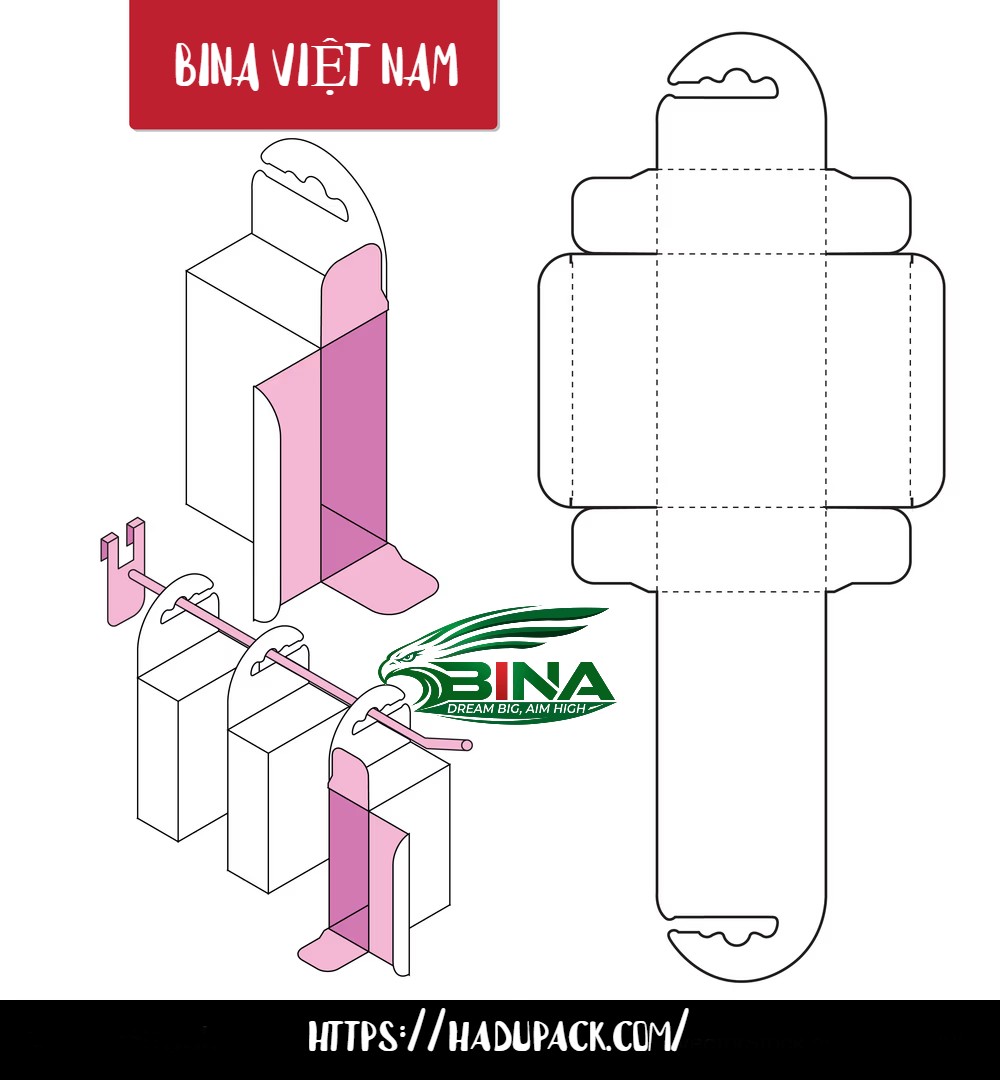
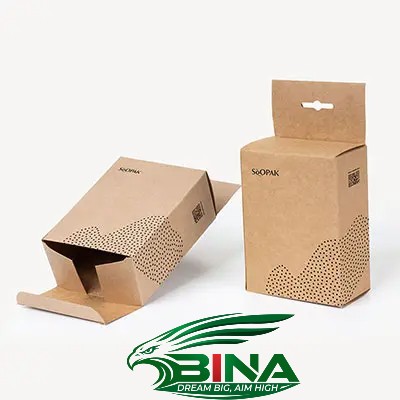
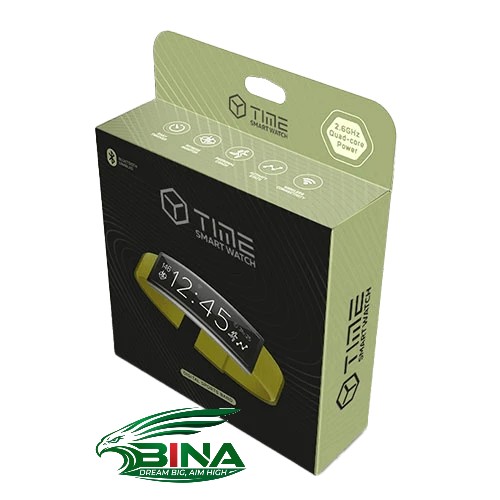
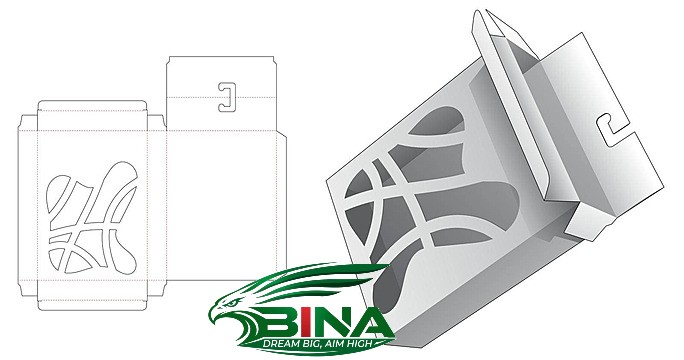
A hanging box with hooks (also known as a hanging storage basket or hanging organizer box) is a storage tool designed to optimize the use of space. Its main feature is the hooks on the back or top of the box, allowing it to be flexibly hung on thin rods, table edges, cart edges, or grids.
 |
 |
 |
 |
◆Learn more:
- https://hadupack.com/san-pham/hop-dung-banh-trung-thu/
- https://hadupack.com/san-pham/hop-giay-dung-ruou/
- https://hadupack.com/san-pham/hop-trung-bay-san-pham/
These products typically have the following features and advantages:
Drill-free installation: These hanging boxes usually feature a drill-free design, allowing for immediate use, ideal for renters or those who do not want to damage the walls.
Flexible storage space: Suitable for various environments, including kitchens, bathrooms, cabinets, offices, balconies, etc., for hanging toiletries, cosmetics, stationery, small decorations, or documents.
 |
 |
Diverse designs:
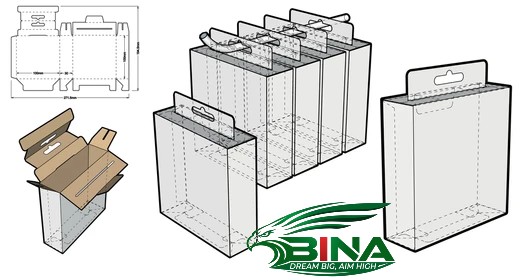
- Two-way hooks: Some models have fold-up hooks, allowing them to be hung on the front or back.
- Stackable/foldable: To maximize space savings, some hanging baskets can be stacked or folded for storage when not in use.
Drainage design: Bathroom or kitchen units often have drainage holes at the bottom for ventilation.
Lightweight materials: Mainly made of plastic or metal mesh, lightweight and durable.
These products are compact storage solutions for residential spaces, making use of vertical space to neatly store small items while increasing usable space on desks or countertops.
 |
Paper box printing production process with hanging hooks and hanging holes
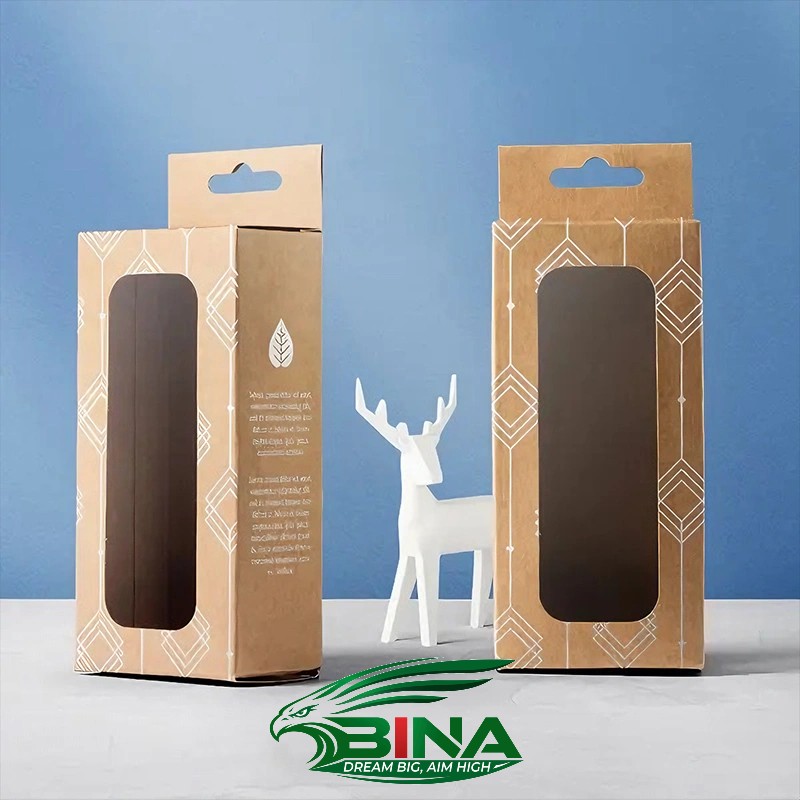
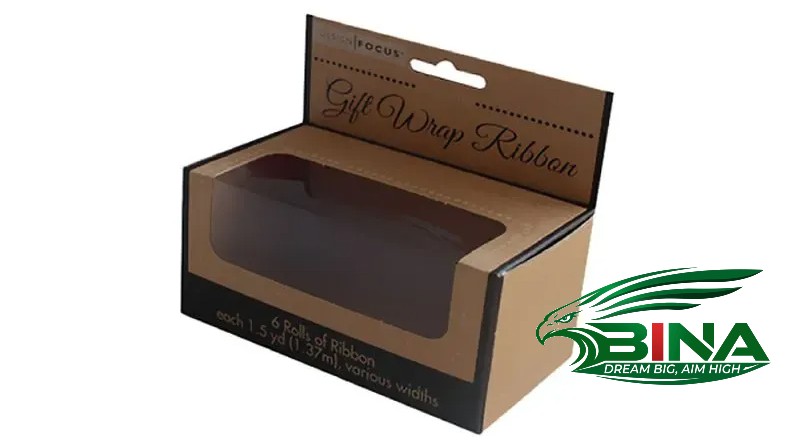
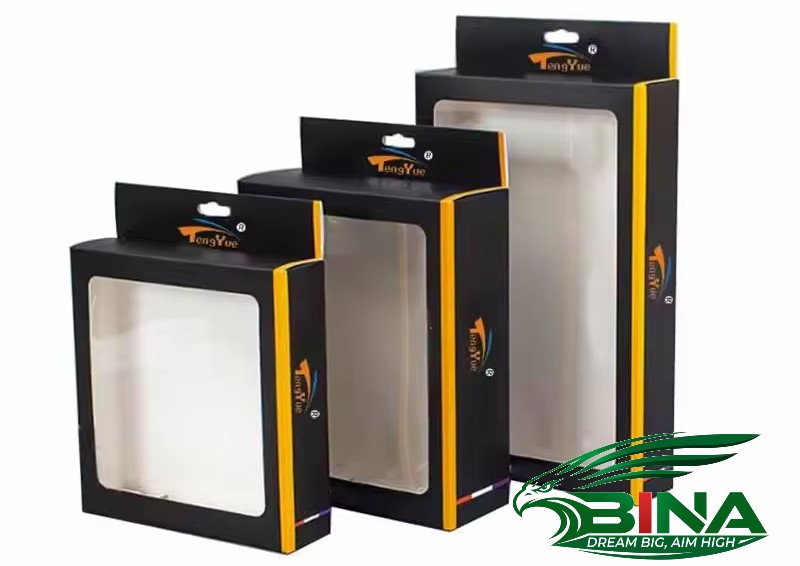
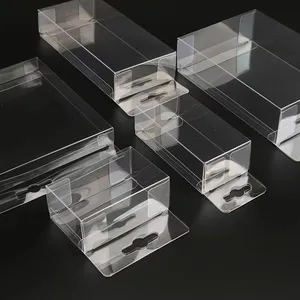
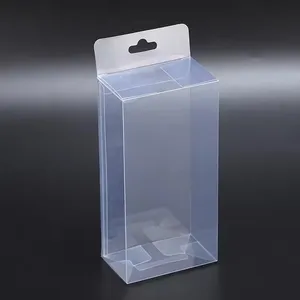
Hanging boxes with hooks (commonly called hanging boxes or boxes with hanging tabs) are a type of packaging specially designed for retail display racks, commonly used for lightweight products such as masks, small spare parts, and cosmetics. Their printing and manufacturing process focuses on structural stability and surface texture. The following are the main printing and post-printing processing procedures for this type of paper box:
1. Structural design and material selection
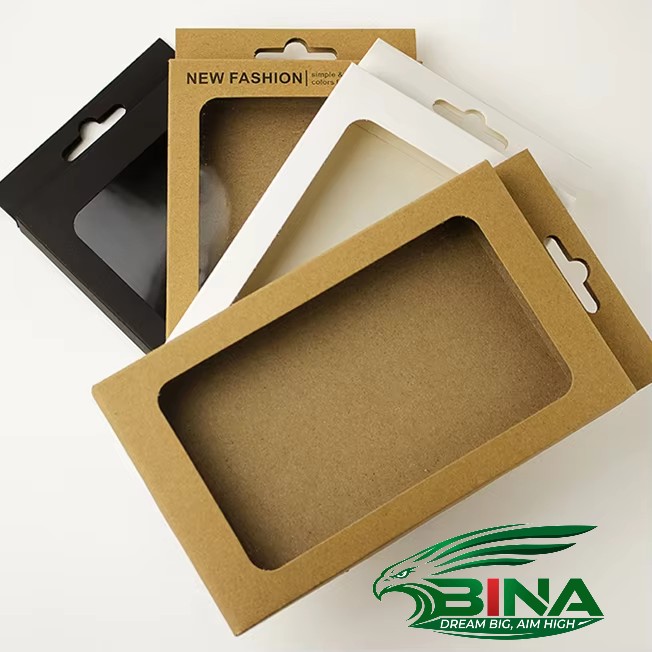
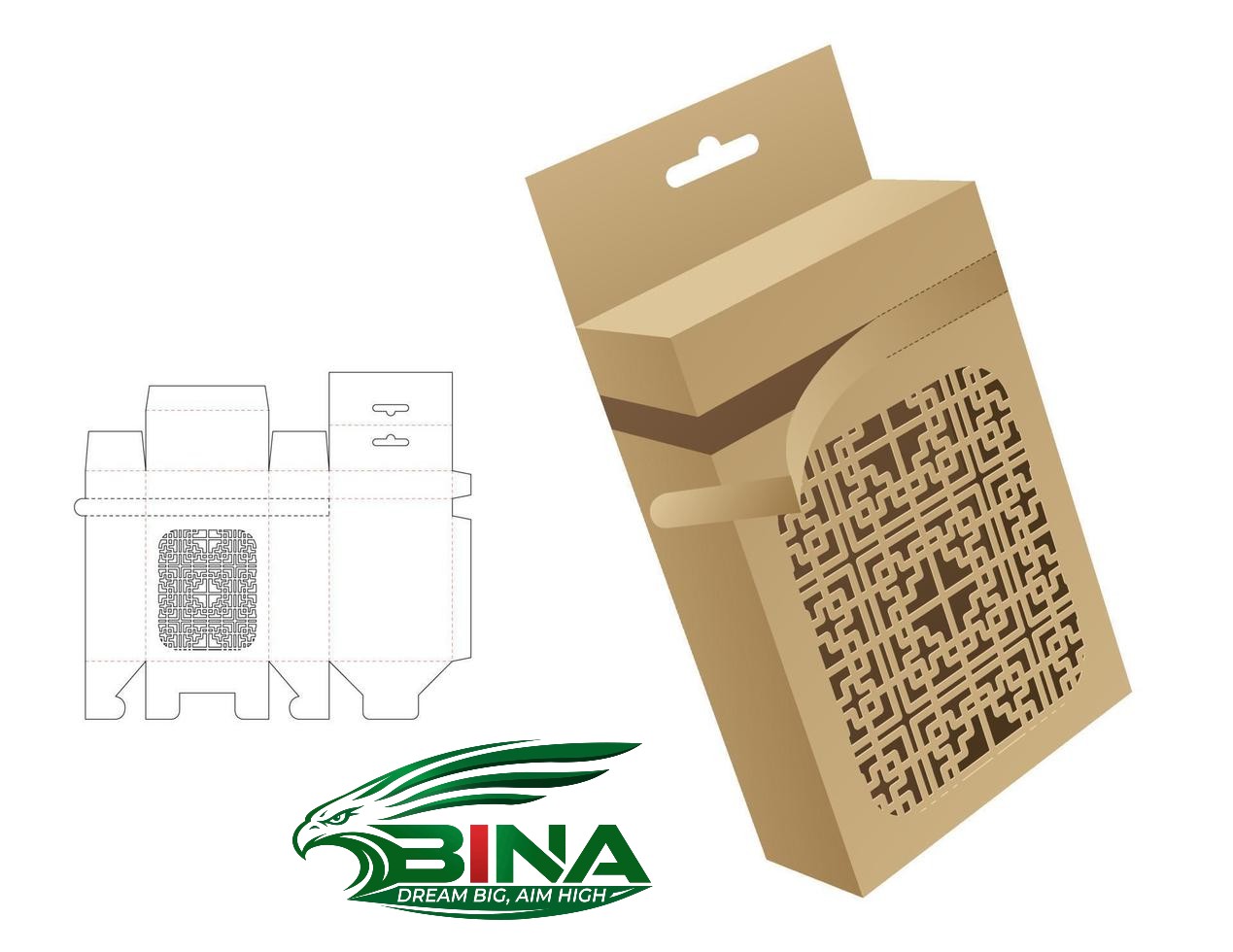
- Hanging hole design: Typically, a hanging tab with a “butterfly-shaped hole” or a “European-style hole (airplane hole)” extends from the top of the box for easy display.
- Load-bearing capacity and safety: The bottom usually uses a tuck-bottom structure (Japanese-style bottom) to increase stability.
- Materials: Coated paperboard (suitable for double-sided color printing), white paperboard, or PP plastic is commonly used to achieve a sturdy and durable effect.
 |
2. Printing process
- Offset printing: The most commonly used process, suitable for complex patterns, logos, and high-resolution images. Suitable for mass production, with vibrant colors.
- Screen printing: Suitable for hanging boxes made of plastic or special materials.
3. Post-printing and surface treatment (Enhancing texture and durability)
- Lamination: Matte or glossy lamination is commonly used, providing water resistance, abrasion resistance, and protection for the printed surface, while enhancing the overall texture.
- Hot stamping: Used on brand logos or localized decorative patterns to create a metallic sheen and attract customers.
- Embossing/Debossing: Creates a three-dimensional feel for design elements (such as logos), enhancing the sense of depth.
- Spot UV coating: UV coating is applied to specific areas (such as text or patterns) to create contrast between glossy and matte surfaces.
 |
4. Die-cutting process
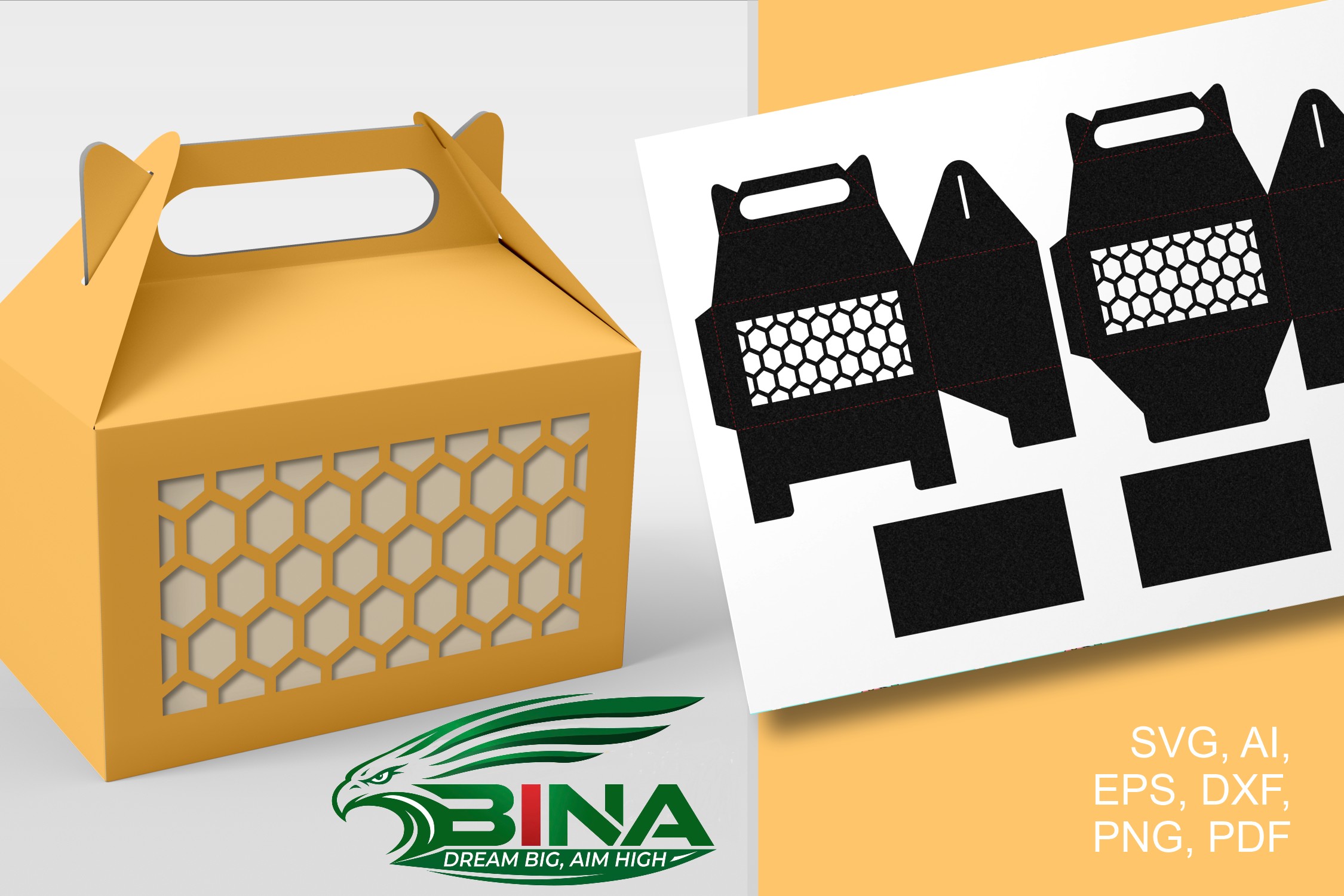
- Die cutting: Use a die to cut the printed cardboard into special structures as required, especially to precisely cut the hanging holes for hooks.
- Rivet fastening: For plastic hanging boxes, rivets are sometimes used to reinforce the structure.
In summary, the printing process for hanging boxes with hooks is usually: structural design -> color offset printing -> surface treatment (lamination/hot stamping) -> die cutting -> box gluing. The key to this process is ensuring the structural strength of the hanging area as well as the aesthetics and durability of the surface.
 |
Common Issues When Producing Hanging Boxes with Hanging Hooks
Due to their structural characteristics, hanging boxes with hooks (hanging color boxes) often encounter the following common issues during the design, printing, die-cutting, and gluing processes:
1. Issues with the Structure and Function of the Hook
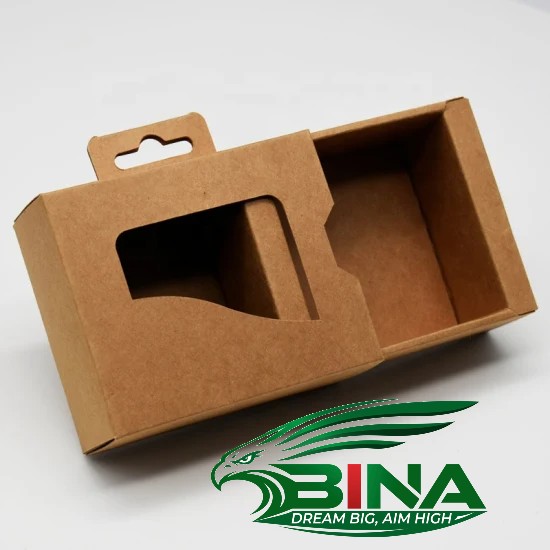
- Deformation or insufficient strength of the hanging hole: This is the most common issue. If the paper weight (thickness) is insufficient or the hook structure is poorly designed, the hanging hole can easily break or deform during hanging, causing the product to fall.
- Blunt die-cutting in the hook area: During the die-cutting process, if the die in the hook area is not sharp or the pressure is not adjusted properly, it will result in rough cuts with burrs, seriously affecting both aesthetics and usability.
- Incomplete removal of excess material from the hole: If the excess paper edges from the hanging hole are not properly cleaned after die-cutting, it will affect shelf display.
 |
2. Printing and color issues
- Significant color differences: Inconsistent colors between batches or significant differences from the design, especially if there is special printing on the hook, can easily cause color matching issues with the box body.
- Ghosting and image misalignment: Improper adjustment of printing pressure or expansion/shrinkage of the paper can cause blurring or overlapping of the edges of text or patterns, especially noticeable in the details of the hook.
3. Paper assembly and forming issues
- Groove bulging (cracking): Hanging boxes are usually made of corrugated cardboard. After assembly, uneven gaps may appear along the grooves on the edges, creating a bulging appearance and affecting the overall look.
- Weak adhesive: Hooks often require special adhesive treatment. If the adhesive is not selected properly or the pressing time is insufficient, cracks can easily occur during transportation.
4. Surface treatment issues
- Coating bubbling/peeling: Hanging boxes are often coated with a glossy or matte film. If the process is poor, the load-bearing edges of the hanging hook are prone to peeling and bubbling.
- Proposed solutions: Choose an appropriate paper thickness (to increase load-bearing capacity when hanging), ensure that the cutting die is sharp and inspected regularly, optimize the hanging hook structural design, and conduct sample testing before mass production.
 |
Considerations When Choosing Hanging Boxes with Hanging Hooks
When choosing a hanging box with a hook (hanging hole), focus on structural stability, display effectiveness, and print quality. The following factors should be considered:
Structural Design and Load-Bearing Capacity (Most Important):
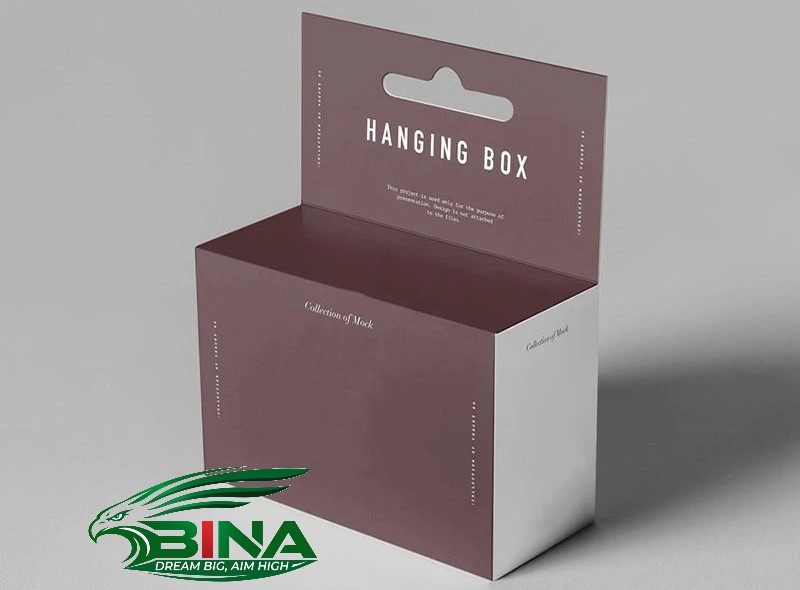
- Hook design: Ensure sufficient strength at the hook points. A reinforced structure (such as double-layer cardboard or an inserted reinforcement rim) should be used to prevent tearing.
- Bottom structure: If the product is heavy, choose a load-bearing bottom design (such as an inserted bottom box or Japanese-style bottom box) to prevent the bottom from falling out when hung.
- Prototype testing: Structural prototype testing is essential to determine whether the actual weight of the product will deform the hanging hook.
 |
Material selection:
- Paper thickness: Choose cardboard with an appropriate thickness (such as white cardboard or coated paper) to ensure the box shape does not deform when hung.
- Scratch resistance and protection: Consider the product display environment and choose an appropriate surface treatment method (such as glossy or matte lamination), adding scratch-resistant coating if necessary.
Printing and visual design:
- Display position: The design should consider that the hanging hook will occupy the upper space of the packaging; the main visual elements should be placed in the center or lower part of the packaging.
- Die-cutting and printing: Precisely position the die-cut lines for the hanging hole, ensuring the printed pattern is aligned with the hole position.
 |
 |
Practicality and transportation:
- Easy assembly: The folds in the hanging hook need to be designed precisely so that packaging staff can assemble them quickly.
- Display method: If sold at convenience stores or supermarkets, ensure that the specifications of the hanging hook are compatible with standard hanging display racks.
- Environmental friendliness of materials: Considering environmental trends, choose recyclable materials or use PUR adhesive to enhance adhesion while reducing the use of plastic materials.
Detailed information about Hadupack from us
 |