

Description
What is Tyvek paper?
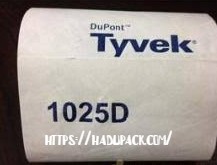
Tyvek® paper (also known as DuPont paper) is a patented material developed by DuPont that combines the properties of paper, film, and fabric. It is made by thermally bonding high-density polyethylene (HDPE) fibers through a rapid evaporation process.
 |
 |
 |
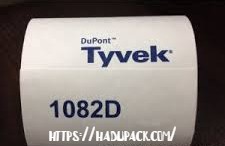 |
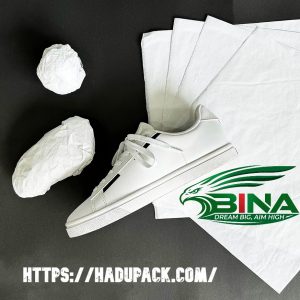
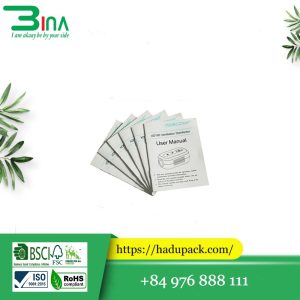
It is “like paper but not paper”, possessing the characteristics of being lightweight, waterproof, strong, tear-resistant, breathable, dustproof, and environmentally friendly, and it can be recycled. It is widely used in pharmaceutical packaging, construction, protective clothing, creative packaging, and clothing labels.
 |
 |
Tyvek Paper Production Process
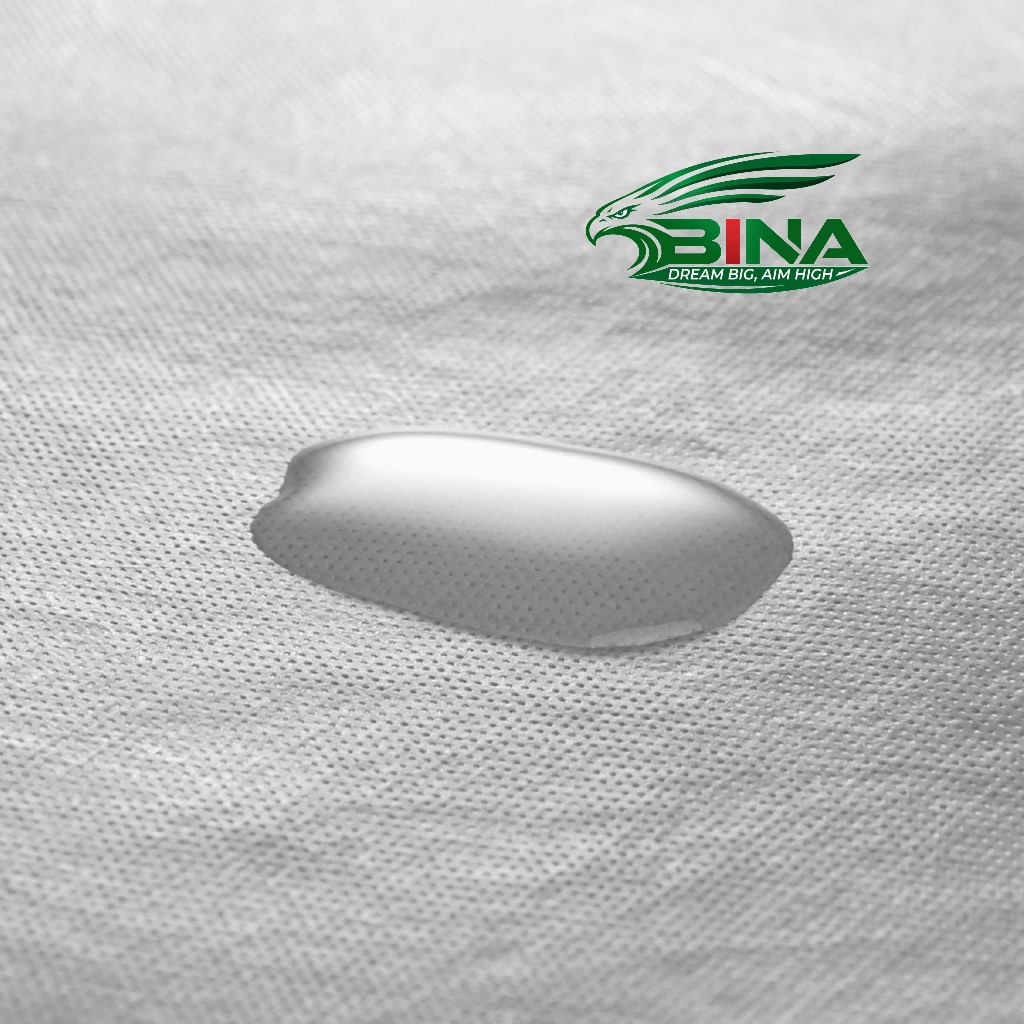
Tyvek® is a high-density polyethylene (HDPE) material developed by DuPont, manufactured using a unique “Flash Spinning” process. This technology involves melting polyethylene, then immediately extruding it at high speed and pressure, cooling it into extremely fine continuous fibers, and then bonding them together through heat pressing. This combines the advantages of paper, film, and fabric, resulting in high strength, toughness, water resistance, breathability, and recyclability.
 |
◆Learn more:
- https://hadupack.com/danh-muc/bao-bi-giay/
- https://hadupack.com/san-pham/in-giay-huong-dan-su-dung/
- https://hadupack.com/san-pham/tui-giay/
Main steps in the Tyvek production process:
- Raw material preparation: Use 100% high-density polyethylene (HDPE) pellets.
- Dissolution and pressurization: The HDPE pellets are dissolved under high temperature and high pressure, and a solvent is added.
- Flash Spinning: This is the core patented technology. The polymer solution is sprayed into the air under high pressure. Due to the instantaneous pressure drop, the solvent evaporates rapidly (flash evaporation), causing the polyethylene to form extremely fine, discontinuous but interwoven fibers (approximately 0.5–10 micrometers in diameter).
- Web formation and hot pressing (Thermal Bonding): The fine fibers are spread into a web on a moving mesh conveyor, then thermally bonded under high temperature and pressure using hot rollers to form a dense, uniform web-structured material.
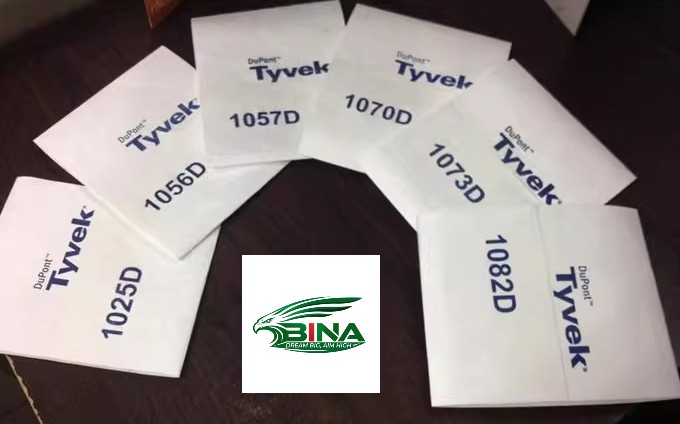
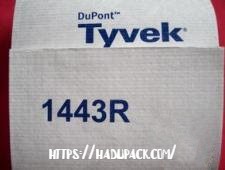
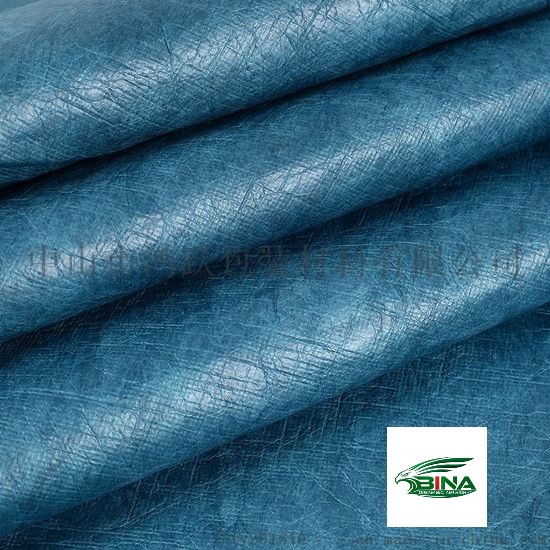
- Finished product processing: Depending on the requirements, it can be processed into a rigid structural material (rigid Tyvek, such as the 10 series) or a soft structural material with a soft, fabric-like feel after heat treatment (soft Tyvek, such as the 14 series).
 |
Key features of Tyvek paper:
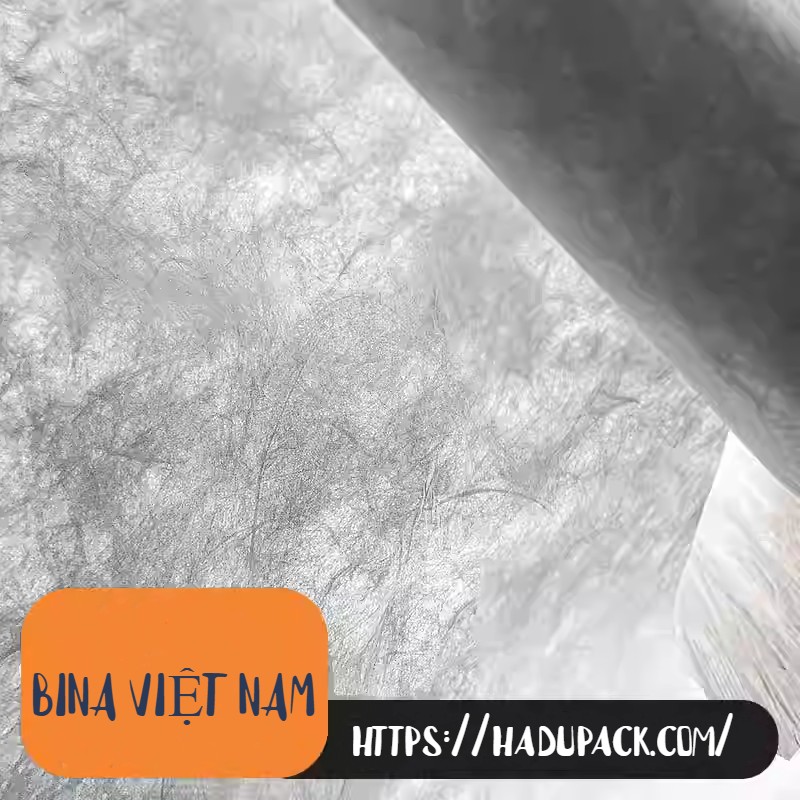
- Tear resistance: Extremely high tensile and tear strength, far exceeding that of ordinary paper.
- Waterproof and breathable: Molecular gaps allow water to pass through while maintaining air permeability, hence it is called “breathable paper”.
- Lightweight and durable: Lightweight, lint-free, and dust-resistant, commonly used in cleanroom protective clothing.
- Environmentally friendly and recyclable: A single material, 100% HDPE, environmentally friendly.
- Unique texture: Available in two structural textures, rigid (similar to smooth paper) and soft (similar to fabric).
- Antibacterial and termite-resistant: Dense fibers block small particles, commonly used in medical packaging.
 |
Applications of Tyvek paper:
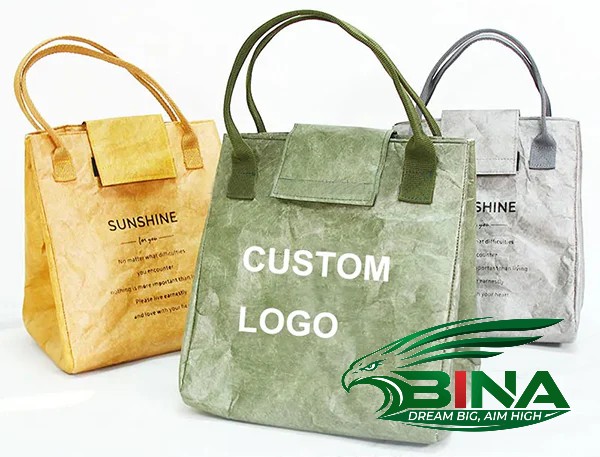
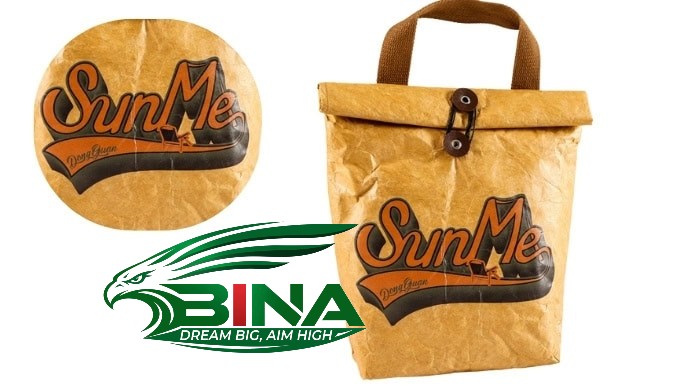
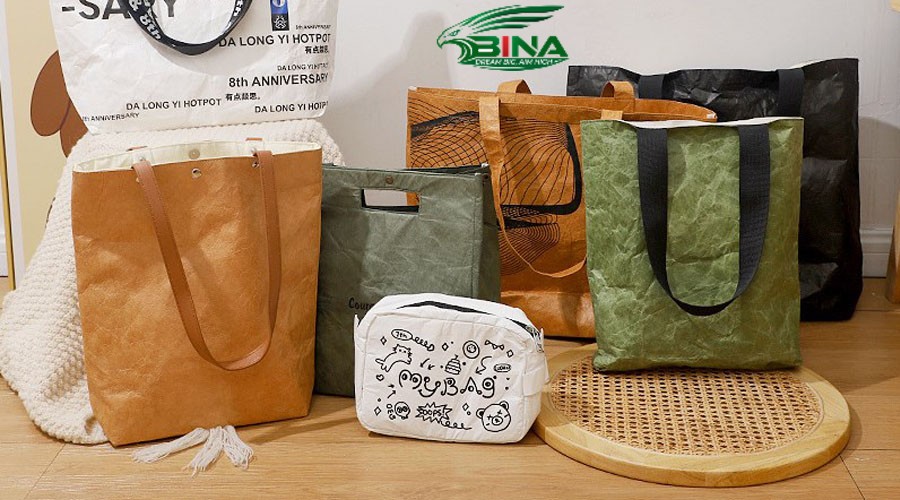
- Designer handbags and clutches: Waterproof, with a unique texture, often used as a material for eco-friendly handbags and backpacks.
- Pharmaceutical packaging: Excellent antibacterial and dust-resistant properties.
- Construction materials (waterproof and breathable membranes): Used in exterior wall waterproofing layers.
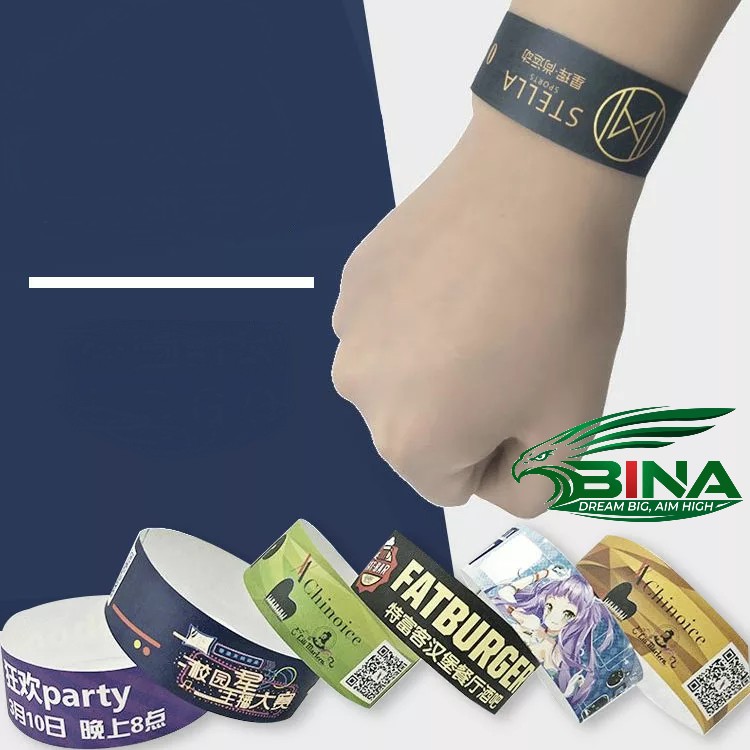
- Wristbands and tags: Such as music festival wristbands and luggage tags, sturdy and durable.
 |
Notes on using Tyvek paper
DuPont Tyvek® is a high-density polyethylene fiber material that is water-resistant, durable, lightweight, and breathable. Please note the following precautions when using it: Wash at room temperature, hand wash or use a gentle machine wash; do not tumble dry. Keep away from flames or high temperatures (melting point approximately 135 degrees C). For printing, UV ink is recommended to prevent fading, and please be aware of the special creases caused by its unique paper structure.
 |
Detailed precautions for use are as follows:
Cleaning and maintenance:
- Cleaning method: Can be washed with water; room-temperature water and mild detergent are recommended.
- Do not tumble dry: Never use a dryer at high temperatures to avoid deforming the material.
- Stain removal: Light stains can be gently wiped with a damp cloth. For heavily soiled areas, localized stain washing is recommended.
Sealing and heat treatment:
- Sealing temperature: For plastic film sealing, the recommended temperature is 160 degrees C
- Processing technology: Suitable for coating, embossing, folding, bonding, sewing, punching, and other processing operations. Use and storage environment:
- High-temperature warning: Although DuPont paper is flame-resistant, its melting point is low; exposure to excessively high temperatures should be avoided.
- Scratch resistance: Although it is tear-resistant, directly scratching it with sharp objects can still cause damage.
 |
Printing notes:
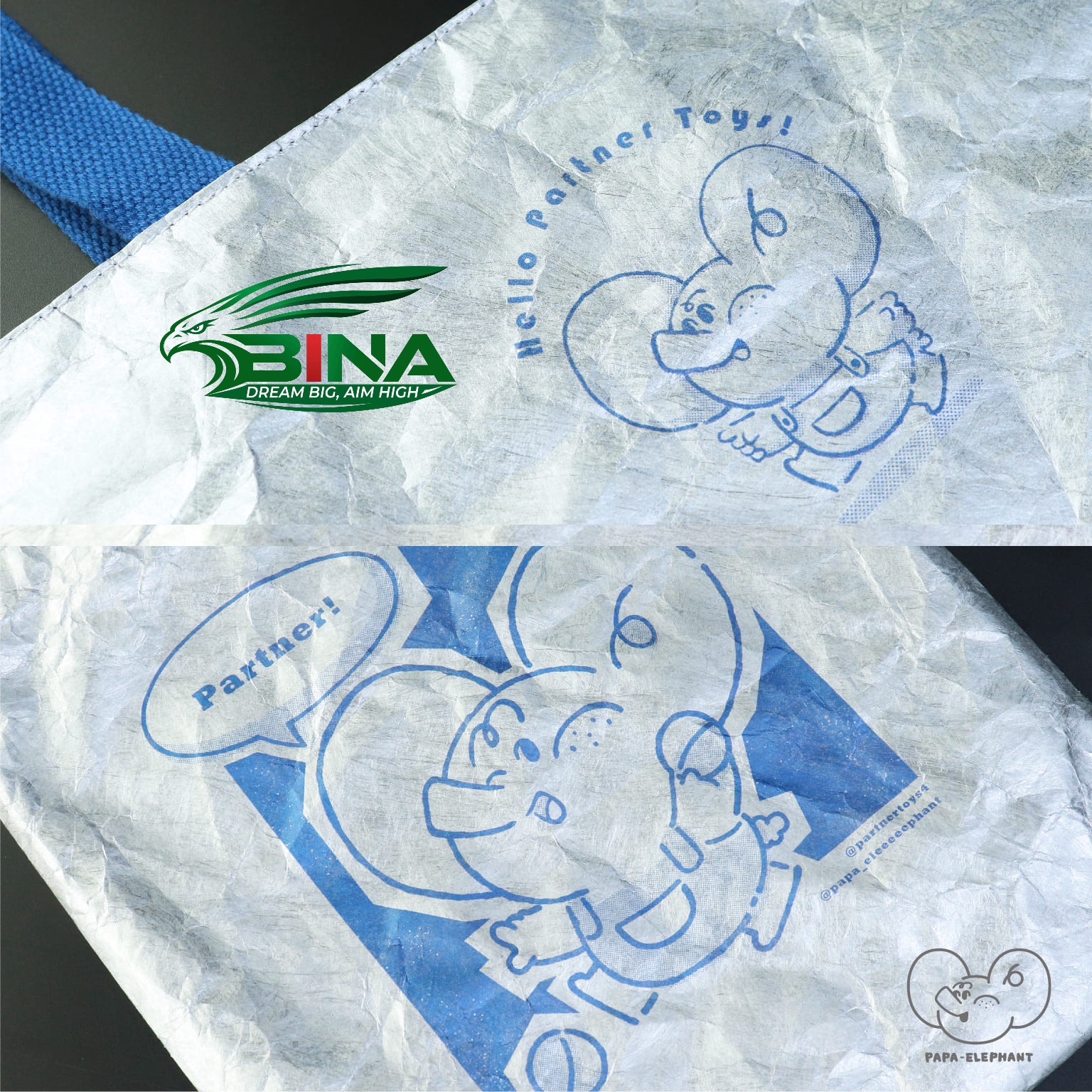
- Optimal printing: UV printing provides the best results, ensuring instant ink drying and high adhesion (see: Gentle packaging).
- Special surface: For inkjet or laser printing, please ensure the paper has a special coating; otherwise, fixing may be difficult.
Material characteristics:
- Paper feel: Smooth texture with a unique paper feel; natural creases will form during use.
- Safe and non-toxic: 100% recyclable, non-toxic, and plastic-free.