


Description
What is surface protection tape?
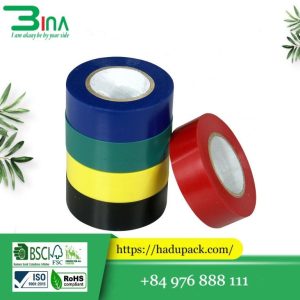
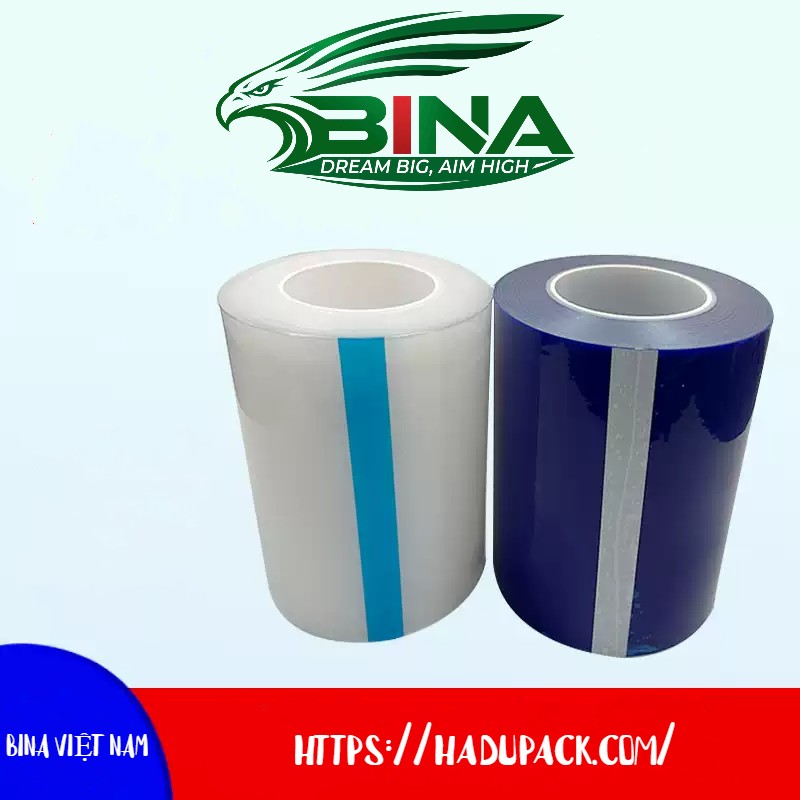
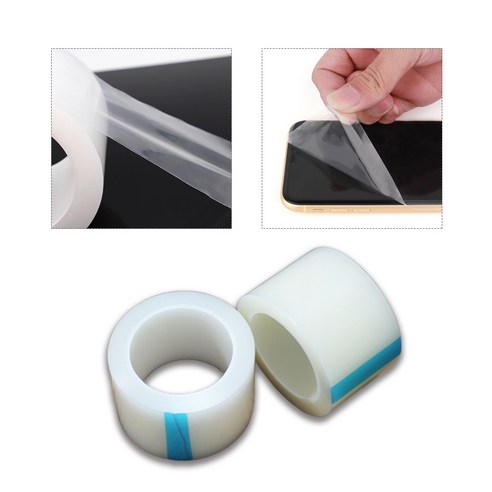
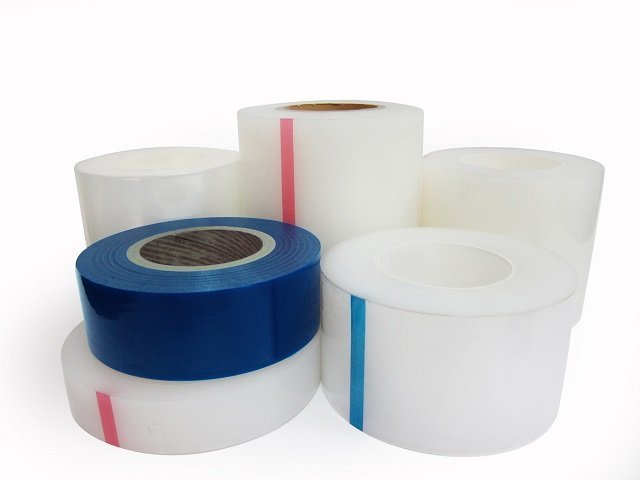
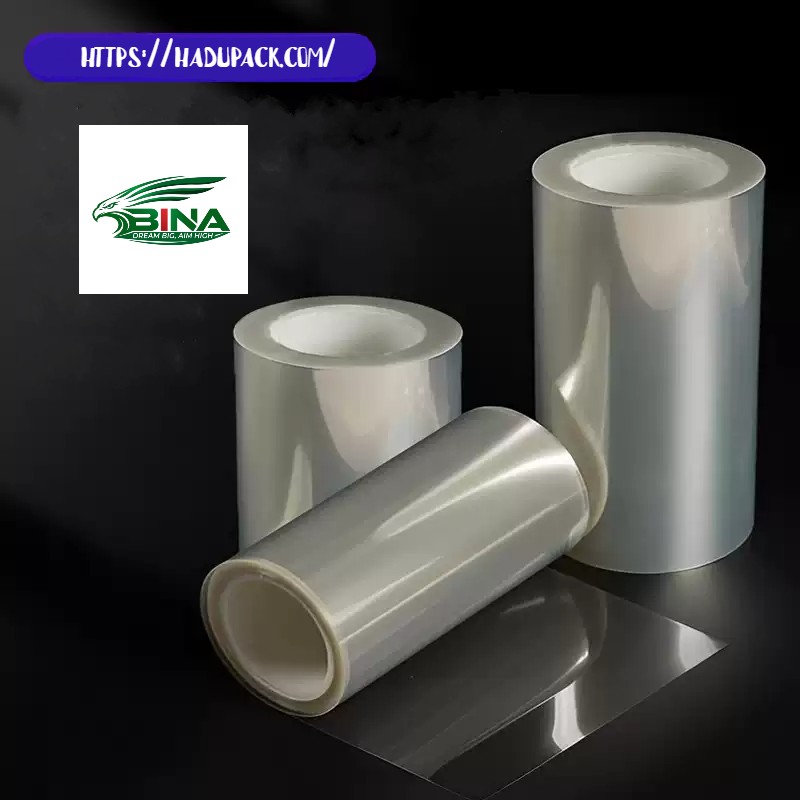
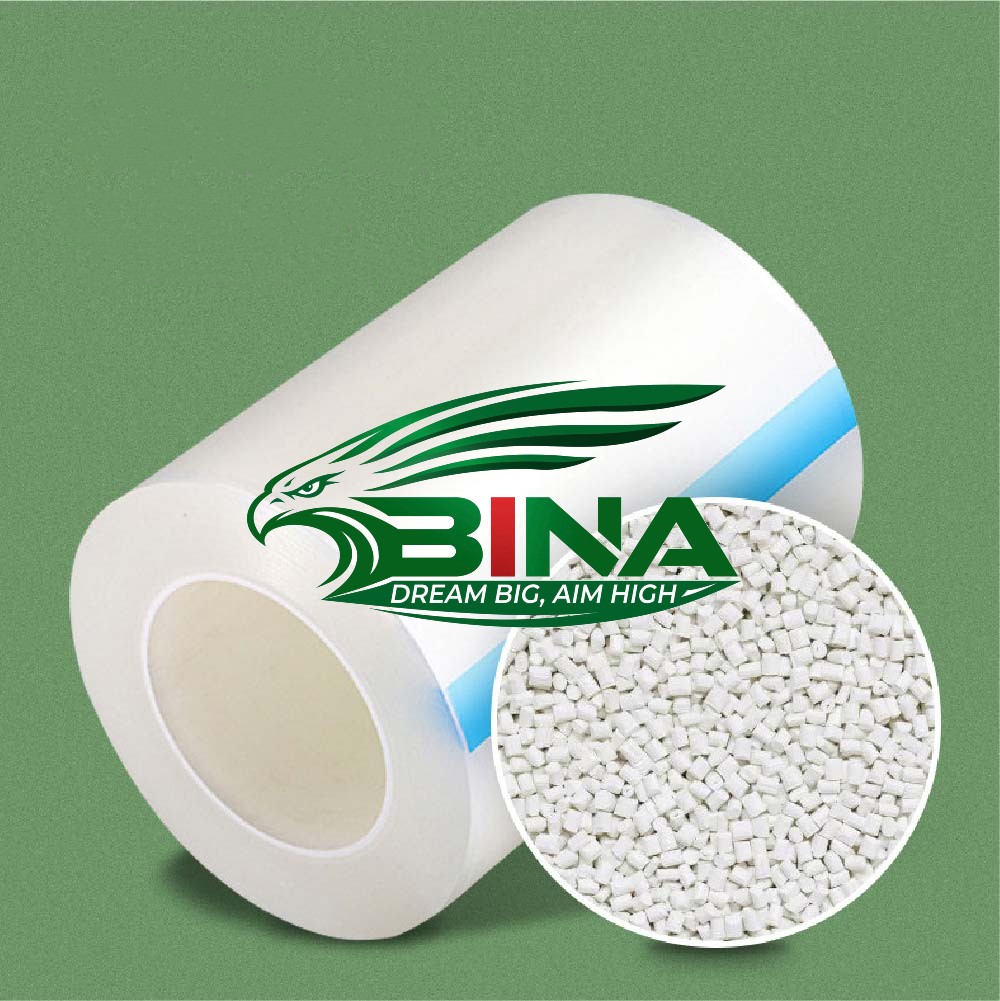
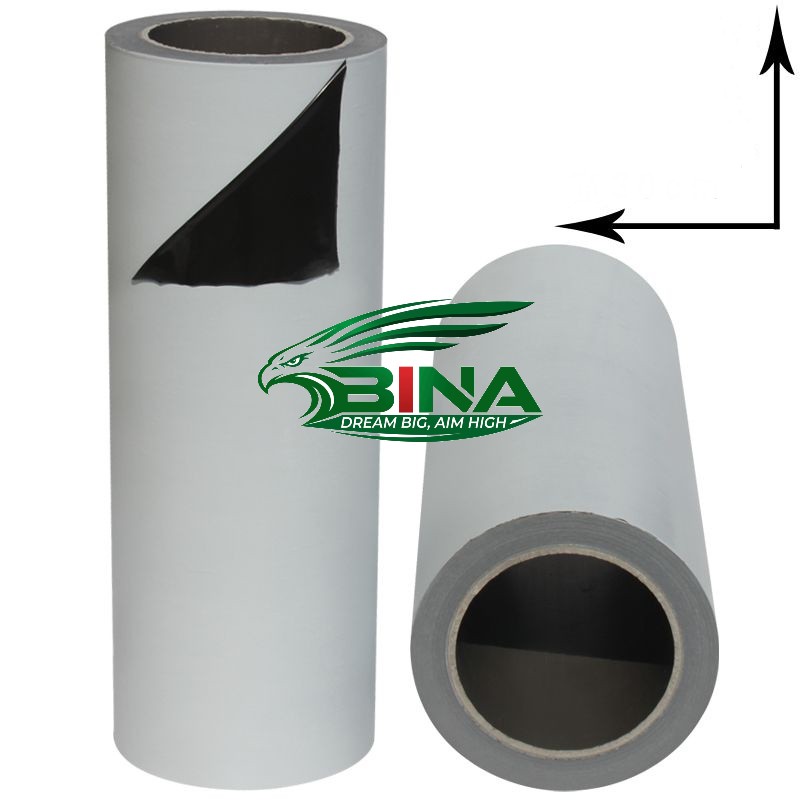
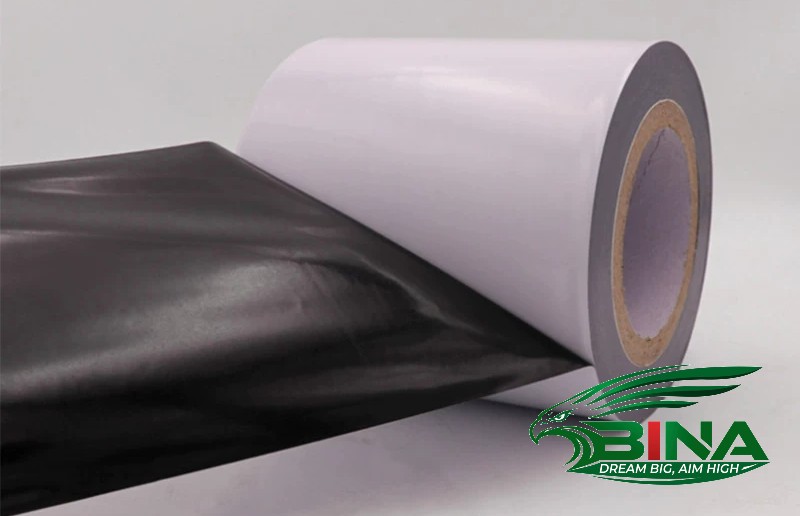
Surface protection tape is a type of tape with moderate adhesion, designed to temporarily protect product surfaces. It is commonly used in industrial manufacturing, processing, transportation, and warehousing. Its main function is to prevent scratches, contamination, moisture, damage caused by high temperatures, or dust accumulation on the surface of objects during the manufacturing process. Common substrates include PE, PET, and PVC.
 |
 |
1. Main uses of surface protection tape:
- Protection during processing and transportation: Suitable for metal sheets, plastic parts, and glass surfaces to prevent scratches during transportation and installation.
- Surface masking: Protects specific areas that do not require treatment during painting, spraying, and electroplating, leaving no residue after removal.
- Electronic product protection: Protects display screens, precision components, and LCD screens from scratches caused by hard objects.
- Home decoration: Used to temporarily protect the surfaces of furniture, doors, and windows.
2. Common synonyms and abbreviations:
- Surface protection film
- Protective adhesive film
- Masking tape (with an emphasis on processing and protection functions)
- PE/PET/PVC protective tape (named according to the substrate)
- Care tape (usually refers to products integrating “plastic film + adhesive tape”, used for protection in engineering)
 |
◆Learn more:
3. Key features:
- Low residue: Leaves no adhesive residue on the surface when removed.
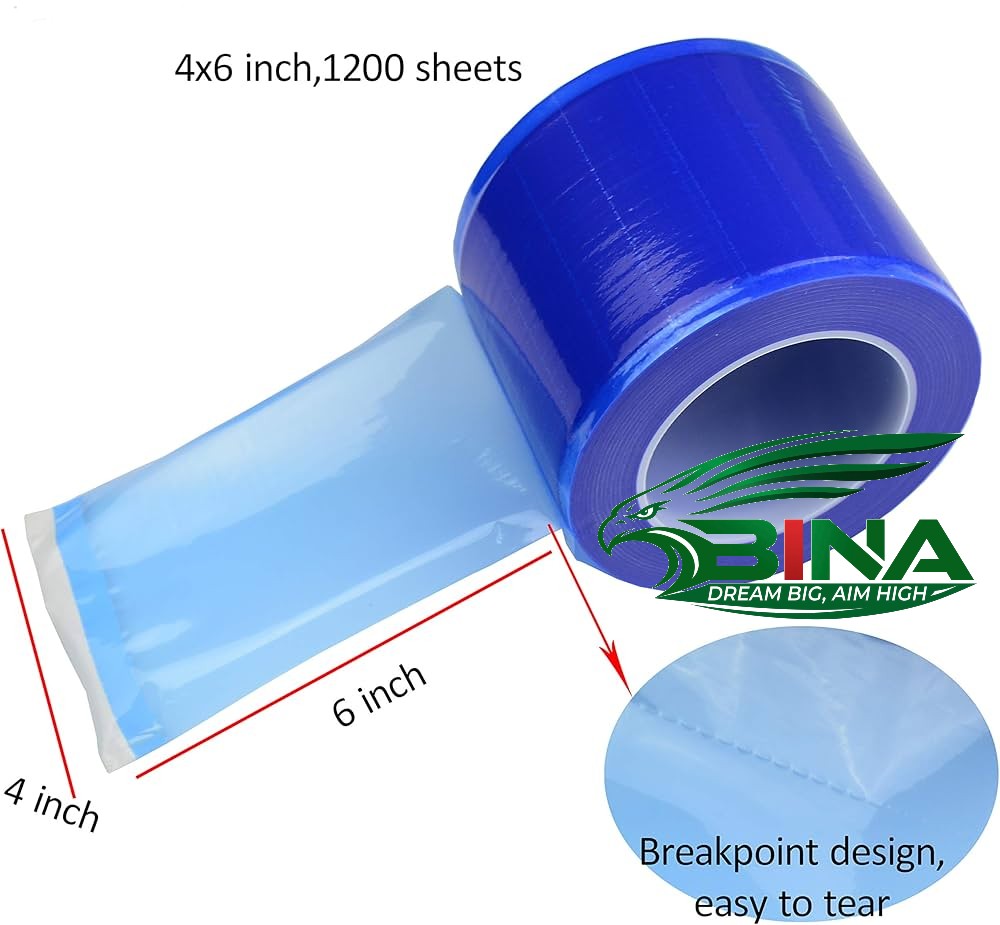
- Easy to tear: Excellent handling performance.
- Moderate adhesion: Moderate adhesion, both secure and easy to remove.
4. Application areas:
- Construction (aluminum windows, aluminum panels, glass) and interior decoration (Care)
- Automotive parts and metal processing
- Electronic components (displays, mobile phone screens) and precision machinery
- Home appliances (stainless steel sheets, appliance panels) and plastic housings
 |
Surface Protection Tape Manufacturing Process
The production of surface protection tape is an industrial process that combines plastic processing and specialized chemical formulations, designed to protect product surfaces from scratches, dirt, and damage during transportation, installation, or manufacturing. The following are the main processes and factors in the production of surface protection tape:
1. Substrate Selection
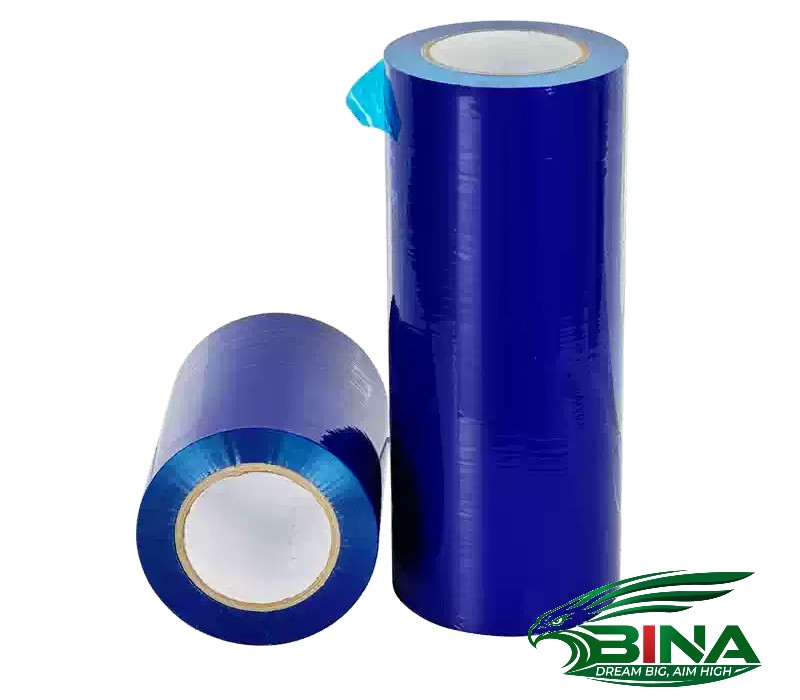
The substrate is the foundation of the protective tape, typically consisting of various types of plastic films. Different levels of elasticity, heat resistance, and transparency are selected based on the application:
- PE (Polyethylene): The most common material, suitable for metal and plastic sheets.
- PVC (Polyvinyl Chloride): Good weather resistance, commonly used in construction materials and for protecting aluminum window surfaces.
- PET/BOPP: Higher strength and scratch resistance, suitable for protective films on electronic products.
 |
2. Core Production Process
The production of surface protection tape mainly includes the following steps:
- Substrate Surface Treatment: The surface of the substrate (such as PE film) is treated by corona discharge to increase the surface tension (typically requiring a dyne value of 46) in order to improve the adhesion of the adhesive and prevent adhesive residue during peeling.
- Adhesive Formulation: Surface protection adhesives generally use acrylic pressure-sensitive adhesives. The formulation is designed with low, medium, and high viscosities according to requirements to ensure that the protective tape can be easily peeled off without leaving residue.
- Coating: The prepared adhesive is evenly coated onto the treated substrate using a coating machine.
- Drying & Curing: The coated tape is fed into a drying oven to evaporate the solvent and cure the adhesive.
- Laminating & Winding: If necessary, a protective layer (film) is added and the tape is wound into the finished product.
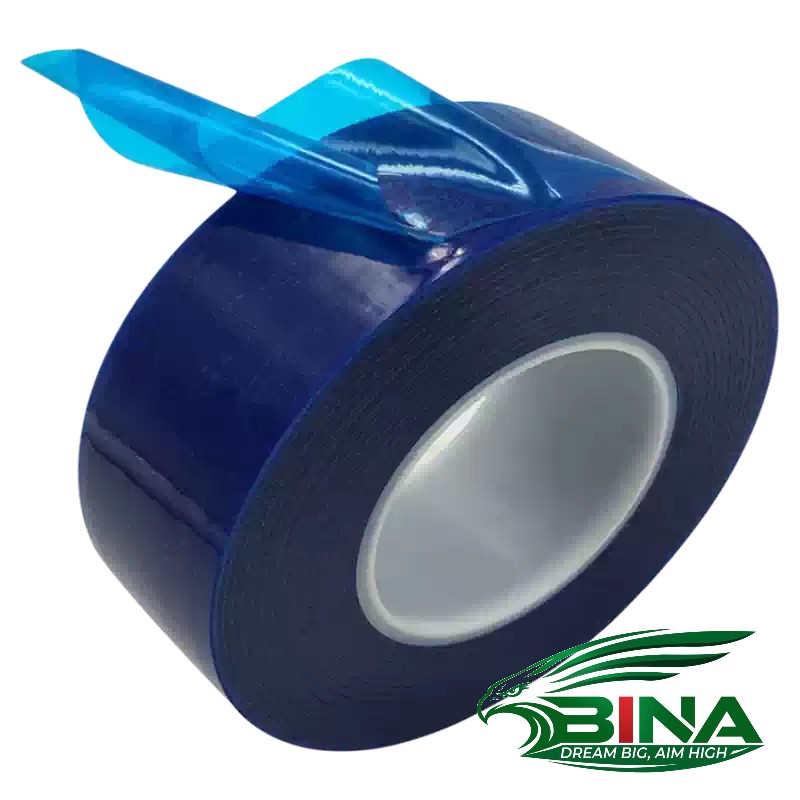
- Slitting: Slitting is carried out according to the width required by the customer.
3. Special Process Factors
- Cleanroom Environment: Optical films or high-end electronic protective films must be produced in a Class 10,000 cleanroom to minimize the risk of microparticles and contamination.
- Viscosity Control: The core technology of surface protection tape lies in “leaving no residue and not damaging the surface after removal”, which requires extremely high stability in viscosity control.
 |
Common Issues in the Production of Surface Protection Tape
When producing surface protection tape (such as PE protective film), common technical and quality issues mainly focus on the adhesive layer, substrate properties, environmental factors, and finished product packaging. The following is a summary of common issues during the production process:
1. Adhesive Performance Issues
- Adhesive residue (Adhesive transfer): This is one of the most serious issues. After the tape is peeled off, adhesive residue remains on the surface of the protected object. This is usually because the cohesive strength of the adhesive is lower than the peel strength, or the adhesive’s bond strength to the substrate is greater than its cohesive strength.
- Insufficient tack/Insufficient peel strength: The tape automatically peels off during transportation or use, failing to effectively protect the product.
- Tack increases over time (Aging failure): After prolonged use, the adhesive force increases too quickly, resulting in difficulty peeling or adhesive residue.
 |
2. Issues with physical phenomena
- Edge curling (Curling): The edges of the adhesive tape curl up after application. This is caused by excessive tension during application, leading to shrinkage after application, which is incompatible with the viscosity of the pressure-sensitive adhesive.
- Bubbles and wrinkles on the surface: Uneven pressure or substrate flatness issues during lamination or laminating machine operation may cause bubbles inside the adhesive tape or external wrinkles.
- Uneven stretching/deformation: Improper tension control during production slitting can cause deformation of the adhesive tape.
3. Production and process control issues
- Uneven coating: Uneven coating of the pressure-sensitive adhesive may result in streaks or spot defects, affecting adhesion.
- Scratches on the protective film/adhesive surface: The film may be mechanically scratched on the production line, creating defects.
Fish eyes/particles: Impurities in the adhesive or bubbles generated during coating may form small particles or hollow spots (fish eyes) on the adhesive surface, affecting surface quality. - Reverse peeling/static electricity: Excessive static electricity in the protective film during production may cause unstable peel force when the adhesive tape is applied to the protective film, resulting in abnormal sounds or peeling.
4. Environmental and storage factors
- Poor weather resistance: Exposure to sunlight and high temperatures causes the adhesive to age and degrade, or the protective film to soften at high temperatures and become brittle at low temperatures.
- Moisture in the adhesive: Improper humidity control in the production environment affects adhesive performance.
Solutions:
Generally, it is necessary to check the type of pressure-sensitive adhesive, adjust the coating pressure and speed, control the temperature and humidity of the production environment, and ensure that the corona treatment of the substrate meets the standards.
 |
Tips for choosing surface protection tape
When choosing surface protection tape (protective film), it is important to match it to the material, surface roughness, processing technology and intended use environment of the object to be protected. Here are some core selection tips:
1. Choose adhesion based on the surface material to be protected.
- Adhesion is the most important indicator of protective tape; the principle to follow is: “The rougher the surface, the higher the required adhesion.”
- Low adhesion: Suitable for smooth surfaces such as glass, acrylic, optical films and mirror-finished metals, avoiding residue.
- Medium adhesion: Suitable for surfaces with medium roughness such as stainless steel, aluminum alloys and plastic sheets (PVC, PET).
- High adhesion: Suitable for rough aluminum, building materials, matte surfaces, carpets and other difficult-to-adhere surfaces.
2. Consider processing technology and environment
- Heat resistance: If heating, welding or high-temperature processing is required, choose a protective film with high heat resistance (such as a silicone coating). In general, PE film tends to harden or leave residue at high temperatures.
- Outdoor use: A protective film with UV resistance must be selected; otherwise, exposure to sunlight will cause the tape to become brittle and leave adhesive residue.
- Physical protection: When protection against scratches and abrasion is required, choose a thicker film (typically 0.1-0.3mm) or fiber-reinforced tape.
 |
3. Pay attention to residue-free properties
High-quality protective film should use pressure-sensitive adhesive with a suitable formulation to ensure that no residue is left after removal.
- Long-term protection: If the protection period is long (several months), choose an adhesive system with aging resistance and a stable molecular structure.
- Short-term protection: PE film is often chosen for repair and construction sites due to its low cost, but it needs to be removed quickly.
4. Key identification techniques
- Light transmittance and color: For optical components, the transparency of the film can be checked with the naked eye. Films with high light transmittance are less prone to optical distortion.
- Self-adhesion test: Apply the film to a small corner of the actual material and peel it off to check the initial adhesion, holding ability, and whether any residue remains.
- Material evaluation: PE film is the most commonly used and environmentally friendly type; if softness and good adhesion are required (for example, on curved surfaces), PVC or washi paper can be selected.
Choose “high adhesion” for rough surfaces, “low adhesion” for smooth surfaces, and “UV resistant” for outdoor use.
In summary, the production of surface protection tape is a technology that perfectly combines the physical properties of the substrate with the chemical properties of the adhesive.
Detailed information about Hadupack we
 |