


PAPER PACKAGING
What is paper packaging?
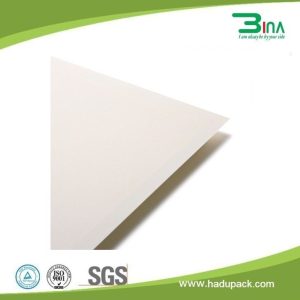
Paper packaging is used as packaging to expand the two items with the same name. Wrapping paper is a type of paper used for packaging. It has high strength, low moisture, low air permeability, non-corrosive properties, a certain degree of water resistance, and an attractive appearance when used. Paper used for food packaging is also required to be hygienic, sterile, and free of contaminating impurities.
 |
☞See more:
Introduction to paper packaging:
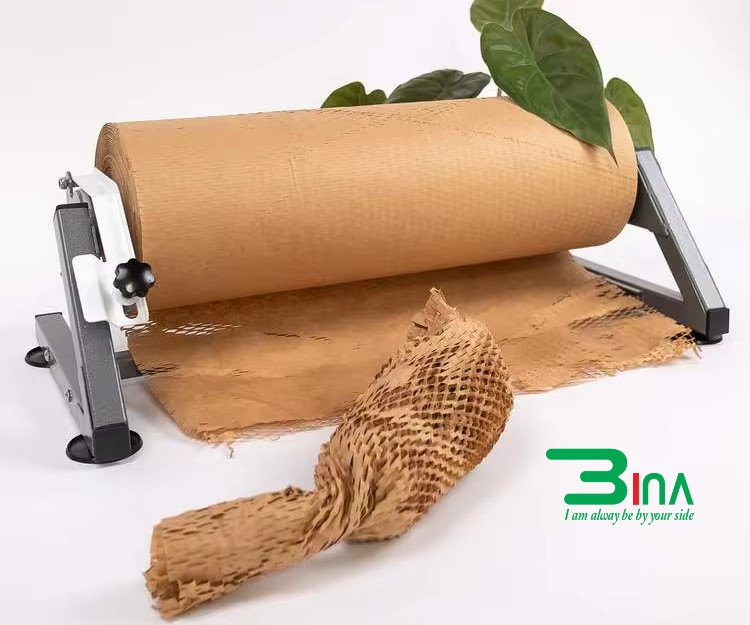
Packaging paper includes kraft paper, chicken skin paper, paper bag paper, parchment paper, cellophane, tar paper, moisture-proof paper, gunpowder packaging paper, neutral packaging paper, translucent paper, rust-proof paper, oil-resistant paper, food packaging paper, paraffin paper, tea bag filter paper, red flash powder paper, vacuum aluminized paper, composite paper,..
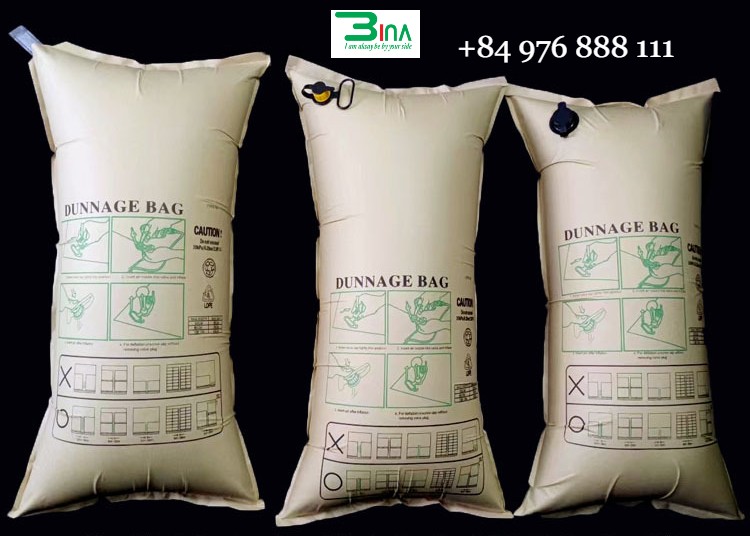 |
Paper used for packaging various types of goods and materials. In general, it has high strength and a certain degree of water resistance. According to the characteristics of the product, packaging paper has corresponding special properties. Among packaging papers, the largest quantity is used to package powdered and granular industrial and agricultural raw materials, such as paper bags for cement, fertilizer, etc., which are usually made from more than 3 to 4 layers of paper and are therefore also called multi-layer paper bag paper to distinguish them from other types of bag paper used to package lightweight, thin items. This type of packaging paper mainly requires high strength, heavy load-bearing capacity, impact resistance, and appropriate air permeability.
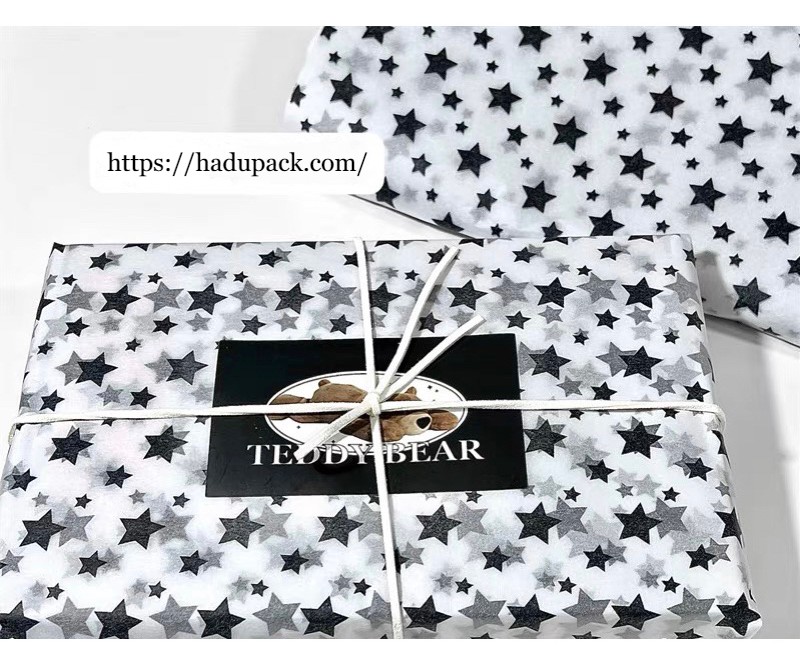 |
Food packaging paper has the greatest diversity and range of specifications. And it is divided into two types: inner packaging and outer packaging. Inner packaging paper that comes into direct contact with food must primarily be clean, free of germs, moisture-resistant, oil-resistant, non-stick, and mold-resistant. Outer wrapping paper is mainly used to beautify and protect goods; in addition to certain physical strength requirements, it must also be clean and attractive, and suitable for printing multicolored product patterns and text. Wrapping paper for liquid beverages such as milk and vegetable juice must also be waterproof.
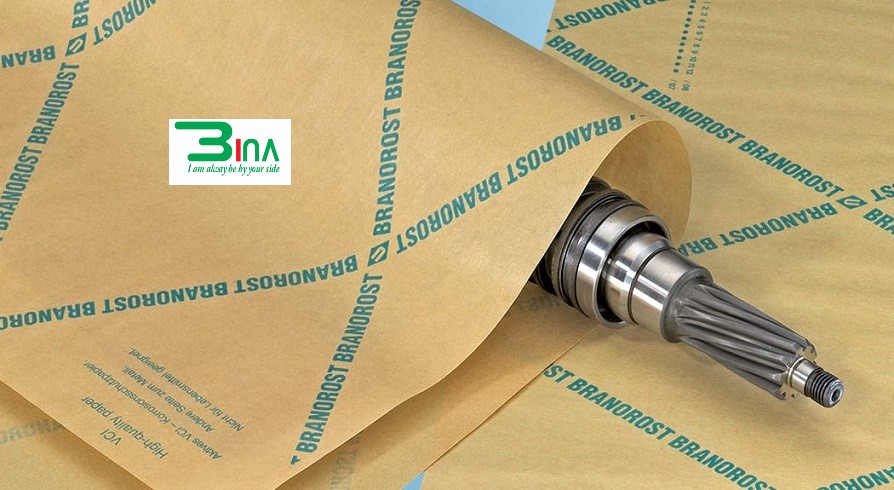
To meet the need for longer preservation and freshness, special flexible packaging paper for beverages, including paper and metal foil, paper, plastic film and metal, has been developed (see food packaging containers). To meet the need for rust prevention of metal tools and utensils, rustproof paper has been developed. Most paperboard is also used for packaging goods, mainly for making paper boxes, cartons, and packaging liners.
 |
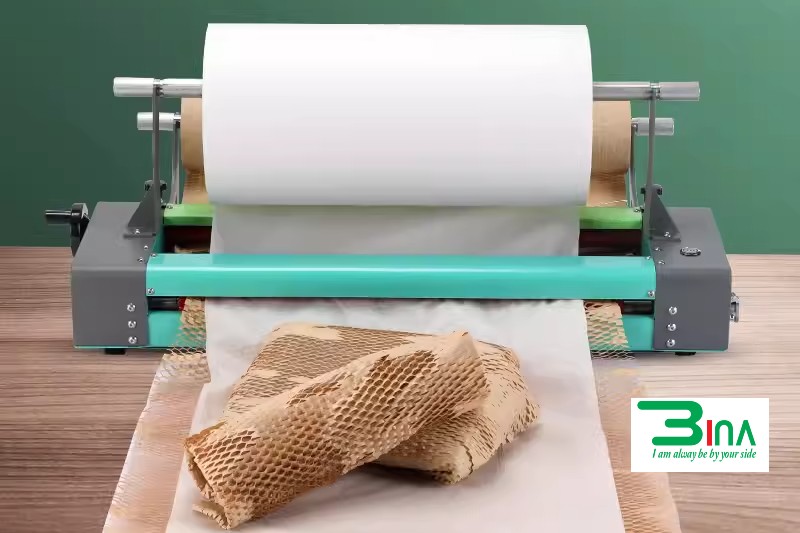
Wrapping paper is a general term for a type of paper used for packaging purposes. It can be divided into ordinary wrapping paper, special wrapping paper, branded wrapping paper, greaseproof wrapping paper and moisture-proof wrapping paper. It generally has high strength and toughness. Different types of wrapping paper have different characteristics and uses. For example, fruit wrapping paper is particularly thin and soft. Photographic protection paper is opaque. Greaseproof wrapping paper (vegetable parchment, etc.) has grease-resistant properties. Moisture-proof packaging paper (asphalt paper, oil paper, aluminum foil, etc.) is moisture-resistant. Branded paper is printed and used as packaging. Ordinary wrapping paper is mainly used for packaging general goods and does not have strict quality requirements.
It can be divided into: ordinary wrapping paper, special wrapping paper, branded wrapping paper, greaseproof paper, moisture-proof paper, etc. Ordinary wrapping paper includes strong paper grades and is used for general packaging, such as kraft paper, chicken paper, etc. Special wrapping paper is named according to its purpose, and its properties also vary, for example, fruit wrapping paper is thin and soft, photographic protection paper is black and opaque, cement bag paper is tough and not easily broken, etc. Branded wrapping paper is printed and used for packaging, such as candy wrapping paper. Greaseproof paper has properties that prevent the penetration of grease, such as vegetable parchment, butter paper, etc. Moisture-proof paper is resistant to moisture, such as tar paper, oil paper, aluminum foil, etc.
 |
Main applications:
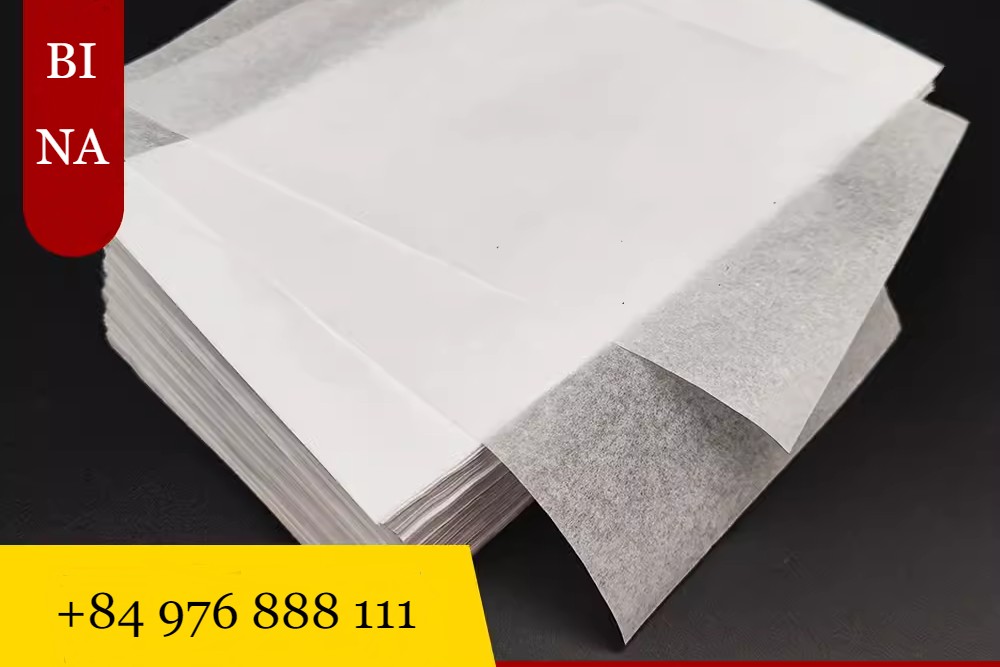
Packaging paper (packaging paper, wrapping paper) is a general term for a type of paper used primarily for packaging purposes. It usually has high strength and toughness, can withstand pressure and folding, and has simpler quality requirements than types of paper such as cultural printing paper. There are many subtypes of paper, each with different characteristics and uses. For example: Paper used for food packaging also requires hygiene, sterility, and the absence of contaminating impurities. The electronics, daily chemicals, food, beverage, and other industries have a large demand for packaging paper.
Main categories:
- According to function, it can be divided into ordinary packaging paper, special packaging paper, food packaging paper, commodity packaging printing paper, etc.
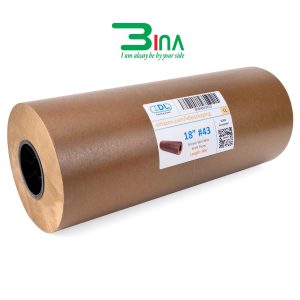
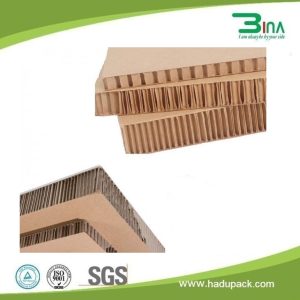
- Paperboard and packaging base paper for ordinary packaging functions are generally made into cartons, partitions, paper bags and boxes, including paper bag paper, kraft paper, chicken parchment paper, striped kraft paper, kraft paper, liner paper, paperboard, corrugated paper, honeycomb cardboard, etc.
- Wrapping paper with special functions for various environments includes greaseproof wrapping paper, moisture-proof wrapping paper, rust-proof paper, etc.
- Wrapping paper used for “packaging” in food, beverages and other fields, including food parchment paper, candy packaging base paper, etc.
- Paperboard with liner, core and surface layers containing fillers and adhesives is printed with trademarks and then made into packaging paper such as cartons. There are whiteboard paper, white cardboard, etc.
Showing all 15 results



Sản Phẩm Mới

Tin Tức
 Temperature Warning LabelWednesday July 29th, 2026
 Moisture indicator stripThursday July 23rd, 2026
 Mold-resistant PE sheetThursday July 23rd, 2026
 LDPE mold-resistant sheetThursday July 23rd, 2026
 What is fabric interfacing?Wednesday July 22nd, 2026
 White plastic slip sheetSaturday July 18th, 2026
 HDPE plastic slip sheetSaturday July 18th, 2026
 VCI anti-rust powderSaturday July 18th, 2026
 3M sandpaperWednesday April 15th, 2026
 Solder – Solder wire – Solder bar – Solder pasteTuesday April 14th, 2026

