

Description
What Is Water Bottle Label Printing?
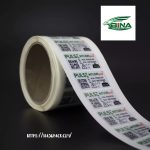
Bottle label printing is the process of printing brand logos, product information, decorative patterns, and barcodes onto various materials (such as self-adhesive labels, plastic films, and paper) using printing technology. These printed labels are then applied or wrapped around the outer surfaces of different types of bottles, including beverage bottles, cosmetic bottles, and liquor bottles.
This process helps improve the water resistance, heat resistance, moisture resistance, and aesthetic appeal of product packaging. It is also suitable for automated labeling systems and is widely used in the food, beverage, and daily-use chemical industries.
 |
◆Learn More:
- https://hadupack.com/san-pham/nhan-mac-dau-nhot/
- https://hadupack.com/san-pham/tem-nhan-chai-lo/
- https://hadupack.com/san-pham/nhan-mac-thuoc-bao-ve-thuc-vat/
Key Aspects of Water Bottle Label Printing:
- 1. Materials: Commonly used materials include transparent PVC/PE/BOPP/PET films, white PP/PE/PET films, and synthetic paper (such as pearlized paper).
- 2. Printing Methods: These include gravure printing, letterpress printing, offset printing, screen printing, and combinations of various printing techniques.
- 3. Features: Waterproof, oil-resistant, vibrant colors, sharp and clear patterns, strong adhesion, resistance to peeling, and suitability for bottles with complex shapes.
- 4. Applications: Widely used for mineral water bottles, beverage bottles, food packaging, pharmaceutical bottles, detergent bottles, and other applications. Common label types include self-adhesive labels and heat-shrink sleeve labels (shrink sleeves).
 |
Printing Process and Advantages:
The general bottle label printing process includes the following steps:
- Layout Design and Plate Making: Designing the label layout and preparing printing plates.
- Printing: Using printing techniques such as letterpress printing, gravure printing, and other methods.
- Die Cutting: Cutting printed labels into the required shapes and sizes.
- Waste Removal: Removing excess material from the die-cut labels.
- Slitting and Rewinding: Slitting the printed material and rewinding it into rolls.
- Automatic Labeling: Applying labels to bottles using automated labeling machines.
Main Advantages:
The main advantage is the use of high-speed automatic labeling machines to replace manual labor, significantly improving production efficiency and reducing operating costs. In addition, this process enhances the visual appeal of product packaging, improves brand recognition, and ensures consistent labeling quality.
 |
Classification of Water Bottle Labels
Water bottle labels are mainly classified according to their materials (such as PET, PVC, BOPP, and paper) and application methods (such as heat-shrink labeling, self-adhesive labeling, and glue-applied labeling).
Waterproof, printable film labels, particularly heat-shrink sleeve labels, are commonly used on mineral water and beverage bottles. These labels are often made from materials different from those of the bottle itself and are typically classified as “dry waste” or “other waste” under certain waste sorting systems. Therefore, they should be separated from the bottles before recycling.
The specific classifications are as follows:
1. Classification by Material
- 1. Heat-Shrink Sleeve Labels (BOPP/PVC/PET/PETG): These labels are widely used in beverage packaging. They shrink tightly around the bottle when heated, allowing full-body, 360-degree printing and creating an attractive, sophisticated appearance.
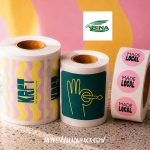
- 2. Self-Adhesive Film Labels: Made from transparent PET, PE, or PP films, as well as matte or glossy gold and silver polyester films. These labels offer excellent transparency or metallic finishes and feature an adhesive backing for easy application.
- 3. Waterproof Synthetic Paper Labels: Made from synthetic materials that combine the printability of paper with the waterproof properties of plastic. Common examples include pearlized paper and high-strength synthetic paper.
- 4. Laser-Engraved and Metallized Paper Labels: These labels feature high-gloss surfaces and reflective effects, enhancing the premium appearance and perceived value of the product packaging.
 |
2. Classification by Labeling Method
- 1. Shrink Sleeve Labels: These labels are placed over the bottles and then heated to shrink tightly around the bottle surface.
- 2. Wrap-Around Labels: These labels are wrapped around the bottles and secured with adhesive at both ends.
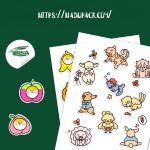
- 3. Self-Adhesive Labels: These labels are peeled off their backing material and applied directly to the bottle surface.
3. Waste Sorting and Recycling Recommendations
- 1. Bottle Caps (PE): Recyclable waste.
- 2. Bottle Bodies (PET): Recyclable waste.
- 3. Bottle Labels (PVC/PET/Synthetic Materials): Generally classified as dry waste or other waste, depending on local waste sorting regulations and recycling capabilities. Since these labels are often made from materials that are incompatible with the PET bottle recycling and melting process, they should be removed from the bottles before recycling to improve recycling efficiency and material quality.
 |
Important Considerations When Using Water Bottle Labels
When printing water bottle labels, it is essential to consider water resistance, adhesive strength, and label dimensions. Waterproof PET self-adhesive label material is recommended. The label length should be less than half the circumference of the bottle to prevent overlapping or wrinkling.
For home printing, a protective laminate can be applied to improve label durability, while industrial applications typically use UV inkjet printing or thermal printing technologies for fast, high-volume production.
The following are the key considerations for label printing and application:
 |
1. Material Selection and Water Resistance
- 1. Waterproof Self-Adhesive Labels (Vinyl/Polyester): Water bottles often contain ice or cold water, which causes condensation on their surfaces. Ordinary paper labels may peel off, and the printed text may become smudged. Therefore, waterproof matte or glossy plastic-based self-adhesive labels (PET/PP) should be used.
- 2. Lamination Technology: After printing, a transparent protective film is applied to the label surface to prevent ink smudging and provide additional water resistance and scratch protection.
2. Label Design and Size Planning
- 1. Measuring Bottle Dimensions: Measure the circumference of the area where the label will be applied.
- 2. Size Limitations: The label length should generally not exceed half the circumference of the bottle, and its width should fit within the bottle’s flat labeling area to prevent wrinkles during application.
- 3. Variable Data Printing: For batch printing labels with different information, professional barcode printing software can be used to design and print serial numbers, QR codes, and other variable data.
 |
3. Printing Methods
- 1. Home/Office Printing: Use laser or inkjet printers to print on waterproof label materials, such as white or transparent vinyl label paper.
- 2. Professional/Commercial Printing: Use UV rotary bottle printers or digital printing machines for direct printing on bottles. These methods are suitable for personalized customization and printing on cylindrical surfaces.
4. Label Application Techniques
- 1. Bottle Surface Cleaning: Ensure that the bottle surface is dry, clean, and free from grease or oil before applying the label to achieve strong adhesion.
- 2. Horizontal Label Application: First, position and secure the center of the label, then press outward toward both edges to ensure a smooth, wrinkle-free application.
5. Environmental Protection and Compliance
- 1. Shrink Sleeve Labels: For commercial production, non-shrink labels can also be used to accommodate subsequent packaging processes.
- 2. Environmental Requirements: Recyclable materials are recommended for label printing to reduce environmental impact and promote sustainable packaging practices.