

What does FSC certification mean?
The Forest Stewardship Council (FSC) certifies forests to ensure that they are managed responsibly and meet the highest environmental and social standards.
 |
According to FSC: FSC-certified forests must be managed according to the highest standards of environmental, social and economic responsibility. Harvested trees will be replanted or allowed to regenerate naturally. Forests must be managed with due respect for the environment, wildlife and the people who live and work in the forest. This is what makes the FSC system unique and ensures that a forest is well managed, from protecting the rights of Indigenous peoples to logging practices. FSC is the only forest certification program endorsed by WWF and Woodland Trust.
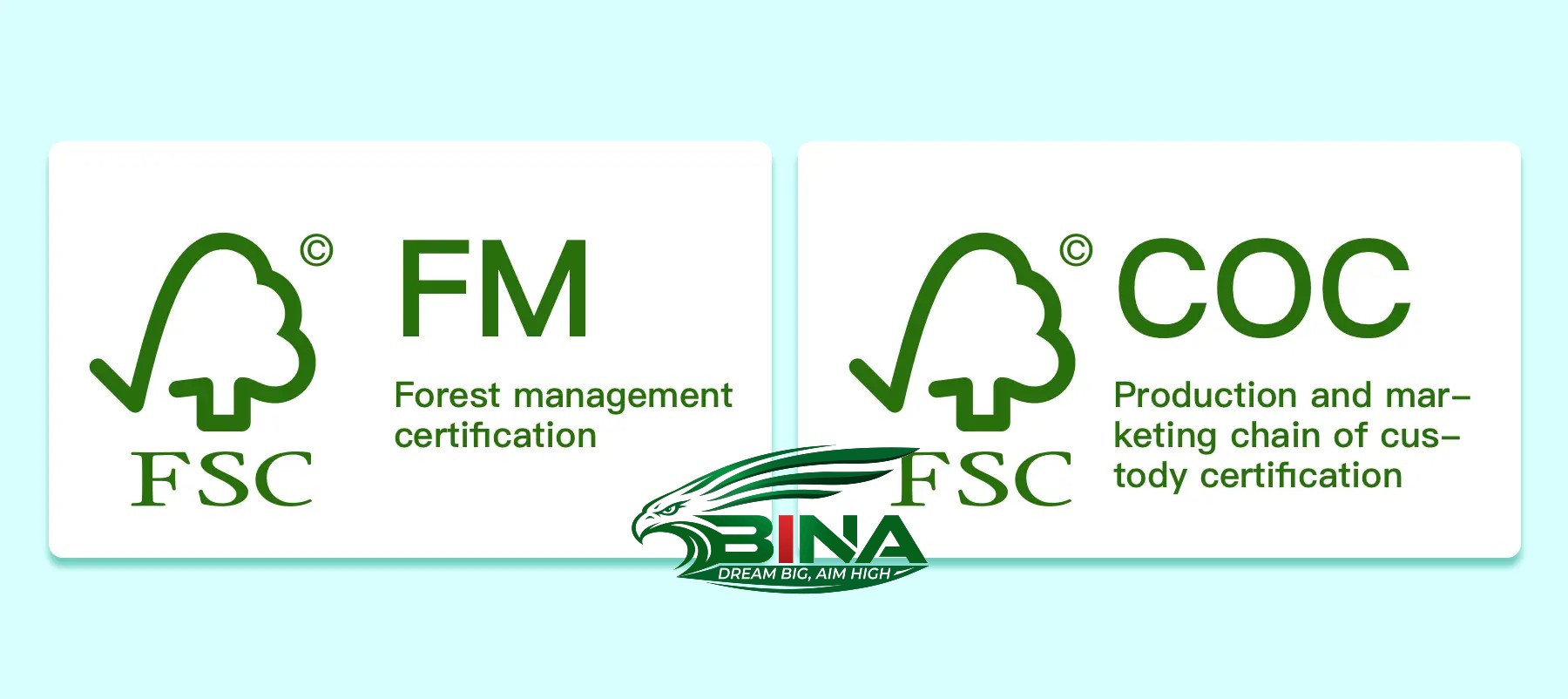
FSC helps certify products through independent auditors and the chain of custody (CoC). As a global certification organization, FSC is constantly testing new ways to make the labeling system more accessible to everyone and especially to the most responsible global retailers, ensuring they can achieve environmental consistency throughout their supply chains.
In line with this, FSC is doing more than creating and implementing a framework for forest excellence. The organization is also developing new national standards in parts of the world that are newly adopting the FSC system and seeking to track the adoption of FSC products, most recently by testing the use of blockchain to track transactions.
 |
◆Learn more:
- https://hadupack.com/chung-nhan-rohs/
- https://hadupack.com/thiec-han/
- https://hadupack.com/giay-nham-3m/
Why is FSC certification important?
If you asked a passerby about FSC five years ago, chances are they would not have heard of it. Today, consumers are increasingly aware of environmental certifications and regularly demand that companies take responsibility by purchasing only from certified suppliers.
Conscious customers (including most of the population) understand the importance of forests, from their role in providing valuable outdoor spaces to being home to many Indigenous people and animals. In a more conceptual sense, forests are our collective refuge and the best defense against climate change. Therefore, the average shopper opposes deforestation, is passionate about protecting rare species and is immediately drawn to the FSC label.
If you are a global brand in today’s commercial landscape, FSC-certified sourcing is a given, with pioneers such as ready-to-wear clothing brand Sézane and premium toilet paper supplier Andrex proving that a global supply of FSC-certified products, whether fashion or other fiber-based goods, is feasible.
 |
Global retailers support FSC
FSC’s Chain of Custody (CoC) includes more than 50,000 companies worldwide, including many market leaders in fashion and textiles.
Gucci, Burberry and even Disney are committed to using certified materials. Burberry uses certified virgin pulp to make luxury paper packaging, Gucci uses FSC materials on all packaging and hangtags under its sustainability plan, and Disney is committed to using only FSC-certified labels on products for which it has direct control over the manufacturing process.
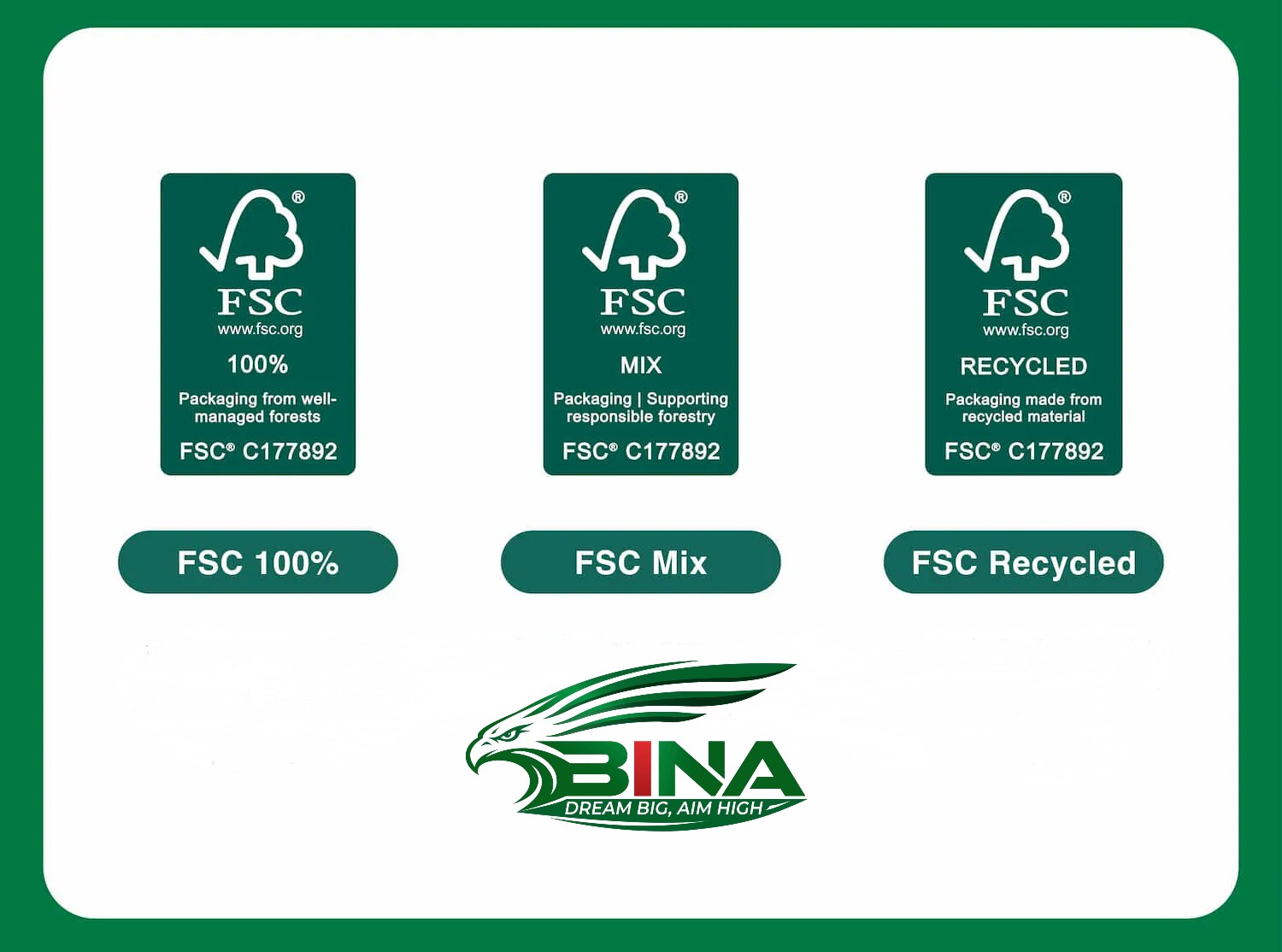
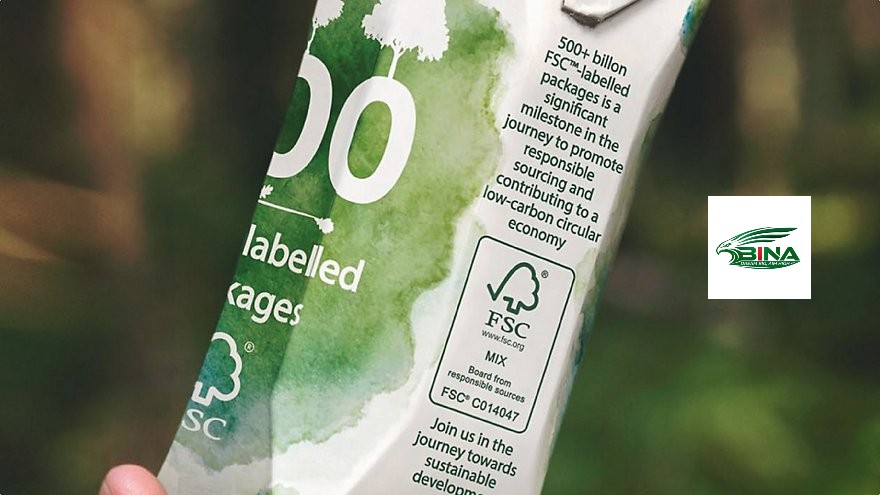
It is clear how many brands are starting to use FSC-certified materials simply by looking at how prominently the tree label is displayed. Whether it is a label displaying the FSC 100% recycled label, the mixed version or the recycled option.
 |
Commitment to selling FSC-certified goods
Whether your operations span multiple countries within the same continent or are global, selling only FSC-certified goods is entirely achievable.
In fact, there are no obvious drawbacks to fully adopting FSC, as this journey can lead you to a more transparent supply chain. Instead of dividing suppliers by geographic region, a national supplier will make your production more consistent, not to mention more environmentally friendly.
Branding experts focused on sustainability can help you navigate today’s complex global production network and immediately connect you with local manufacturers who share the same values.
If you are still unsure about all of your material sources, now is the time to make a change. Think about your supply chain from a sustainability perspective.