




Description
Things to know about PET plastic film
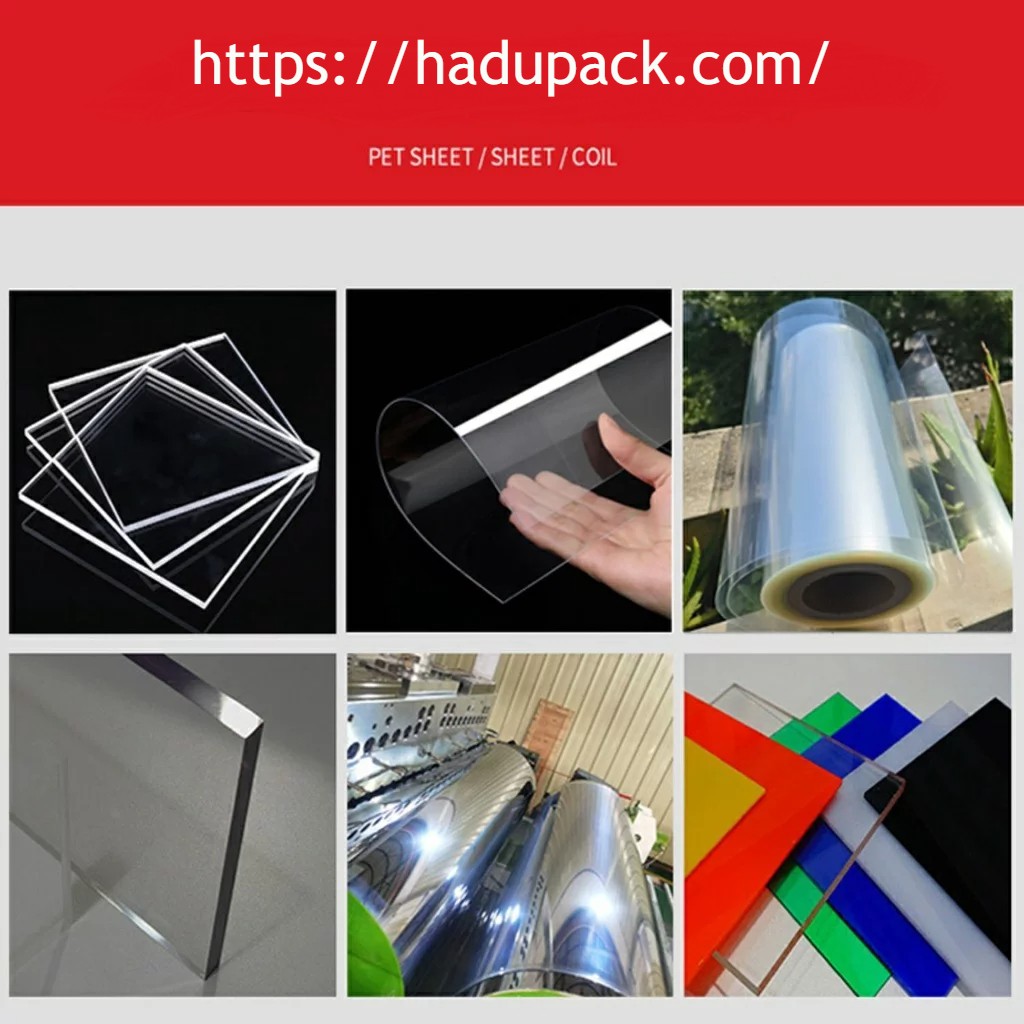
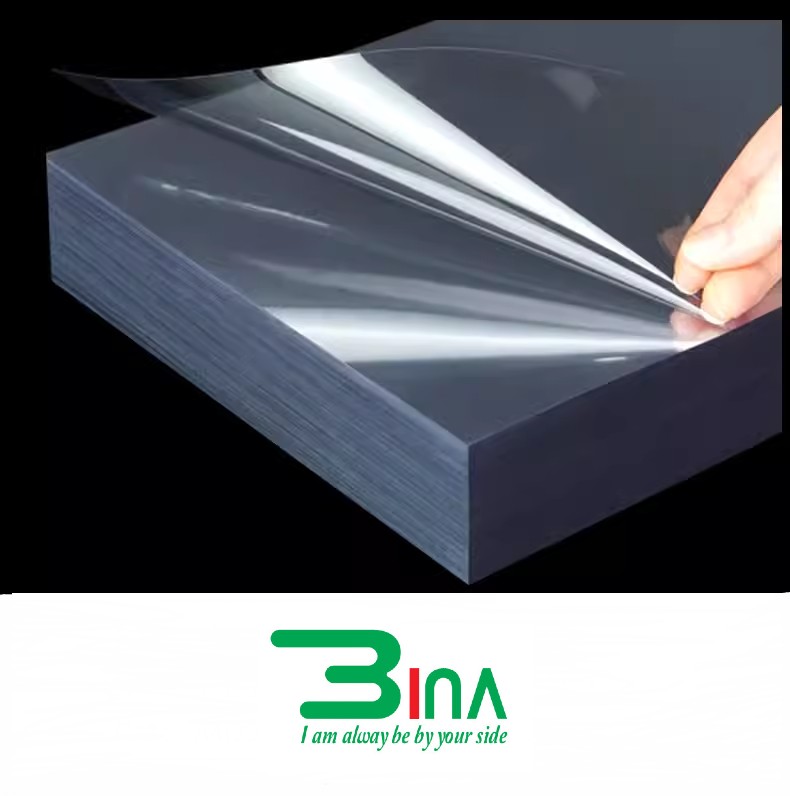
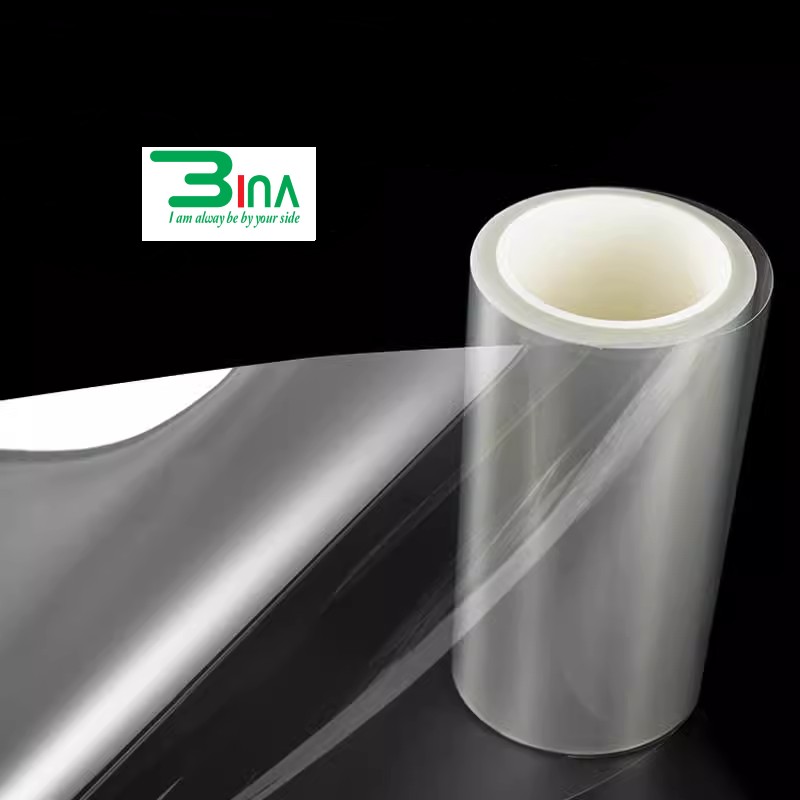
When it comes to flexible packaging films, there are many options to choose from. But there is one type of film that is often a top choice because of its versatility and high-performance properties PET plastic packaging film.
 |
 |
◆Learn more:
- https://hadupack.com/san-pham/mang-pa/
- https://hadupack.com/san-pham/mang-co-pof/
- https://hadupack.com/san-pham/tui-nhua-cpe/
What is Polyester Film?
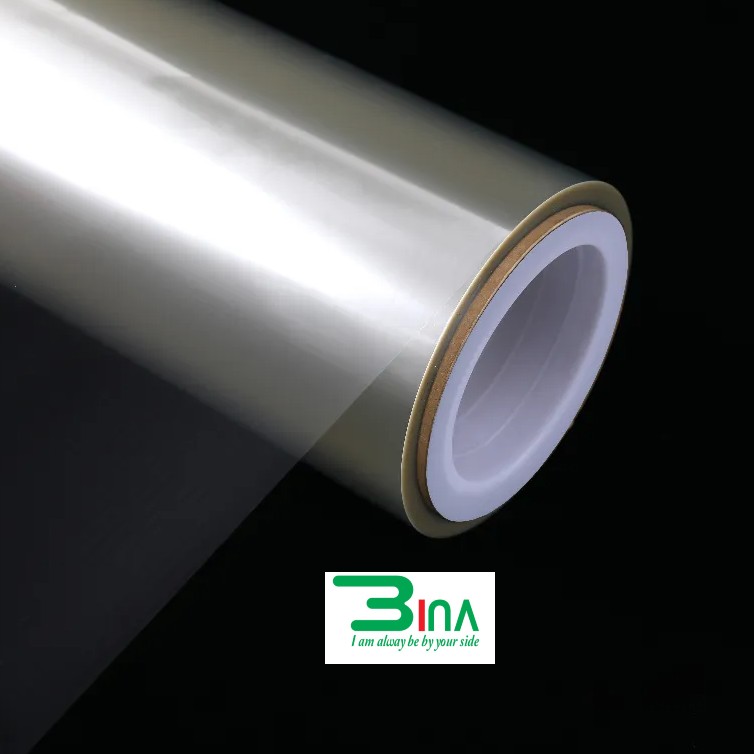
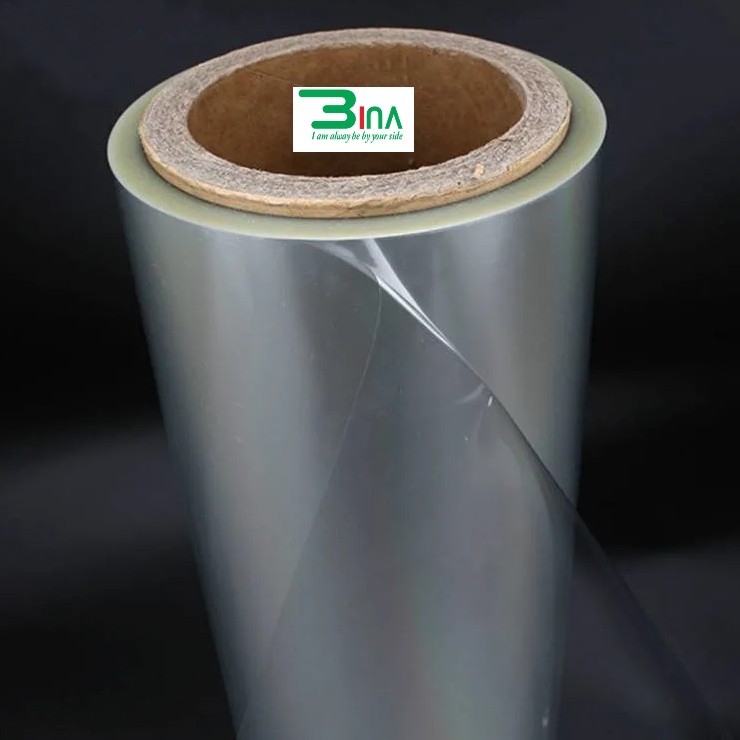
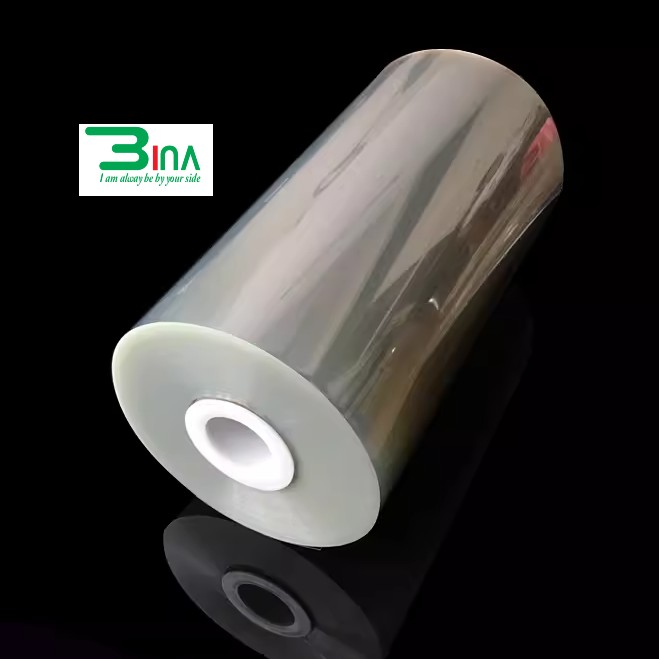
PET stands for Polyethylene Terephthalate. It is commonly referred to as Polyester, but in the world of flexible packaging, it is better known as PET. PET is a type of film made from thermoplastic, which means it can be shaped and processed in various ways when a specific heat source is applied to it. It is also one of the most environmentally friendly thermoplastics on the market.
 |
 |
 |
 |
The Development of PET Polyester Film
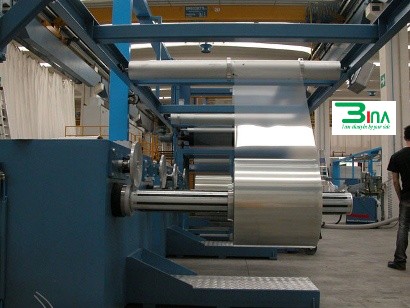
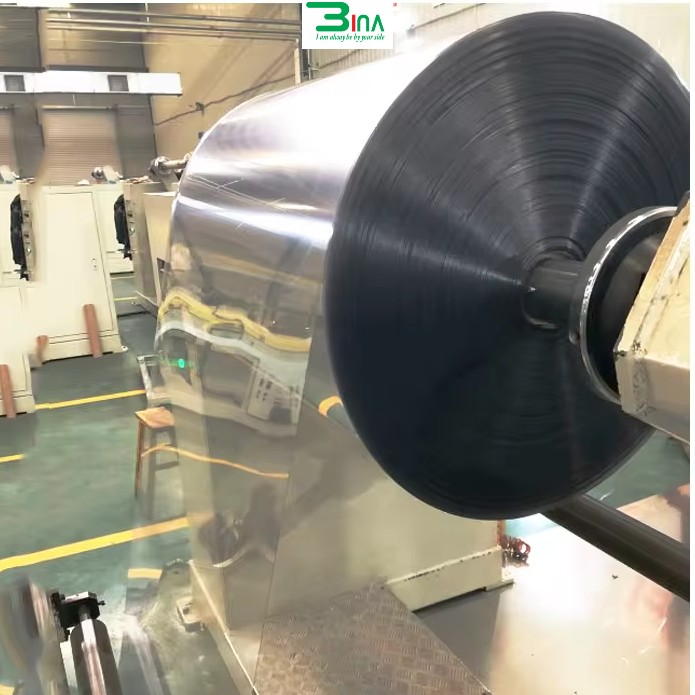
Polyester film has been around for many decades. It was invented by the American fiber manufacturer DuPont in the 1950s, under the name Dacron®. Over the following years, the use of cellophane in various applications soon declined as transparent polyester film became popular for its strength, insulating properties, and resistance to chemicals and heat. Within two decades of its introduction, the film had become one of the best all-purpose plastic films available today.
 |
 |
PET plastic film production process
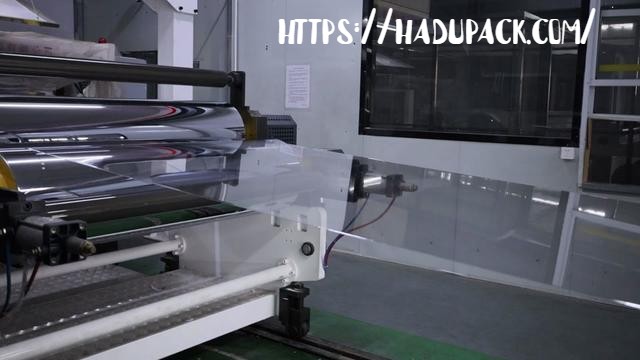
The PET plastic film (polyester film) production process mainly includes raw material drying, melt extrusion, die casting, longitudinal/transverse stretching, forming and winding. The core is the biaxially oriented PET (BOPET) process, which involves stretching PET sheets in the longitudinal and transverse directions at high temperatures to improve mechanical strength, transparency and gas barrier properties. The production process includes:
Detailed production process and key technologies:
Raw material preparation (Drying):
PET is highly sensitive to moisture and needs to be dried in a drying tower. The moisture content is generally required to be below 50 ppm to prevent molecular weight reduction due to hydrolysis during high-temperature extrusion, which would affect the physical properties of the film.
Extrusion and casting (Casting):
- Principle: The dried PET pellets are melted in a screw extruder and filtered to remove impurities.
- Steps: The melt is extruded through a T-die to form a uniform melt stream, then cooled and formed on a rapidly cooled casting roller (chill drum) to form an amorphous sheet with a thickness of approximately 1 mm-2 mm. This process requires precise control of the chill drum temperature.
 |
Biaxial stretching (BOPET Process)
- Machine Direction Orientation (MDO): The film sheet is stretched longitudinally at a temperature above the glass transition temperature (typically above 100°C) using multiple preheated rollers rotating at different speeds, causing the PET molecular chains to align longitudinally. This step can achieve a stretch ratio of 3-4 times.
- Transverse Direction Orientation (TDO): After longitudinal stretching, the film enters a tenter frame and is stretched transversely (typically 3-5 times) through a gradually expanding rail. The temperature is usually higher than that used for longitudinal stretching, causing the molecular chains to also align transversely.
Heat setting and cooling & winding:
- Heat setting: The film is heat-treated in the high-temperature zone behind the tenter frame to fix the oriented molecular chains, significantly reducing the film’s thermal shrinkage rate.
- Cooling & Winding: After the film is cooled to room temperature with cold air, it undergoes edge trimming and corona treatment (to increase surface tension for better printing) before being wound.
Key processing characteristics of PET film:
- Superior performance: Through the stretching process, PET film has high strength, good transparency, and good resistance to gas and water vapor permeation, making it one of the films with the best physical properties among many plastics.
- Wide range of applications: Suitable for the packaging industry (food, pharmaceuticals), electronic insulation, printing, and composite substrates.
- Other methods: In addition to biaxial stretching, PET can also be produced by casting (such as PET-G, mainly used for blister packaging) or blow molding, but its strength and transparency are lower than those of BOPET.
 |
Properties of PET Film
So how has PET film become one of the best versatile plastic films? Compared with other conventional films in this category, PET film offers more benefits thanks to the following properties of polyester film:
- Higher tensile strength
- Non-reactive with most chemicals
- Excellent dimensional stability
- Excellent electrical properties
- Good thermal stability over a wide temperature range
- Low moisture absorption
- Superior UV resistance
- Good optical clarity
- Recyclable
- Good adhesion to metals, adhesives, and many types of inks
There are several types of PET film that meet a wide range of packaging applications.
In addition, there are many types of PET film that comply with FDA and USDA regulations. Common applications that may require FDA or USDA compliance include packaging for the food and beverage industry and the medical/healthcare sector, where sterilized packaging is required for products such as face shields or surgical instruments and other medical devices.
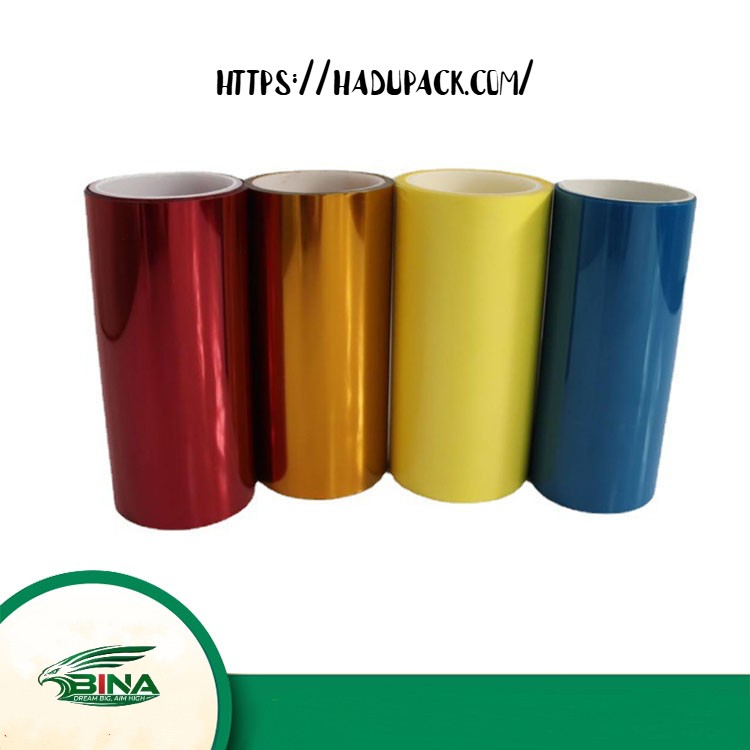
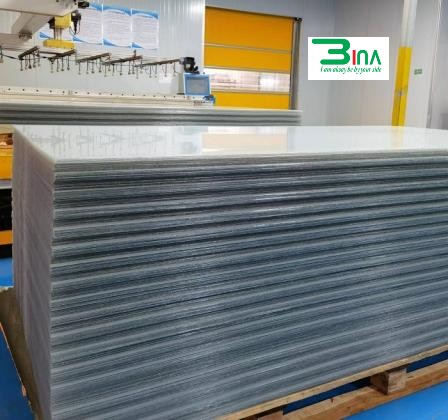
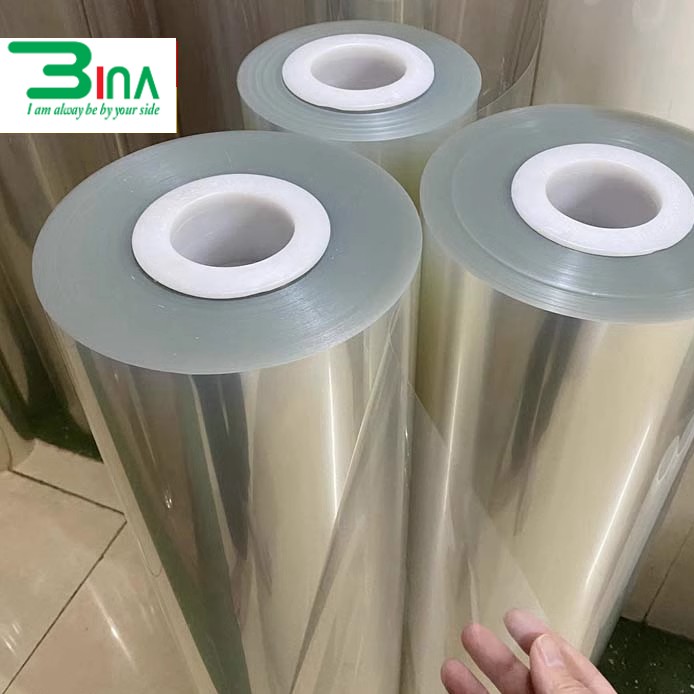
We have an extensive inventory of plain, treated, heat-sealable, metallized, and coated polyester films available in a variety of thicknesses, widths, and properties, and in roll and sheet forms. Our film types include:
- Clear
- Corona Treated
- Chemically Treated
- One-Side Treated
- Matte
- Metallized
 |
 |
What is the difference between PET and HDPE packaging?
High-density polyethylene, also known as HDPE, is another popular packaging solution used in the food and beverage industry among other industries. Like PET, it is lightweight and impact-resistant but has a few key differences between the two.
- Opacity: Perhaps the biggest difference between HDPE and PET is that PET is usually transparent/clear, while HDPE is translucent. You can see the inside of the packaging up close, but from a greater distance, the packaging appears opaque.
- Temperature: Both HDPE and PET are heat-resistant, but HDPE has a higher melting point (160°F). HDPE can also withstand cold better, down to -50°F, compared to PET, which can withstand temperatures down to -40°F.
- Flexibility: PET is durable but still retains flexibility. HDPE is at the other end of the spectrum. It is durable but extremely rigid and difficult to crack.
So which packaging option is best? It all depends on your application needs. PET may be a better choice for food and beverage packaging, while HDPE is a better choice for heavier packaging and shipping needs.
 |
 |
Common PET Film Applications
As mentioned earlier, the food and beverage industry is a major user of PET film because of its food-safe properties. But many other industries also rely on PET film. Here are just a few examples:
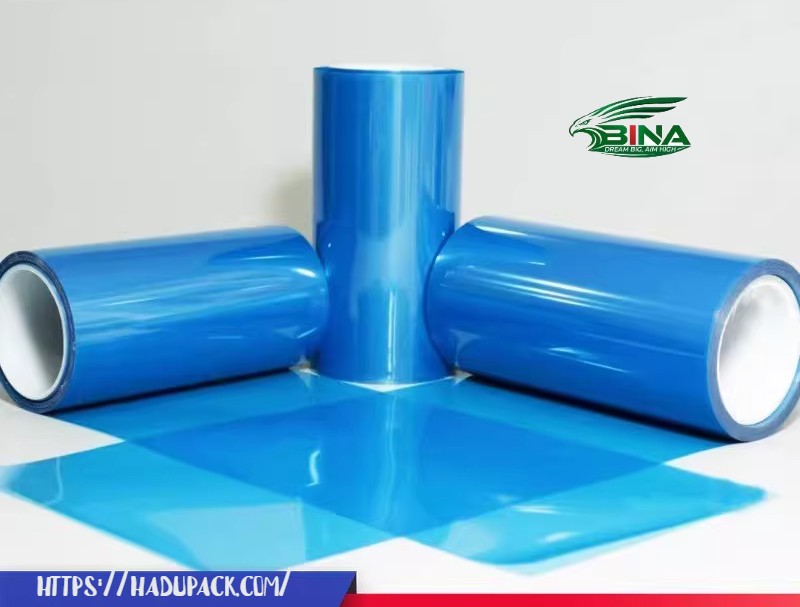
- Medical and healthcare packaging
- Surface protection for windows, screens, and merchandise displays
- Pressure-sensitive labels and tags
- Thermoforming
- Wire and cable insulation
- Electrical components
 |
How to Store PET Plastic Film
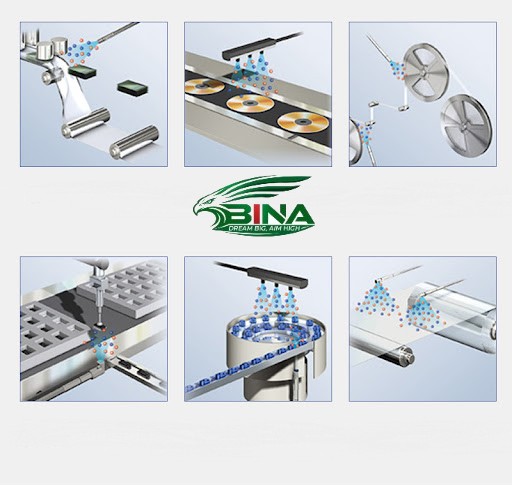
The key to storing PET plastic film is to maintain a stable temperature (15℃-25℃), moderate humidity (40%-60%), avoid light exposure, and prevent deformation caused by pressure. It should be stored in a clean, well-ventilated warehouse, away from direct sunlight and acidic or alkaline environments. Flat film should be stored in its original packaging to extend its physical properties and the service life of the adhesive layer. Detailed storage guidelines:
Suitable environment:
- Temperature: The temperature should be maintained between 18℃ and 23℃. Prolonged exposure to temperatures above 28℃ may cause aging of the adhesive layer and oxidation of the metal layer.
- Humidity: Control at 45% to 60%. Excessively low humidity (<40%) will make the film brittle and warped, while excessively high humidity (>65%) will cause the adhesive layer to hydrolyze and deteriorate.
- Space arrangement: Direct sunlight should be avoided and the film should be stored in a dark place to prevent fading of the dye layer.
- Storage method: Horizontal placement: Film rolls should be stored horizontally, preferably with both ends secured to prevent bottom deformation caused by long-term vertical storage.
- Packaging: Use the original packaging to protect against dust and moisture, and keep away from corrosive gases.
- Shelf life management: Follow the “first in, first out” principle. Ordinary PET film and film products (such as automotive window films) can be stored for 36 months under proper conditions, but if temperature and humidity exceed the allowable levels, the shelf life may be reduced to 18-24 months.
- Special note: Avoid storing in environments above 70℃ to prevent deformation of the PET material.
 |
Tips for choosing PET plastic film
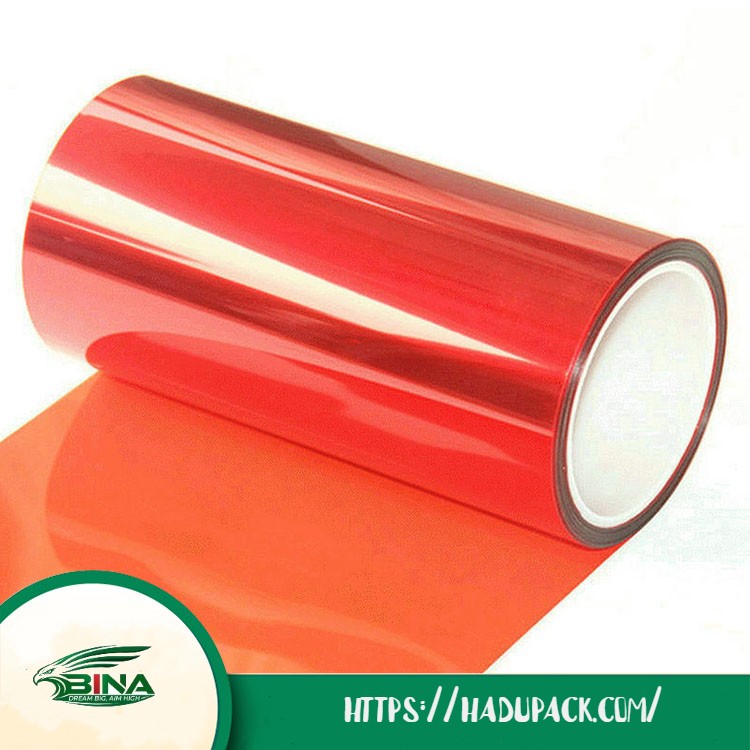
When choosing PET plastic film (polyester film), key factors to consider include thickness (0.05-0.5mm), surface treatment (glossy/matte/frosted), heat resistance, optical transparency, and tensile strength. High transparency, toughness, and high heat resistance (up to 150 degrees C) are core advantages, making it suitable for protecting electronic devices, packaging, and use as a substrate. When purchasing, confirm the application scenario, the required level of environmental protection (food-grade/medical-grade/industrial-grade), and the thermal shrinkage rate to match the processing technology.
 |
I. Key factors in selecting PET plastic film
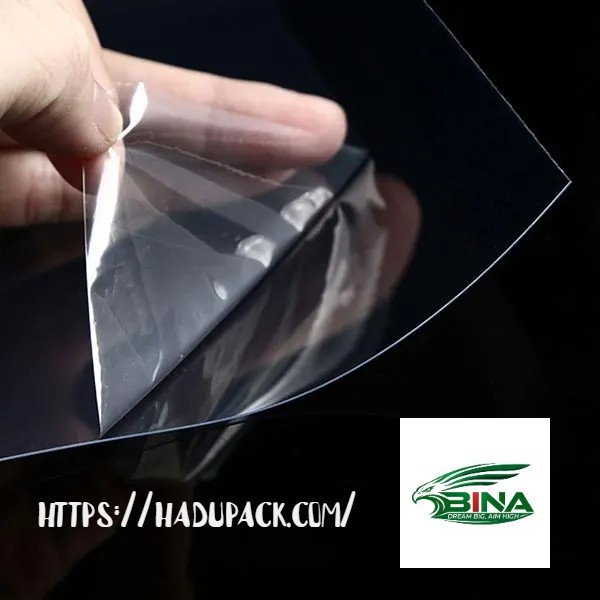
Thickness and rigidity: PET film is generally quite rigid; the thicker the film, the better the rigidity and the higher the tensile strength. Typical film thickness ranges from 0.05mm – 0.5mm, selected based on the required structural strength.
Surface treatment:
- Glossy: High transparency, used to protect display screens and composite materials.
- Matte/Non-glossy: Anti-glare, fingerprint-resistant, used for matte protective films.
Thermal shrinkage rate: Needs to be selected based on the processing technology. For hot pressing and lamination, choose a film with low shrinkage to avoid warping and wrinkling.
Characteristics and performance:
- Heat resistance: Ordinary PET generally has a heat resistance of over 120 degrees C to 150 degrees C, and some types can be used for extended periods.
- Transparency: Extremely high, suitable for display mirrors.
- Environmental rating: Divided into industrial grade, medical grade, and food grade; this needs to be confirmed when purchasing.
- Unlike PE/PVC: Compared with the softness and slight opacity of PE film, PET has a harder surface and better transparency. It also has better tensile strength and heat resistance than PVC.
 |
II. Typical Applications of PET Plastic Film
- Protective film: Scratch-resistant protective layers for mobile phones, tablets, and LCD screens (typically using PET with high transparency).
- Electronics industry: Flexible printed circuits (FPC), electronic insulating films, motor coil materials.
- Packaging: Transparent packaging boxes, food packaging, high-end composite packaging substrates.
- Coating and printing: Due to its high surface energy, it is commonly used in release films, printing films, and synthetic paper substrates.
III. Recommendations for Purchasing and Sourcing
- Determine specifications: Prepare a list of technical requirements, including film thickness (micrometers/cm²), width, heat shrinkage rate, and light transmittance.
- Sample testing: Before placing a large-volume order, it is recommended to request samples from suppliers to test heat resistance, tensile strength, and shrinkage after lamination.
- Confirm specification grade: Industrial, food, and medical standards differ. Confirm environmental and safety certifications (such as RoHS and FDA) based on the product’s final destination.
- Supplier selection: Choose professional functional film manufacturers capable of providing high-precision casting and coating processes to ensure optical performance and dimensional stability.








Reviews
There are no reviews yet.