

Description
What is polypropylene strapping?
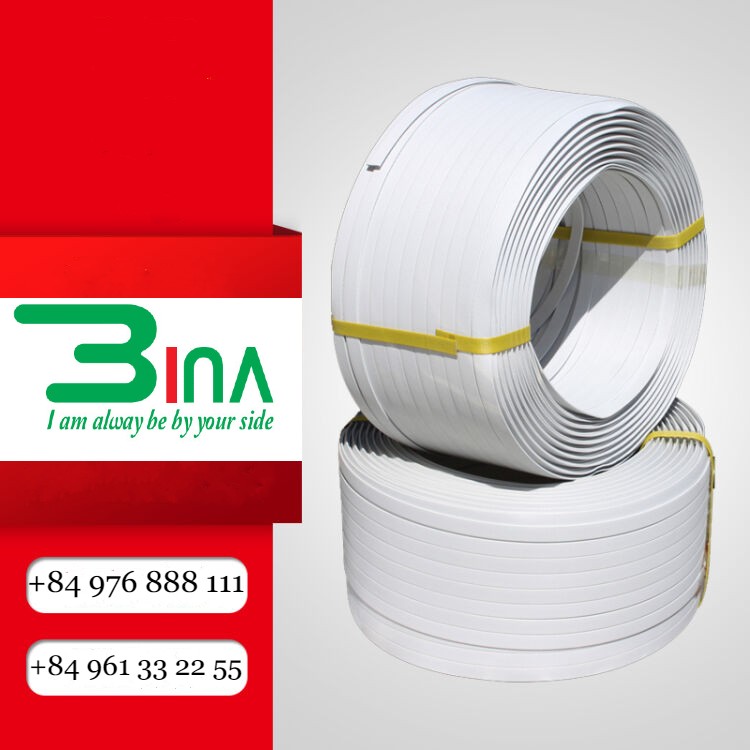
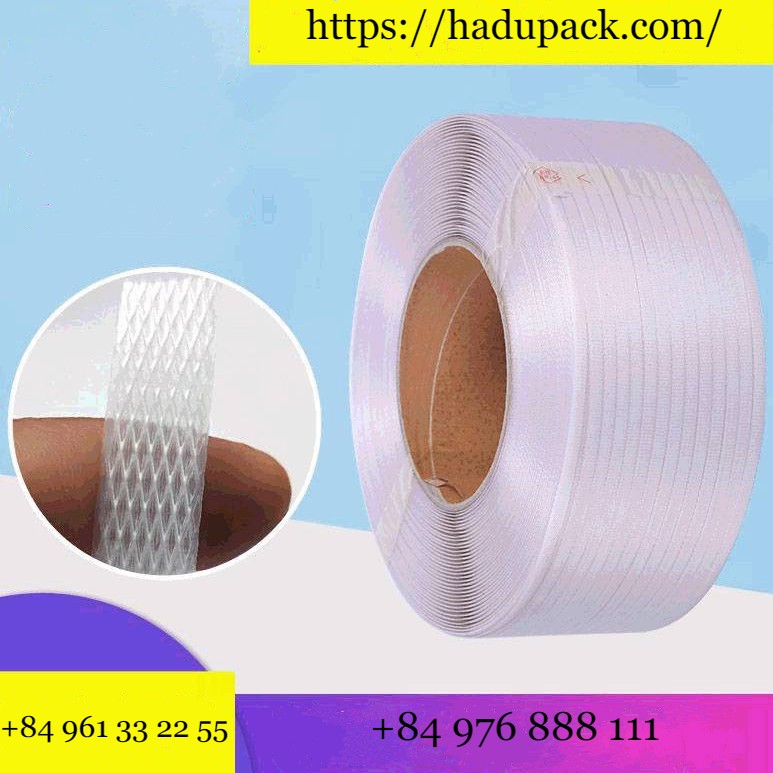
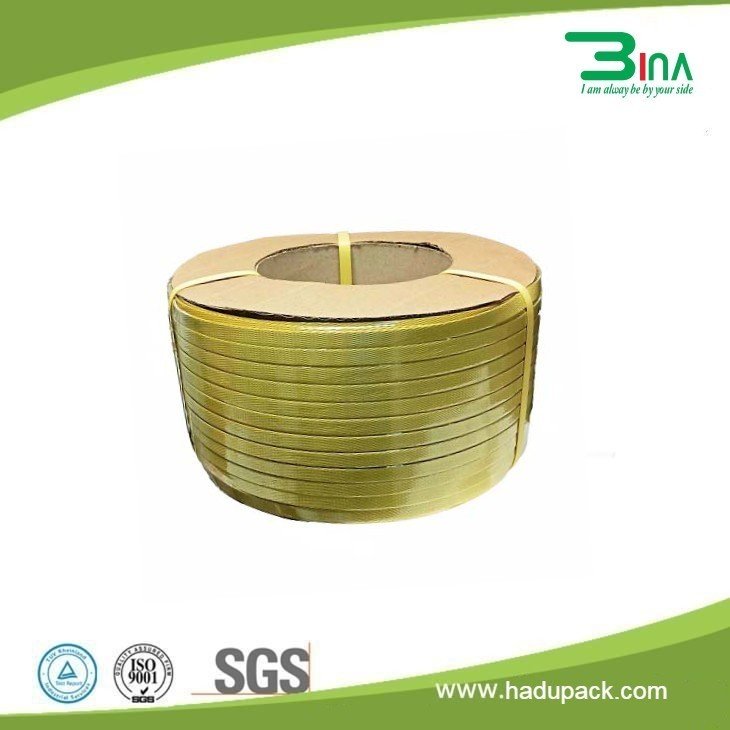
PP plastic strapping is a plastic packaging material made primarily from polypropylene (PP). It is lightweight, strong, durable, corrosion-resistant, and environmentally friendly. It is widely used to bundle small to medium-sized items in the logistics, carton, wood, brick, and tile industries and is one of the most widely used packaging consumables on the market.
 |
 |
 |
 |
There are many different types of strapping. Some types of strapping use more traditional materials such as steel, while others use more sustainable materials such as recycled paper. Polypropylene strapping is one of the most common types of strapping material; it is made from lightweight plastic.
Here, we will cover everything you need to know about polypropylene strapping, including the common uses of this type of strapping, the benefits it offers, and whether it can be reused or recycled.
 |
◆Learn more:
- https://hadupack.com/danh-muc/day-dai/
- https://hadupack.com/san-pham/day-rut-nhua/
- https://hadupack.com/san-pham/day-dai-composite/
History of PP polypropylene plastic strapping
Before delving into polypropylene and its various benefits and uses, let us first take a look at the history of polypropylene and how this type of plastic developed since its emergence in the 1950s. Polypropylene, also known as ‘isotactic polypropylene’ in more technical terms, was discovered in 1954 by Italian chemist Guilio Natta and his assistant Paulo Chini while working with the Italian company Montecatini.
The catalysts invented by German chemist Karl Ziegler to produce polyethylene/polyethene at ambient pressure were used to discover polypropylene. Commercial production of polypropylene then began in 1957 with Hercules Incorporated, Montecatini and Farbwerke Hoechst AG.
 |
Polypropylene is a type of plastic commonly found in industrial and packaging applications. It has a much higher melting point than polyethylene and is also much stiffer.
Common materials that use or contain polypropylene include:
- Upholstery fabrics and carpets
- Automotive parts and components
- Toys
- Furniture
- Bottles for food, shampoo, and other liquids.
 |
PP plastic strapping production process:
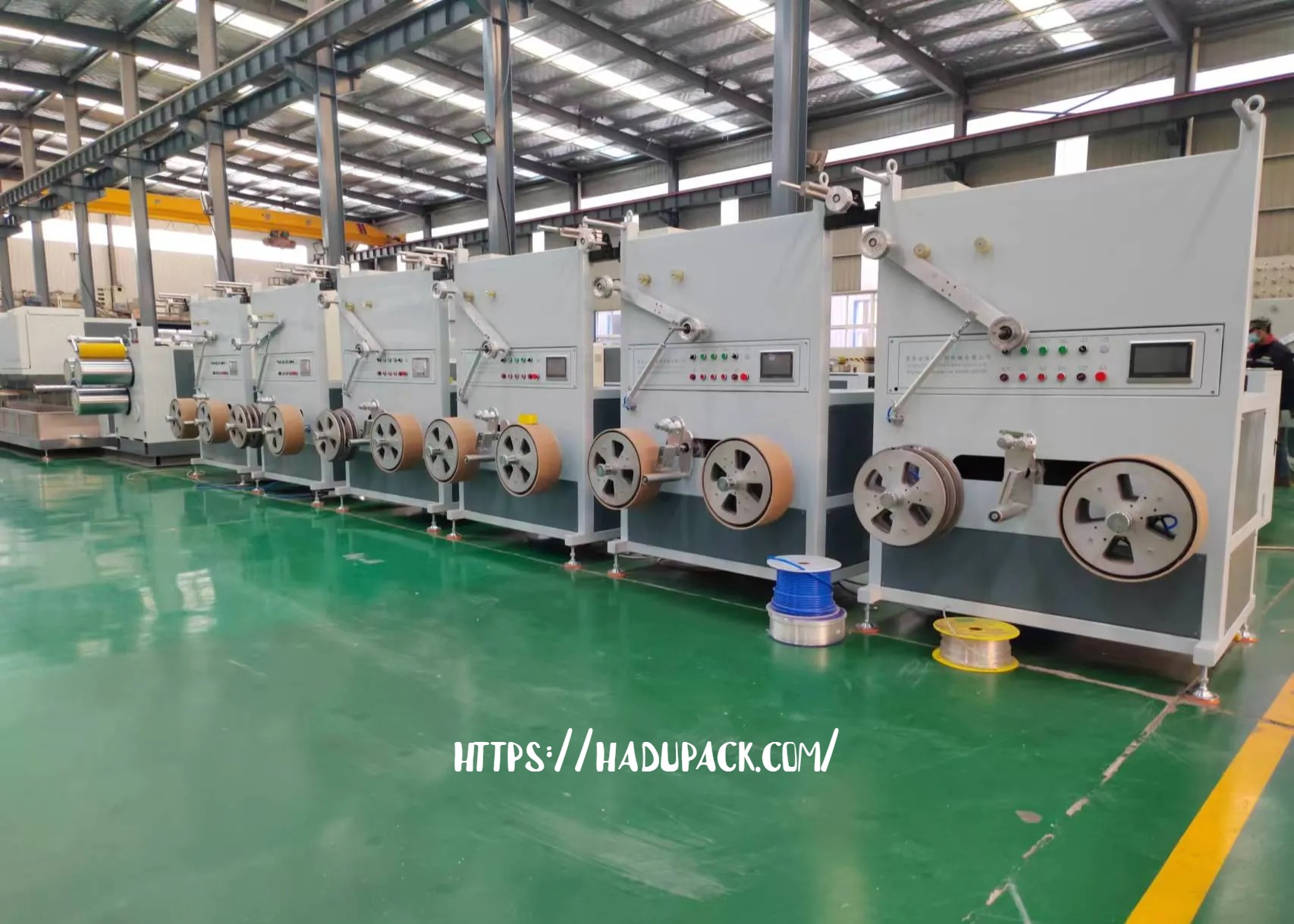
The PP plastic strapping production process mainly consists of seven steps: melting the raw material, extrusion, cooling, stretching, embossing, forming, and winding. Polypropylene (PP) resin pellets are used as the raw material, heated and melted in an extruder at a temperature of 250℃-280℃. After extrusion, they are immediately cooled with cold water. Stretching is used to increase strength, embossing increases friction, and finally, the strapping is wound for packaging.
 |
Detailed production process:
Raw material preparation and plasticization: PP plastic pellets (or materials containing additives) are fed into the extrusion machine and heated to a molten state (typically 250-280℃).
- Extrusion: The molten material is extruded through the extrusion die to form thin sheet-like strapping material.
- Water cooling: The strapping material is immediately fed into an ice-water bath for rapid cooling after exiting the extrusion die, causing the polypropylene to form a crystalline structure that is easy to stretch.
- Thermal stretching (orientation): The cooled strapping material is then stretched in a heating oven or hot water. Stretching is a critical step; through one or more stretching operations, the molecular chains are arranged in an orderly manner, increasing the longitudinal tensile strength of the strapping and reducing elongation.
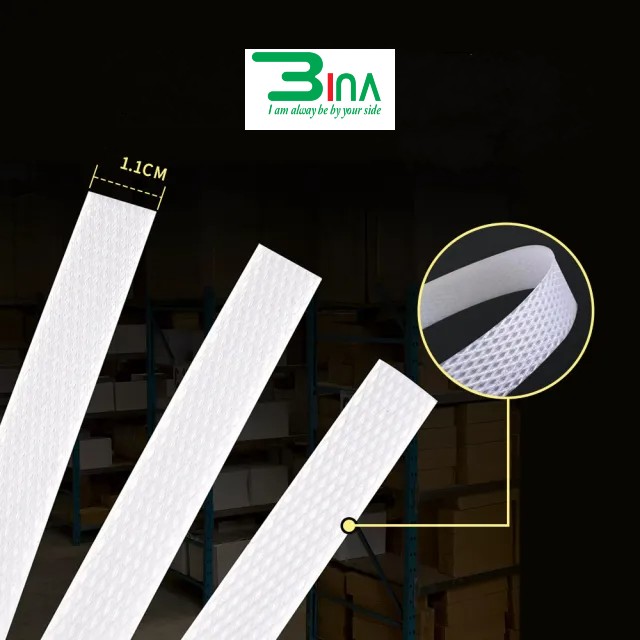
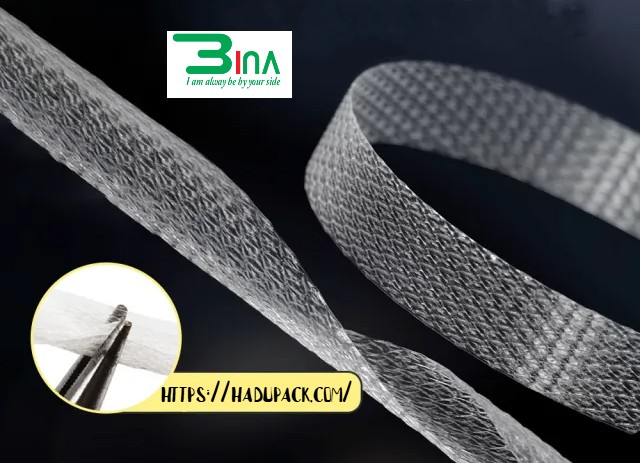
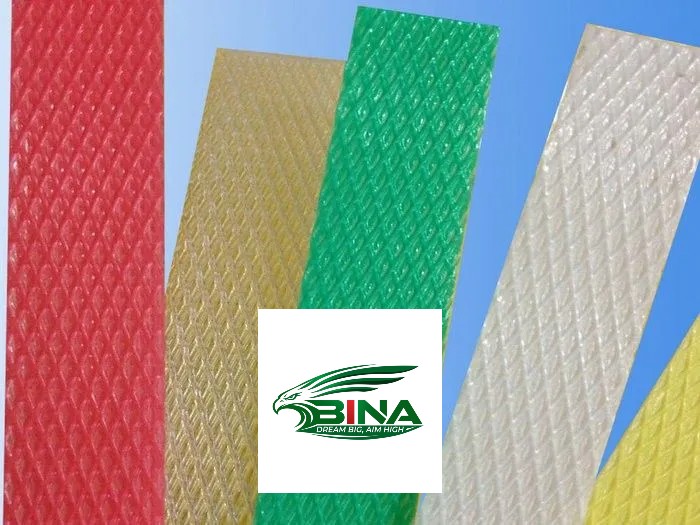
- Embossing: After stretching, the strapping is pressed through two rollers to create a mesh or striped pattern on the surface. This primarily increases friction and prevents slipping, while also improving aesthetics and resistance to bending.
- Heat setting and cold shrinkage: After embossing, the strapping undergoes heat setting and is then cooled in a cold-water bath to shrink, ensuring that the dimensions of the strapping remain stable.
- Winding and packaging: The finished strapping is wound into rolls by a winding machine and finally packaged and stored.
Key technical indicators:
- Quality requirements: Good toughness (not easily broken), good gloss, width deviation less than or equal to 0.3mm.
- Main influencing parameters: Tensile strength, length, curvature, elongation.
 |
Core Features and Advantages of PP Plastic Strapping
Excellent physical properties: High strength, resistance to bending fatigue, easy to use, tightly secures items, and is not easily broken.
Lightweight and soft: PP is one of the lightest common plastics, with a soft texture that makes it easy to handle and prevents cartons from being scratched or damaged due to excessive rigidity.
- Aging-resistant and environmentally friendly: It has good oxidation resistance, waterproofing, and corrosion resistance, and many products use odorless and non-toxic materials that meet environmental protection requirements.
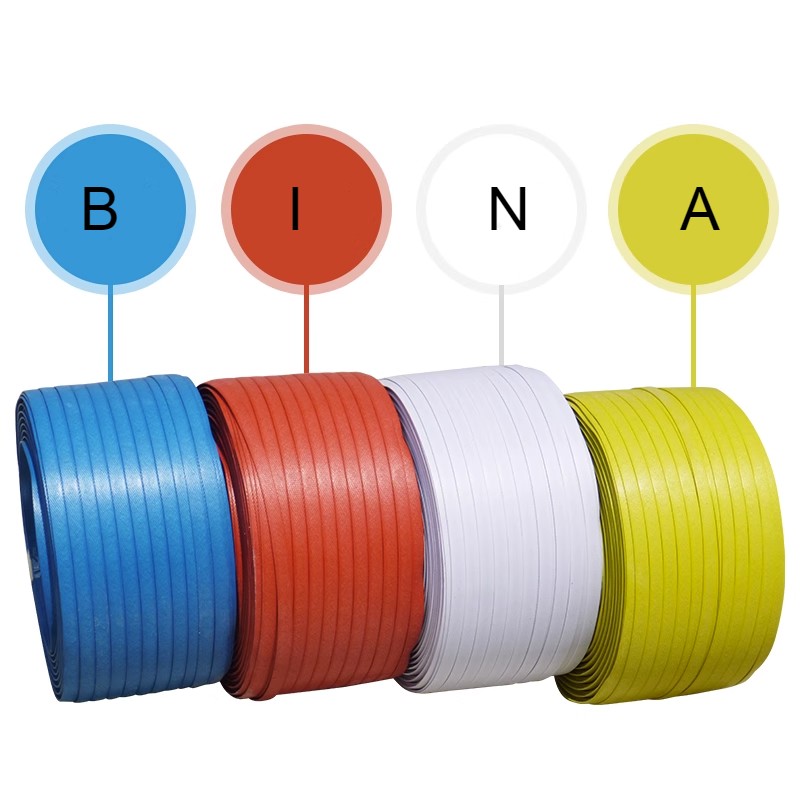
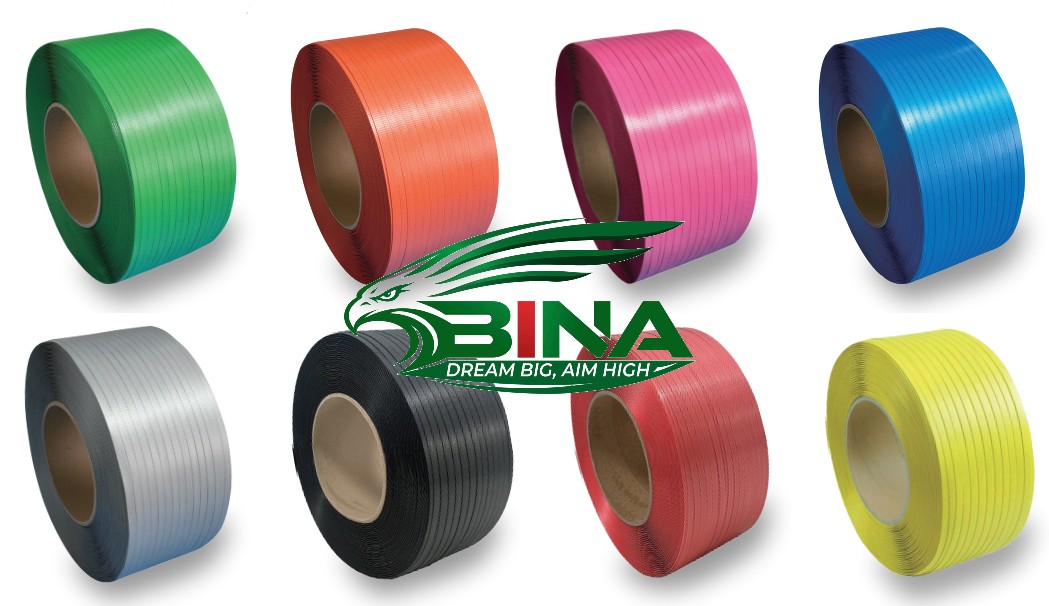
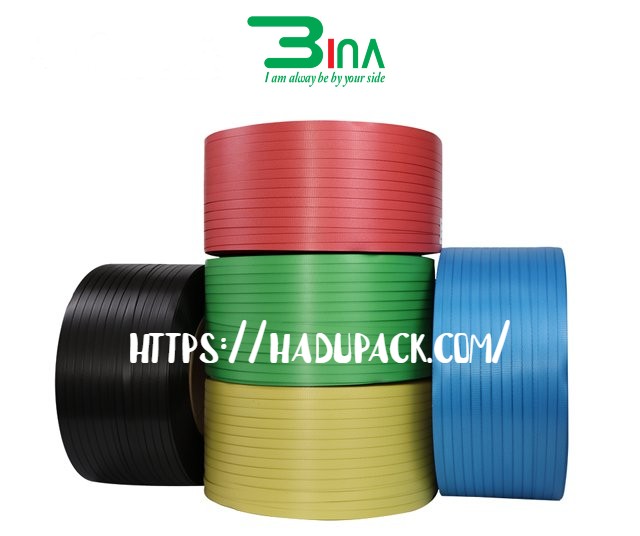
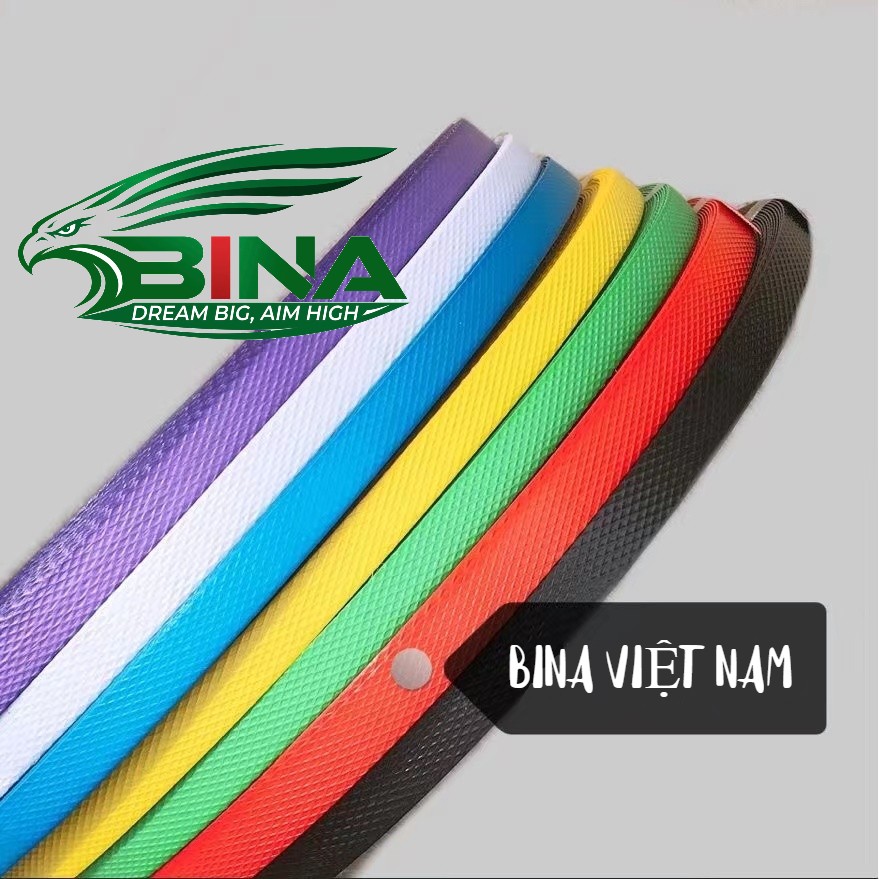
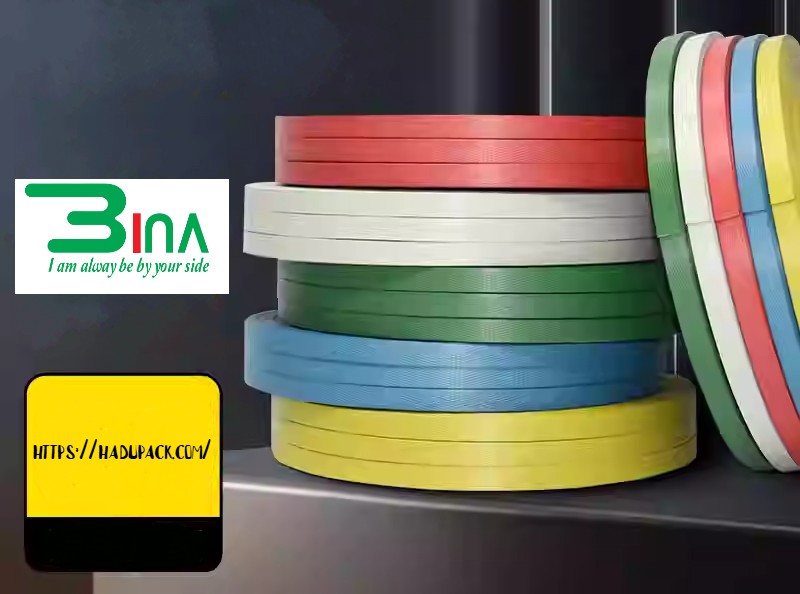
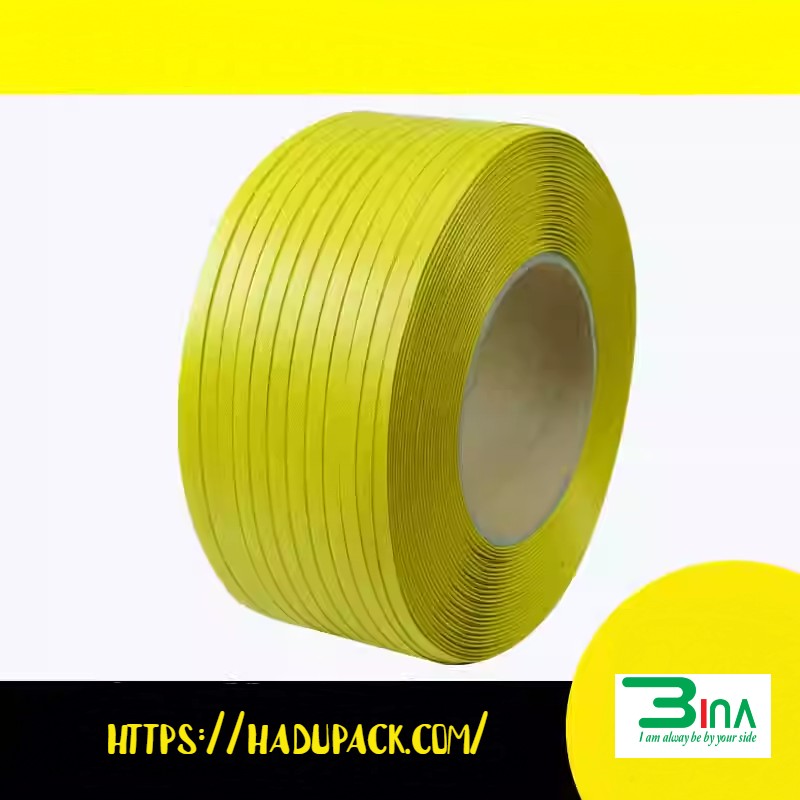
- Wide range of applications: Suitable for manual, semi-automatic, and fully automatic strapping machines. Diverse surface finishes: Text can be printed and different colors can be customized (yellow, green, blue, white, black, etc.) for easy management and classification.
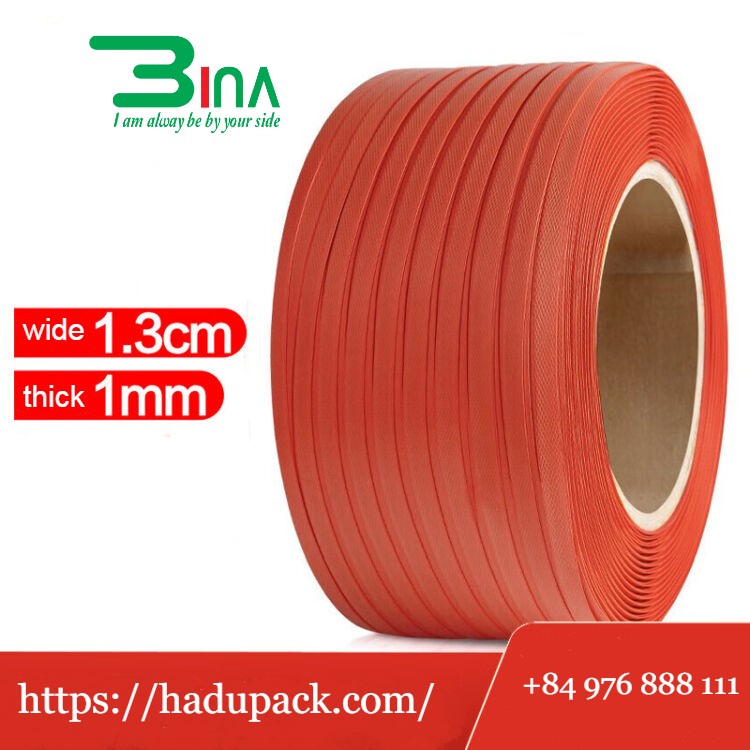
- Common specifications and applications: Common PP strapping widths range from 9mm to 15mm and thicknesses from 0,55mm to 1,0mm. Suitable for packaging boxes, plastic products, and light industrial goods weighing from several tens to several hundreds of kg.
 |
What are the benefits of using polypropylene strapping?
Traditional strapping is made from steel, an extremely strong material with high resistance to heat and ultraviolet rays. However, when used for strapping, steel has limitations – steel is heavy, prone to corrosion, has poor elastic recovery, and when cut under tension, poses safety risks. Plastic strapping emerged as an alternative to steel more than 50 years ago.
 |
Polypropylene strapping is made from lightweight plastic. It is commonly used to bundle items together and to wrap pallets so that the goods inside do not shift or move during transportation. Polypropylene is a very popular type of plastic strapping and offers many benefits when using this type of strapping material. These benefits include:
- Cost-effective: Polypropylene is one of the least expensive types of strapping available on the market, making it suitable for many businesses that regularly use large quantities of strapping.
- Suitability: Polypropylene is suitable for most light- to medium-duty strapping applications, making it suitable for many standard packaging and shipping applications.
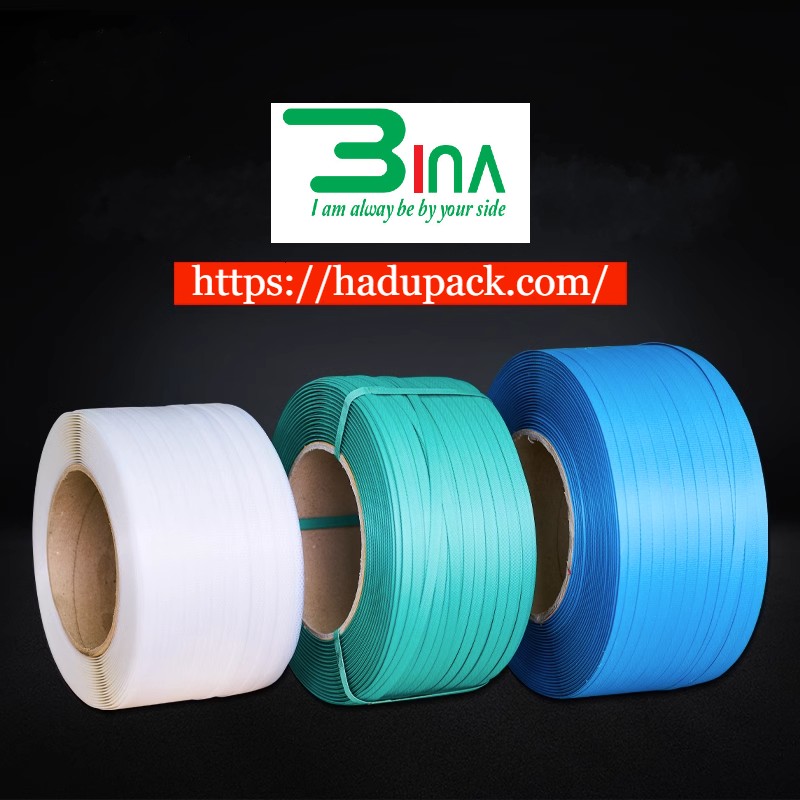
- Variety: Polypropylene strapping is available in a wide range of colors, widths, and thicknesses, giving you many options when choosing the right type of strapping for your application.
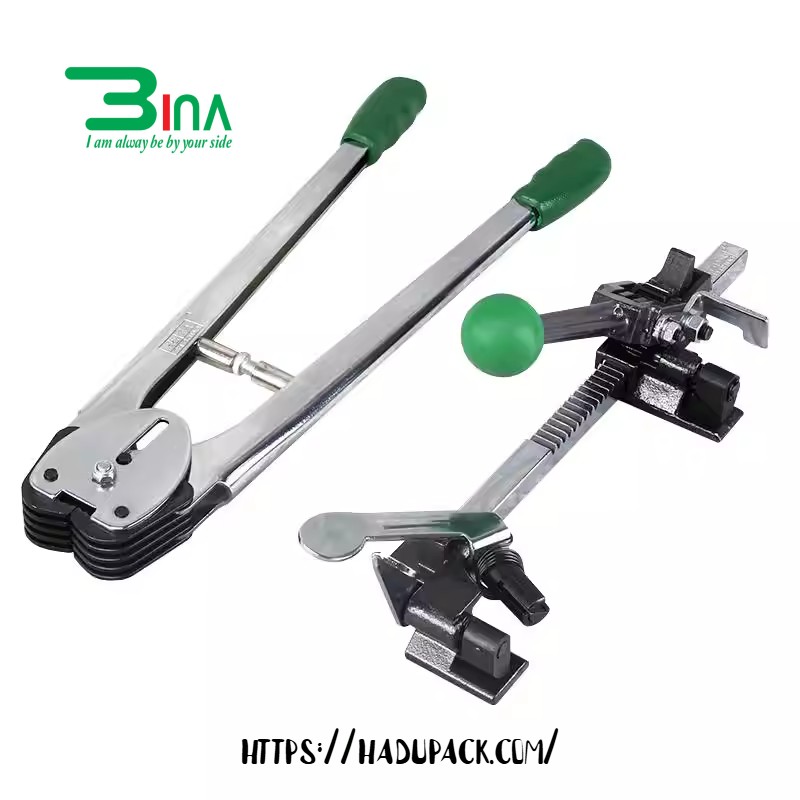
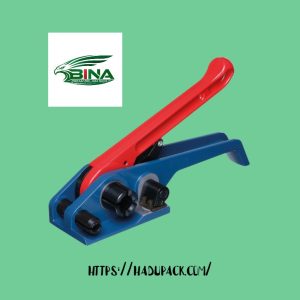
- Compatibility: This type of strapping is compatible with a wide range of hand tools as well as semi-automatic and automatic machines, so you can use it as desired.
- Safety: Because polypropylene strapping is manufactured from lightweight plastic, it has no sharp edges. This makes it much safer to handle than steel strapping, which is known for its sharp edges and requires you to use gloves and safety glasses.
 |
 |
 |
What is polypropylene strapping used for?
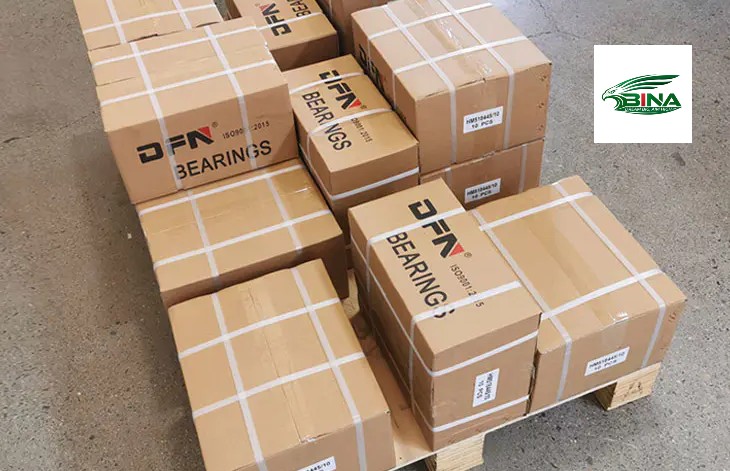
As we have highlighted, polypropylene strapping is best suited for light to medium-duty bundling applications. This means polypropylene strapping is best suited for sealing and reinforcing cartons, as well as securing lighter pallet loads. Common uses of polypropylene strapping include:
- Bundling newspapers, paper, or cardboard.
- Sealing and securing cartons and boxes.
- Attaching goods to pallets.
- Baling agricultural products.
- Baling textiles and fabric.
 |
Can polypropylene strapping be reused or recycled?
If you regularly use strapping in your business, then you will be interested in the recyclability of polypropylene strapping. Anything made from plastic has traditionally been difficult to recycle, however, as technology develops, so do recycling systems. Polypropylene strapping or ‘PP plastic’ is classified under recycling code number 5, which means it is highly recyclable and will be accepted by most council recycling programs.
As a highly versatile plastic, polypropylene is very easy to recycle and can be used multiple times. Things that were once sent to landfill are now manufactured into new products such as automotive equipment, tools and household items, containers, outdoor/gardening equipment and many other types of building materials.
There are no known health risks associated with recycling polypropylene or PP plastic. PP is considered safe to reuse, if it is not recycled, it can take thousands of years to decompose in landfill. By recycling Polypropylene products such as strapping, you will contribute to a more environmentally friendly future and reduce your carbon footprint.
 |
How to choose PP plastic strapping
When choosing PP plastic strapping, priority should be given to options based on the weight of the goods (≤30kg), short-distance transportation and temperature conditions, due to its high flexibility, light weight and low cost. When purchasing, focus on the specifications (width 9-15mm, thickness 0.55-1.0mm), straightness (the strapping feeds smoothly) and color, and make the choice based on the type of strapping machine (fully automatic/semi-automatic) and purity requirements.
 |
I. Key points to note when choosing PP strapping
Cargo weight and transportation: Suitable for goods weighing under 30kg. For heavy goods (>50kg) or long-distance international transportation, PET material is recommended; for lightweight goods, PP is a cost-effective choice.
- Material purity: Virgin material (pure PP): High tensile strength, bright color, glossy surface, suitable for fully automatic high-speed machinery or demanding applications.
- Recycled material: Low cost, slightly less glossy, suitable for manual or semi-automatic packaging and low-load applications.
- Appearance and toughness: High-quality PP strapping has good straightness and stable feeding performance. The surface is smooth, wear-resistant, and has good toughness, making it less prone to breaking.
 |
II. Selection of specifications
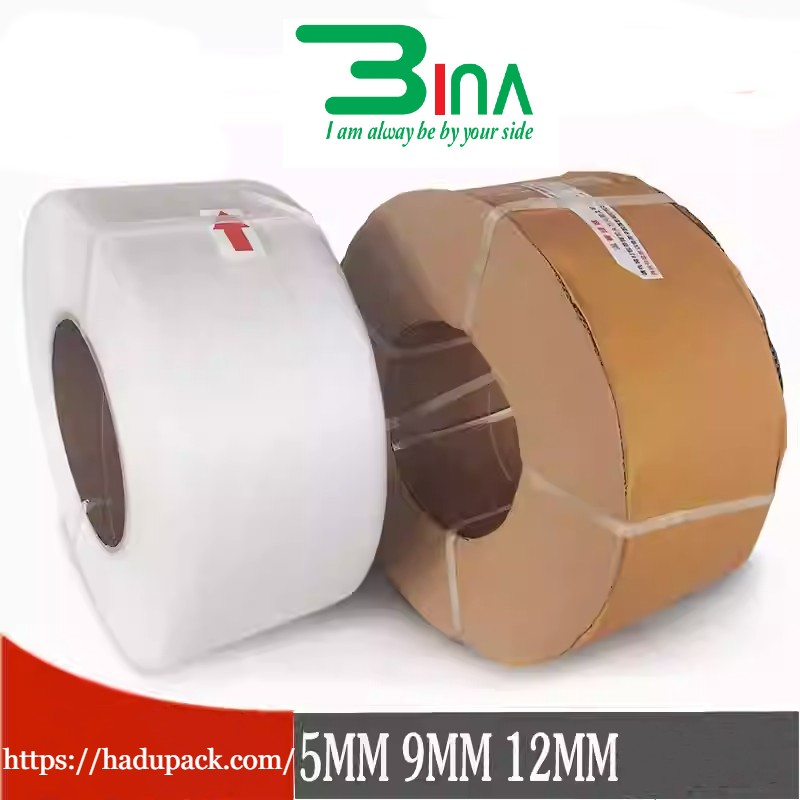
- Width: Usually 9mm, 12mm, and 15mm, selected according to the size of the goods box.
- Thickness: Usually from 0.55mm to 1.0mm; the greater the thickness, the higher the tensile strength.
- Paper core: Industrial packaging usually uses a standard 200mm paper core.
III. Purchasing strategy and precautions
- Clearly determine the usage scenario: Is it for manual or automatic packaging? Fully automatic machinery has very high requirements for the straightness and consistency of the strapping.
- Check color and printing: PP strapping comes in many colors, including yellow, red, blue, green, white, and black. Custom printing is available for branding applications.
- Pay attention to heat resistance: PP material has relatively good heat resistance (approximately 140℃-200℃), making it suitable for packaging in normal environments.
- Choose purchasing channels: It is recommended to purchase from reputable packaging material manufacturers or platforms such as Taobao. Compare the weight of each roll, tensile strength test results, and material purity to ensure cost-effectiveness.
 |
Instructions for using PP plastic strapping
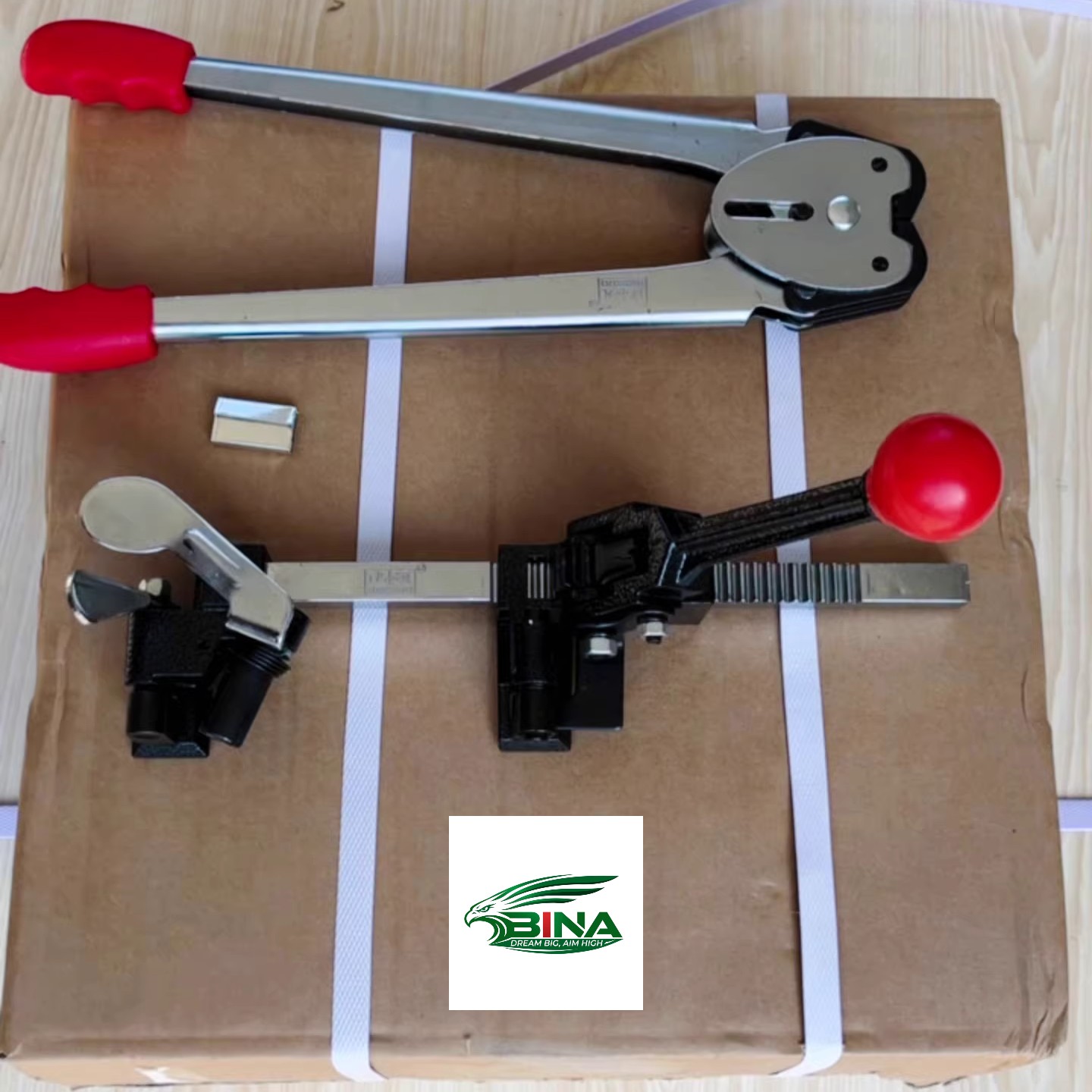
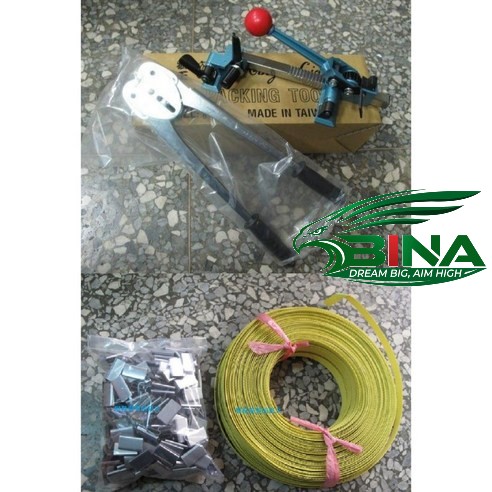
The steps for using PP plastic strapping include wrapping it around the goods, tightening it, securing it (by heat welding or using a strapping buckle), and cutting off the excess. Lightweight goods can be wrapped once, while heavy goods should be wrapped twice. When using a manual strapping machine, heat the joint for 3-5 seconds (4-5 seconds in winter/2-3 seconds in summer) before releasing it after it has cooled and hardened. The strapping has high strength and “elastic” properties, and is commonly used to seal cartons and reinforce goods.
 |
 |
Wrap the PP strapping around the goods.
- Normally, one loop is sufficient for lightweight goods; for heavy goods, two loops are recommended to ensure sufficient strength.
- Leave an overlap of 3-5cm for securing.
Securing method
- Heat welding (Manual/Semi-automatic): Insert the overlapping section of the strap into the strapping machine and start heating; the temperature is approximately 180-220℃. Maintain heat for 3-5 seconds (longer heating time in winter, usually 4-5 seconds; 2-3 seconds in summer).
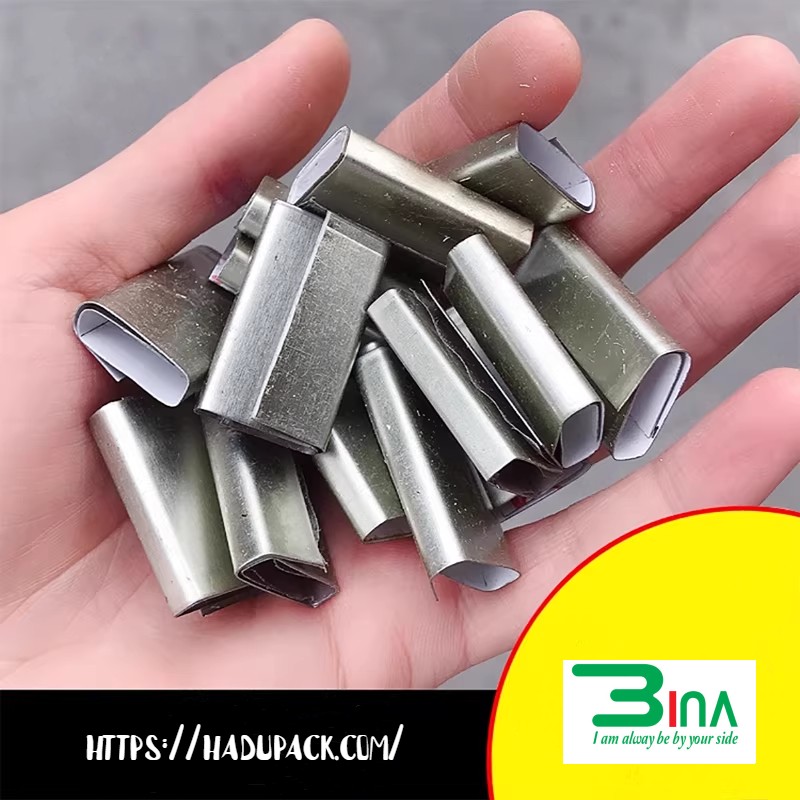
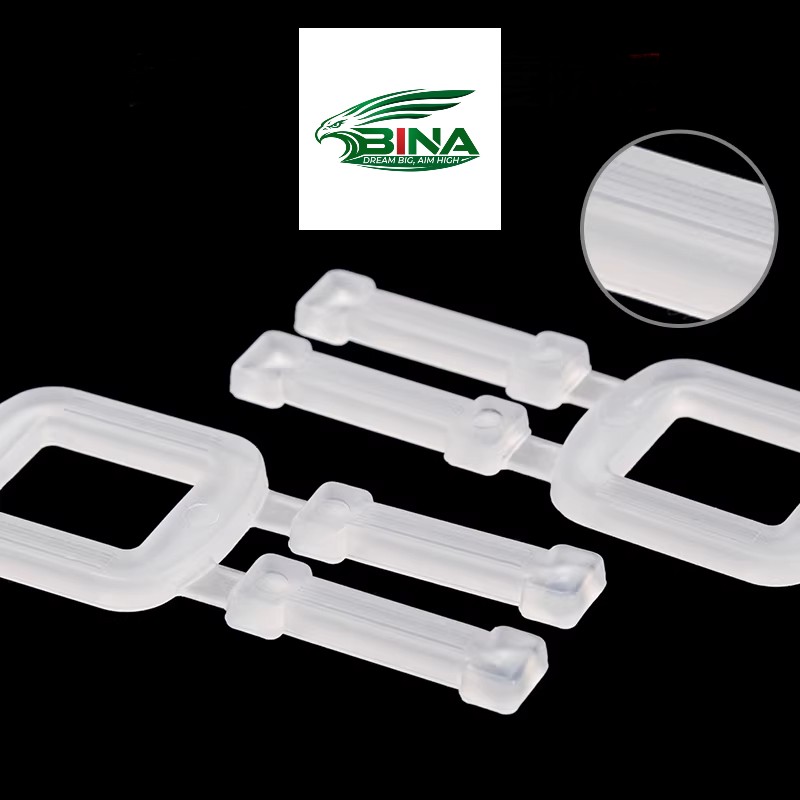
- For straps with buckles (plastic/metal buckles): Thread the strap through the specialized buckle, tighten the strap with a hand tensioning tool, then clamp the buckle firmly to secure the joint through physical clamping force.
- Cooling & Inspection: Heat-welded joints must be allowed to cool completely before releasing the strapping machine; otherwise, the joint may become loose.
Ensure the strap is pressed firmly against the surface of the goods, but do not overtighten it to the point of damaging the carton.
- Trimming: Use scissors or the integrated cutter of the strapping machine to cut off the excess strap. Normally, a 1-2cm cut is sufficient at the joint to achieve a neat and secure connection.
- Applications: PP strapping is particularly suitable for packaging small to medium-sized goods and for reinforcing cartons.
- Advantages: Smooth and uniform surface, with good elasticity (elastic memory effect), helping to absorb impact forces during transportation.
 |
Storage of PP plastic strapping
The most important thing when storing PP plastic strapping is to maintain a cool, dry, and well-ventilated environment to prevent the material from aging and becoming brittle. Avoid direct sunlight and rain, keep it at least 2 meters away from heat sources, and the usual storage period is one and a half years. It is best to use the original packaging during storage to prevent the accumulation of dust and dirt, and avoid contact with acidic, alkaline, or chemical substances. Keep the warehouse clean.
The specific storage requirements are as follows:
- Environmental requirements: The environment must be well-ventilated, cool, and dry. Avoid prolonged direct sunlight, otherwise it will cause the plastic to deteriorate rapidly.
- Temperature control: Keep away from fire and heat sources (especially heating equipment above 60°C), and generally keep at least 2 meters away from heat sources.
- Waterproofing and moisture protection: Ensure that the warehouse does not leak and avoid rain.
- Hygiene and safety: Do not store together with chemicals (such as acids, alkalis, and organic solvents).
- Shelf life: Although PP plastic has good stability, it should be used within one and a half years to ensure optimal tensile strength and toughness.
- Storage method: Keep the original packaging intact, do not disassemble, and stack as neatly as possible to avoid deformation caused by prolonged pressure.
 |
Polypropylene strapping from Hadupack
We have a wide range of polypropylene strapping products in stock suitable for many different applications. The product line from Hadupack offers both hand-applied polypropylene strapping and machine strapping products. Hadupack PP strapping is strong, flexible and lightweight, and can also be 100% recycled. Special prices are available for bulk orders – just give us a call to discuss your options!
To learn more about our polypropylene strapping products, simply visit our website by clicking below. To see all the packaging supplies that are perfect for environments such as logistics and warehousing, you can browse our product line by clicking.
- BiNa Vietnam Joint Stock Company
- No. 289 Thanh Am Street, Viet Hung Ward, Hanoi City, Vietnam
- +84 522 806 806
- MST: 0111436560
- www://hadupack.com
- Admin@binajsc.com.vn



Reviews
There are no reviews yet.