

What does RoHS certification mean?
RoHS certification is an abbreviation for “Restriction of Hazardous Substances”. It is a directive of the European Union regulating the use of certain hazardous substances in electrical and electronic equipment (EEE). RoHS aims to minimize environmental and health risks associated with the production, use, and disposal of electronic products by restricting the presence of specific harmful substances in these products. The main goal of RoHS is to promote the production of safer and more environmentally friendly electronic equipment.
 |
- Scope: RoHS applies only to EEE, including household appliances, consumer electronics, industrial equipment, etc.
Requirements: RoHS restricts the presence of specific hazardous substances, such as lead, mercury, and certain flame retardants, in EEE. Manufacturers must ensure that their products comply with these substance restrictions. - Legal framework: RoHS compliance is mandatory in the EU, UAE, EAEU, China, Taiwan, Singapore, Ukraine, Japan, Turkey, South Korea, Saudi Arabia, India, Serbia, Vietnam, California, New Jersey, and Oman. Non-compliance may result in legal penalties.
Is RoHS compliance mandatory?
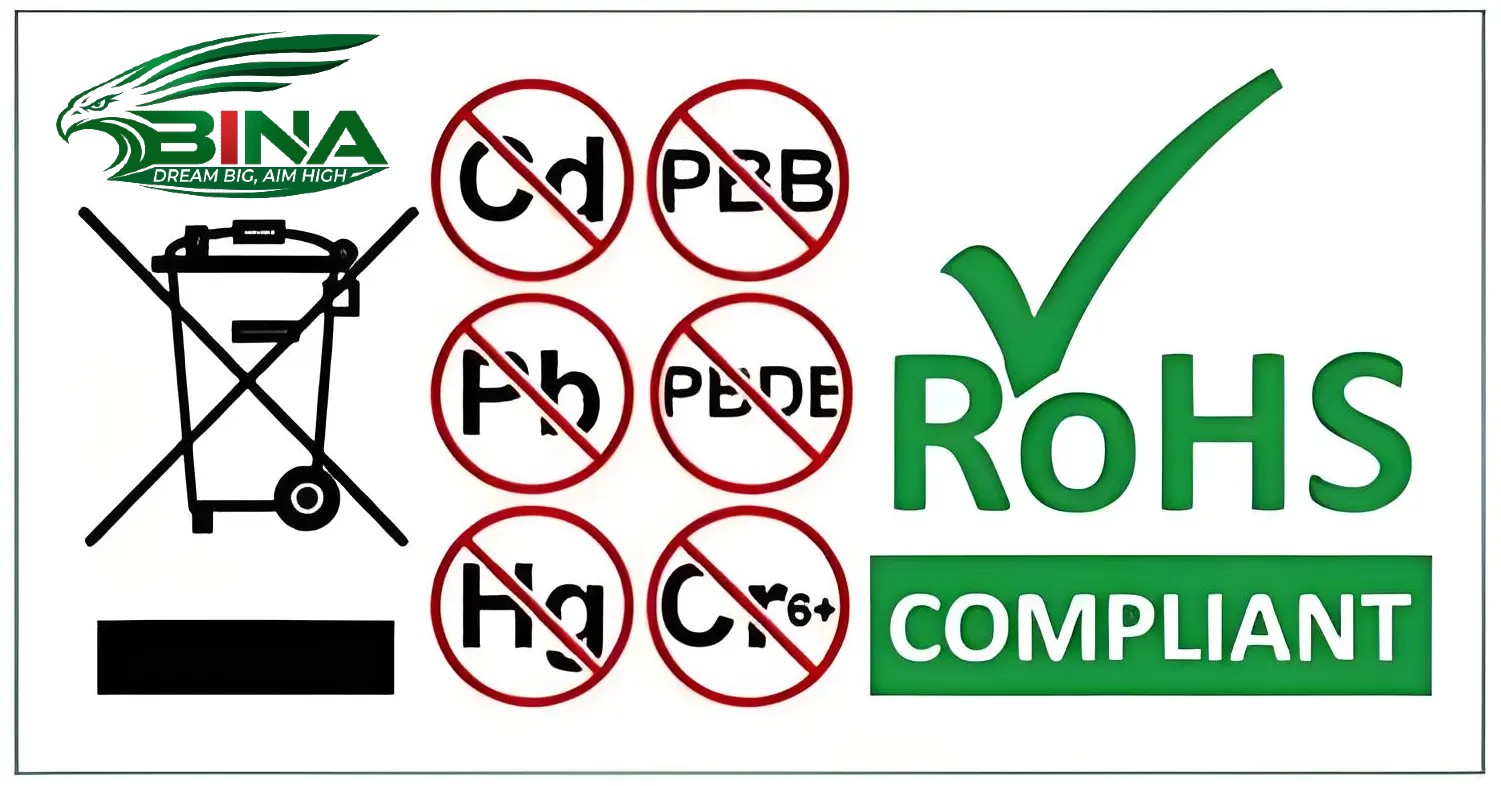
Under EU law, manufacturers, importers, and distributors of Electrical and Electronic Equipment (EEE) must ensure that their products comply with the Restriction of Hazardous Substances (RoHS) Directive. This directive prohibits the use of hazardous substances such as lead, mercury, cadmium, hexavalent chromium, polybrominated biphenyl (PBB), and polybrominated diphenyl ether (PBDE) in EEE. These substances pose risks to human health and the environment, and RoHS aims to minimize their presence in electronic products.
Non-compliance can result in legal consequences such as fines and restrictions on the sale of non-compliant products in the EU market. It is important to take RoHS compliance seriously and ensure that products comply with the specified substance restrictions.
 |
◆Learn more:
- https://hadupack.com/chung-nhan-fsc/
- https://hadupack.com/san-pham/vai-chong-tinh-dien-phong-sach/
- https://hadupack.com/san-pham/sung-thoi-ion/
Who needs to comply with RoHS?
RoHS compliance is primarily mandatory for manufacturers, importers and distributors of EEE within the scope of the RoHS Directive. Specific product categories that need to comply with RoHS include a wide range of electrical and electronic equipment.
Here are some examples of products that commonly require RoHS compliance:
- Consumer electronics: Products such as smartphones, tablets, laptops, TVs, DVD players, digital cameras and game consoles must comply with RoHS compliance requirements.
- Household appliances: Household appliances such as refrigerators, washing machines, microwaves and vacuum cleaners must comply with RoHS regulations.
- Industrial equipment: Many types of industrial equipment, including machinery, control systems and manufacturing equipment, must comply with RoHS if they contain electrical or electronic components.
- Medical devices: RoHS compliance is of paramount importance for medical devices such as diagnostic equipment, imaging systems, patient monitoring equipment and many other medical instruments.
- Telecommunications equipment: Telecommunications equipment, including routers, switches and network equipment, must comply with RoHS requirements.
- Automotive electronics: Automotive electronics, such as in-car entertainment systems, navigation systems and engine control units, must comply with RoHS regulations.
- Lighting products: Lighting products such as LED bulbs and fluorescent lamps must comply with RoHS regulations.
- Toys and leisure equipment: Electronic toys, game consoles and other leisure equipment intended for children must comply with RoHS regulations.
- Aerospace and defense equipment: Certain electronic components and equipment used in the aerospace and defense industries need to comply with RoHS.
Exclusions:
- (a) equipment necessary for the protection of the essential interests of the security of Member States, including weapons, ammunition and war material intended for specifically military purposes.
- (b) equipment designed to be sent into space.
10.Scientific equipment: Analytical and scientific equipment with electronic components must comply with RoHS requirements.
May be excluded:
(j) equipment specifically designed solely for research and development purposes that is only supplied on a business-to-business basis.
 |
What are the ten RoHS substances?
The RoHS Directive restricts the use of certain hazardous substances in EEE. It primarily focuses on restricting the following ten substances, commonly referred to as “RoHS 10” or “substance restrictions”:
- Lead (Pb): The maximum permitted concentration is 0.1% by weight in homogeneous material.
- Mercury (Hg): The maximum permitted concentration is 0.1% by weight in homogeneous material.
- Cadmium (Cd): The maximum permitted concentration is 0.01% by weight in homogeneous material.
- Hexavalent Chromium (Cr6+): The maximum permitted concentration is 0.1% by weight in homogeneous material.
- Polybrominated Biphenyls (PBBs): The maximum permitted concentration is 0.1% by weight in homogeneous material.
- Polybrominated Diphenyl Ethers (PBDEs): The maximum permitted concentration is 0.1% by weight in homogeneous material.
- Bis(2-Ethylhexyl) Phthalate (DEHP): The maximum permitted concentration is 0.1% by weight in homogeneous material.
- Benzyl Butyl Phthalate (BBP): The maximum permitted concentration is 0.1% by weight in homogeneous material.
- Dibutyl Phthalate (DBP): The maximum permitted concentration is 0.1% by weight in homogeneous material.
- Diisobutyl Phthalate (DIBP): The maximum permitted concentration is 0.1% by weight in homogeneous material.
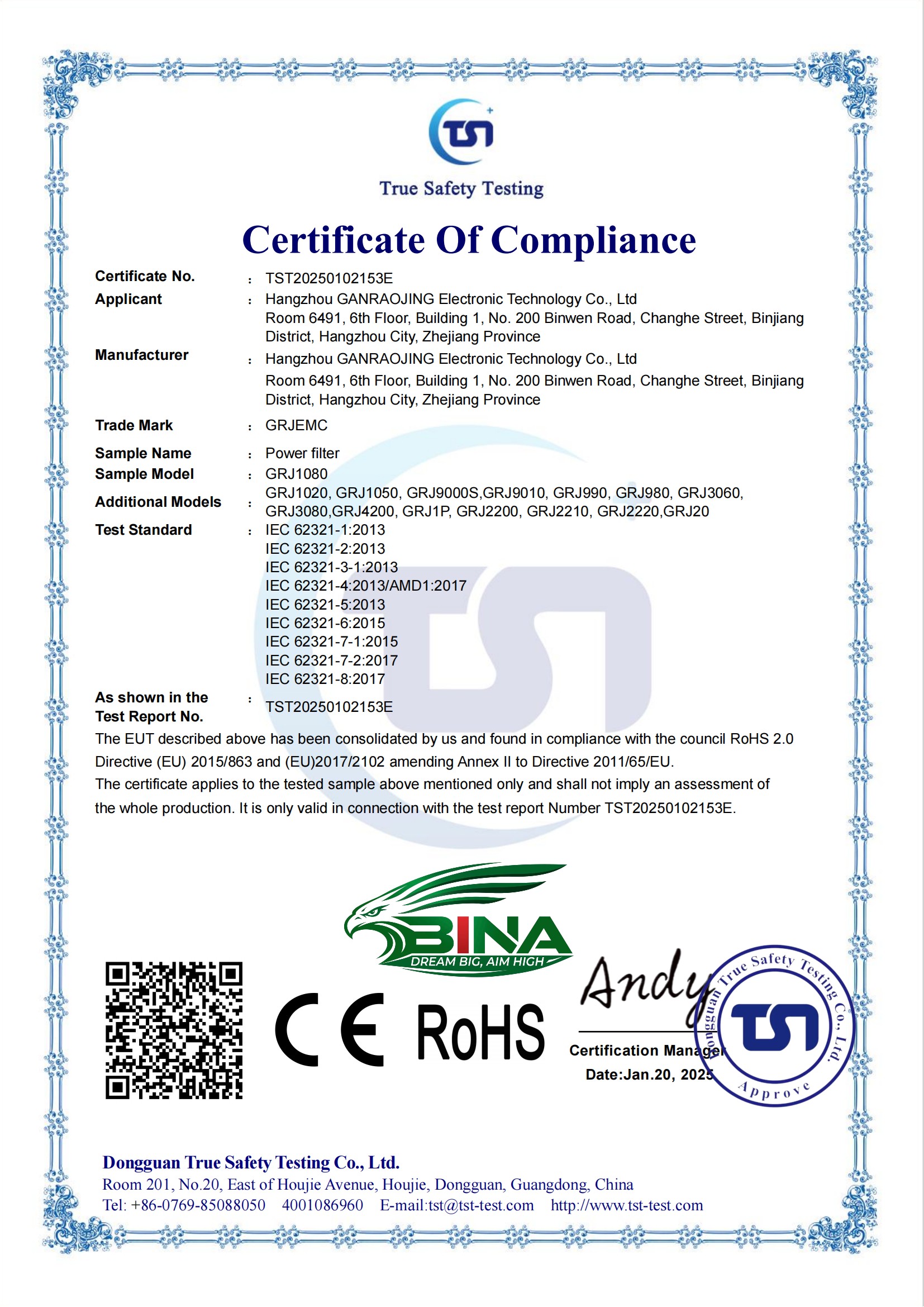
These substance restrictions are intended to minimize environmental and health risks associated with these hazardous materials during the manufacture, use, and disposal of electrical and electronic equipment. Manufacturers, importers, and distributors of EEE within the scope of the RoHS Directive must ensure that their products and materials comply with these maximum concentration limits to be considered RoHS compliant. The Directive may also introduce the addition of two new substances to EU RoHS: Medium-chain chlorinated paraffins (MCCP) & Tetrabromobisphenol A (TBBP-A)
 |
What makes a product RoHS compliant under the EU CE marking?
A product is considered RoHS compliant when it complies with the requirements and regulations set out in the RoHS Directive. For a product to be RoHS compliant, manufacturers, importers, and distributors must take several steps to ensure that the product does not contain restricted hazardous substances above the permitted limits and meets the necessary documentation and labeling requirements. The following are the key factors contributing to RoHS compliance:
- Material assessment: Manufacturers must thoroughly analyze the materials and components used in their products to identify any substances that fall under the restrictions of the RoHS Directive. This includes assessing the presence of lead (Pb), mercury (Hg), cadmium (Cd), hexavalent chromium (Cr6+), polybrominated biphenyls (PBBs), polybrominated diphenyl ethers (PBDEs), and four phthalates (DEHP, BBP, DBP, DIBP) in their products.
- Substance testing: If there is uncertainty about the presence of restricted substances, testing may be necessary to determine their concentrations in the materials and components used in the product. Laboratory testing can provide quantitative data on substance concentrations.
- Material declarations: Manufacturers often require their suppliers to provide declarations regarding the compliance of the materials and
- components used in their products. These declarations provide information about substance content and help establish compliance.
- Documentation: Manufacturers must maintain detailed records of their compliance assessments, including material declarations, test reports, and certificates of compliance. These records demonstrate due diligence in ensuring RoHS compliance.
- Declaration of Conformity: Manufacturers or their authorized representatives must issue a Declaration of Conformity (DoC) for the product. The DoC confirms that the product complies with RoHS requirements and includes information about the product, manufacturer, and restricted substances applicable to the product.
- CE marking: If the product is also subject to other European Union directives, the product may require CE marking to indicate compliance. RoHS compliance is often part of the broader CE marking process.
- Labeling: Products may need to be labeled to indicate RoHS compliance, typically by using the “CE” mark where applicable and by providing information that helps trace the product back to the manufacturer.
- Traceability: Manufacturers should establish and maintain traceability of their products to ensure that any non-compliant products can be identified and addressed.
- Ongoing compliance monitoring: Manufacturers should implement processes to ensure continued compliance, including periodic testing, supplier assessments, and updating product documentation as regulations change.
It is essential for manufacturers and other stakeholders to stay informed about any updates or changes to RoHS regulations and to regularly review and update their compliance processes to ensure that their products continue to meet RoHS requirements.
 |
Who must comply with RoHS?
Manufacturers, importers, and distributors of EEE that fall within the scope of the RoHS Directive must comply with the requirements of this directive when selling their products on the European Union (EU) market. Specifically, those who must comply with RoHS include:
- Manufacturers: Companies that manufacture EEE for sale on the EU market are the primary entities responsible for ensuring RoHS compliance. Manufacturers are responsible for conducting assessments, testing, and maintaining product compliance records.
- Importers: Businesses importing EEE into the EU from non-EU countries are also responsible for RoHS compliance. Importers must ensure that the products they bring into the EU meet RoHS requirements, including substance restrictions and documentation.
- Distributors: Distributors in the EU ensure that the EEE they sell complies with RoHS. Although their role primarily involves ensuring that products bear the CE marking and have appropriate documentation, they have a different level of responsibility from manufacturers or importers regarding the assessment of product compliance.
What happens if a product does not comply with RoHS?
Suppose a product does not comply with RoHS and is placed on the European Union (EU) market. In that case, there may be legal and financial consequences for the manufacturer, importer, distributor, or any party responsible for the non-compliant product. Here are some potential consequences of non-compliance:
- Market access restrictions: Non-compliant products may be prohibited from being imported or remaining on the EU market. Customs authorities may seize and prevent the import or sale of products that do not meet RoHS requirements.
- Fines and penalties: EU member states may impose fines and penalties on businesses that do not comply with RoHS regulations. Specific penalties may vary by country and depend on the severity of the violation.
- Product recalls and withdrawals: Authorities may require non-compliant products to be recalled or withdrawn from the market, which can be costly and damage the company’s reputation.
- Legal action: Non-compliance may lead to legal action, including litigation initiated by regulatory authorities or affected parties.
- Reputational damage: Non-compliance can damage a company’s reputation, as consumers and business partners may lose trust in a company that does not comply with environmental and safety regulations.
- Compliance costs: Correcting non-compliance can be costly. Manufacturers may need to modify their products, conduct testing, and reconfigure their supply chains to ensure compliance, resulting in additional costs.
- Lost sales opportunities: Non-compliant products may not be eligible for public procurement contracts or may have restricted access to markets that require RoHS compliance.
- Environmental impact: One of the main goals of RoHS is to reduce the environmental impact of electronic waste (e-waste). Non-compliant products may contribute to increased levels of hazardous substances in e-waste, posing ecological risks.
To avoid these consequences, businesses that manufacture, import, or distribute EEE should proactively ensure that their products comply with RoHS regulations. This includes conducting material assessments, testing for restricted substances, maintaining compliance records, and complying with labeling and reporting requirements.
Businesses also need to stay informed about any updates or changes to RoHS regulations and regularly review and update their compliance procedures to ensure that their products meet RoHS requirements.
 |
Does the FDA require RoHS compliance?
The U.S. Food and Drug Administration (FDA) does not require RoHS compliance for products regulated by the FDA. The FDA oversees the safety and effectiveness of food, drugs, medical devices, cosmetics, and certain radiation-emitting products in the United States.
RoHS compliance is an EU regulation restricting the use of certain hazardous substances in EEE placed on the EU market. Although the FDA regulates the safety and labeling of products intended for consumption, medicines, medical treatment, and certain medical devices, the FDA does not enforce RoHS requirements.
However, suppose a company manufactures or distributes electronic equipment or medical devices that will be marketed in the EU. In that case, they may need to ensure RoHS compliance for those specific products. In such cases, businesses must comply with RoHS regulations when exporting EEE to the EU, even if they are based in the United States.
It is important to understand that RoHS compliance applies specifically to products sold in the EU and is unrelated to U.S. FDA regulations. Companies marketing their products internationally must be aware of and comply with the relevant regulations and requirements of each market. Additionally, regulations and compliance requirements may change, so it is advisable to consult regulatory authorities or legal experts to ensure full compliance with all applicable standards and regulations.
What are RoHS exemptions?
RoHS exemptions are specific allowances or exceptions provided under the RoHS Directive that permit the use of certain restricted substances in EEE under certain conditions or for specific applications. These exemptions recognize that there may be situations where eliminating a restricted substance is technically or economically challenging. Exemptions are granted based on careful assessment of technical feasibility, the availability of alternatives, and potential risks.
RoHS exemptions generally fall into two main categories:
- Technical exemptions: These exemptions are based on technical limitations or challenges associated with eliminating a restricted substance in a specific EEE category. For example, there may be exemptions for certain medical devices or aerospace equipment when alternative materials or technologies are not yet feasible or when compliance could affect the safety or performance of the product.
- Time-limited exemptions: Some exemptions are time-limited and may be granted for a specific period. These exemptions often encourage research and development of alternative materials or technologies. Manufacturers are expected to transition to RoHS-compliant alternatives when the exemption period expires.
Examples of RoHS exemptions include:
- Cadmium in certain color-converting LED lamps used in display systems.
- Lead in certain electronic soldering applications with high melting temperatures.
- Lead in certain electrical and electronic components for specific applications, such as photodetectors and high-reliability products. Mercury in certain fluorescent lamps used for special purposes.
- Certain medical devices where eliminating a restricted substance would affect their safety, performance, or availability.
It is important to note that RoHS exemptions must be reviewed periodically and may be amended, extended, or discontinued based on changing circumstances, technological advances, and safety assessments. Manufacturers and stakeholders in the electronics industry should monitor updates from regulatory authorities to stay informed about the status of specific exemptions and compliance requirements. In addition, specific exemptions and their conditions may change over time, so it is advisable to consult the official EU RoHS Directive and related documents for the latest information.
 |
Is RoHS mandatory worldwide?
RoHS regulations are not mandatory worldwide. RoHS is a specific set of regulations established by the EU and enforced in the EU and the European Economic Area (EEA), including Iceland, Liechtenstein and Norway.
The RoHS Directive restricts the use of certain hazardous substances in EEE sold in the EU and EEA markets. Manufacturers, importers and distributors must comply with RoHS regulations to sell products in these regions.
Outside the EU and EEA, countries and regions may have regulations concerning hazardous substances in electronic equipment, electronic waste management and environmental protection. However, these regulations are not RoHS. They may differ significantly in terms of restrictions, requirements and substance enforcement.
It is important for businesses selling electronic products internationally to be aware of and comply with the specific regulations of each market they target. Some countries and regions have adopted regulations similar to RoHS, while others may have different requirements or no specific regulations concerning hazardous substances in electronic equipment. To ensure compliance across different markets, businesses should conduct thorough research.