


What is solder?
Solder is an alloy with a low melting point used to join metal components. During soldering, it melts and fills the joint, and after cooling, it connects the parts and conducts electricity. Its melting point must be lower than that of the metal being soldered.
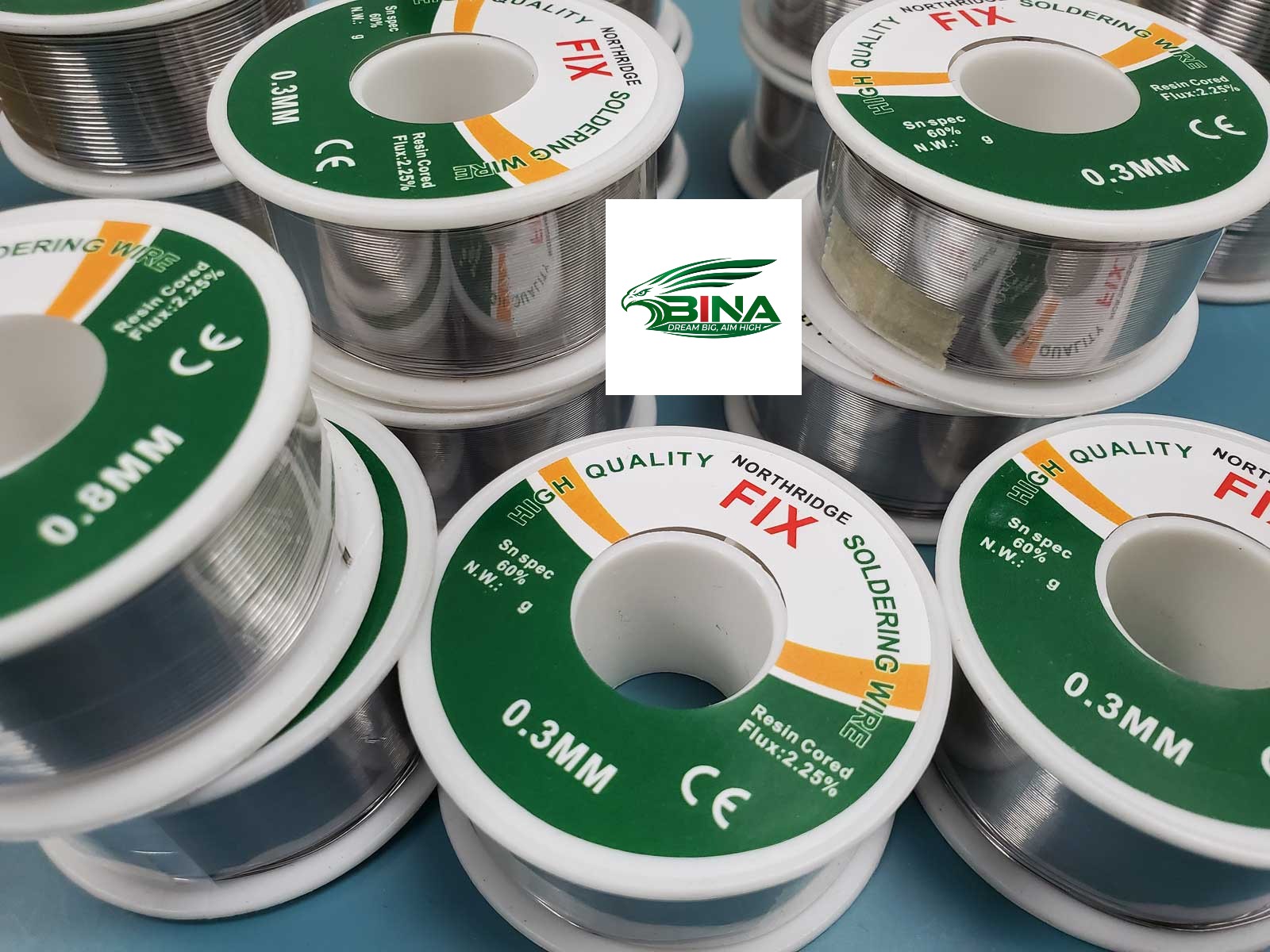 |
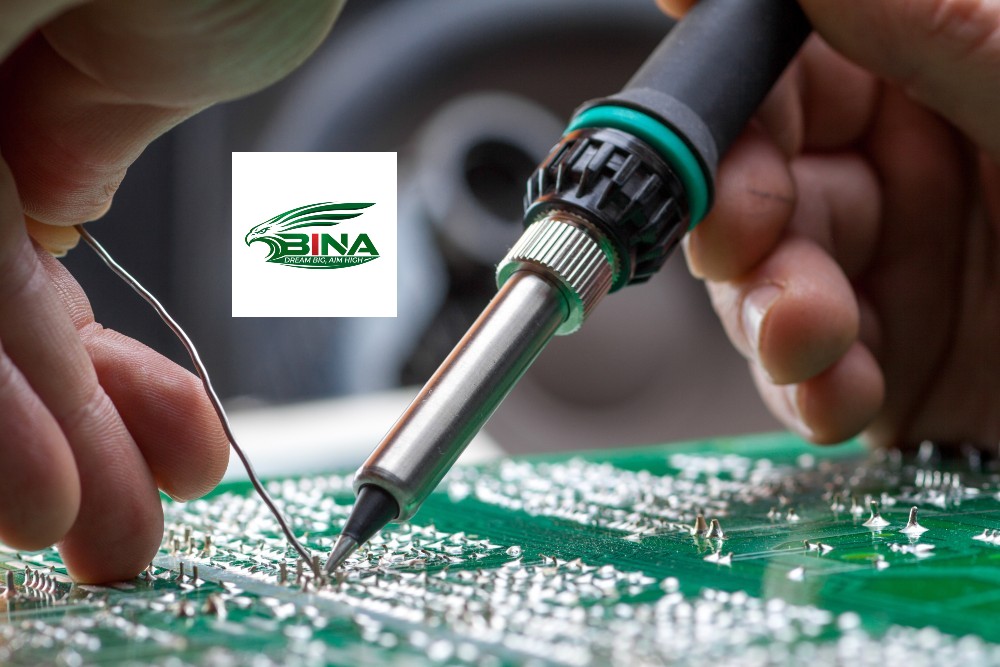
It is commonly used in the electronics industry to secure components onto circuit boards. Solder is classified as leaded solder (e.g.: Sn63-Pb37) and lead-free solder, and common forms include solder wire, solder paste and solder bars.
 |
◆Learn more:
- https://hadupack.com/danh-muc/vat-tu-phong-sach/
- https://hadupack.com/san-pham/quat-thoi-ion/
- https://hadupack.com/san-pham/sung-thoi-ion/
Core concepts and characteristics of solder
- Definition and function: During the soldering process, solder connects the materials of electronic components by melting the metal, forming circuit paths.
- Technical point: Solder must have good “wetting” properties, covering and bonding with the base material.
Solder classification: - Soft solder (Soldering): Melting point is usually below 450 degrees C, commonly used for soldering electronic components.
- Hard solder (Copper soldering): Melting point is higher (> 450 degrees C), used in applications requiring a more robust structure.
- Main composition: Traditionally, it is a tin-lead alloy ( Sn63 – Pb37) (e.g.: melting point 183 degrees C). To comply with the EU RoHS directive, most modern solders are lead-free.
 |
Common types of solder
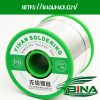
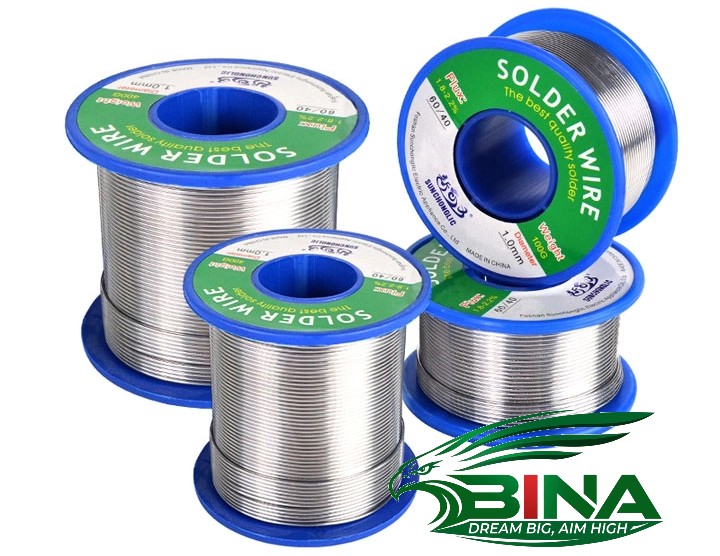
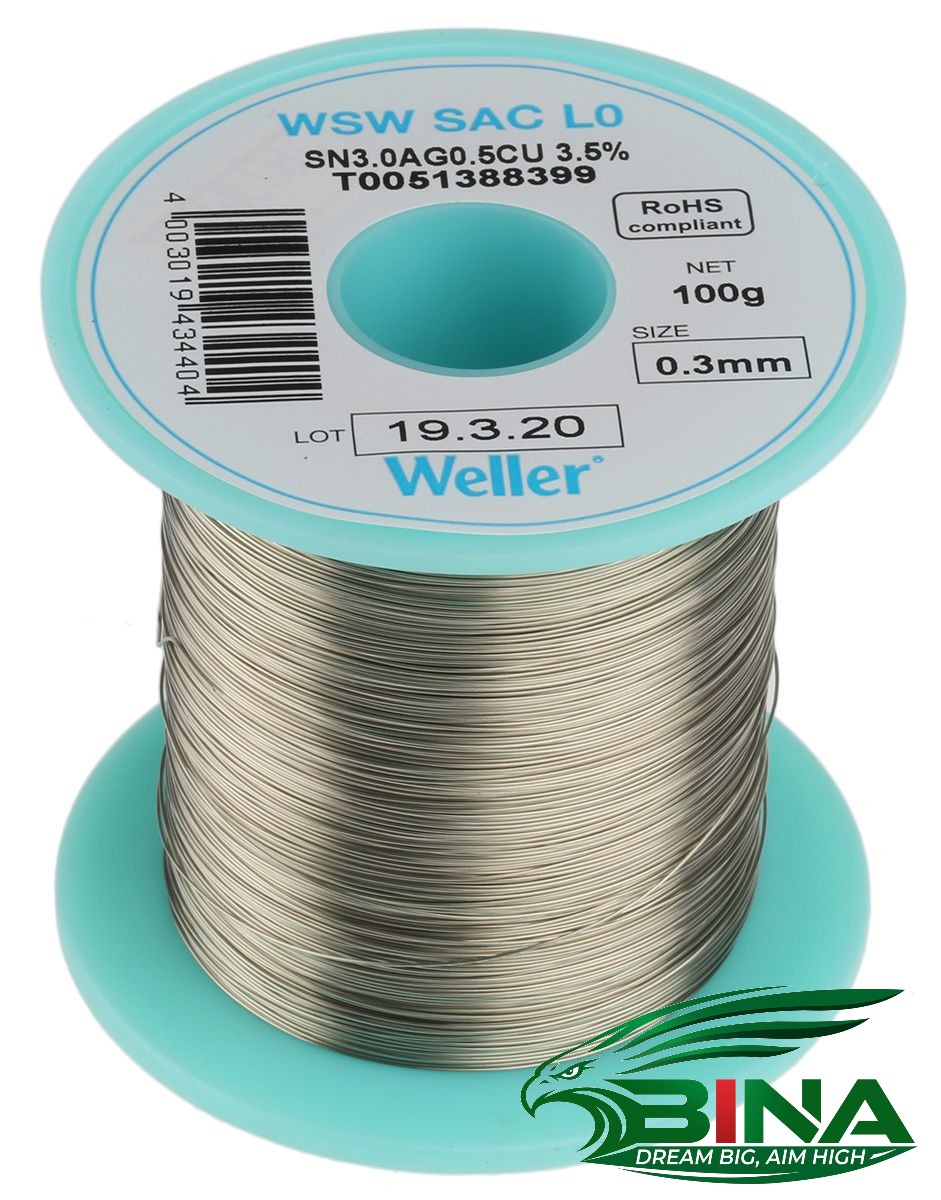
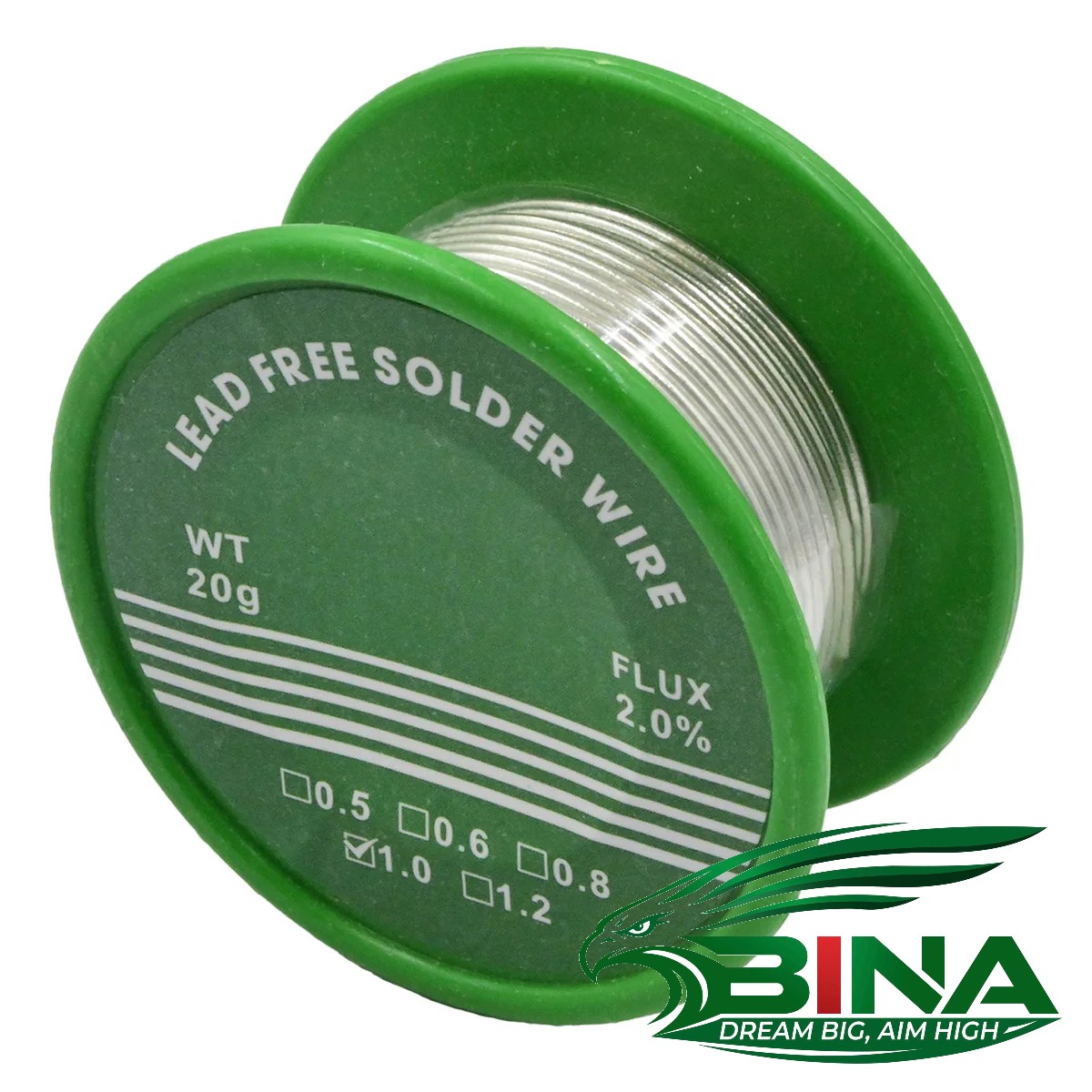
- Solder wire: Wire-shaped, commonly used for manual soldering.
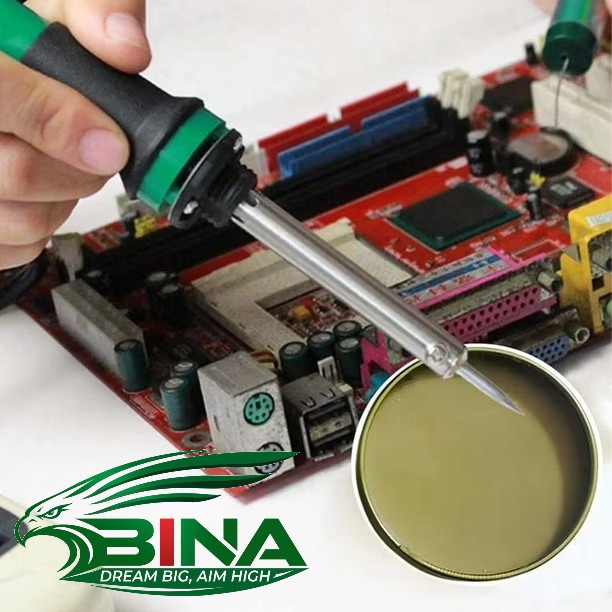
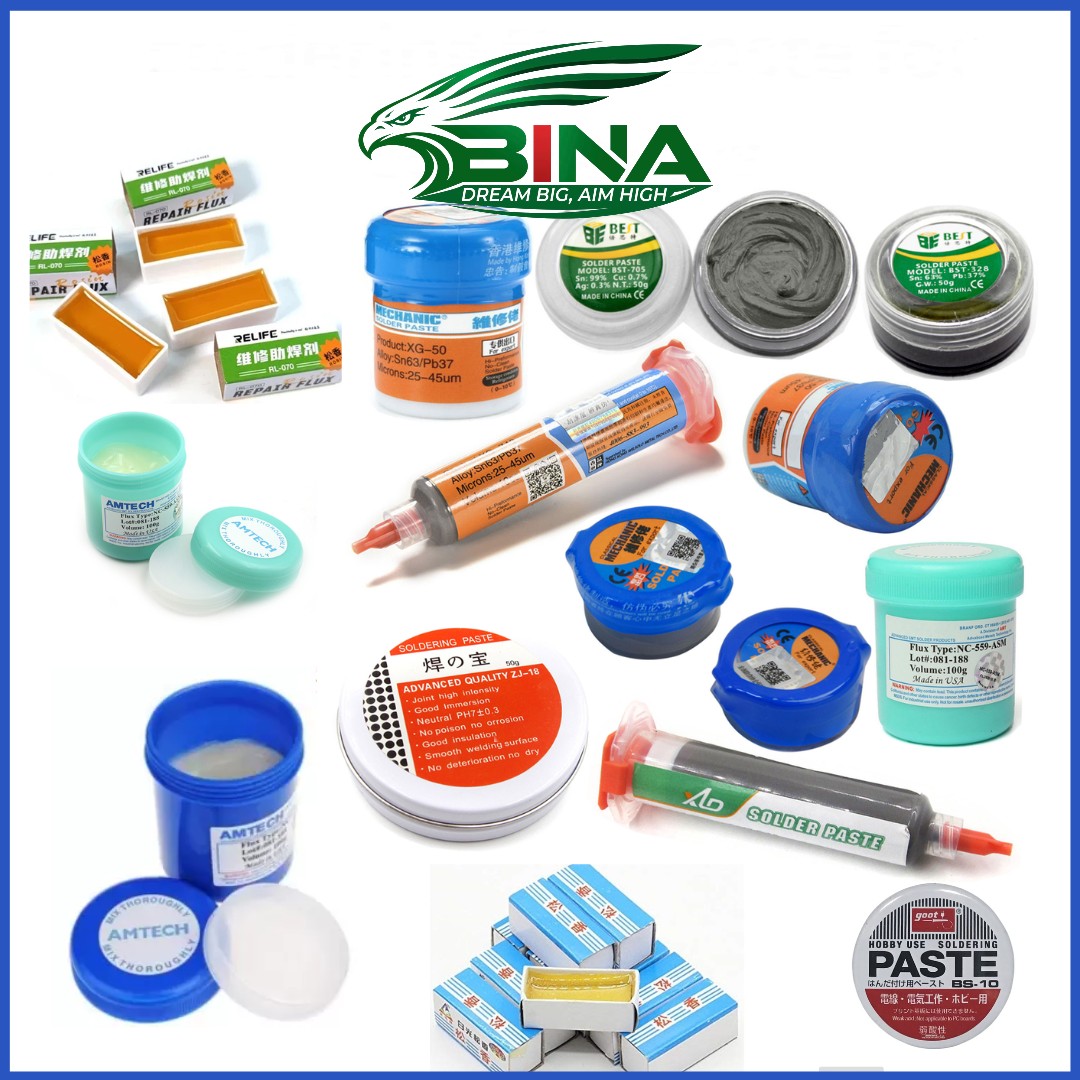
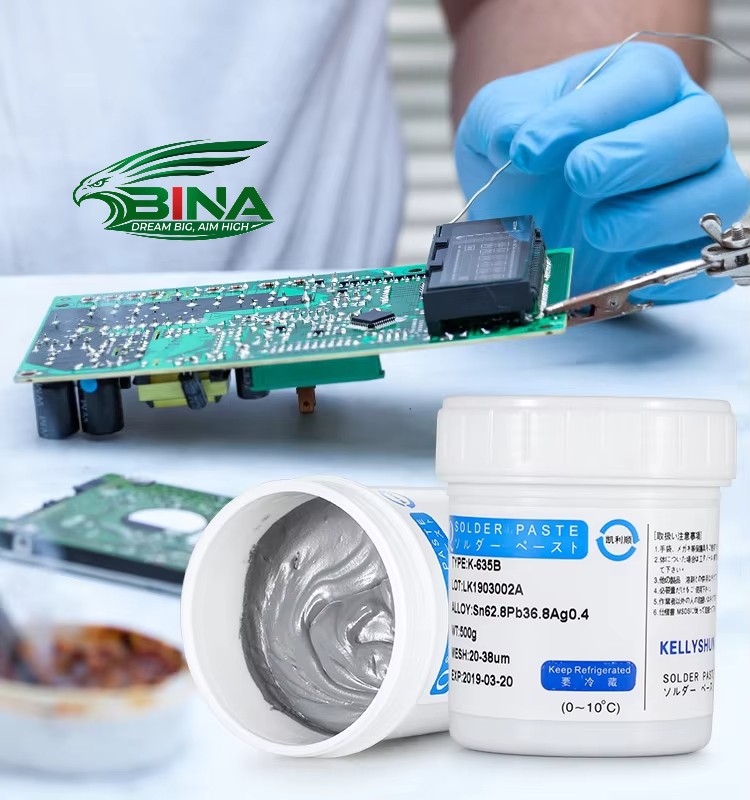
- Solder paste: Solder in powder form mixed with flux, commonly used in SMT (Surface Mount Technology).
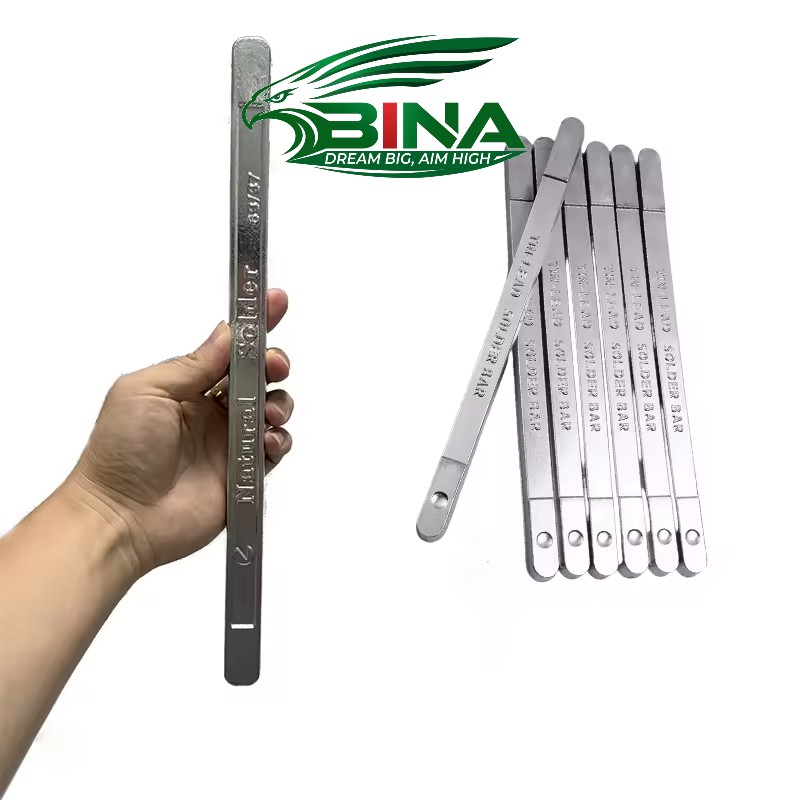
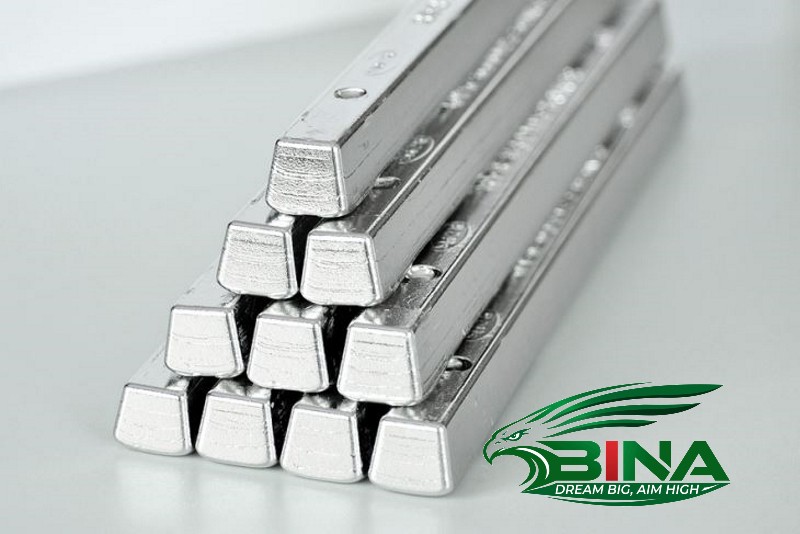
- Solder bar: Commonly used in wave soldering or dip soldering.
 |
Solder applications
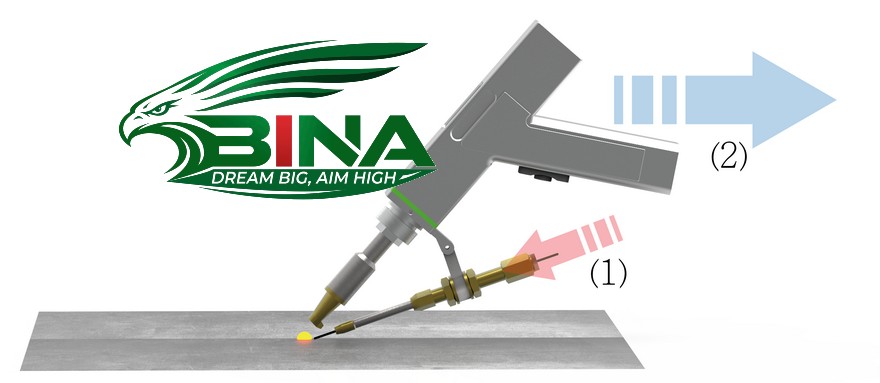
- Electronics manufacturing: Packaging and connecting printed circuit board (PCB) components.
- Metalworking: Soldering precision parts and tubes.
 |
Solder production process
The main solder production processes include melting raw materials, alloying, forming (such as grinding into powder, extruding into wire, or preliminary forming), and inspection, with the aim of producing high-purity tin-based alloys (Sn-Ag-Cu, Sn-Pb, etc.) with precise compositions. These materials are widely used in soft soldering technology for electronic packaging.
 |
1. Core process of solder production
- Preparation and melting of raw materials: In a high-purity environment, tin, silver, copper, bismuth and other metal raw materials are precisely measured and melted in a furnace.
- Alloying and refining: Ensure a uniform composition in the molten state and carry out refining to remove impurities.
- Powdering (for solder paste): Using atomization technology, the liquid alloy is formed into ultra-fine spherical powder.
- Extrusion and wire drawing (for solder wire): The alloy ingot is heated and extruded into rough rods, then continuously drawn into fine solder wire.
- Formed solder materials: Solder materials are processed into specific shapes (sheets, rings, etc.) to provide precise solder quantities.
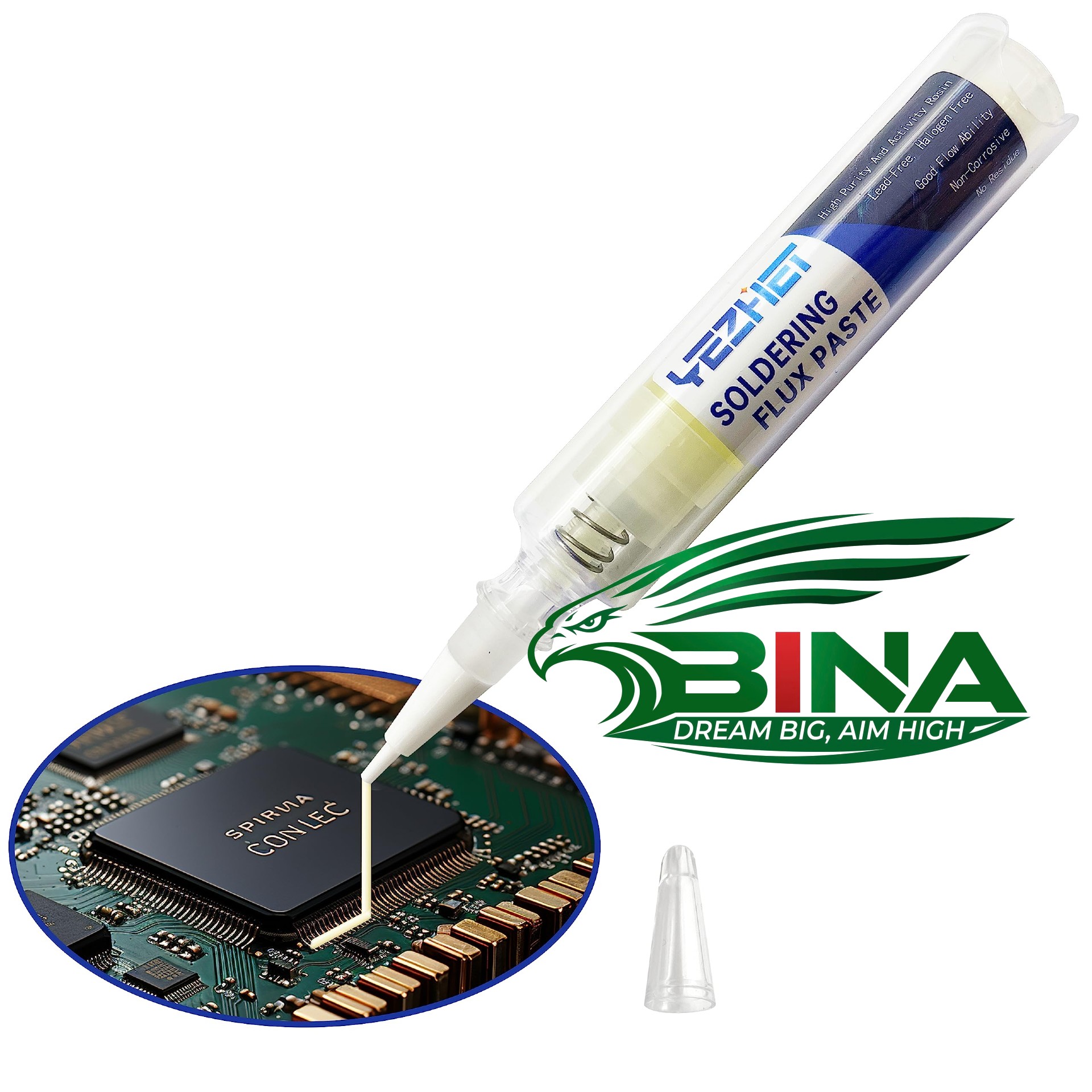
- Adding flux: Resin or chemical flux is often added to solder wire to enhance wettability.
 |
2. Types and main characteristics of soldering materials
- Lead-containing solder (Sn-Pb): A common ratio is Sn63Pb37 (eutectic solder), with a melting point of 183 degrees C, good workability but toxic.
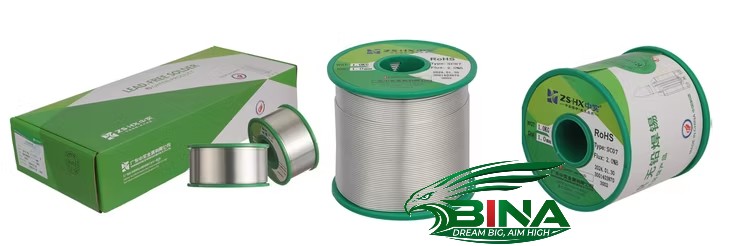
- Lead-free solder: To comply with RoHS regulations, commonly used alloys include the Sn-Ag-Cu (SAC) series, with a higher melting point (approximately 217 degrees C – 220 degrees C), requiring stricter process control.
 |
3. Key factors in the production process
- Accurate component ratios: Ensure the melting point and mechanical properties meet requirements.
- Impurity control: Strictly control the content of metal impurities to improve reliability.
- Particle size distribution (solder powder): Control the particle size of solder powder for different printing processes.
 |
Common Problems in Solder Production
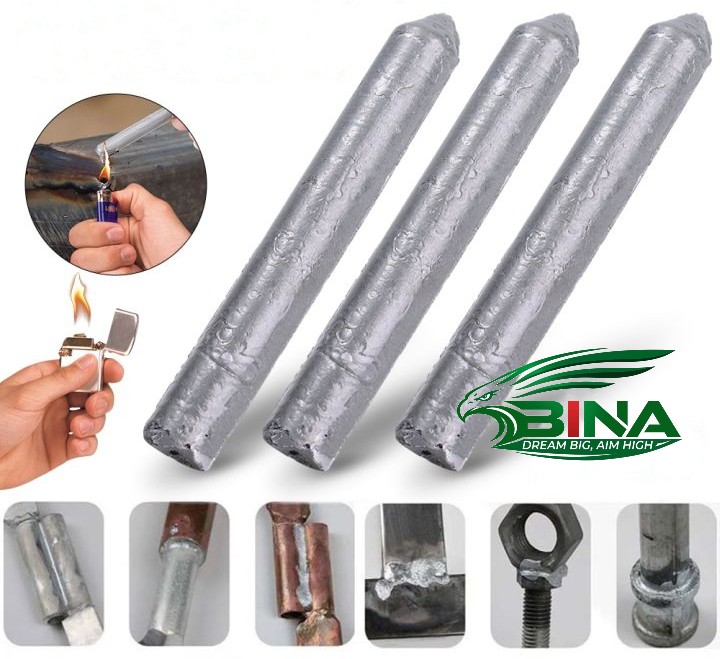
The common problems in solder production mainly occur during the melting and forming stages. They include poor wettability due to metal composition not meeting specifications, excessively high levels of harmful impurities (such as iron and copper) affecting solder joint reliability, as well as porosity, cold solder joints, and oxide inclusions generated during the forming process. These problems directly affect the mechanical strength, electrical properties, and appearance quality of solder joints. Common problems in solder production:
 |
Incompatible composition:
- Incorrect tin content in lead-free solder: The composition of lead-free solder (such as SAC305) is extremely sensitive to temperature. Uneven composition can lead to an increased melting point or poor wettability.
- Lead contamination: Lead contamination in the lead-free solder production line can cause serious quality issues (RoHS violations).
 |
Excessive impurities:
- Iron (Fe) and copper (Cu) contamination: Iron and copper dissolved from the melting pot or tools during the melting process can increase the brittleness of the solder, form ice crystals, and cause a rough solder joint surface.
- Oxide impurities: When exposed to air in the molten state, tin oxides readily form, affecting the solder’s flow and adhesion.
 |
Physical defects:
- Porosity/Pinholes: Improper control of the cooling rate after melting, or the presence of volatile substances in the solder itself, can lead to internal porosity in the solder rods, affecting electrical conductivity and structural strength.
- Impurities: Incomplete removal of oxide residues after melting, which are directly deposited into the solder rods, causing cold solder joints during soldering.
Forming and processing issues:
- Poor solder rod appearance: Darkened, oxidized, severely segregated surfaces, affecting customer confidence.
- Dimensional accuracy errors: Uneven diameter/size of solder wire or solder rods, affecting feeding in automated production.
 |
Common soldering defects (SMT/PCBA)
Common issues encountered during the use of solder include:
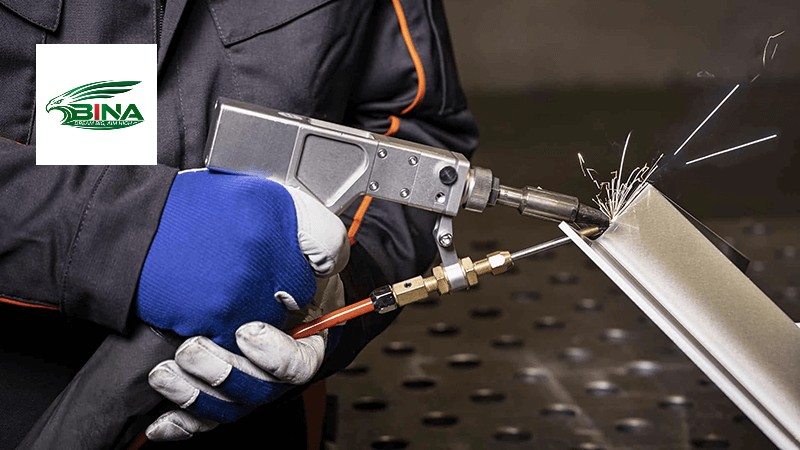
- Bridging: Two solder joints are connected, usually due to an excessive amount of solder. “Tombstoning”: Uneven wetting forces at both ends of the component cause one end to lift up.
- Cold Joint: The solder moves before melting or cools completely, resulting in a weak solder joint structure.
 |
Tips for storing solder
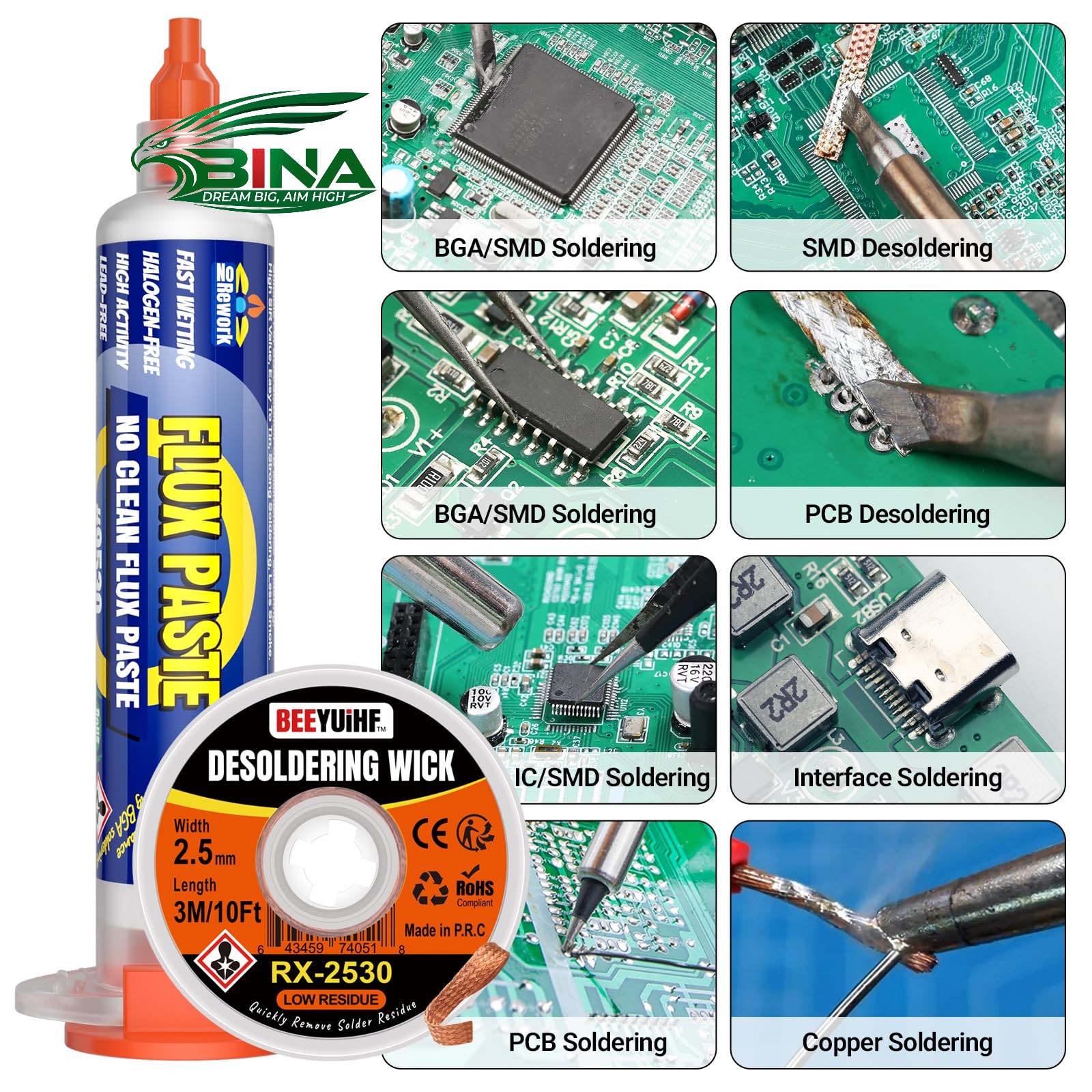
Solder paste must be stored in a refrigerator at a temperature of 0-10°C, tightly sealed to prevent oxidation and deterioration. Before use, let the paste warm up to room temperature and avoid turning upside down solder paste bottles with pointed tips. Solder wire should be stored in a dry place at room temperature, away from high temperatures and humidity. Points to note when storing:
 |
Soldering adhesive
- Temperature: The cold storage temperature is 0°C – 10°C, do not freeze (unless explicitly permitted in the product instructions).
- Environment: Keep tightly sealed and store in a dry, well-ventilated, cool place.
- Warming: Allow the adhesive to warm to room temperature for 2-4 hours before use to prevent condensation.
- Storage method: For syringes or bottles of soldering adhesive, it is recommended to store them with the pointed tip facing downward.
- Shelf life: Normally, the shelf life is 6 months when tightly sealed and refrigerated. Use within 24 hours after opening.
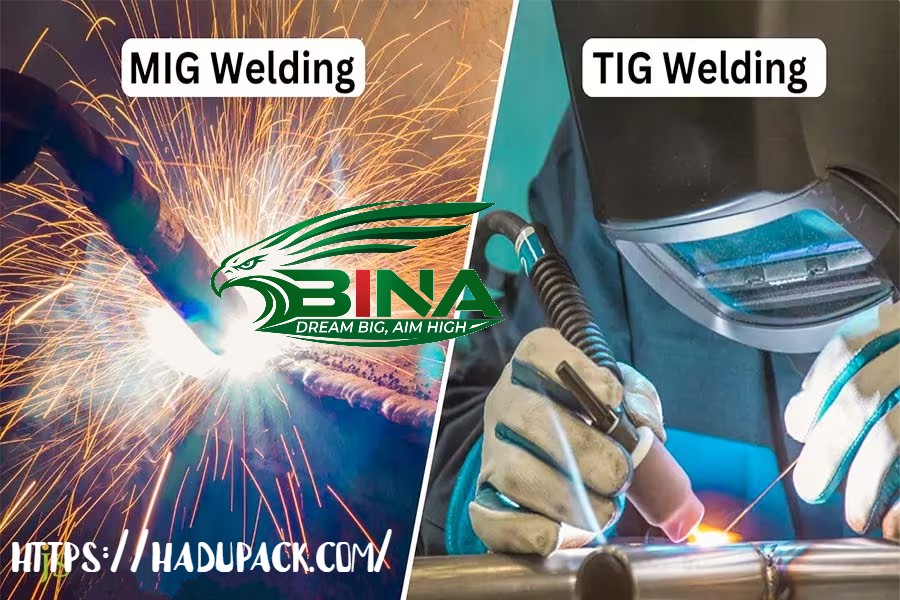
Solder wire
- Environment: Store in a dry, well-ventilated place at room temperature.
- Avoid: High temperatures and direct sunlight to prevent oxidation.
- Precaution: Check the refrigerator temperature regularly.
If exposed to extremely low temperatures below -13.2°C for a prolonged period, the solder may turn into gray solder powder. Pay particular attention to the storage ambient temperature.
 |
Precautions when using solder
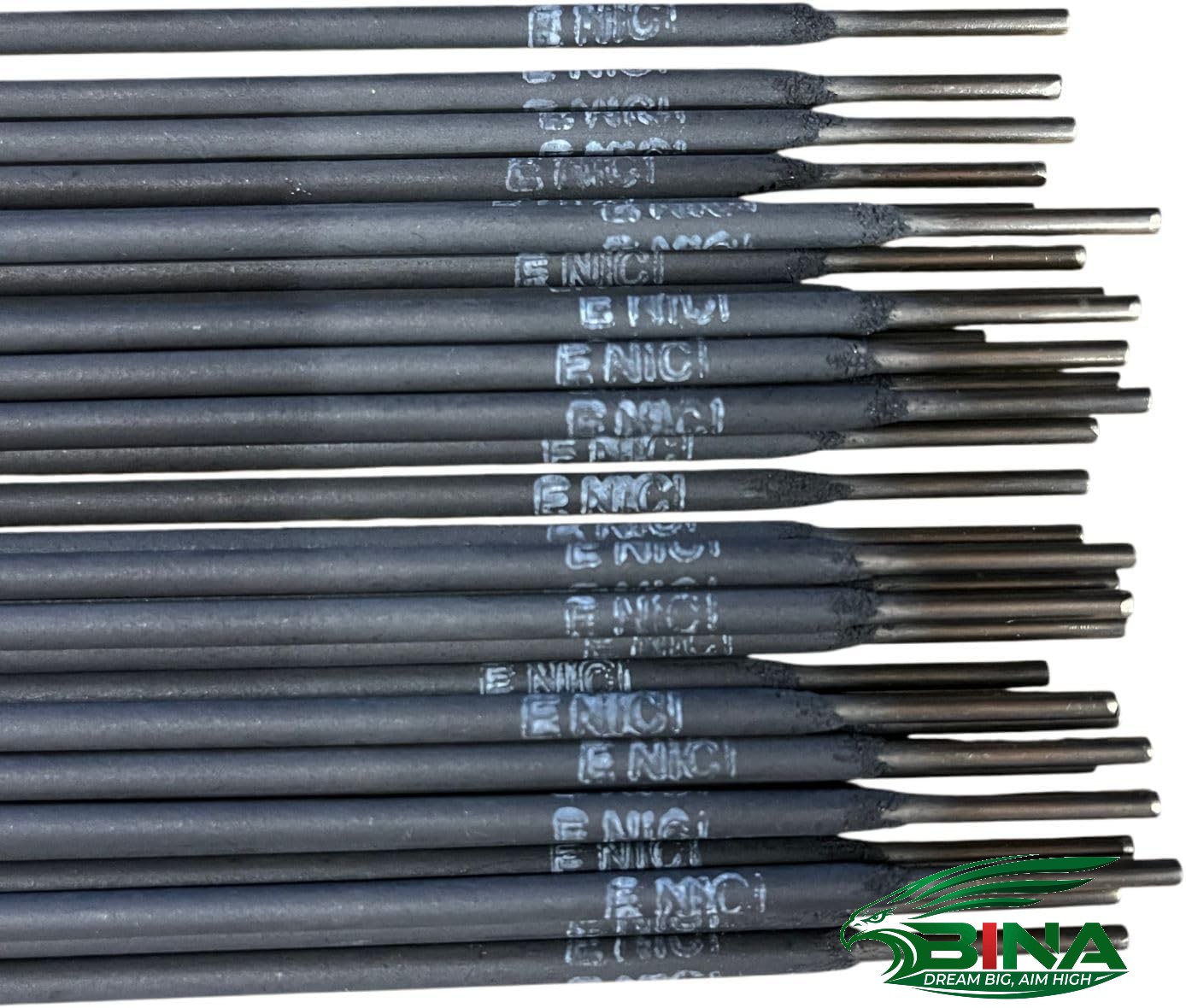
Safety is just as important as technique when using solder. Always wear safety goggles and gloves, and use a fume extractor to avoid inhaling toxic fumes. Soldering technique should follow the steps “preheat – apply solder – remove solder – cool” to ensure a complete solder joint. At the same time, the temperature of the soldering tool should be set at around 300 degrees C (more precise temperature control is required for lead-free solder) to reduce oxidation. Detailed precautions for use are as follows:
 |
I. Safety and Environmental Protection (Most Important)
- Personal protection: Welding produces toxic fumes containing heavy metals such as lead and cadmium. Always wear a mask, safety goggles, and gloves.
- Environmental ventilation: The welding area must have professional fume extraction equipment; never work in an enclosed space.
- Fire prevention and firefighting: Ensure the work area is clean and place a fire-resistant mat to prevent welding sparks from flying out.
- Hygiene habits: Wash your hands thoroughly after working; eating and drinking in the welding environment are strictly prohibited.
 |
II. Soldering Techniques (Tool Operation)
- Temperature control: The temperature must not be too high. Lead-based solder has a temperature of approximately 250 degrees C – 300 degrees C, while lead-free solder usually requires a higher temperature and good thermal recovery capability, typically above 300 degrees C
- Four soldering steps: Preheating (the soldering iron tip contacts the soldering point and lead), applying solder (the solder contacts the heated area), removing (removing the solder wire), cooling (solidifying the solder joint).
- Prevent oxidation: Avoid prolonged exposure to 400 degrees C to prevent rapid oxidation of the soldering iron tip and poor solder adhesion.
- Avoid cold solder joints: Ensure that the components are completely covered with solder to prevent rough surfaces or incomplete solder joints.
 |
III. Storage of solder and soldering flux
- Environmental control: Solder paste should be stored in a refrigerator at a temperature between 2°C and 5°C. The solder paste must be warmed to room temperature for at least 4 hours before use.
- Inspection type: Select soldering materials that meet the required standards (leaded or lead-free) according to the soldering requirements.