


What is 3M sandpaper?
3M sandpaper is a high-quality abrasive material manufactured by 3M Company in the United States. It uses high-strength paper, cloth, or foam as the backing material, with a coating of alumina or silicon carbide abrasive grains on the surface. It is widely used in the automotive body industry, woodworking, and metalworking. Its features include electrostatic abrasive technology, an anti-clogging coating, strong cutting performance, high durability, and improved grinding efficiency.
 |
◆Learn more:
- https://hadupack.com/thiec-han/
- https://hadupack.com/san-pham/quat-thoi-ion/
- https://hadupack.com/san-pham/thanh-khu-tinh-dien/
Types and key characteristics of 3M sandpaper:
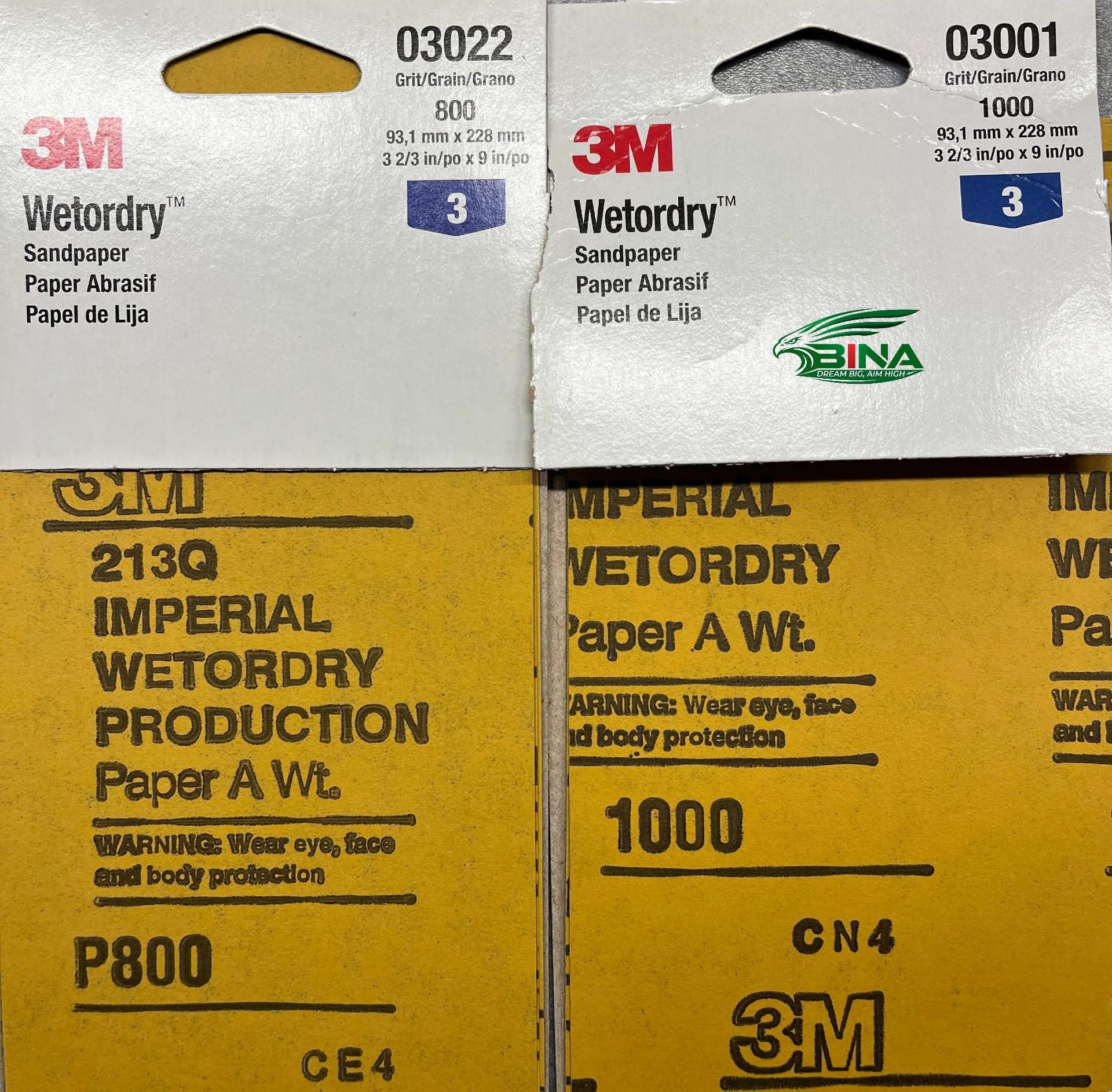
- Wet sandpaper (Wetordry™): For example, the 213Q series, with excellent water resistance, suitable for wet sanding and smooth edge finishing. The aluminum oxide abrasive design on the surface is suitable for polishing painted surfaces.
- Blue dry sandpaper (Blue Sand): A classic product; the upgraded version significantly improves cutting performance, suitable for quickly sanding metal sheets.
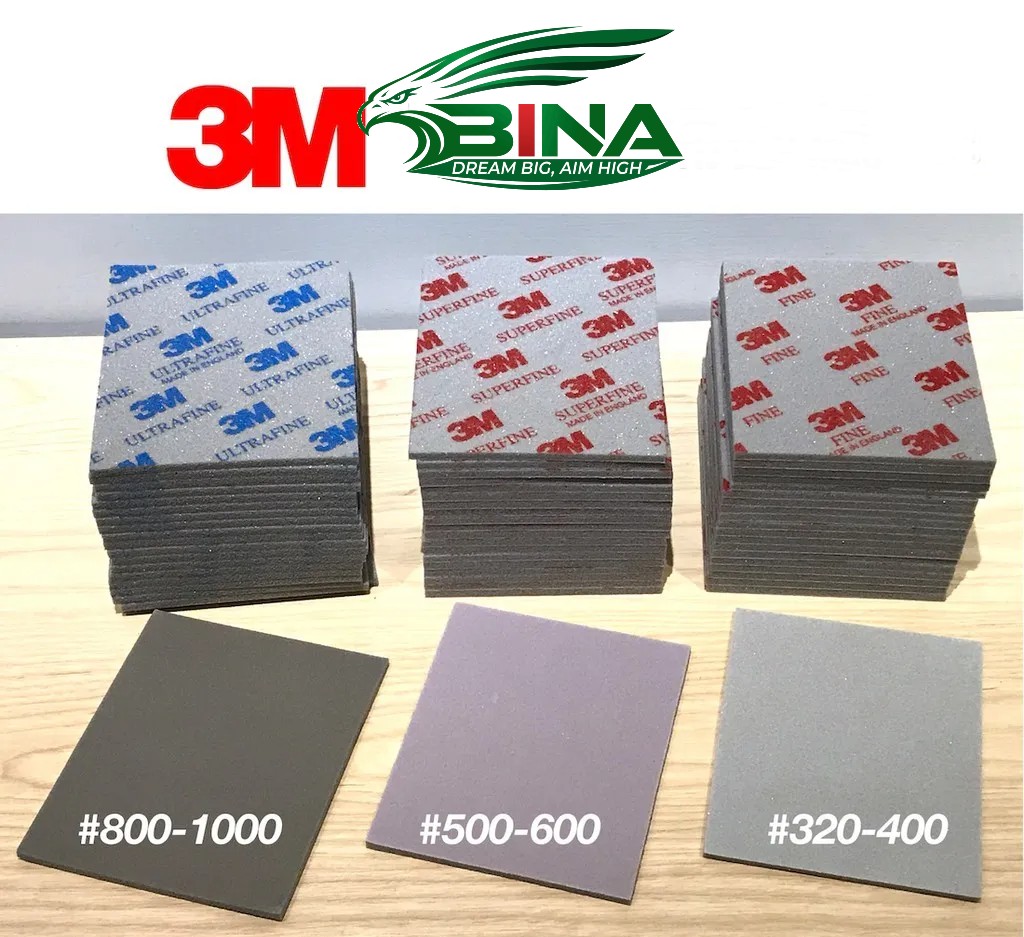
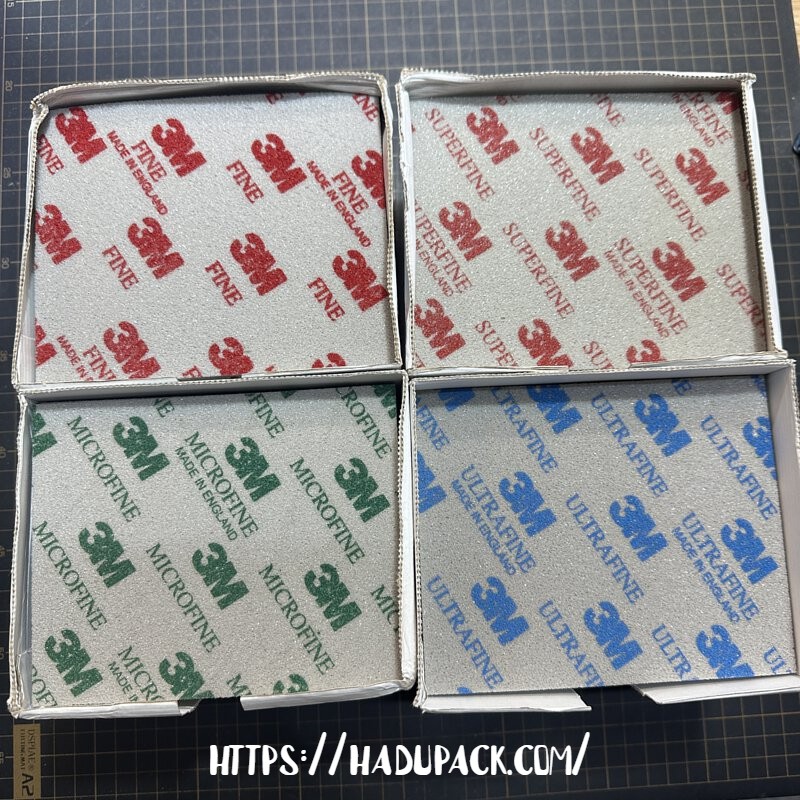
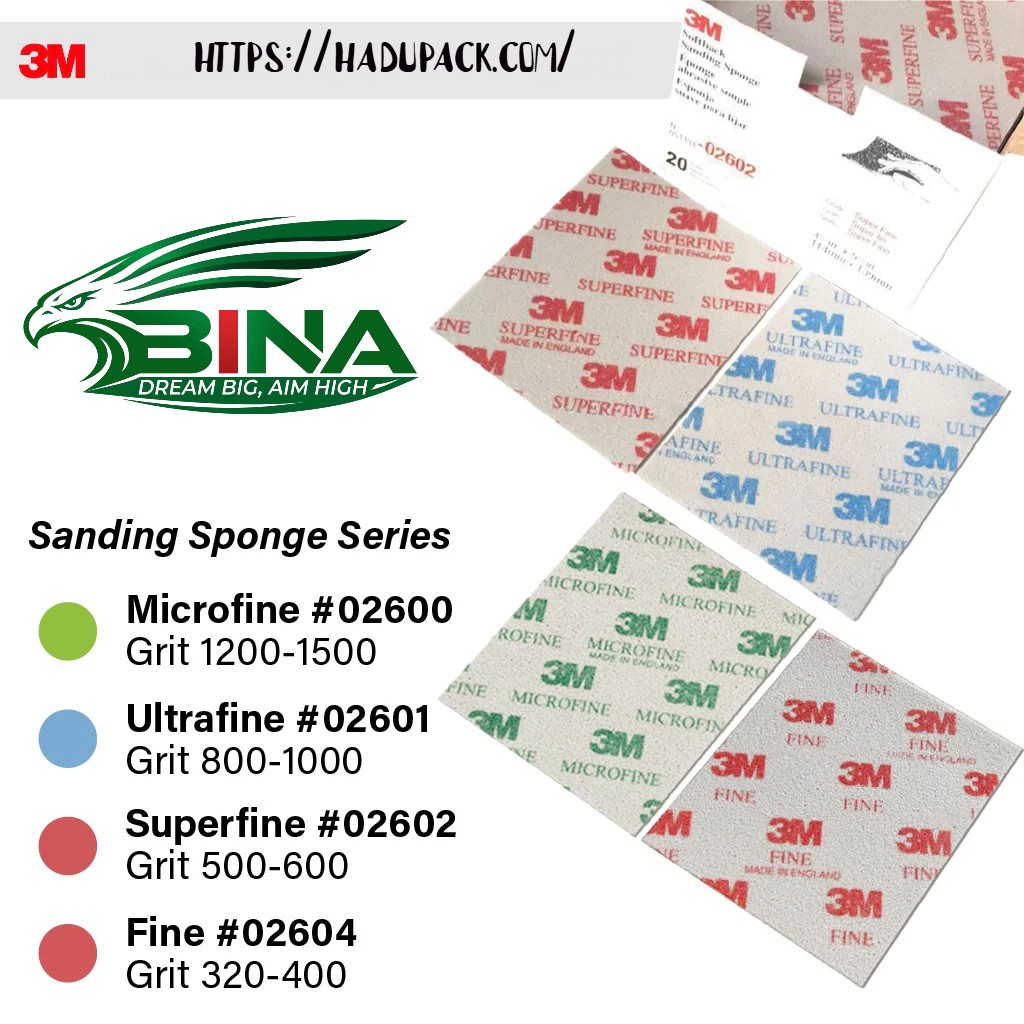
- Foam sanding sheets: Highly elastic, suitable for sanding specially curved surfaces and complex details, often used in modeling or automotive paint repair.
- Self-adhesive sandpaper (Stikit™): Features a self-adhesive backing for easy replacement.
 |
Core advantages of 3M sandpaper:
- High cutting efficiency: Sharp and uniform abrasive grains ensure consistent sanding results.
- Clog resistance: A special coating reduces the buildup of sanding debris and extends service life.
- Versatile applications: Available in various grits, from coarse sanding to fine polishing.
 |
3M sandpaper manufacturing process
The core manufacturing process of 3M sandpaper includes “coating” and “bonding” technologies. It uses high-strength waterproof paper or fiber as the substrate, precisely coated with silicon carbide or alumina abrasives. The key features lie in the precise distribution of the abrasives, combined with a strong binder, followed by drying and cutting steps to produce products including waterproof sandpaper and PSA adhesive-backed sandpaper. The main steps in the 3M sandpaper manufacturing process:
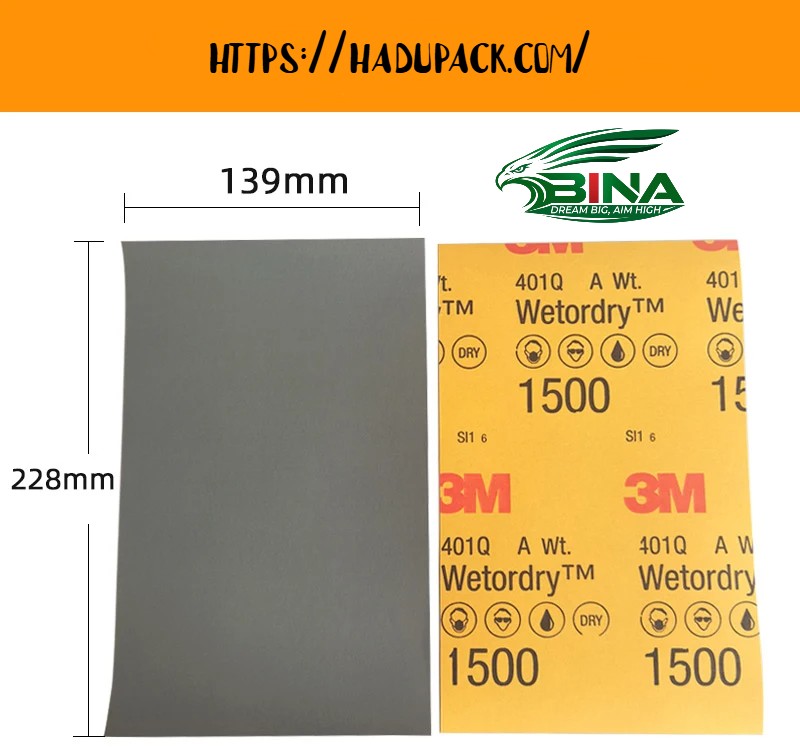 |
- Substrate preparation: Use high-quality waterproof paper (such as 401Q wet-and-dry sandpaper) or a pad with a paper backing + felt as the substrate, which can be treated with an anti-slip coating on the back.
- Abrasive coating: Use electrostatic abrasive coating technology, with silicon carbide or alumina abrasives evenly and vertically distributed on the substrate to ensure excellent cutting power.
- Binder coating: Apply a high-strength resin binder to firmly secure the abrasive to the substrate, which is crucial for the durability and grinding life of the sandpaper.
- Drying and shaping: The resin is cured in a tunnel kiln, ensuring that the sandpaper has high water resistance and tear resistance.
- Back adhesive layer (Optional): Some products (such as PSA sandpaper rolls) have a pressure-sensitive adhesive (PSA) layer on the back for easy application.
Production technology features:
- Water resistance: 3M’s high-strength, water-resistant material makes the sandpaper suitable for wet sanding of metal and primer, effectively removing dust.
- High-efficiency grinding: The fine-grain coating process enables fast cutting and smooth surface finishing.
 |
Common issues encountered when manufacturing 3M sandpaper
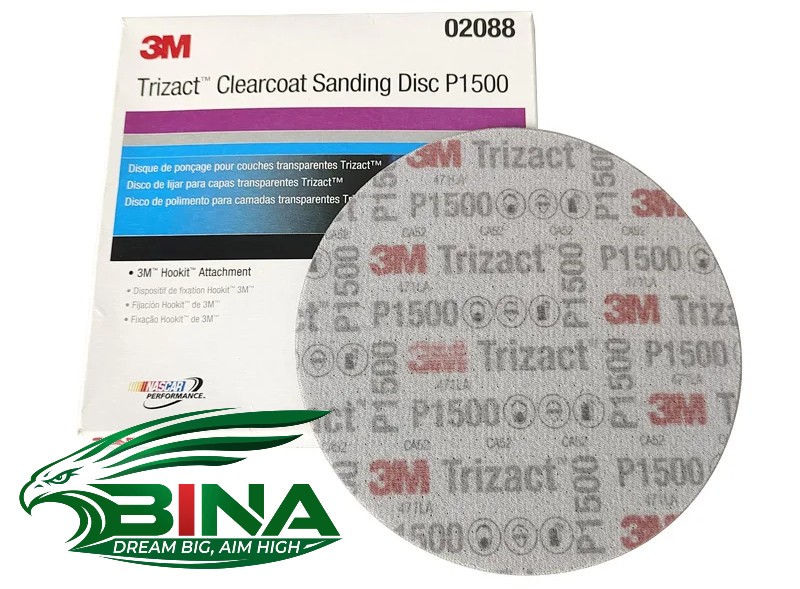
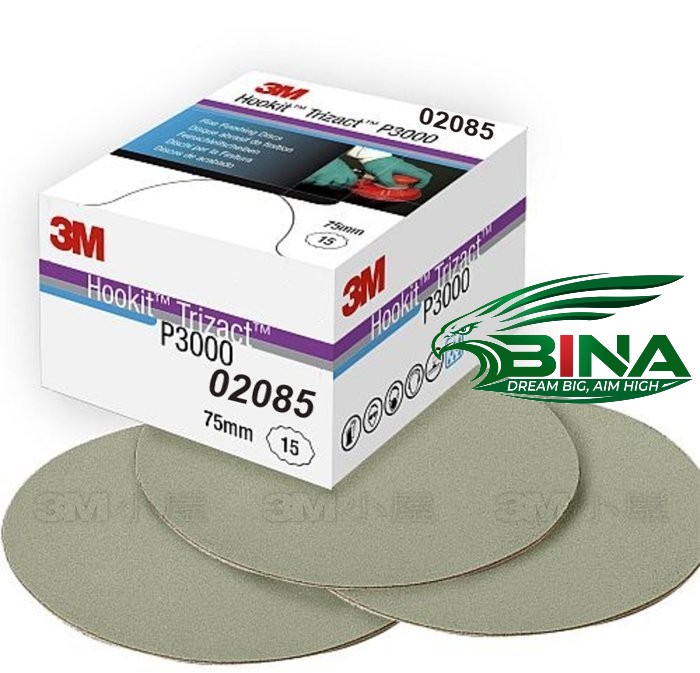
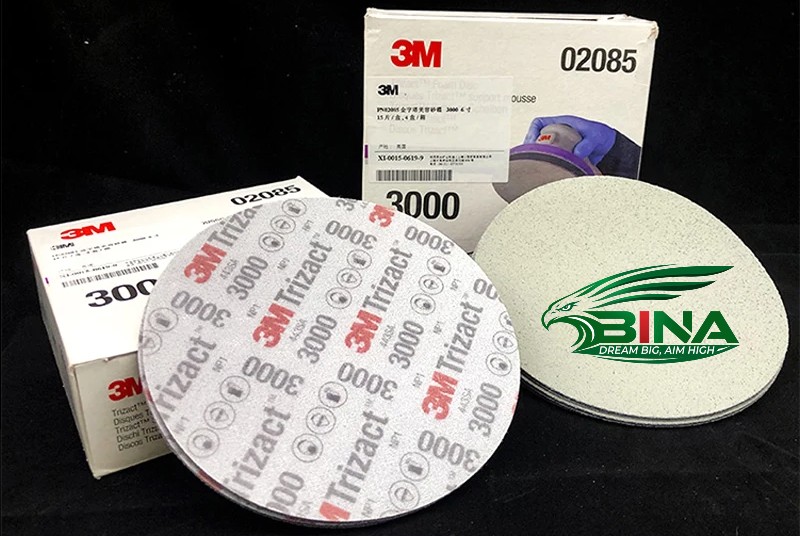
3M sandpaper (such as the Trizact™ line) focuses on abrasive uniformity, adhesion to the substrate, and abrasive grain arrangement during manufacturing. Common challenges include: uneven coating leading to inconsistent grinding, adhesive failure at high temperatures causing abrasive grain shedding, and the precise application of special coatings (such as anti-loading coatings). High-quality manufacturing processes ensure consistent abrasive grain arrangement to improve cutting performance and service life.
 |
Common issues in 3M sandpaper production and quality:
- In professional sandpaper manufacturing (such as 3M Taiwan’s abrasive products), common technical and quality issues include: Uneven abrasive distribution (Coating uniformity):
- Issue: The abrasive material (abrasive grains) is not evenly distributed across the sandpaper substrate, resulting in “high spots” or “low spots” on the sandpaper surface.
- Impact: This leads to inconsistent surface roughness on the polished surface during use, affecting the quality of the finished product.
 |
Adhesive failure:
- Problem: If the coating process is not properly controlled, the adhesive between the abrasive grains and the substrate can easily peel off under the heat generated during high-speed grinding.
- Impact: Premature shedding of the abrasive grains significantly reduces the durability of the sandpaper.
Abrasive grain orientation failure:
Problem: High-quality 3M sandpaper (such as Trizact) uses microreplication technology. The uneven arrangement of three-dimensional pyramid-shaped abrasive structures will affect grinding efficiency.
 |
 |
Anti-clogging coating coverage:
Issue: The surface of sandpaper usually has an anti-clogging coating (reducing the adhesion of sanding dust). If this coating is too thin, the sandpaper is prone to clogging; if it is too thick, it will affect cutting performance.
Flexibility of the backing:
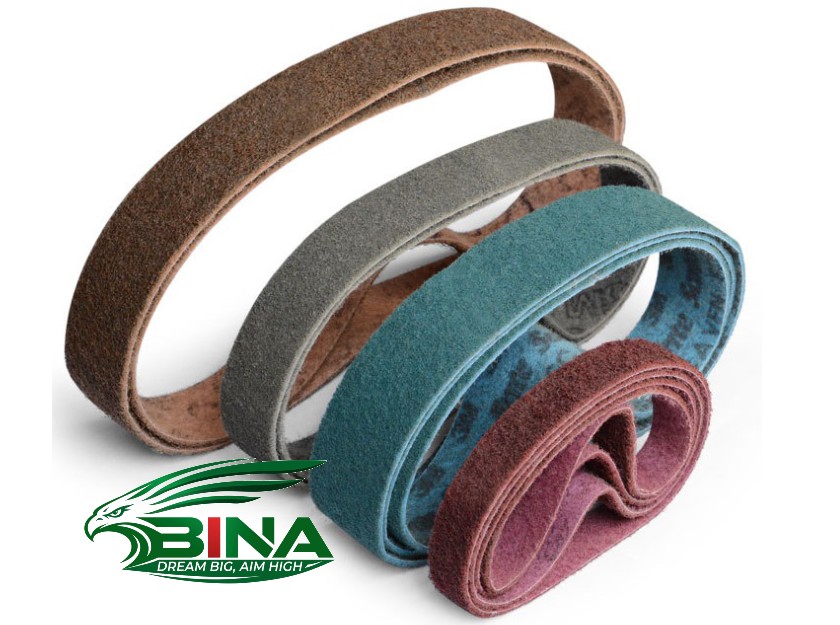
Issue: For different sanding needs (dry or wet sanding), the backing (paper, cloth, film) needs to have appropriate flexibility. If the binder becomes excessively hard during production, the sandpaper will become brittle and prone to breaking.
 |
Types of 3M Sandpaper
3M offers many different types of sandpaper, mainly including foam sandpaper (flexible and water-resistant, suitable for surfaces with irregular shapes), felt/self-adhesive sandpaper (suitable for machine sanding), wet sandpaper (water-resistant, for fine polishing) and precision film sandpaper. Common grits range from coarse (e.g.: #80) to ultra-fine (#2500 and above), suitable for metal, wood, car bodies and automotive paint, as well as fine sanding. Common types and applications of 3M sandpaper:
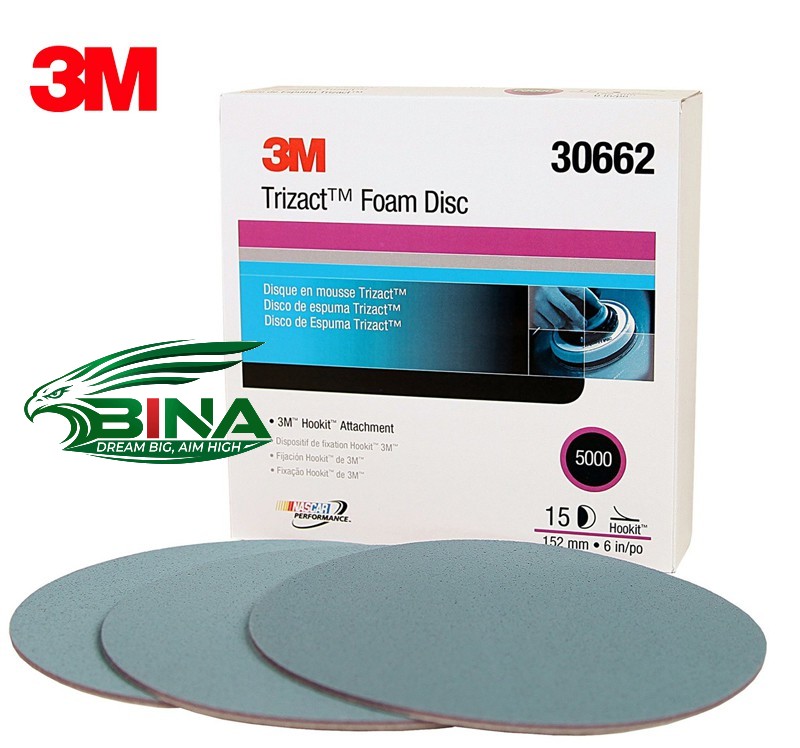 |
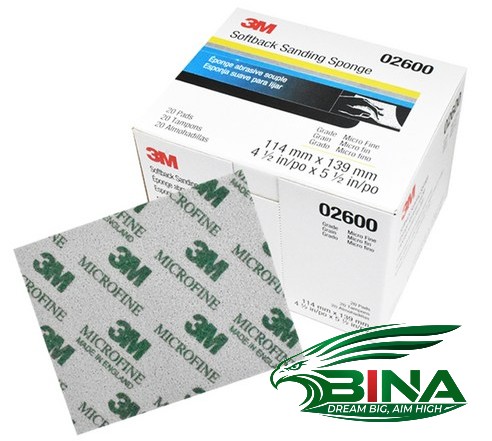
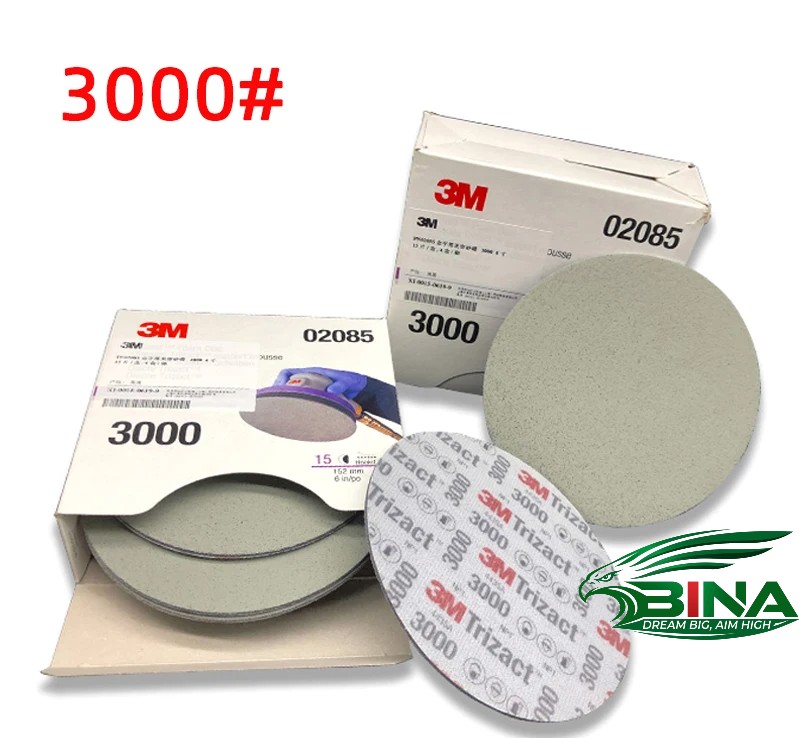
- 3M foam sanding pad/sandpaper: Excellent elasticity, suitable for hand sanding curved surfaces, grooves, or automotive body details; can be used wet or dry.
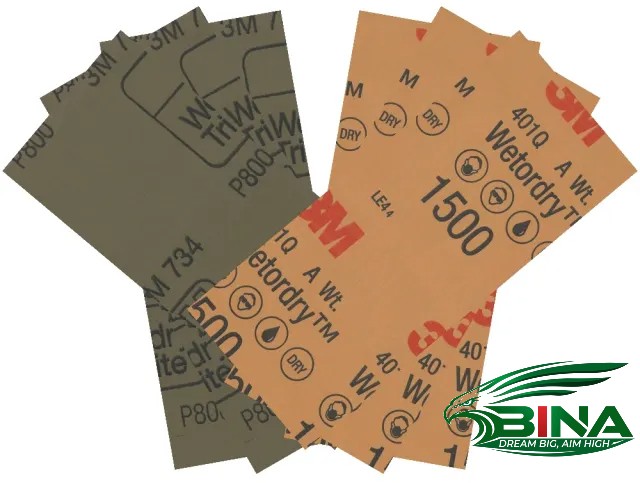
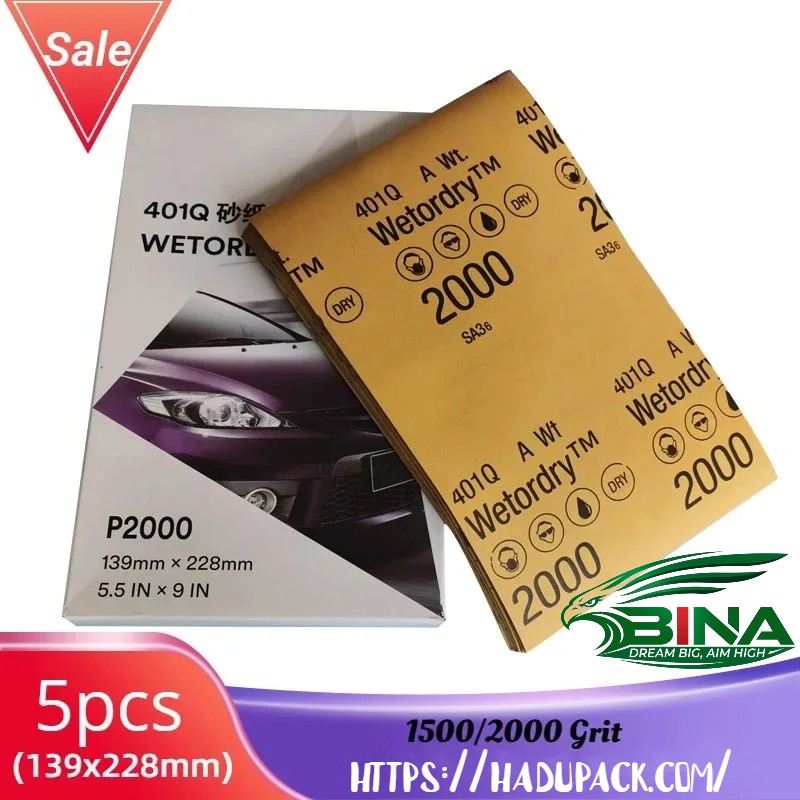
- 3M wet sanding paper (e.g.: 401Q): Made of high-quality silicon carbide and a soft, water-resistant backing material, suitable for polishing paint and sanding stone; wear-resistant with uniform grit.
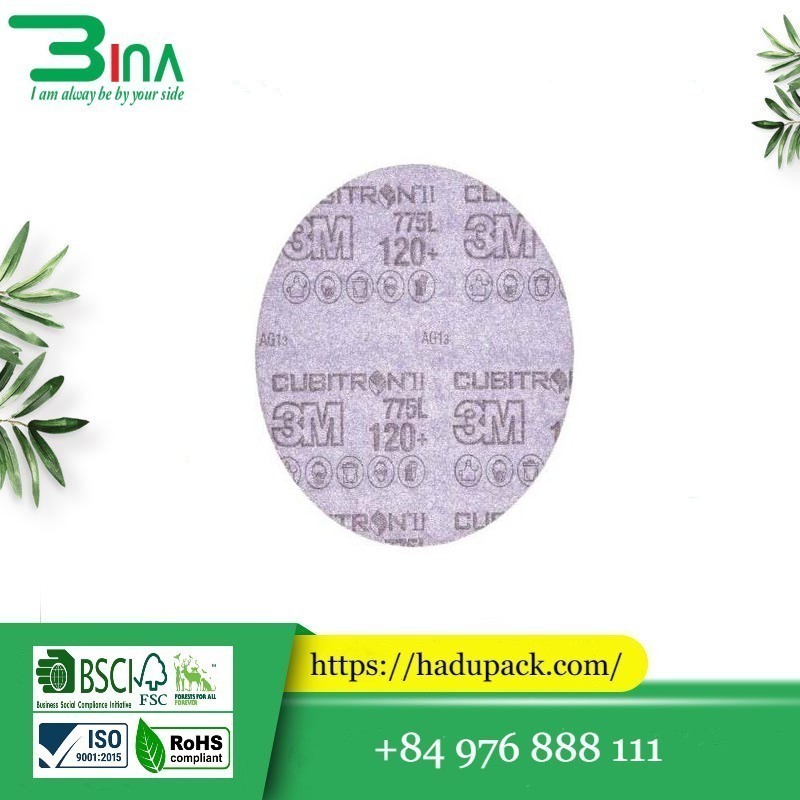
- 3M Hookit/Stikit self-adhesive sandpaper: Mainly available in disc form, used with sanders or orbital sanders, suitable for quickly removing rough surfaces on wood and metal.
- 3M precision thin-film sandpaper (261X): With a thin-film backing and uniform, precise abrasive grains, mainly used for fine polishing of optical and electronic components and automotive paint.
- 3M ultra-durable detail sandpaper: Suitable for hand sanding edges and hard-to-reach areas, with high durability.
Suggestions for choosing sandpaper grit:
- Coarse grit (#80-#180): Used for initial sanding, removing old paint, or heavy-duty sanding.
- Medium grit (#240-#600): Used to remove coarse sanding marks and prepare for polishing.
- Fine grit (#800 and above): Used for fine sanding, wet polishing, and creating a mirror-like finish.
 |
Tips for using 3M sandpaper
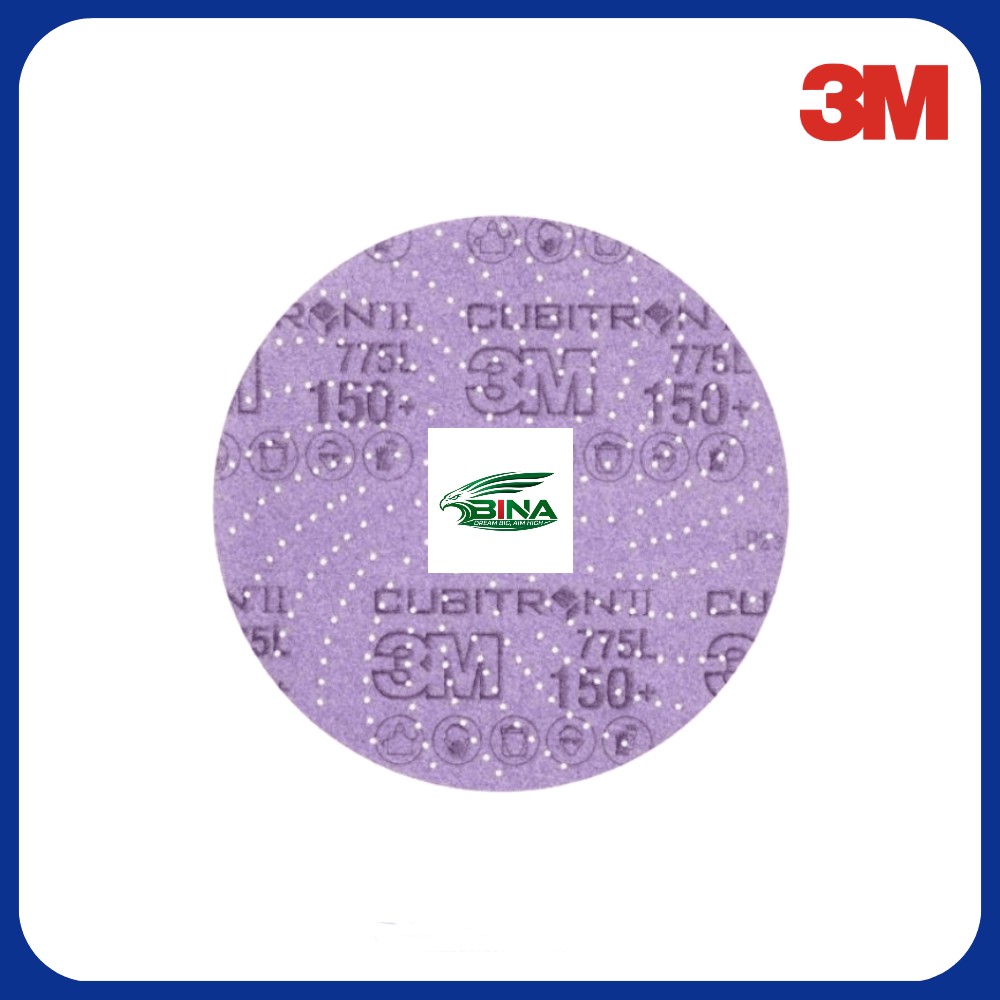
When using 3M sandpaper, choose the type that suits the material and your needs, following the principle of “from coarse to fine” (common grits: #150 coarse → #400 medium → #800 and above fine). For dry sanding, it is recommended to use dust-removing sandpaper; wet sanding (such as 3M 407Q) can reduce scratches and dust. Foam sandpaper (red/blue/green) is suitable for curved surfaces and model details; circular sanding motions should be used. Below, we will introduce the details:
 |
1. Choosing the type of sandpaper
- 3M Wet Sandpaper (407Q): Waterproof and durable, suitable for car bodies, paint, and metal finishing; requires wet sanding.
- 3M Sandpaper/Foam Block: Highly flexible, suitable for curved surfaces, model making, and furniture polishing; can be used dry or wet.
- 3M Mesh Sandpaper (710W): Excellent clogging resistance, suitable for woodworking and wall repair; highly effective dust removal.
2. Basic sanding steps
- Clean the surface: Remove oil and dust.
- Sandpaper grit sequence: Sand in order from “coarse” to “fine”. For example: Use #240 sandpaper to remove old paint, then use #400 to smooth the surface, and finally use #600 or finer to polish.
- Wet sanding method: Soak the sandpaper in water until completely wet, fold the sandpaper or wrap it around a rubber block, and sand the surface in circular motions with even pressure.
- Inspect and clean: Remove dust generated during sanding and check the smoothness of the surface.
 |
3. Different Application Cases
- Wall repair: First, use 120-grit coarse sandpaper to sand down rough areas, then use 220-grit sandpaper to smooth them, and finally use 320-400 grit sandpaper for light polishing.
- Mortar/grout salt treatment: Use a red sanding sponge (medium-fine) moistened with water to sand the windowsill, then use a blue sanding sponge (very fine) for fine polishing.
- Metal/Wood: Use a sanding block to sand the surface. For polishing metal, use sandpaper with a grit of #1000 or higher.
4. Notes
- If the sandpaper curls when wet, use a rubber flattening block.
- If the sanding effectiveness decreases, replace the sandpaper to avoid scratching the surface.
 |
Storing 3M Sandpaper
3M sandpaper and sanding sponges should be stored in a dry, cool, well-ventilated indoor area, away from direct sunlight, high temperatures, and excessive humidity to prevent the abrasive from peeling, damage to the backing, or mold growth. Sanding sponges should be rinsed with clean water and allowed to dry completely after each use, especially after wet sanding. For dry sandpaper, brush off the dust and store it separately to prevent scratching other products.
 |
Important storage details:
- Dry environment: Although wet sandpaper and sponge sandpaper are water-resistant, they should not be soaked in water for too long or stored in a damp place.
- Avoid direct sunlight and heat sources: Direct sunlight can cause the adhesive on the sandpaper backing to age, reducing its durability.
Store flat or organize by order: Avoid placing heavy objects on them for long periods, as this may cause deformation. It is best to store them separately by grit number for easy searching. - Industrial sandpaper/Cloth sandpaper: Cloth sandpaper such as the 3M 314D series should be stored in a dry, cool, well-ventilated place, away from high humidity.