



PLASTIC RESIN
What are Plastic Pellets?
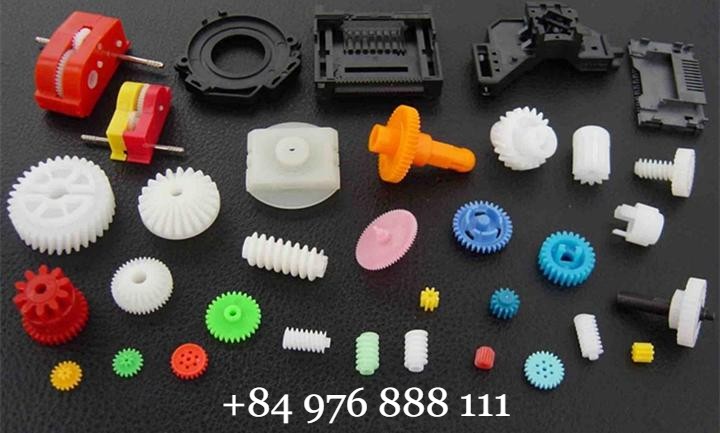
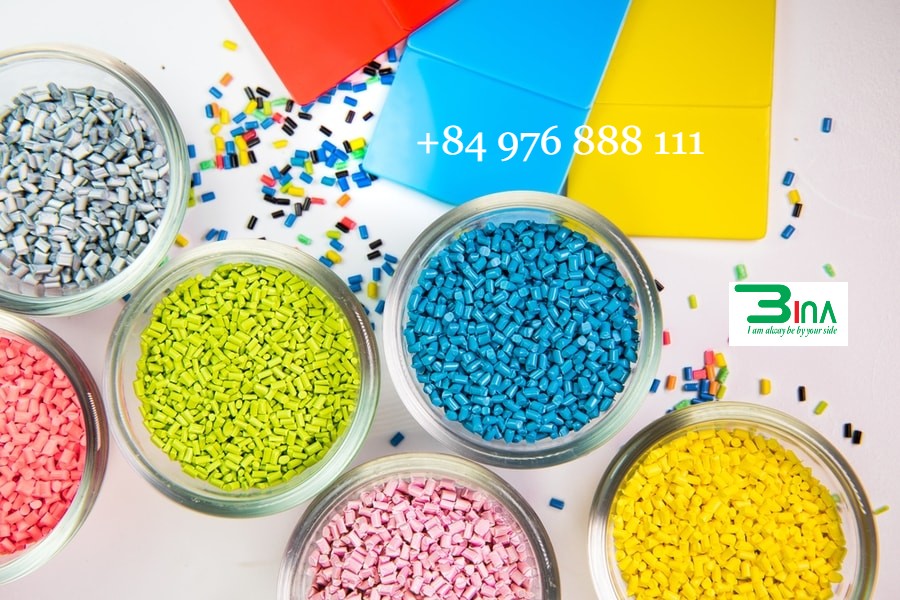
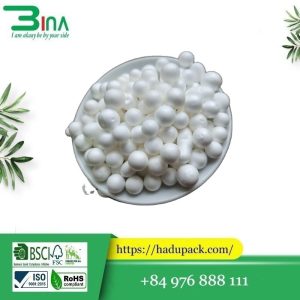
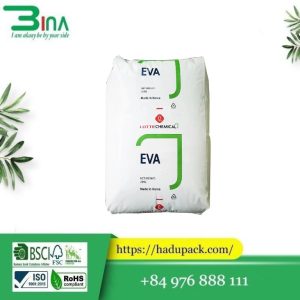
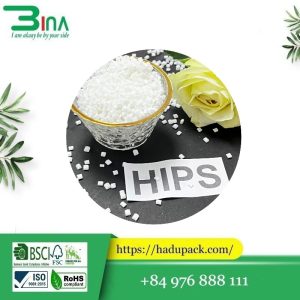
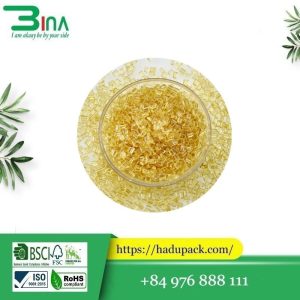
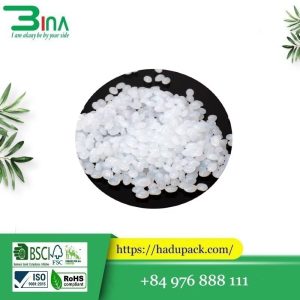
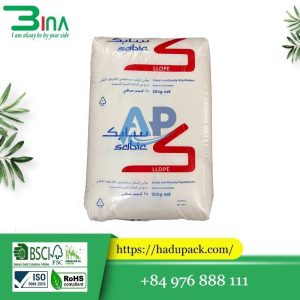
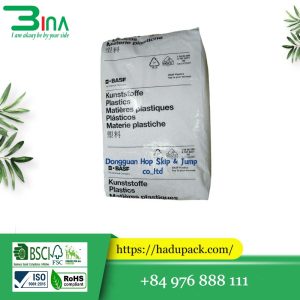
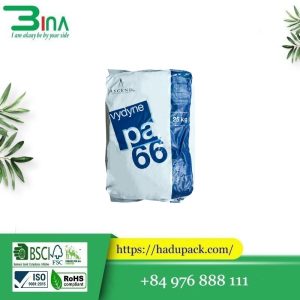
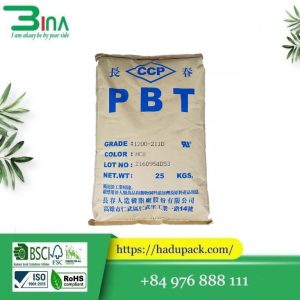
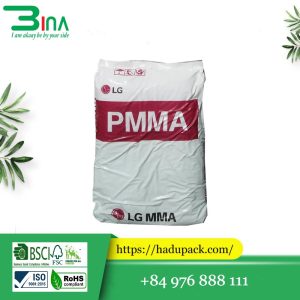
Plastic pellets, commonly referred to as synthetic resin pellets or plastic raw materials, are raw materials used to manufacture plastic products. They are small, solid granules (usually about the size of a grain of rice). They are produced by polymerizing and processing synthetic resins and are the initial form of molded plastic products, widely used in injection molding, extrusion, and other plastic processing technologies.
 |
☞See more:
- https://hadupack.com/en/danh-muc/hop-giay/
- https://hadupack.com/en/danh-muc/bao-bi-nhua/bao-bi-giay/
- https://hadupack.com/en/danh-muc/hat-nhua/
- https://hadupack.com/en/danh-muc/vat-tu-phong-sach/
Here is a detailed introduction to plastic pellets:
Definition and other names:
- Plastic pellets are primarily made from petroleum and are the most basic raw material in the plastics industry.
- They are commonly called synthetic plastic pellets or “nurdles”.
- They are also the source of microplastics (up to 5mm in size).
 |
Characteristics and morphology:
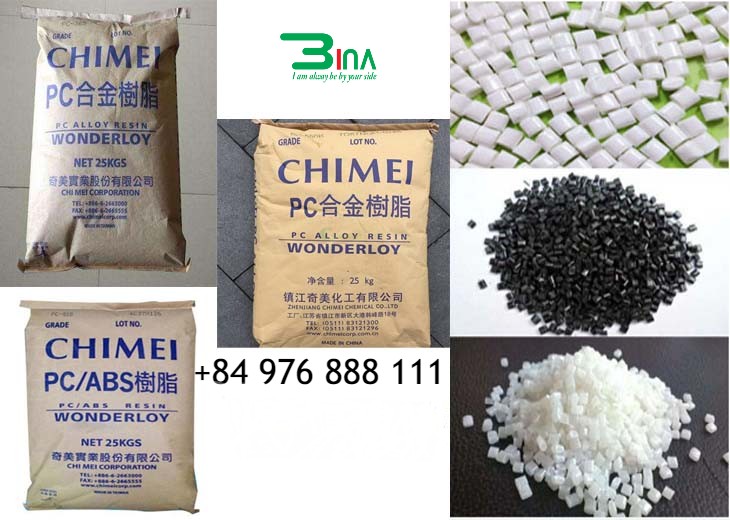
- Solid state: Usually small, hard particles, appearing as transparent, white, or mixed-color clusters.
- Resin base: Plastic pellets contain polymers, mainly divided into commodity plastics (such as PE, PP) and engineering plastics.
- Production process: High-molecular-weight compounds are formed from monomers through chemical processes (such as polymerization).
After production, the plastic pellets are transported to manufacturing plants, where they are heated, melted, and molded into various plastic products.
 |
Main types and applications:
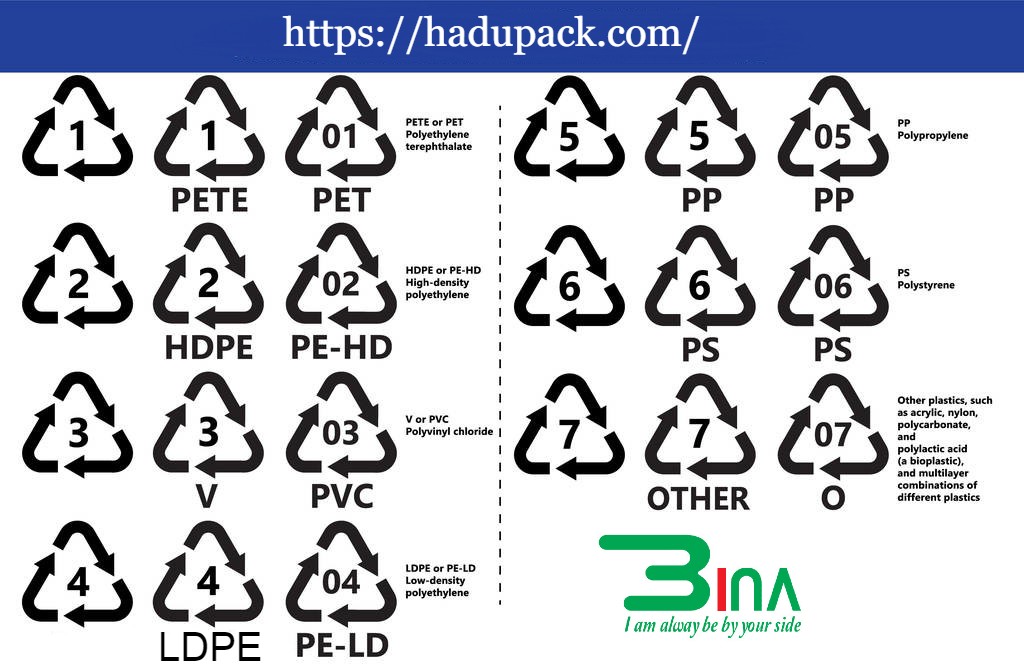
- Polypropylene (PP): Lightweight, rigid, and durable; used to produce woven bags for adults and everyday packaging.
- Polyethylene (PE): Flexible, water-resistant, and has high tensile strength; used to make plastic bags and food packaging.
- PVC plastic: Used in construction, industry, and consumer goods.
- Environmental significance: Plastic pellets can leak into the environment during production and transportation, becoming a major source of microplastic pollution. Environmentalists are advocating measures to reduce pellet leakage.
 |
What makes a good resin?
The properties of a resin are very specific to the project being undertaken; there is no one resin that suits everyone, especially as projects become more specialized. This has given rise to many different types and subtypes. Some of the more general qualities considered beneficial are detailed in the table below.
- Adhesion: Strong bonding with a wide range of different materials.
- Flame resistance: Enhanced safety in the event of a fire
- Mechanical strength: High strength to withstand loads.
- Flexibility: Absorbs energy and resists cracking.
- Chemical resistance: Resists chemicals and environmental factors.
- Thermal stability: Maintains properties across a wide temperature range after curing.
- Low shrinkage: Minimizes internal stresses and warping.
- Viscosity: Ensures easy fiber impregnation and minimizes voids.
- Cure time: Efficient processing and production.
- UV resistance: Protection against ultraviolet radiation.
Frequently Asked Questions (FAQ)
Q. Which resin is suitable for my project?
A. This depends on the project requirements and the reinforcement material being used. Polyester resin should not be used on its own unless it is in the form of a more flexible topcoat. Epoxy can be used as a surface coating to protect existing composite materials through a repair layer, for example. At Hadupack, we offer a wide range of fiberglass and carbon fiber kits. These have been paired with polyester resin and epoxy resin respectively.
Q. How long does laminating resin take to cure?
A. Cure times vary depending on the type of resin. They typically range from a few hours to 24 hours, but properties can be further improved or cure times accelerated by using an autoclave.
Q. What is the shelf life of laminating resin?
A. Shelf life varies by brand but is typically several months to one year when stored in a cool, dark, and dry place. Polyester resin is typically 6 months while epoxy resin is 12 months.
Q. What are the 3 stages of thermosetting resin curing?
A. Thermosetting resin curing process: (1) the resin and hardener are mixed, but the chemical reaction has not yet begun, (2) the chemical reaction has begun and the viscosity and tackiness of the mixture have started to increase and (3) the resin has fully cured.
Showing 1–16 of 25 results





Sản Phẩm Mới



Tin Tức
 Temperature Warning LabelWednesday July 29th, 2026
 Moisture indicator stripThursday July 23rd, 2026
 Mold-resistant PE sheetThursday July 23rd, 2026
 LDPE mold-resistant sheetThursday July 23rd, 2026
 What is fabric interfacing?Wednesday July 22nd, 2026
 White plastic slip sheetSaturday July 18th, 2026
 HDPE plastic slip sheetSaturday July 18th, 2026
 VCI anti-rust powderSaturday July 18th, 2026
 3M sandpaperWednesday April 15th, 2026
 Solder – Solder wire – Solder bar – Solder pasteTuesday April 14th, 2026

