


What is an LDPE mold-resistant sheet?
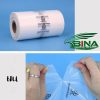
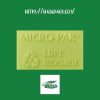
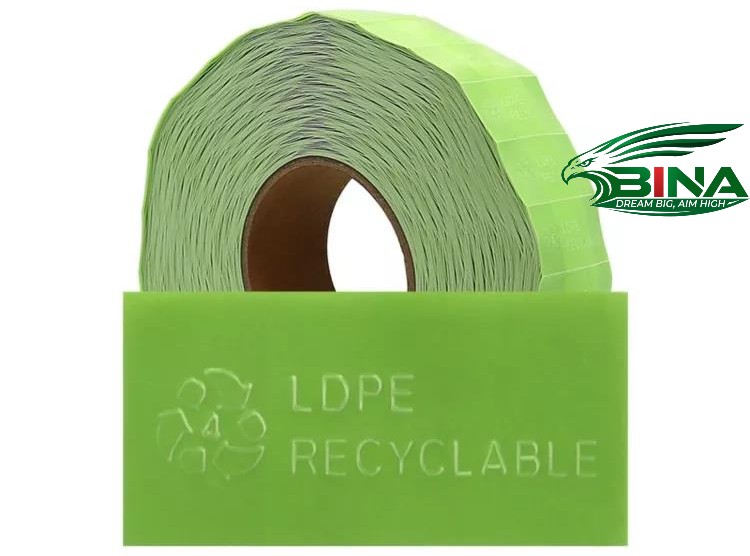
LDPE low-density polyethylene mold-resistant sheets are polymer packaging materials that use LDPE plastic as the carrier and incorporate environmentally friendly mold-resistant/antibacterial agents through extrusion and other processes. They can slowly release mold-resistant agents over an extended period, inhibiting the growth of mold spores inside sealed packaging. They are widely used for moisture and mold protection of footwear, clothing, leather goods, and electronic products.
 |
◆Learn more:
Key features of LDPE mold-resistant sheets:
- Slow-release preservation: Activated by humidity, it slowly releases anti-mold gas, effectively killing and isolating mold in enclosed spaces.
- Safe and non-toxic: Mainly made from food-contact materials, combined with plant essential oils or safe, environmentally friendly antibacterial agents, making it safe for people.
- High durability and breathability: Low-density polyethylene material gives it good toughness, extensibility, and moisture permeability, making it less prone to tearing.
 |
Main applications:
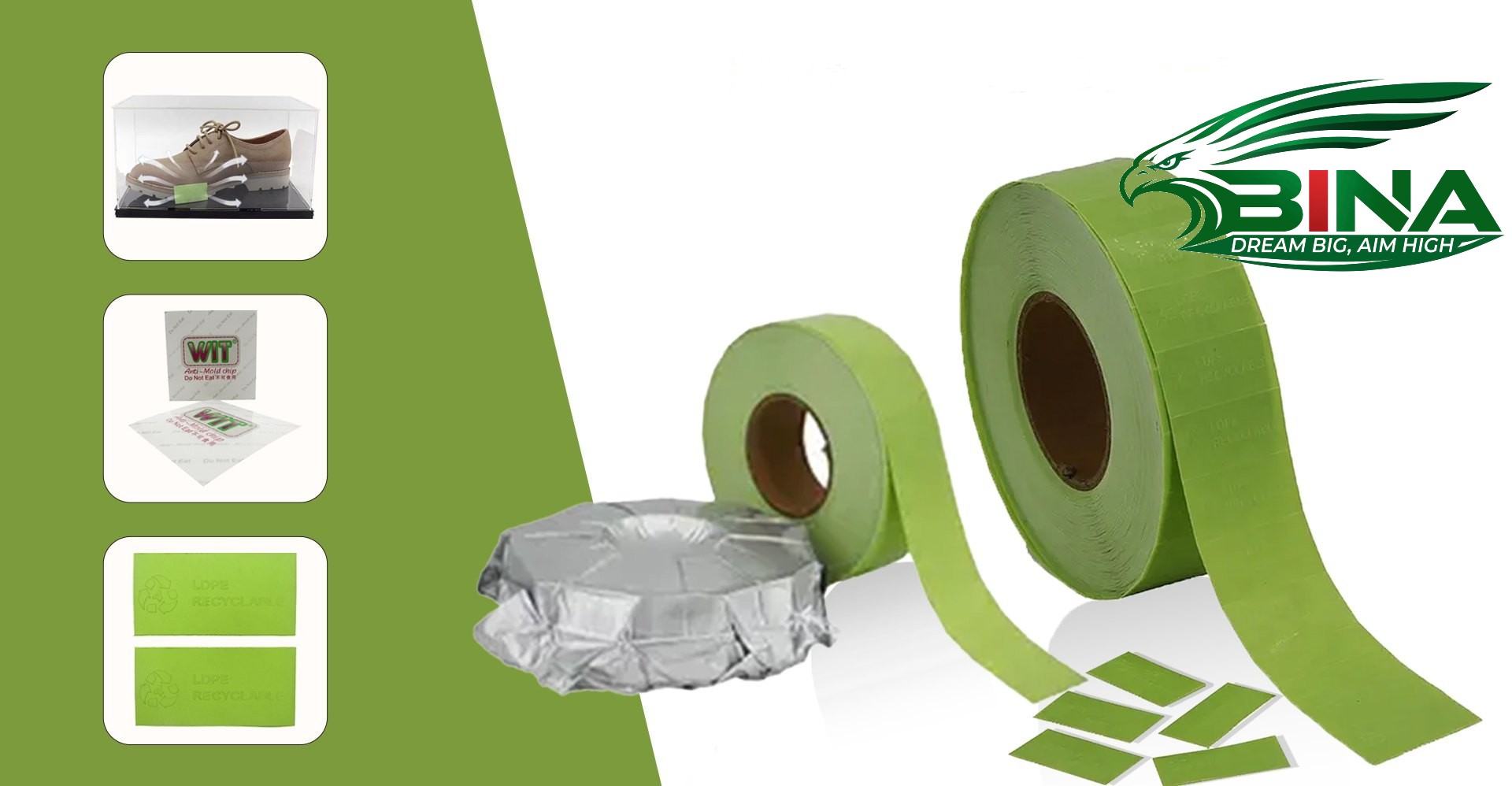
- Footwear, handbags and luggage: Place inside shoe boxes or handbags to prevent mold growth on leather or fabric surfaces.
- Textiles and clothing: Used to preserve and transport high-end clothing and exported textiles to prevent mold.
- Bamboo and wooden handicrafts: Prevents wooden products from becoming moldy and deforming due to moisture.
- Precision electronic equipment: Prevents critical components from becoming damp and moldy, which could lead to short circuits.
LDPE Mold-Resistant Sheet (Panel) Production Process:
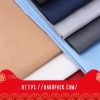
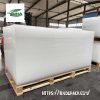
Mold-resistant low-density polyethylene (LDPE) sheets are mainly produced by adding highly effective mold-resistant and antibacterial agents to LDPE resin and using blow molding, casting, or calendering processes. The core of this process is to uniformly disperse the mold-resistant agents in the resin matrix, allowing them to be released stably and continuously during use or packaging, thereby inhibiting mold growth. The following are the detailed steps of the core production process:
1. Raw Material Preparation and Dosing
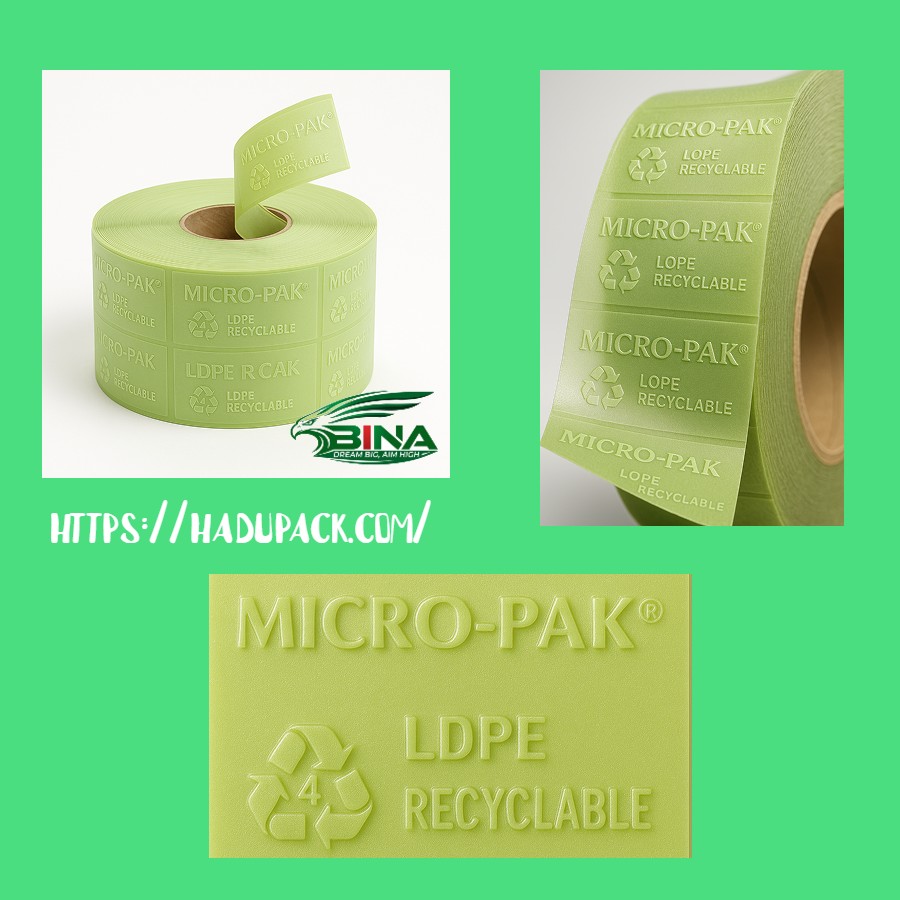
- Base resin: Select high-purity, non-toxic low-density polyethylene (LDPE) or linear low-density polyethylene (LLDPE).
- Mold-resistant/antibacterial mixture: Select environmentally friendly blended mold-resistant agents (such as plant essential oil extracts, organic nitrogen compounds, or inorganic metal-ion antibacterial agents). The mold-resistant agent must have excellent heat resistance to prevent decomposition during high-temperature processing.
- Auxiliary additives: Add antioxidants, compatibilizers, light stabilizers, etc. as needed.
 |
2. Melt blending and pelletizing (masterbatch method):
To ensure uniform dispersion of the mold inhibitor in the mixture, the powdered mold inhibitor is generally not fed directly into the film production machine but is first blended into a masterbatch.
- Raw material blending: LDPE resin and mold inhibitor are premixed at a specific ratio (for example: adding 0.10% – 0.30% mold inhibitor).
- Extrusion pelletizing: The mixture is fed into a twin-screw extruder for melt blending. The temperature is usually controlled in stages (for example: 195°C → 200°C → 200°C → 195°C) and after thorough cutting and mixing, the mixture is extruded and pelletized to obtain the mold-inhibiting masterbatch.
3. Forming processing (Sheet/film production):
The mold-inhibiting masterbatch is mainly processed into sheets or films by blow molding or casting.
- Blow molding process: The mold-inhibiting mixture is uniformly blended with an appropriate amount of virgin LDPE resin at a specific ratio and fed into the hopper of the blow molding machine. The mixture is heated and melted in the extruder (the temperature is controlled at approximately 145°C – 190°C), then extruded through an annular die to form a tube. Compressed air is introduced to inflate the tube to the required thickness, and after cooling, stretching and winding, mold-inhibiting film or sheet is obtained.
- Casting process (commonly used for sheets with more uniform thickness): The raw material is extruded into a molten stream through a T-die. It is quickly calendered onto a cooled casting roller to form the shape, followed by stretching, edge trimming and winding.
4. Post-processing and customization:
Depending on the application scenario, rolled mold-inhibiting sheets/films can be further processed:
- Adhesive coating and cutting: Medical adhesive (self-adhesive) is coated onto the back and cut to the specified size for easy application inside shoe boxes or handbags.
- Embossing/printing: Brand logos or instructions for use are printed and the surface is treated.
 |
Notes when using LDPE mold-resistant sheets:
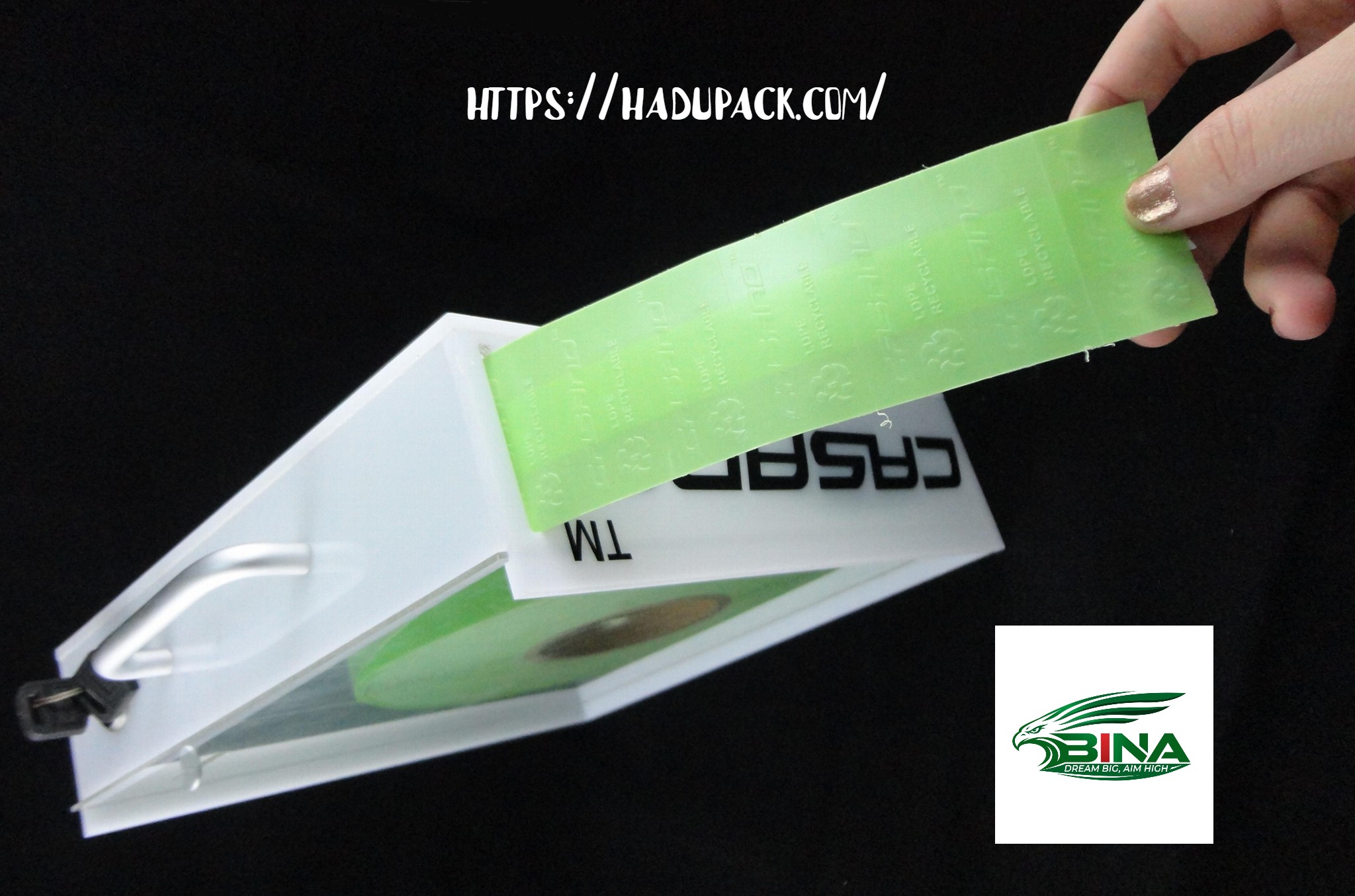
- Sealing requirement: Must be used with an airtight plastic bag or sealed packaging box. The mold inhibitor only reaches its optimal concentration in an enclosed environment.
- Avoid direct contact: Generally, a certain distance should be maintained between the mold-resistant sheet and the item to avoid direct contact with chemical components, which may cause discoloration or corrosion of the product.
 |
Notes when using LDPE mold-resistant sheets:
- Sealing requirement: Must be used with an airtight plastic bag or sealed packaging box. The mold inhibitor only reaches its optimal concentration in an enclosed environment.
- Avoid direct contact: Generally, a certain distance should be maintained between the mold-resistant sheet and the item to avoid direct contact with chemical components, which may cause discoloration or corrosion of the product.