


Description
What is an LDPE bag?
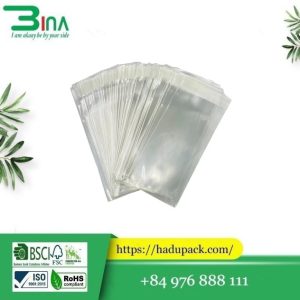
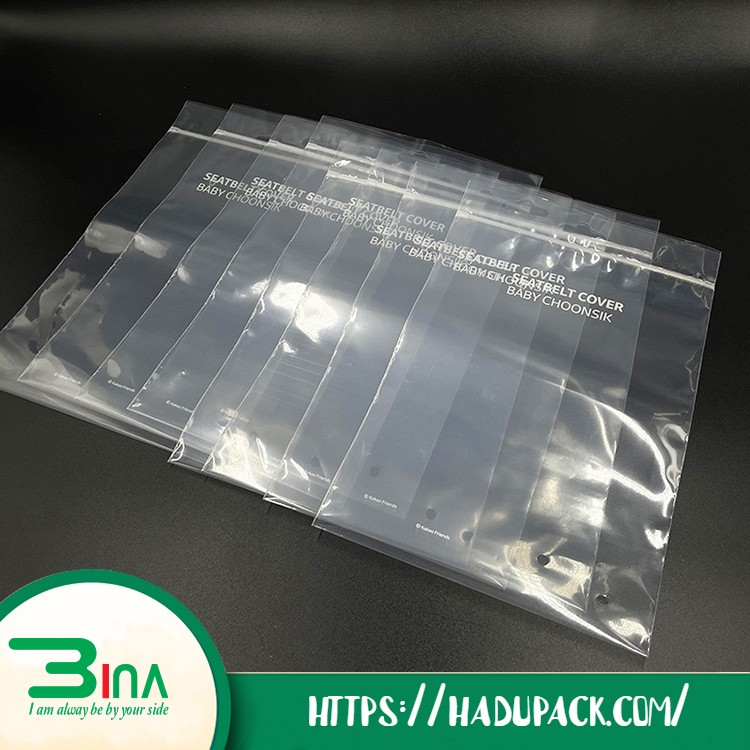
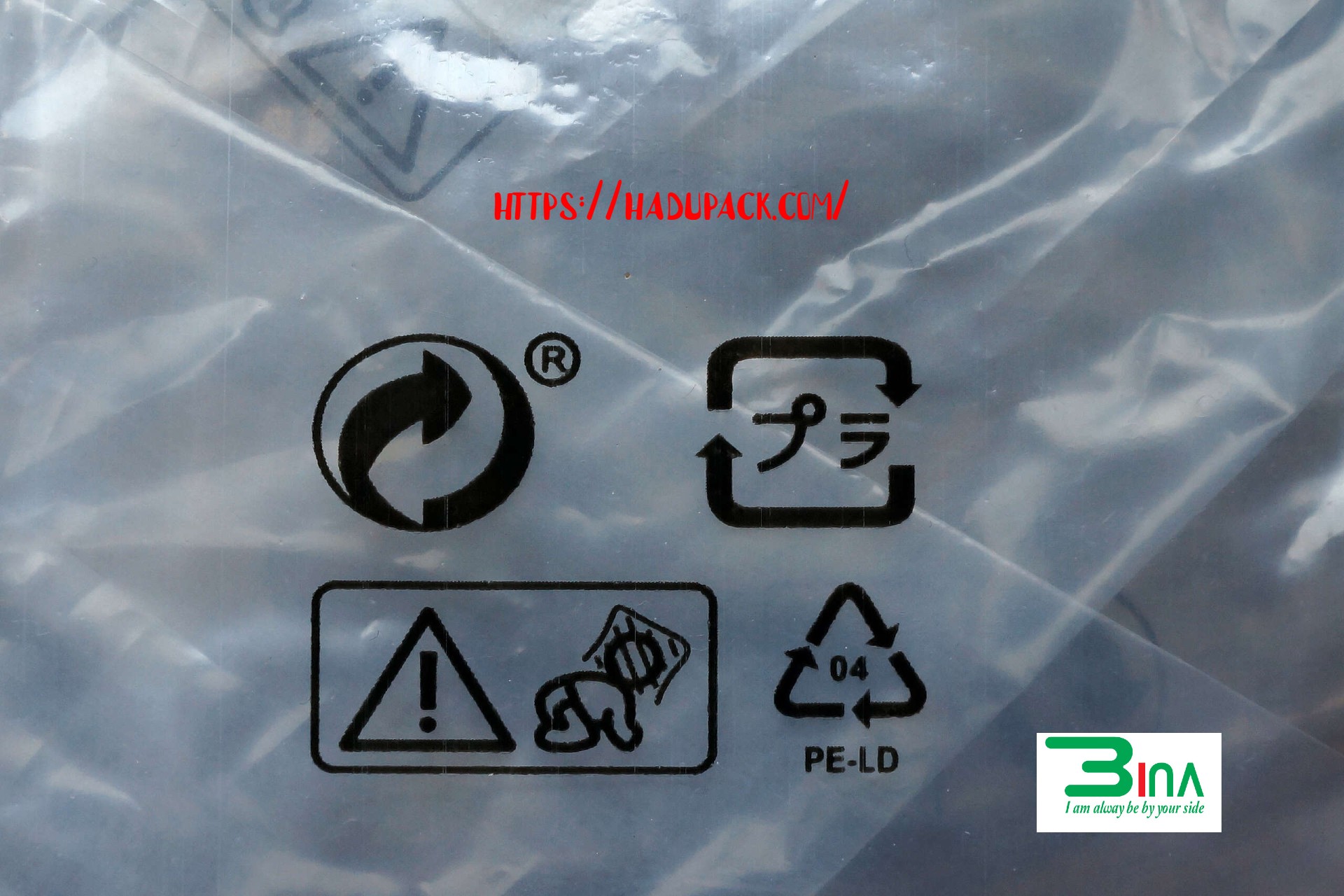
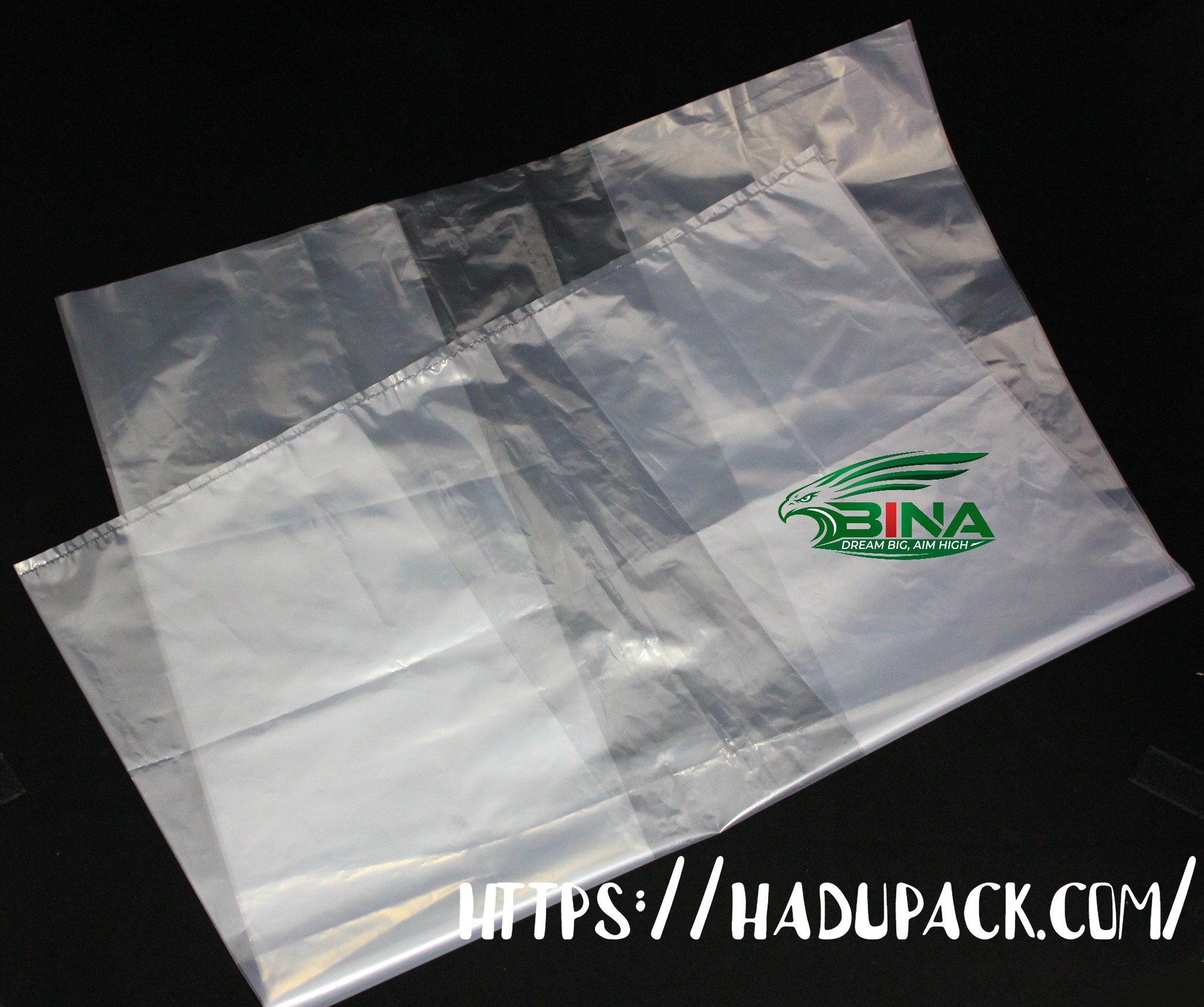
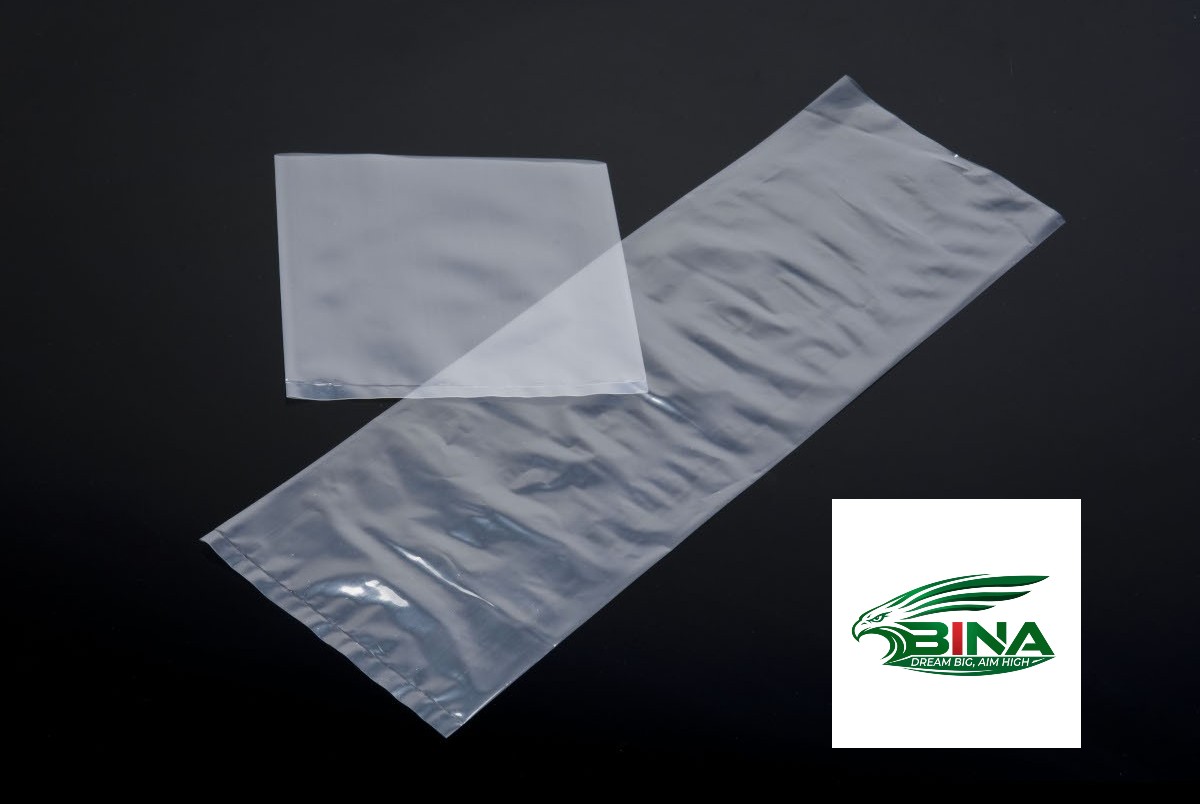
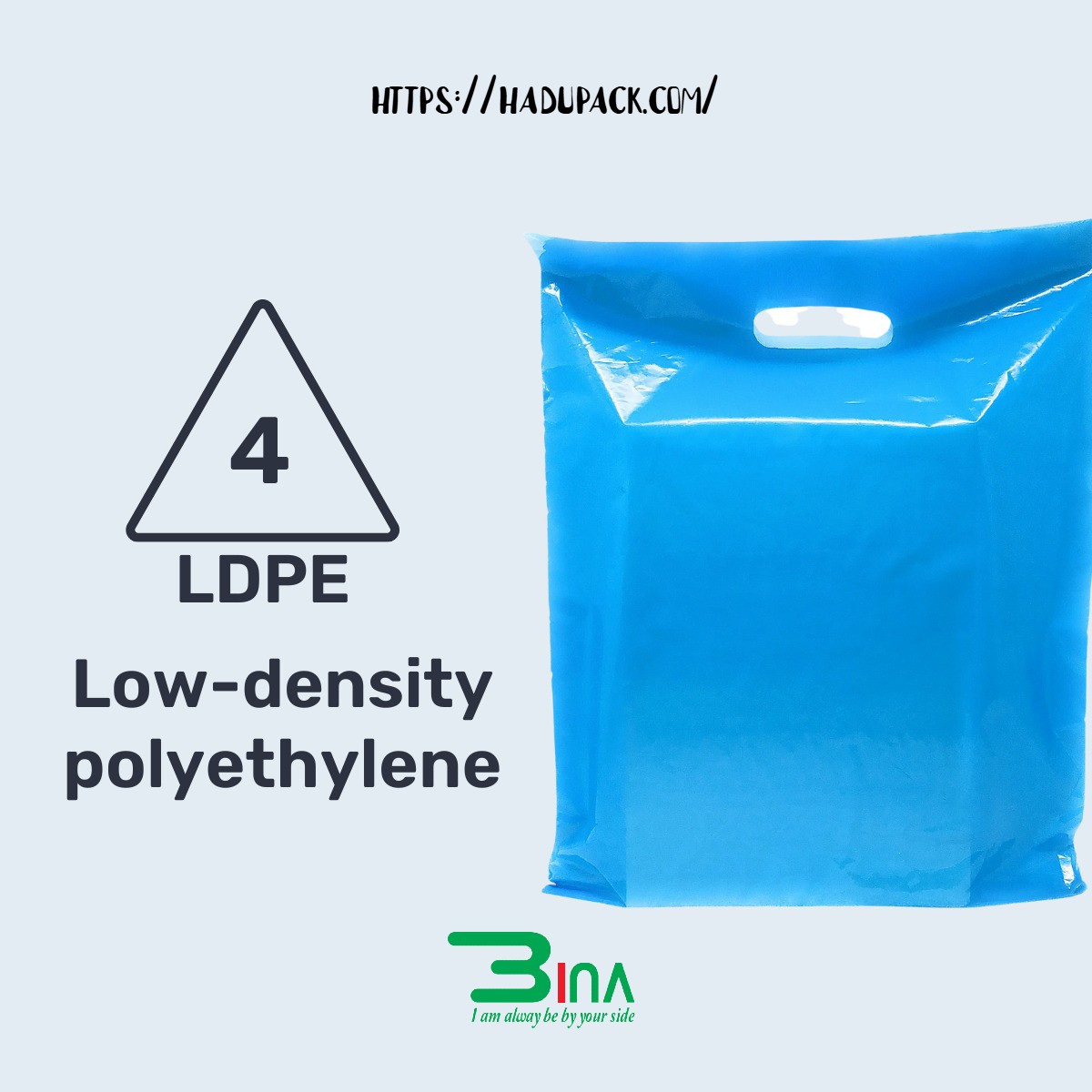
An LDPE bag is a type of plastic bag made from low-density polyethylene (LDPE), classified as plastic number 4. It is soft, highly transparent, tough, resistant to cold, and has excellent sealing properties, making it widely used for food storage, clothing packaging, frozen food packaging, and protection against dust and moisture in industrial applications. This type of bag also has good chemical stability and processability.
 |
LDPE plastic bag production process
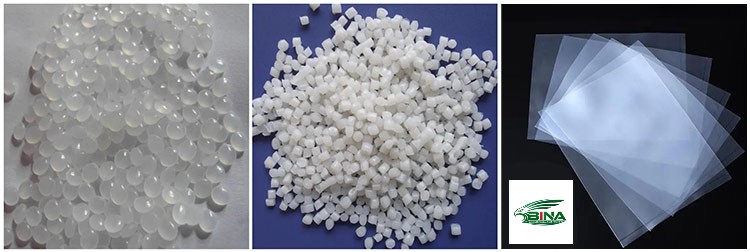
Low-density polyethylene (LDPE) plastic bags are primarily produced using the blown film extrusion method. This process involves melting and extruding LDPE pellets through an extruder, then inflating them into bubble tubes using an air ring. After cooling, stretching, and winding, the tubes are ultimately formed into plastic bags by a bag-making machine. These bags are characterized by high transparency, good flexibility, and excellent heat-sealing properties.
 |
I. LDPE Plastic Bag Production Process
- Raw Material Preparation: Low-density polyethylene (LDPE) resin obtained through the high-pressure process is used. Antioxidants, slip agents, colorants, and other additives are added as needed.
- Heating and Melting: The plastic resin is fed into a plastic extruder, where it is melted into a homogeneous plastic melt inside the barrel through heating and the shearing force of the screw.
- Extrusion: The molten plastic is formed into a hollow annular tube (tube blank) through the die.
- Air Inflation: Compressed air is blown into the tube blank through the central opening of the die, inflating the blank to the specified bubble diameter.
- Cooling: External airflow blows cooling air to rapidly cool and shape the film bubble.
- Drawing and Winding: The film bubble is flattened by the nip rollers on the collapsing frame, then drawn out at a uniform speed by the haul-off rollers and wound into a cylindrical film roll by the guide rollers.
- Printing and Lamination (Optional): Due to the low surface free energy of LDPE, corona treatment is usually required before printing to improve ink adhesion.
- Bag Making: The film roll is placed on a bag-making machine for cutting, bottom sealing (heat sealing), and other processes to produce finished bags.
 |
II. Notes on LDPE bag production
- Performance limitations: LDPE has relatively poor oxygen barrier properties and sometimes needs to be used in combination with high-density polyethylene (HDPE) or other materials.
- Bag production process: Mainly involves heat sealing, requiring machinery with good temperature control to ensure the strength of the seal.
 |
6 main characteristics of LDPE plastic packaging
- Softness and high toughness: Soft to the touch, easy to fold, tear-resistant and not easily broken.
- High transparency: Smooth surface and high transparency, allowing the contents inside to be easily seen.
- Excellent sealing ability: Suitable for heat sealing, ideal for packaging powders, granules or items that require waterproof and moisture-resistant protection.
- Low-temperature resistance: Not easily broken at low temperatures, suitable for frozen packaging.
- Safety: Non-toxic and non-polluting, commonly used in food and consumer product packaging.
 |
◆Learn more:
- https://hadupack.com/san-pham/tui-trum-pallet/
- https://hadupack.com/san-pham/tui-zipper/
- https://hadupack.com/san-pham/tui-nilon-hdpe/
5 common applications of LDPE bags:
- Food packaging: Freezer bags, food storage bags, pastry bags.
- Apparel and Textiles: Clothing packaging bags, dust-proof bags.
- Industrial and Electronics: Component packaging bags, anti-static bags for electronic products.
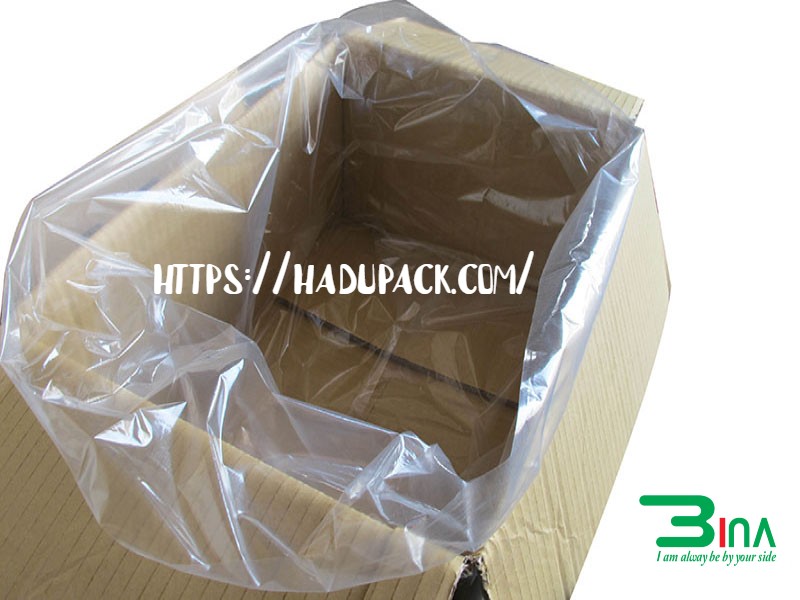
- Logistics: General-purpose packaging bags, garbage bags.
 |
Summarize the advantages and disadvantages of LDPE plastic packaging
| Advantage | Shortcoming |
| Good softness and elasticity | It does not biodegrade naturally and needs to be recycled properly. |
| Low cost and good machinability | Low durability and poor heat resistance |
| Waterproof, moisture-resistant and chemical-resistant. | Not suitable for use at high temperatures (melting point approximately 105~115°C) |
| It has a certain degree of transparency and gloss. | Easily scratched, with no abrasion resistance. |
Differences between LDPE and HDPE bags
LDPE bags (low-density polyethylene) are soft, highly transparent, and have good elasticity, making them suitable for food wrap, clothing packaging, etc. In contrast, HDPE bags (high-density polyethylene) are rigid, opaque (usually milky white), and have greater heat resistance and durability, commonly found in supermarket shopping bags, garbage bags, and food bags. LDPE is more flexible, while HDPE is sturdier.
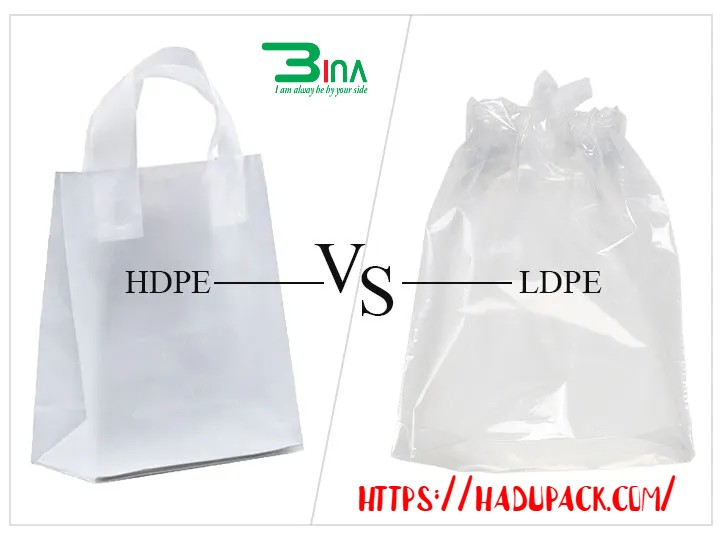 |
3 key differences between LDPE and HDPE bags:
Appearance and feel:
- LDPE bags have a good gloss, are more transparent, and feel soft and smooth to the touch
- HDPE bags look opaque, feel stiffer, and produce a distinct crinkling sound when squeezed
 |
Physical properties:
- LDPE: Soft, highly elastic, and has good impact resistance.
- HDPE: High rigidity, high tensile strength, and strong load-bearing capacity.
- Heat resistance and environmental adaptability: HDPE has better heat resistance (approximately 110-130°C), making it suitable for packaging hot food; LDPE has lower heat resistance (approximately 70-90°C).
 |
Differences in applications:
- LDPE: Food wrap, squeeze bottles, shopping bags, plastic film.
- HDPE: Supermarket plastic bags, baby bottles, garbage bags, plastic buckets.
 |
Classification of LDPE bag packaging
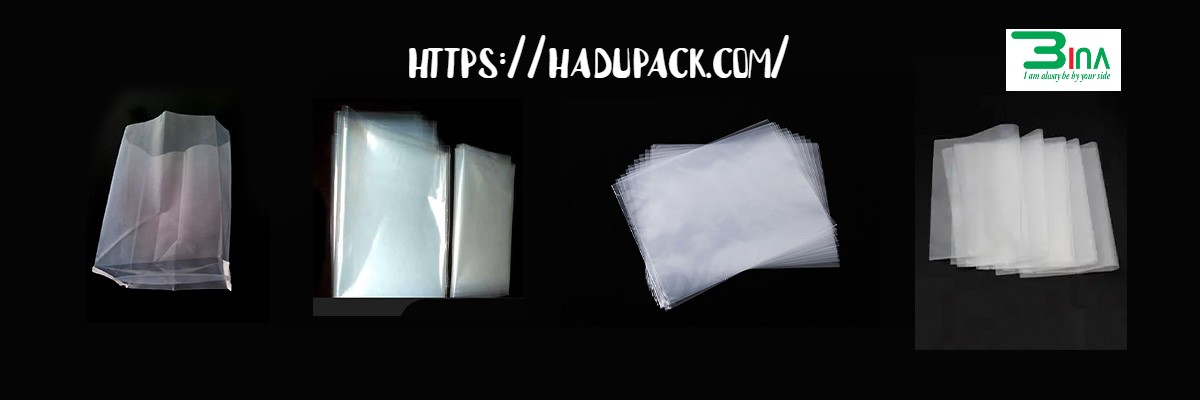
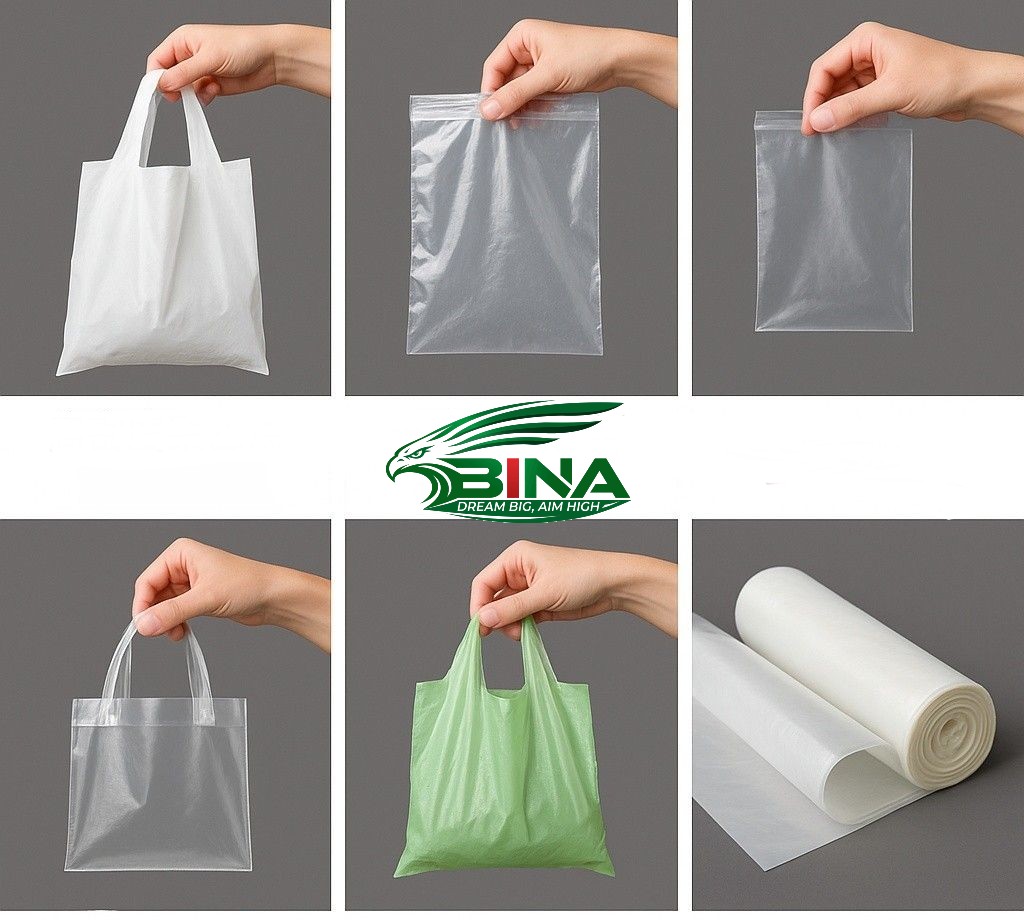
Low-density polyethylene (LDPE) plastic bags are a type of transparent and highly flexible plastic packaging, usually marked with recycling code 4. They are classified according to their shape and intended use, mainly including: flat bags for packaging clothing, shopping bags, zipper/hinged bags for storing items, and self-adhesive/sealable bags suitable for precision electronic devices or frozen food packaging. Detailed classification of LDPE plastic bags:
 |
Classified by purpose and shape:
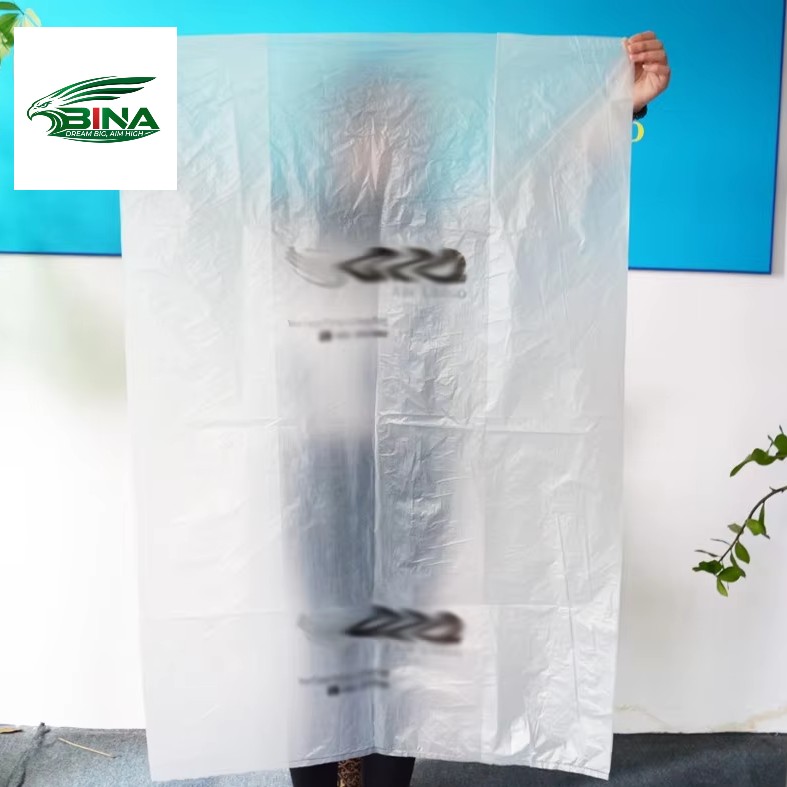
- LDPE flat bags (transparent bags): The most basic type, with high transparency, commonly used for food packaging and inner packaging for electronic components.
- LDPE tote/vest bags: Flexible and highly stretchable, commonly used in clothing, footwear, and handbag stores as shopping bags.
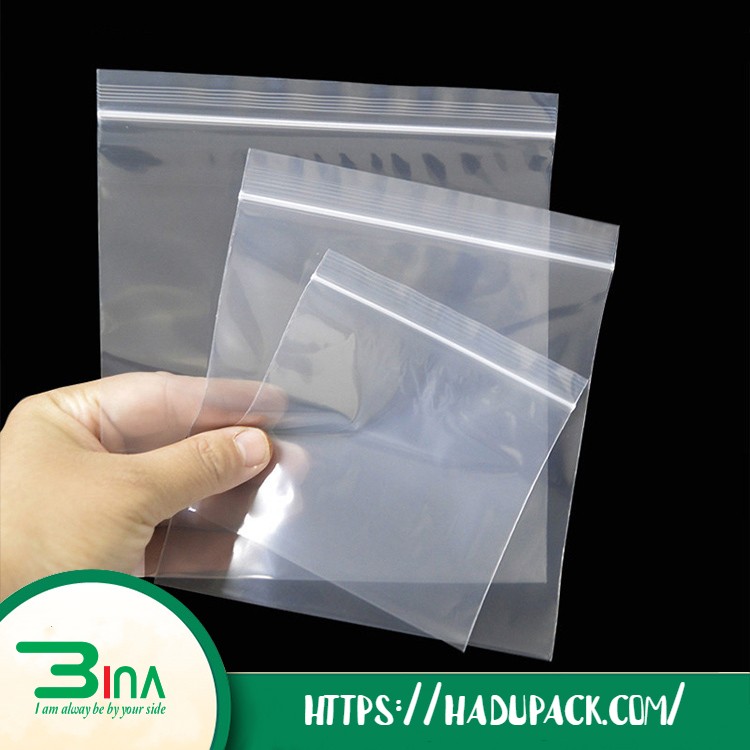
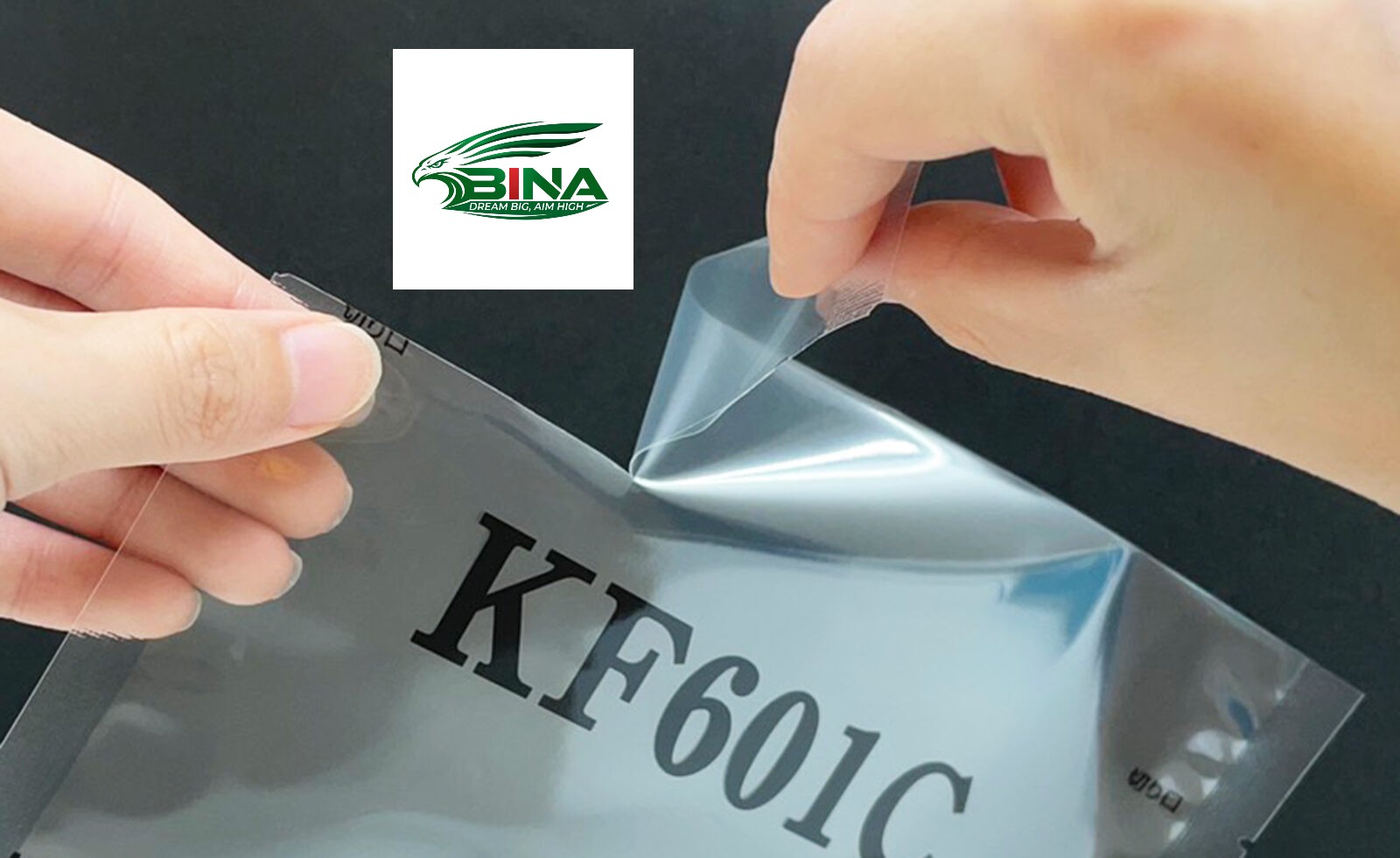
LDPE zipper/sealable bags: Equipped with a zipper or hinged closure, providing good sealing, commonly used for storing frozen food and small items. - LDPE self-adhesive bags: Have a self-adhesive layer at the bag opening, commonly used for direct outer packaging of high-end clothing products and electronics.
- Heat-shrink film: Utilizes the heat-shrink properties of LDPE to package products in wrapping film.
 |
Key characteristics:
- Material: LDPE is relatively soft and highly transparent, often referred to as “clear bags”.
- Chemical properties: Resistant to low temperatures and has good toughness, making it suitable for frozen food packaging.
- Heat resistance: Relatively poor, typically from 70℃ to 90℃.
- Recycling symbol: Usually classified as number 4 plastic, a pure single-type plastic that can be recycled.
Differences compared with related types of plastic bags:
- LLDPE (Linear Low-Density Polyethylene): Stronger than LDPE, commonly used to produce food wrap and more durable packaging bags.
- HDPE (High-Density Polyethylene): Stiffer, opaque, with good heat resistance (typically from 90-140℃), commonly used for supermarket plastic bags.
 |
Tips for choosing LDPE plastic bags
When choosing low-density polyethylene (LDPE) bags, the main factors to consider are softness, transparency, water resistance and tensile strength. The choice should be based on the intended use: choose thinner bags for clothing or where high transparency is needed; choose food-safe bags for frozen food and choose thicker bags for other items or where high durability is required. LDPE bags are suitable for low and medium temperature environments, but are not suitable for foods that are very greasy or too hot. Guide to choosing LDPE bags :
 |
Appearance and feel when touched:
- LDPE (Plastic No. 4): Soft texture, high transparency, slightly milky white color, easy to fold, and produces almost no rustling sound when rubbed.
- How to identify: Compared with high-density polyethylene (HDPE, which is more rigid and produces a rustling sound), LDPE is softer and more flexible.
Uses and performance:
- High flexibility requirements: For packaging clothing, garments, and soft materials, LDPE provides an excellent feel and elasticity.
High transparency: If the product contents need to be displayed, LDPE’s high transparency is ideal. - Sealing capability: Commonly used for packaging self-adhesive bags and zipper bags due to its soft material and good sealing performance.
 |
Heat resistance and safety:
- Temperature limit: LDPE withstands temperatures up to approximately 80 degrees C and should not be used for hot food.
- Food contact: Ensure the packaging is labeled “food-grade”. Suitable for frozen and refrigerated packaging.
Thickness selection:
- Thin (0.02 mm): Suitable for clothing, lightweight everyday packaging and frozen food.
- Thick (> 0.03 mm): Suitable for items requiring puncture resistance or for carrying slightly heavier items.
Choose LDPE bags when you need to package soft, highly transparent or waterproof items. Choose PP or HDPE materials when packaging rigid, sharp or high-temperature-resistant items (such as for microwaves).
 |
LDPE Bag Issues
Low-density polyethylene (LDPE) bags (usually labeled as plastic number 4) are soft, transparent, moisture-resistant, chemically stable, and non-toxic, so they are widely used in food preservation films, supermarket shopping bags, and other types of packaging. However, LDPE bags are not heat-resistant (they are prone to deformation and decomposition above a certain temperature) and are extremely difficult to biodegrade naturally, causing significant environmental pollution. Therefore, their use should be minimized.
 |
Main issues and precautions:
- Safety limits and temperature: Although LDPE bags themselves are non-toxic, they should not be used to heat food in a microwave for long periods or at high temperatures, because temperatures above a certain level may cause them to decompose and release harmful substances. Foods high in oil are more susceptible to contamination.
- Differences in applications: Compared with high-density polyethylene (HDPE), LDPE has better flexibility and transparency, making it suitable for everyday food packaging or storage; HDPE has higher strength and is suitable for heavier shopping bags.
- Environmental impact: Ordinary LDPE plastic bags take hundreds of years to decompose in the natural environment; careless disposal will pollute soil and water sources.
- How to use plastic bags properly: For purchasing food/cooked food: Avoid using free plastic bags from supermarkets to hold hot food, freshly fried food, or meat.
- For storage: Use specialized PE plastic food wrap.
- For recycling: LDPE plastic products can be recycled after cleaning, but please actively support the “plastic bag ban” and bring your own cloth bags whenever possible.
 |
Tips for storing LDPE plastic bags
Low-density polyethylene (LDPE) plastic bags should be stored in a dry, cool, well-ventilated place, away from direct sunlight and high temperatures. LDPE retains its flexibility at low temperatures (e.g.: -40°C), making it suitable for frozen storage. Furthermore, to maintain its properties over a long period, it is recommended to use double-layer packaging or store it in an airtight container to slow deterioration caused by its permeability.
Specific storage recommendations are as follows:
- Avoid light and cold places: Ultraviolet rays in sunlight and high temperatures will accelerate the aging and embrittlement of plastic.
- Dry environment: Prevent bacterial growth and keep the bags clean.
- Airtight storage: Due to the permeability of LDPE, long-term storage requires an airtight plastic container or thicker bags.
- Freezing properties: LDPE plastic bags remain flexible at low temperatures and will not easily become brittle and crack due to freezing.
 |
Conclusion on LDPE bags – LDPE plastic packaging
In conclusion, LDPE packaging bags are widely used across many industries thanks to their light weight, low cost, and high performance. Although there are still challenges in terms of environmental protection, through proper recycling and material improvements, they continue to hold an indispensable position in the modern packaging industry. When selecting materials, companies should comprehensively consider the performance and environmental impact of LDPE based on their actual needs and sustainability goals.