



Description
Why is anti slip sheet necessary for protecting and improving product efficiency
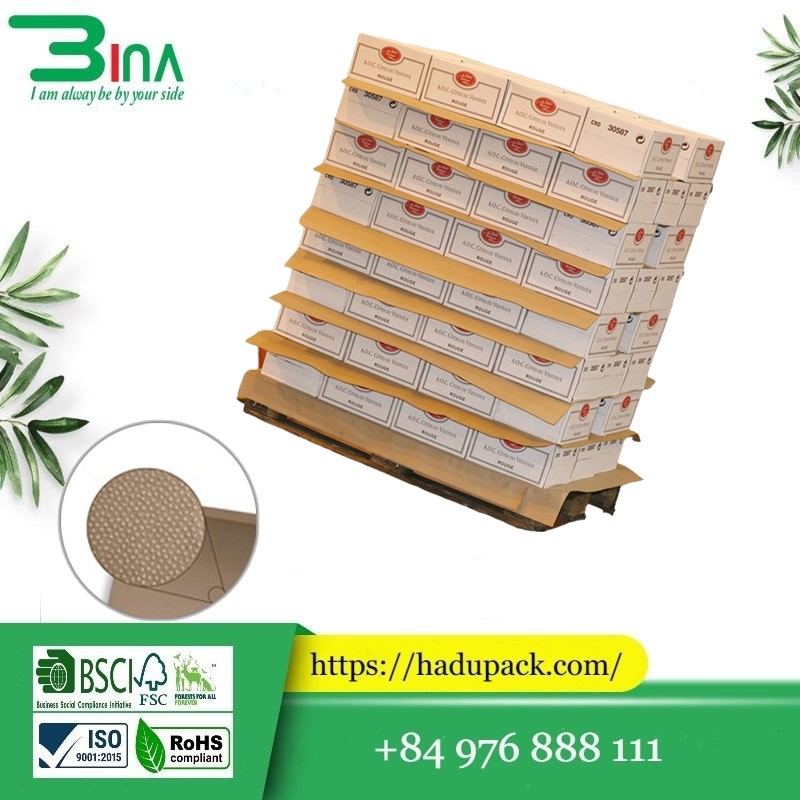
Many cardboard suppliers will tell you that anti slip sheets are an “essential” part of your pallet packaging strategy and we completely agree. With Hadupack’s new range of anti slip sheets, we want to demonstrate that these sheets play an important role in protecting your products.
 |
◆Learn more:
- https://hadupack.com/san-pham/tui-khi-chen-hang-container/
- https://hadupack.com/san-pham/giay-kraft/
- https://hadupack.com/san-pham/giay-duplex/
What is an anti-slip sheet?
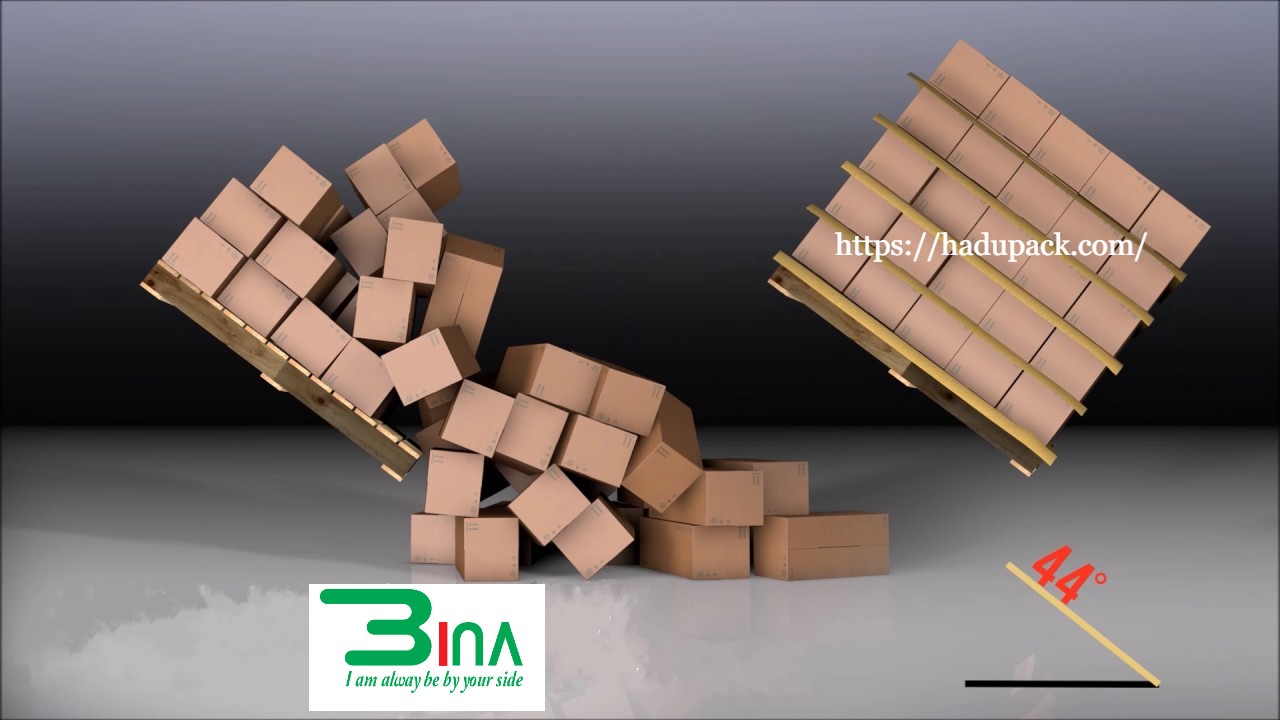
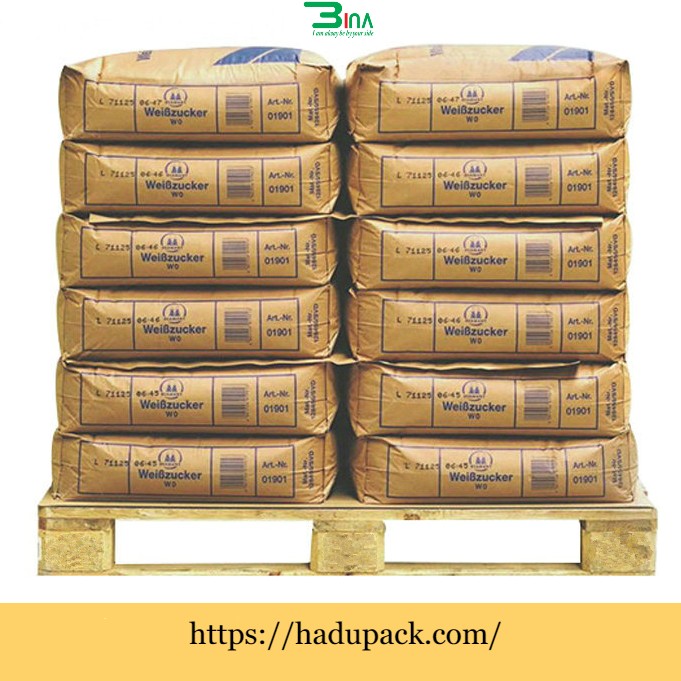
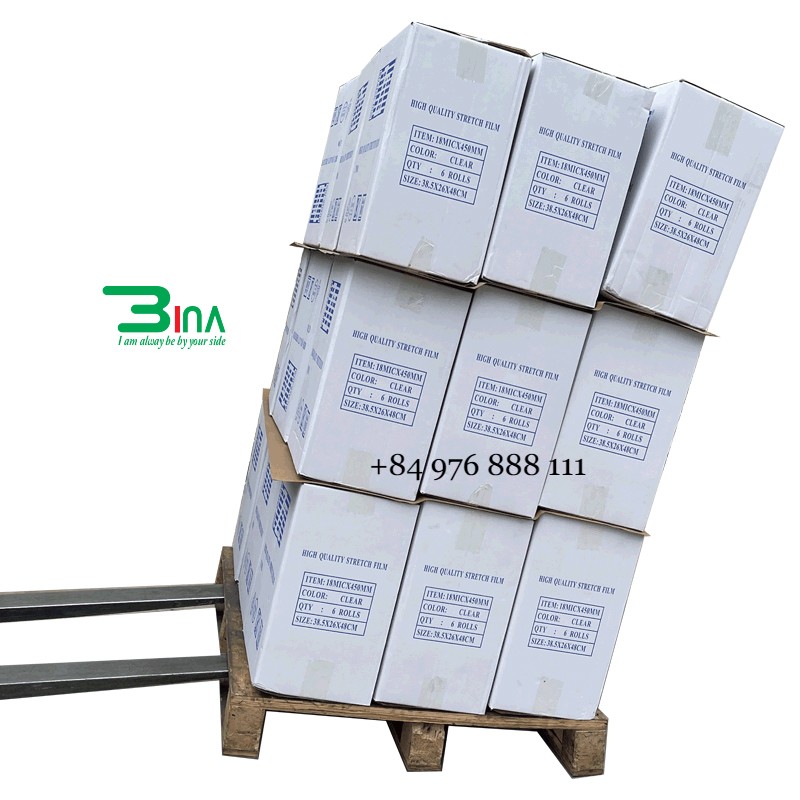
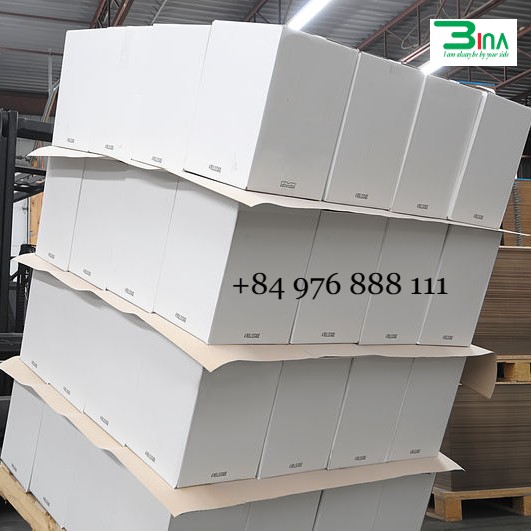
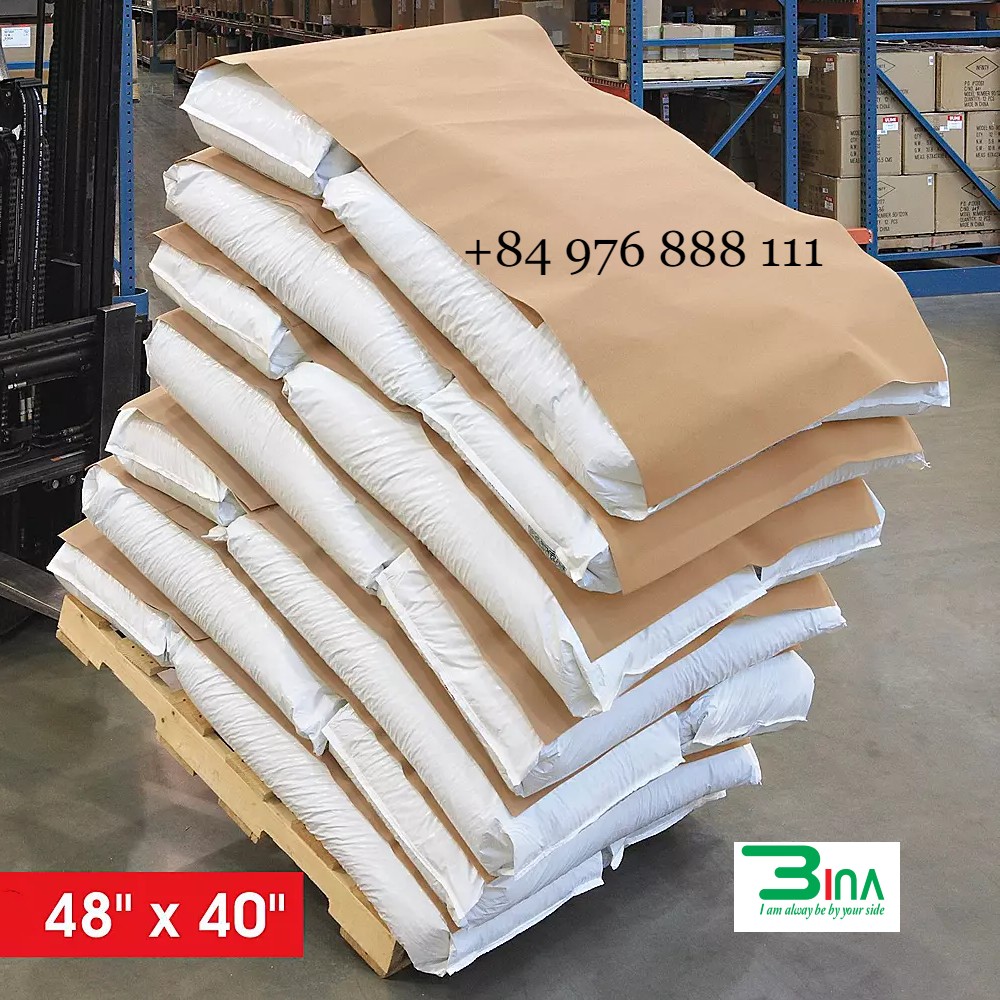
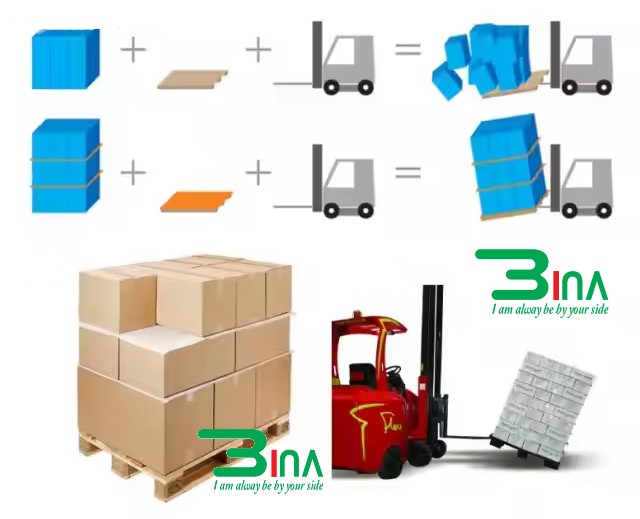
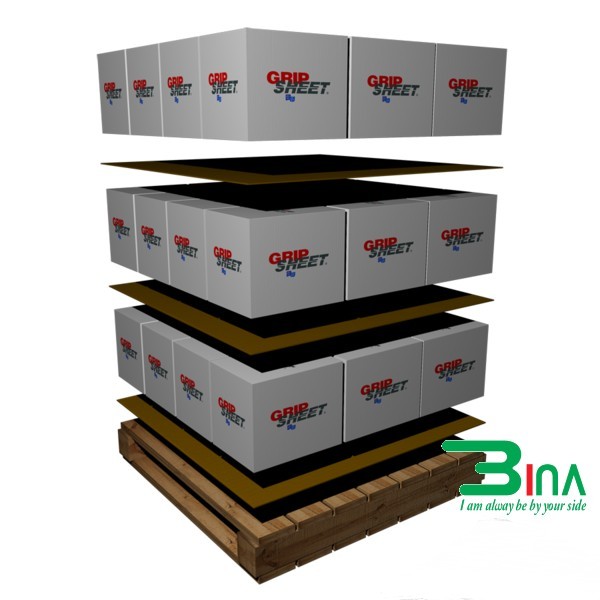
Anti-slip sheets are designed to prevent products stacked on pallets from slipping during transportation. Placing these sheets between layers of products helps minimize movement and reduce the risk of product damage during transit.
As supply chain needs evolve, particularly for lightweight and fragile goods, Hadupack is expanding its range of anti-slip sheets with the grip and stability needed to keep your products safe.
 |
 |
Production process for non-slip plastic sheets
The production process for non-slip pads varies widely, mainly depending on the base material and the anti-slip mechanism. Core technologies include silicone coating, PVC foaming, PEVA embossing, and sandpaper bonding. Silicone products typically use silicone coating or liquid silicone molding processes. Plastic types generally use foaming methods to increase friction, while sandpaper-style pads have abrasive particles bonded to the surface of the base material. These processes aim to achieve water resistance, wear resistance, and a high coefficient of friction.
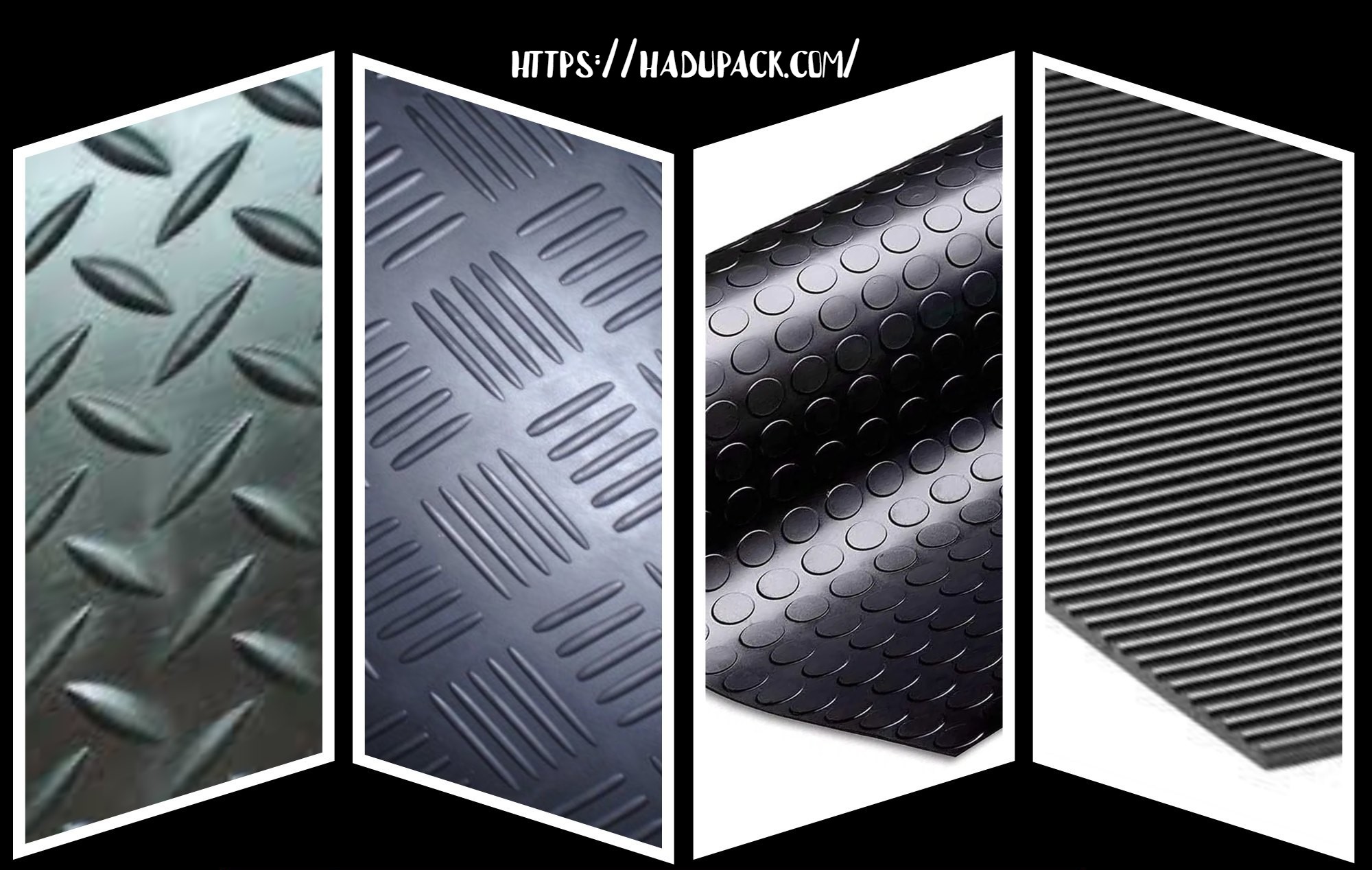 |
Main production processes for anti-slip pads:
- Silicone coating process (Coating & Molding): Liquid silicone is evenly coated onto the surface of the fabric and heated to cure, forming an anti-slip layer. Suitable for yoga clothing, sportswear, etc. High-temperature molding can be used, suitable for industrial or food-grade silicone products.
- PVC foaming process (Foaming): Resin, foaming agents, etc. are used as raw materials, and the mixture is sized, foamed, molded, and cooled to produce honeycomb or microcellular foam anti-slip mats with excellent cushioning. PEVA embossing: PEVA materials are commonly used in bathroom anti-slip patches. An embossing machine creates textures on the surface of the material, increasing friction and providing water resistance and durability.
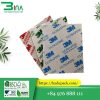
- Abrasive coating: Abrasive particles (such as corundum or alumina) are bonded to the surface of PVC, PET, or aluminum foil substrates with an adhesive to create anti-slip adhesive tapes or stickers.
- Composite structural technology: For example, a mixture of fiberglass and polypropylene is used to create high-rigidity honeycomb-structured anti-slip flooring, suitable for buses or stages.
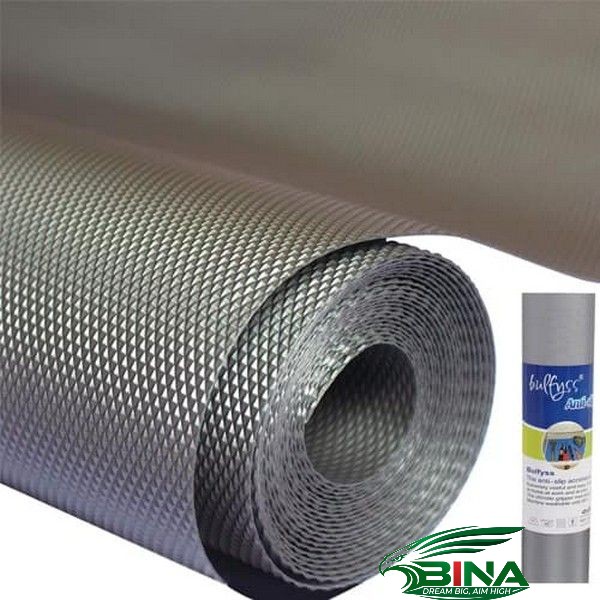 |
Core technology details:
- Substrate selection: Includes fabric, PVC, PEVA, HDPE (high-density polyethylene), etc. HDPE is commonly used in applications requiring corrosion resistance and high durability, such as ship decks.
- Processing methods: Can be cut, heat-pressed, and printed with custom patterns. These manufacturing techniques can be used individually or combined with other materials depending on the product’s intended end use (e.g., residential, industrial, outdoor) to achieve optimal anti-slip performance.
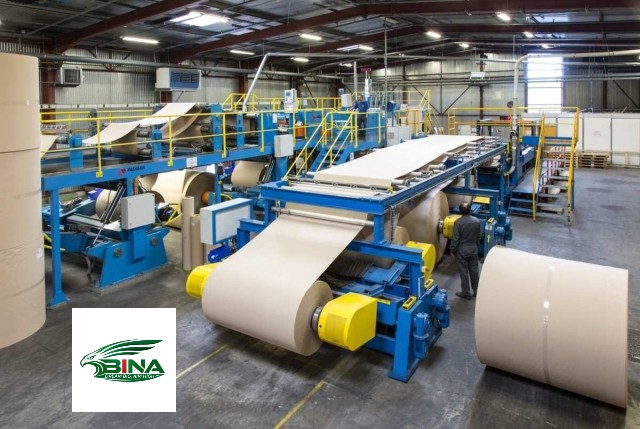
Production Process for Anti-Slip Paper Sheets
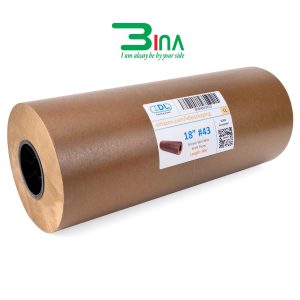
The production process for anti-slip paper primarily relies on surface treatment of high-strength substrates (such as kraft paper). The core processes include selecting the base paper, applying anti-slip adhesive to both sides, drying, calendering, and cutting. High-quality anti-slip paper typically uses high-purity wood-pulp kraft paper and is coated with a special anti-slip layer to increase the dynamic coefficient of friction, ensuring stable stacking and replacing wooden pallets.
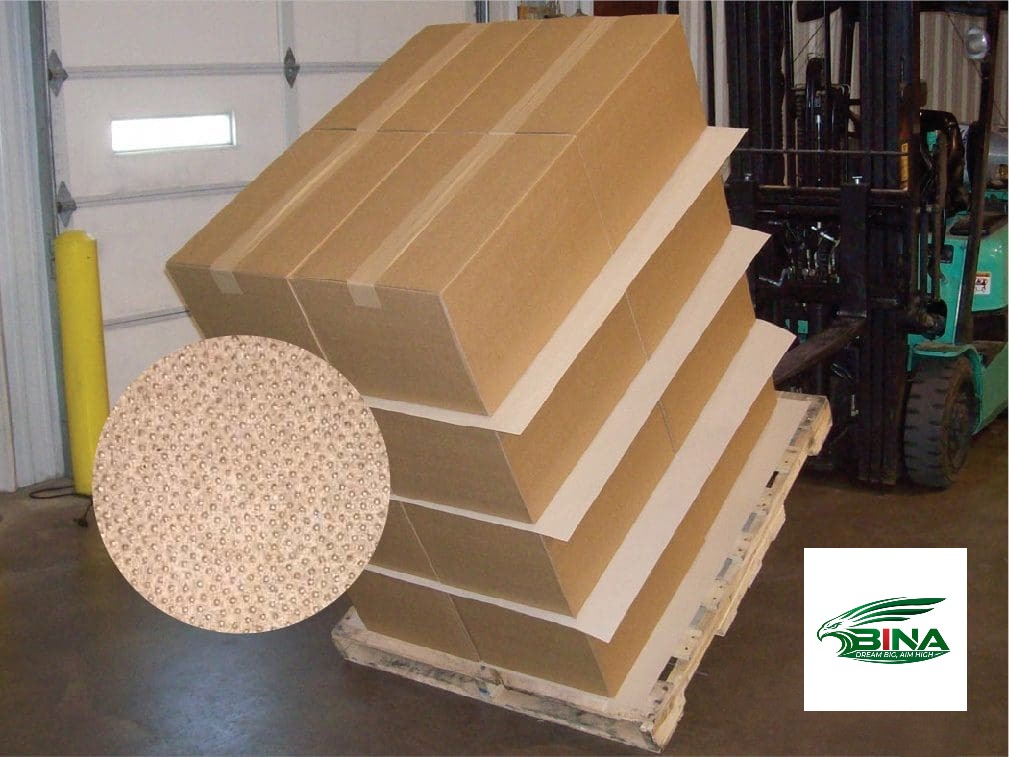 |
Core processes in the production of anti-slip paper sheets:
- Selection of base paper (Substrate preparation): Select raw materials with high tear strength and burst strength, such as high-purity kraft paper, kraft cardboard, or high-quality corrugated paper. The basis weight is usually in the range of 80g – 300gam, suitable for light to medium-weight goods.
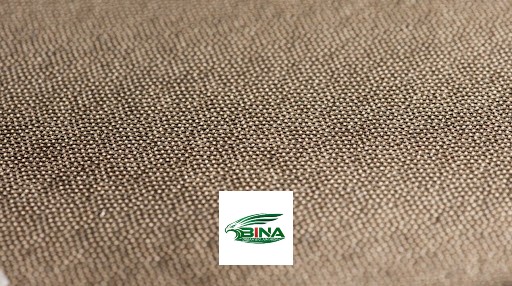
- Anti-slip coating (Core process): Use professional coating machines to evenly apply an anti-slip coating (anti-slip adhesive) to both sides of the paper.
- Double-sided coating technology: Advanced technology ensures double-sided anti-slip properties, eliminating the need to distinguish between the front and back during use, significantly improving packaging efficiency. The anti-slip agents are mainly water-based and environmentally friendly materials, forming a stable fine-particle structure after drying.
- Drying and treatment: After coating, the paper is fed into a tunnel drying oven for drying, allowing the anti-slip agent to firmly adhere to the paper fibers.
- Calendering and winding: The dried paper is calendered flat using a calender to ensure uniform thickness and enhance surface strength.
- The finished anti-slip paper roll is then rewound.
- Cutting and slitting: According to customer specifications (such as standard pallet sizes), a paper cutting machine is used to slit the paper roll into flat sheets.
- Inspection and packaging: The anti-slip coefficient is tested (for example: static/dynamic coefficient of friction as required).
 |
Common Technical Highlights
- Environmental Protection: The use of a water-based coating ensures that the product is 100% recyclable and biodegradable.
- Applications: Widely used in container transportation, high-stacking warehouses, and automated production lines to prevent goods from slipping on pallets.
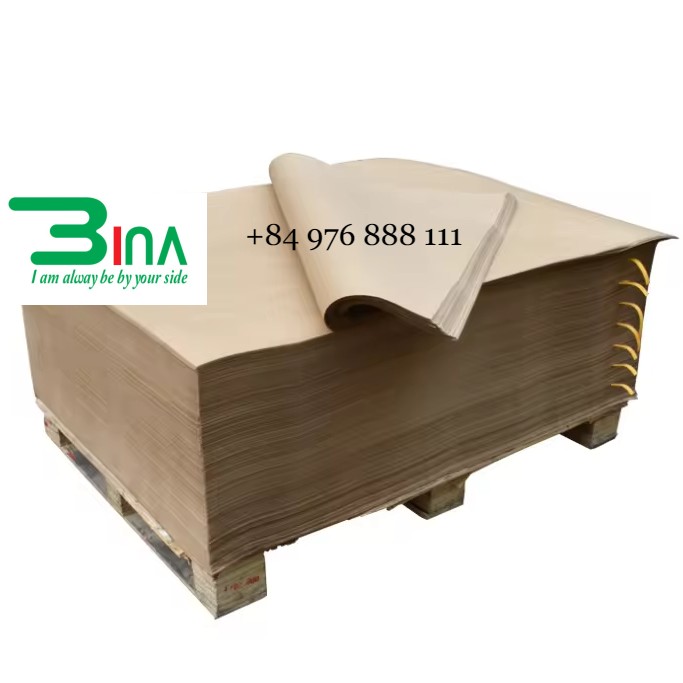
- Anti-Slip Sheets: Sturdy cardboard sheets manufactured using a special process, used to replace traditional wooden pallets, suitable for anti-slip forklift attachments.
 |
When do you need slip sheets?
“When you need exceptional stability, such as with heavy loads on top or products that require greater stability underneath, slip sheets are an excellent choice”. These sheets are particularly useful for customers shipping lighter products, fragile items, or shipments that have previously been damaged during transit.
Slip sheets also contribute to sustainability. They are made from recycled materials and can be reused, adding a cost-effective and environmentally friendly layer of protection to your packaging strategy.
 |
 |
Clarifying misconceptions: Why anti-slip sheets are now a must-have
In the past, it was often believed that not every shipment needed anti-slip sheets, especially if the load was securely fastened with stretch film or straps. While it is true that some shipments may not require them, certain industries and types of products can benefit greatly from this additional layer of protection.
“Some customers may use pallet sheets with a rough finish”. “But for shipments that need additional friction or experience issues with products shifting, anti-slip sheets are the safer solution”. For lighter loads or sensitive products, the enhanced friction provided by anti-slip sheets can make all the difference in preventing costly product damage.
 |
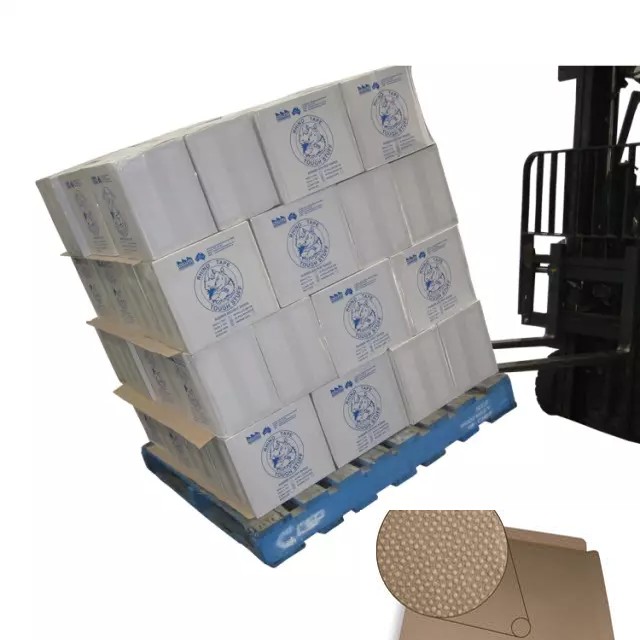 |
Anti-Slip Sheets vs. Rough-Finish Sheets: Choosing the Right Solution
Hadupack offers both anti-slip sheets and rough-finish sheets, each serving different needs depending on the type of goods being transported.
Anti-slip sheets are ideal for:
- Lighter products or products with smooth or glossy finishes such as consumer goods from wholesale stores or large retailers.
- Heavy loads on top that need additional friction to prevent shifting.
- Fragile products such as glassware or agricultural items, where even slight movement can lead to damage.
- Industries that require extra protection during transportation due to the nature of the products or frequent handling.
Rough-finish sheets are best suited for:
- Heavier or bulkier loads, where the main concern is providing a solid base without the risk of slipping.
- Customers looking for a more economical solution to secure loads that do not require additional friction.
- Situations where the load is tightly wrapped and secured, meaning no additional grip is needed.
- Both solutions provide the necessary protection, but the final decision depends on the specific needs of your products and transportation conditions.
 |
 |
Hadupack’s anti-slip sheets are essential for your business
Hadupack’s new anti-slip sheets provide the protection, efficiency, and sustainability your business needs to thrive in today’s fast-paced logistics environment. Whether shipping fragile items or handling lighter loads, anti-slip sheets provide the necessary friction to keep everything securely in place.





Reviews
There are no reviews yet.