



Description
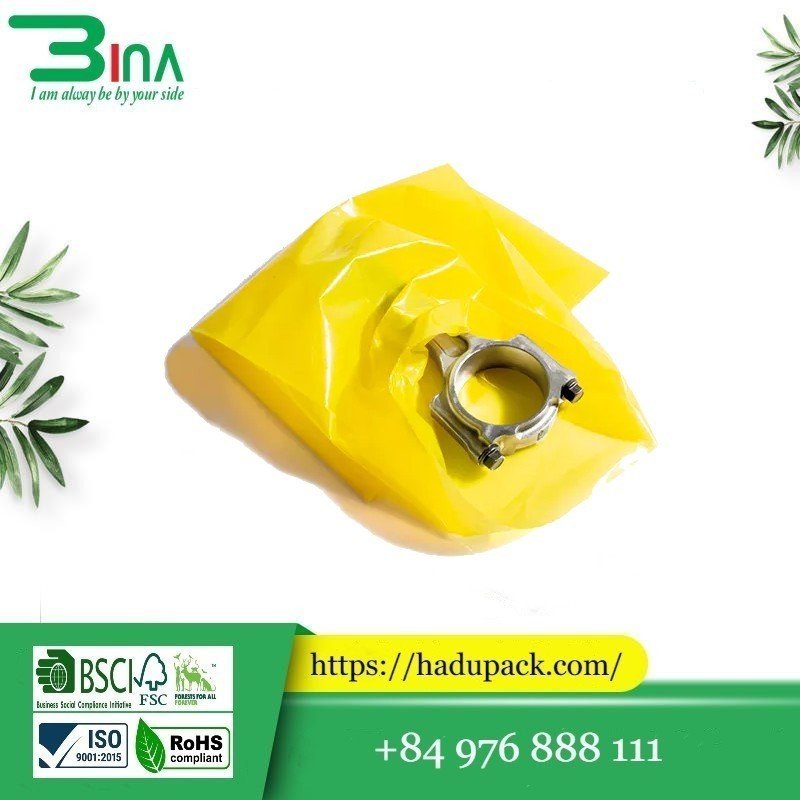
VCI anti-rust bags – VCI anti-rust film
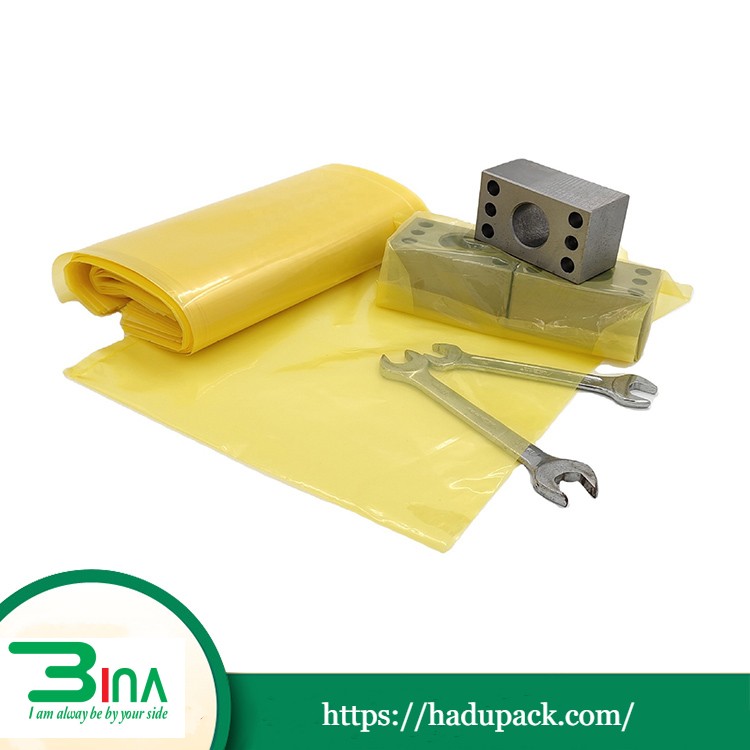
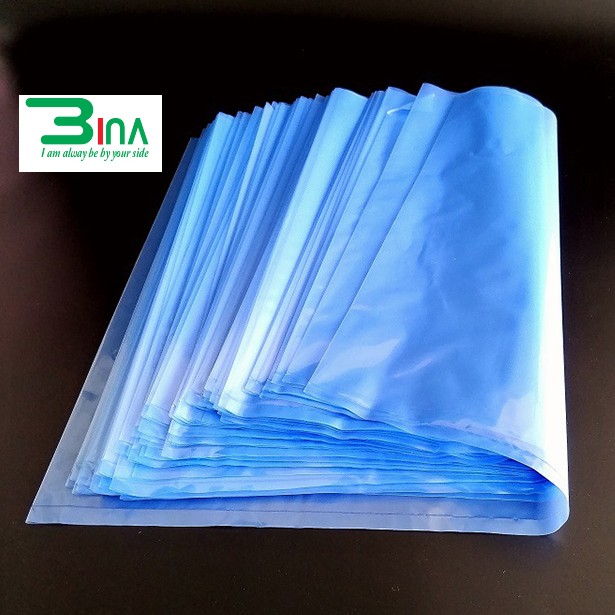
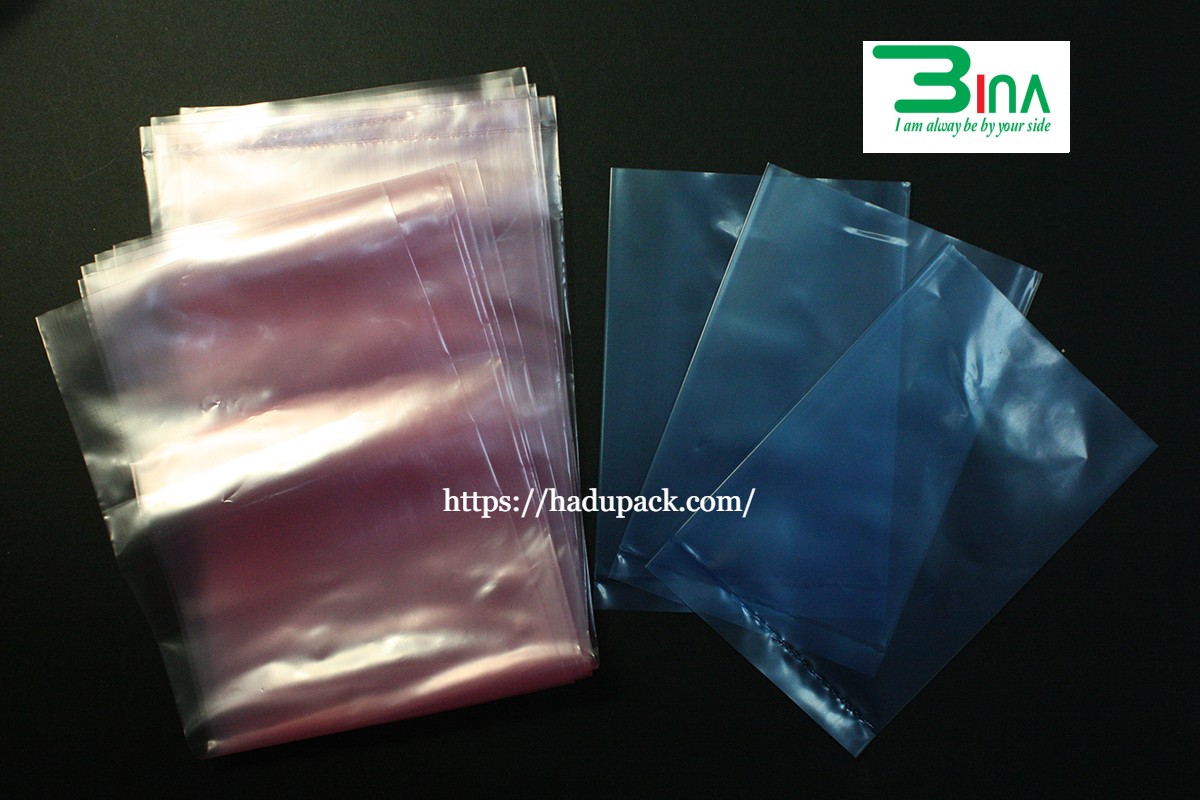
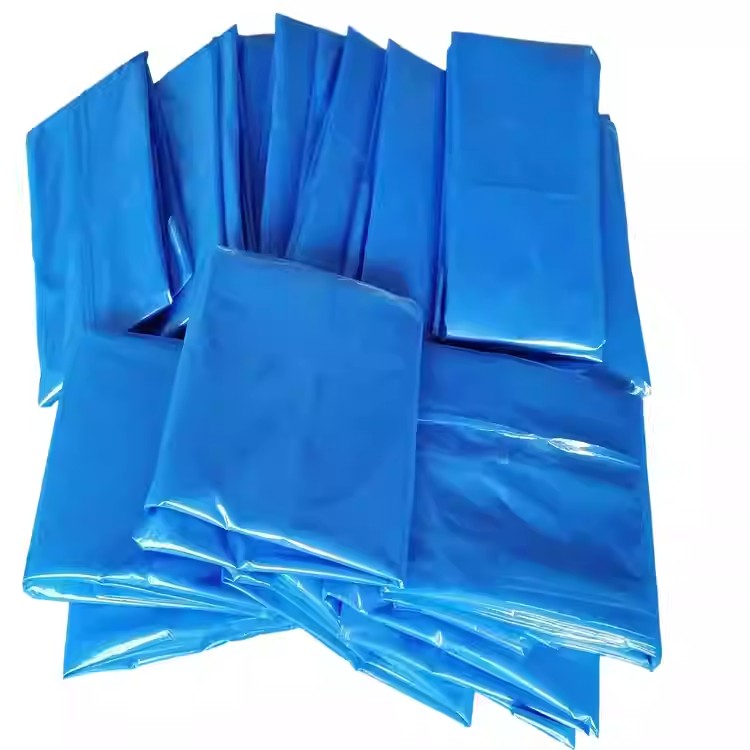
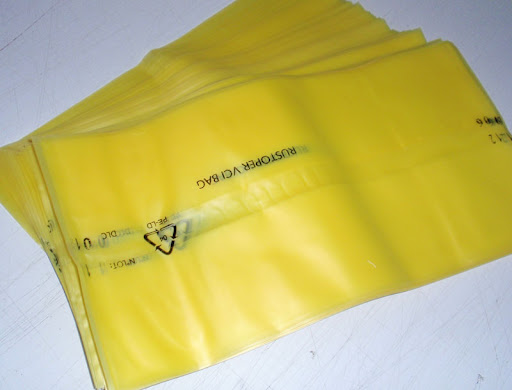
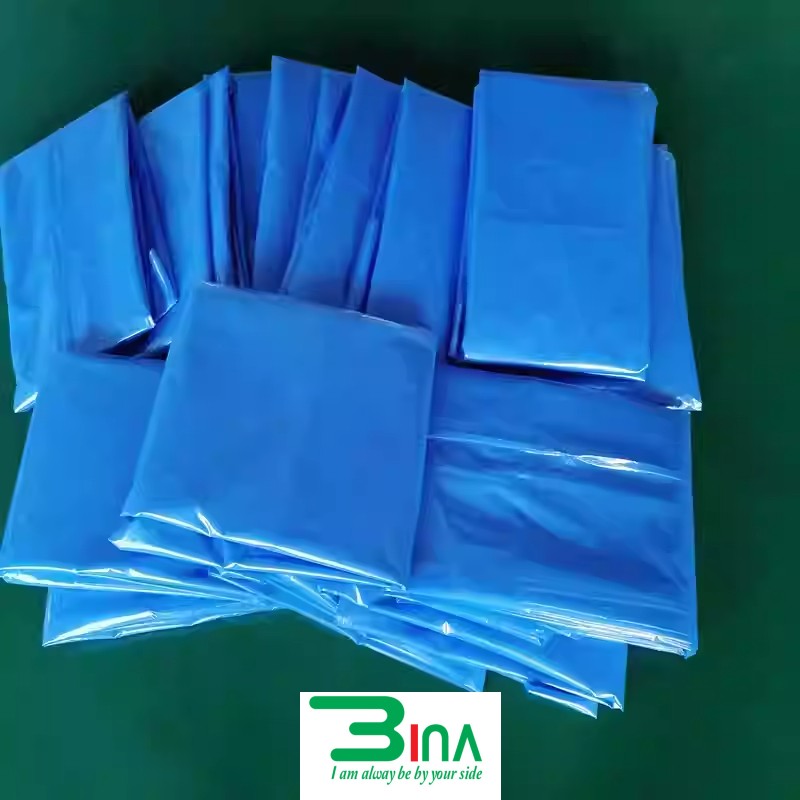
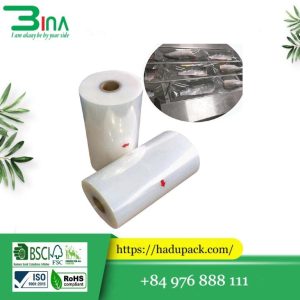
VCI anti-rust bags – VCI vapor-phase anti-rust film is a new-generation composite anti-corrosion film produced by blending high-molecular-weight polyethylene (LDPE) resin and functional VCI resin using modern film co-extrusion technology.
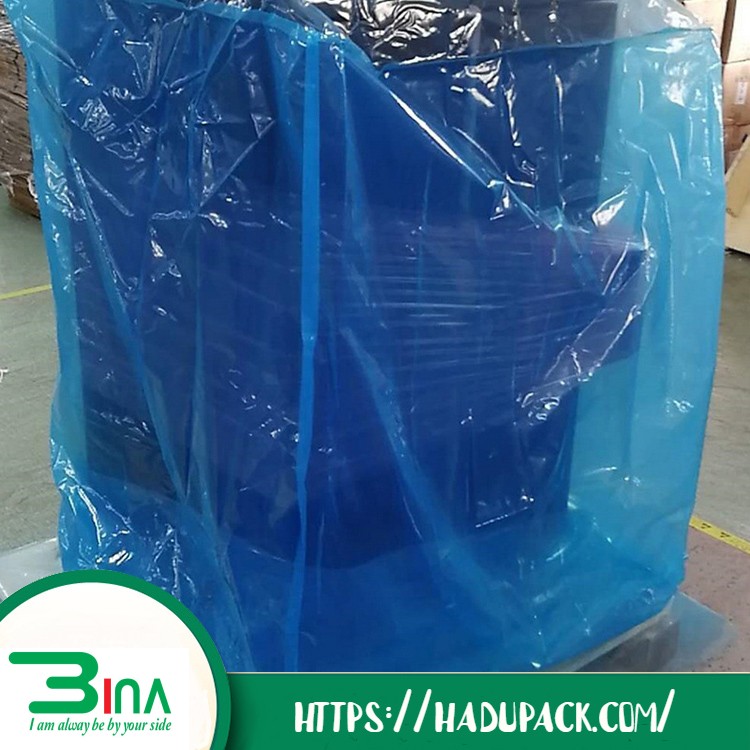 |
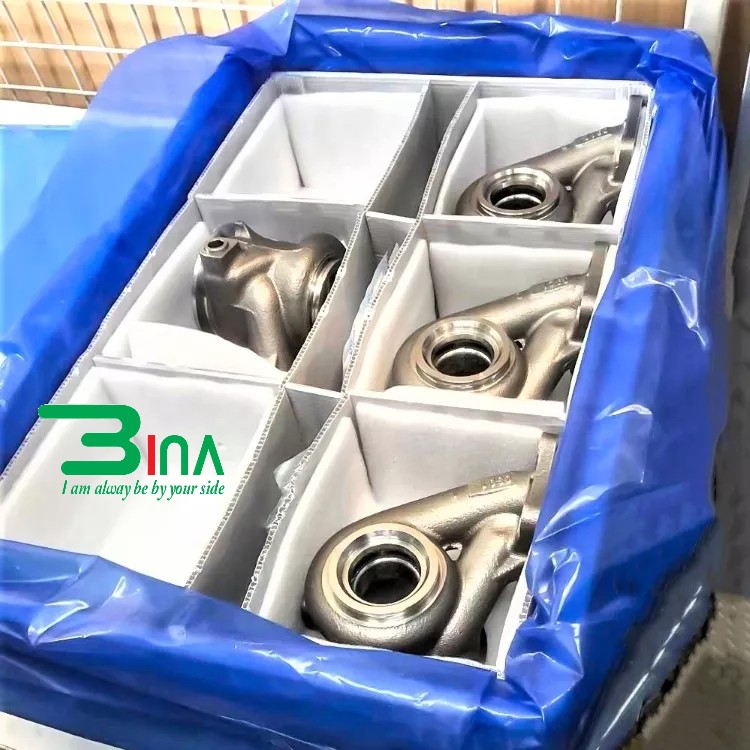
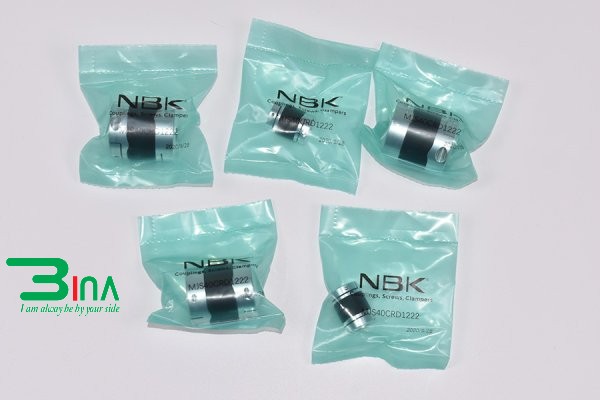
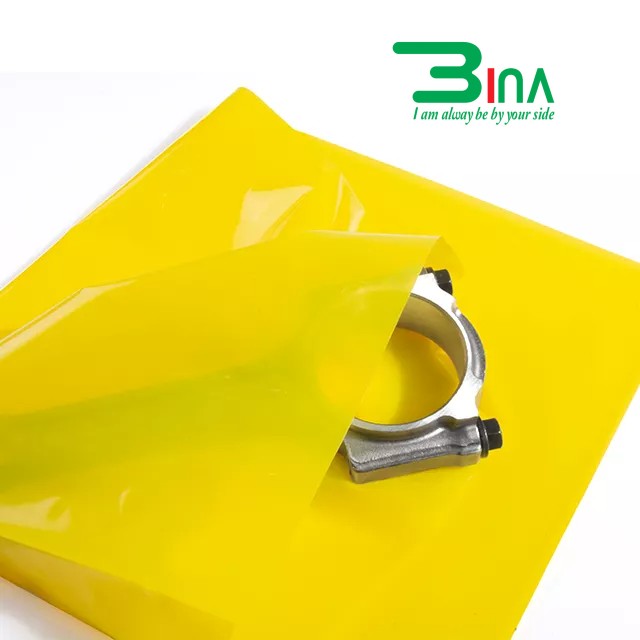
It has good gasification properties and rust and moisture resistance, is easy to use, transparent, and provides clear visibility when wrapping metal products in plastic bags; the volatile vapor-phase corrosion inhibitor in the enclosed space condenses on all metal surfaces, forming a vapor-phase protective layer, thereby preventing metal products from rusting. Complies with the rust prevention performance requirements of GB-T19532-2004.
 |
 |
| Category | Product name | Model | Technical specifications | Purpose |
| Universal | Rust-preventive film for ferrous metals | BINA-001 |
|
VCI Rust Prevention Principle
VCI is an abbreviation for volatile corrosion inhibitor in English. It is a volatile corrosion inhibitor, known as a volatile rust prevention product. When packaged items are packed together with vapor-phase rust prevention products, the rust-preventive particles of the volatile rust prevention product vaporize into gas, forming a protective film on the metal surface, preventing metal ions from coming into contact with water and oxygen, thereby achieving a rust prevention effect.
◆Learn more:
- https://hadupack.com/san-pham/tui-niem-phong/
- https://hadupack.com/san-pham/thung-nhua/
- https://hadupack.com/san-pham/thung-nhua-danpla/
 |
 |
At the same time, compared with other rust-preventive products, the biggest difference between our company’s rust-preventive products is that the diffusion rate of the rust-preventive particles inside is automatically adjusted after packaging when the temperature or temperature rises. The diffusion rate of the rust-preventive particles. Conversely, the diffusion rate of the rust-preventive particles will decrease, but when the weather inside and outside When the outside world is relatively stable, the rust-preventive particles will temporarily stop evaporating outward and maintain the optimal rust-preventive state until the outside world changes again, at which point the rust-preventive particles will evaporate again, thereby automatically adjusting the internal content. The gas concentration keeps the packaging in the most stable rust-preventive state.
 |
 |
VCI vapor-phase rust prevention principle diagram:
VCI packaging sealing
↓
VCI gas saturates and evaporates inside the packaging within 2-3 hours
↓
VCI particles adhere to the metal surface, forming a super-protective film one molecule thick
↓
Prevents contact between the metal surface and water, air, and other media
↓
Interrupts the electrochemical migration of electrons from the anode to the cathode
↓
Adjusts the evaporation of VCI particles according to the environment
↓
Completely eliminates the functions impaired by rust
 |
 |
VCI components act on metal surfaces in three ways to inhibit metal corrosion and oxidation:
- Passivating the electron flow between the anode and cathode on the metal surface.
- VCI molecules form a physical barrier layer on the metal surface to prevent water, moisture, and other substances that can easily cause metal corrosion and oxidation from coming into direct contact with the metal. An electrolyte is formed on the surface.
- Adjusting the pH value of the electrolyte.
 |
Comparison between the VCI vapor-phase rust prevention process and the traditional rust prevention process
Traditional rust prevention technology using dry oil
| Traditional anti-rust technology | Oil | Dry | Remove excess oil | Parcel | packaging | transportation | Disperse | Degreasing | Use |
| VCI rust prevention process | → | → | → | Parcel | packaging | transportation | Disperse | → | Use |
 |
 |
 |
 |
| Like | Description | Shape | Purpose of use | Technical specifications/thickness | Colors |
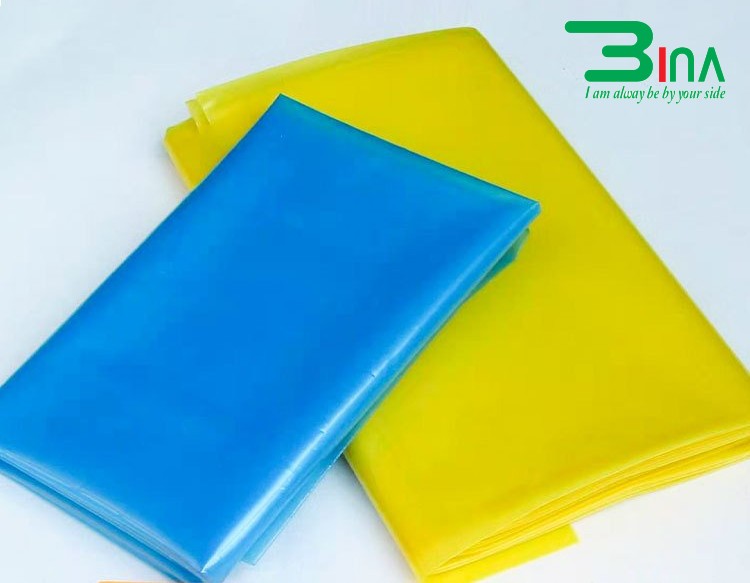
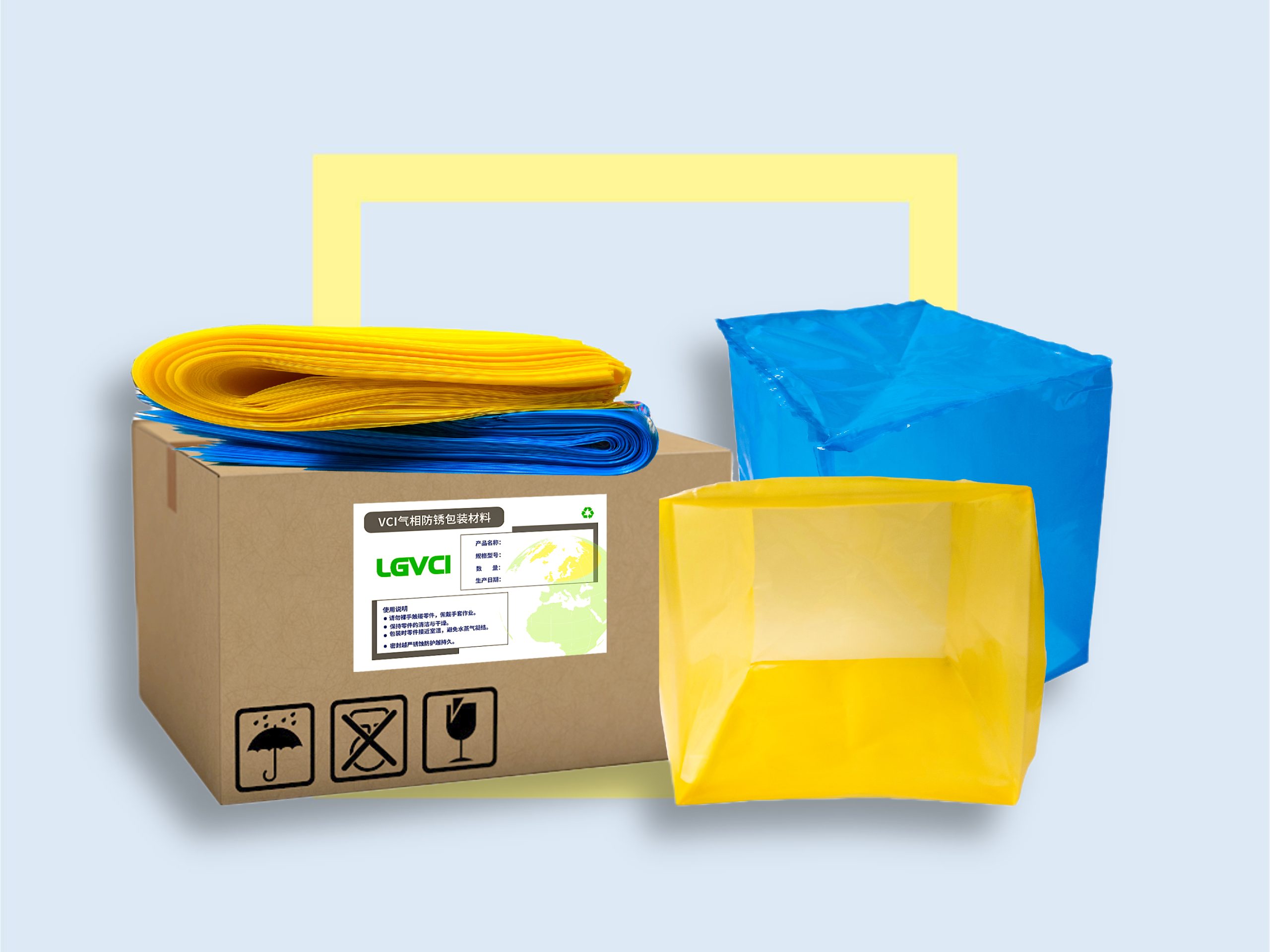
| Flexible | LDPE+VC | roll material, sheet material, eight flat-folded inner bags, square-bottom bags | non-ferrous metals and non-ferrous metals (zinc, tin, copper, aluminum, etc.) | customized according to the customer’s requirements | gold, blue, green, transparent, etc. |
Comparison between VCI rust prevention and conventional rust prevention methods
| Rust prevention products/methods | Advantage | Shortcoming |
| Rust-preventive oil/butter | General method | Require additional processing and cleaning steps; affect rubber, polyethylene, and other products; cause serious contamination, increasing equipment costs; temperature and external conditions will greatly affect rust prevention effectiveness. |
| Vacuum/inert gas packaging | It provides good rust protection and does not require cleaning. Non-metallic products can also be used. | Requires expensive packaging equipment, which is easily damaged during transportation; cannot be used for products with large volumes; requires advanced packaging technology and high packaging costs |
| VCI vapor-phase corrosion protection | Can penetrate into nooks and crannies that rust-preventive oil cannot cover. The products come in different physical forms and are easy to package, transport, and store. Easy to use, with no soaking or cleaning required. It can save costs and prevent pollution. | It needs to be sealed tightly. |
Advantages of VCI vapor-phase corrosion inhibitor products
- The corrosion-inhibiting particles slowly evaporate inside the packaging and can provide long-lasting corrosion protection.
- High-performance special corrosion inhibitors are evenly distributed inside the packaging and can quickly provide corrosion protection.
- No need to apply anti-rust oil, eliminating the need for brushing and degreasing, making the working environment cleaner.
- VCI vapor-phase corrosion-inhibiting particles can penetrate every small corner inside the packaging and can treat grooves, gaps, and other areas that other anti-rust products cannot cover.
- Clean, stable, and non-polluting.
- Easy to use, shortens the process, economical and practical.
 |
Applicability of VCI vapor-phase corrosion inhibitor film to different metals
| Metal type | Vapor-phase multi-metal corrosion inhibitor film (VCI FILM) |
| Steel | Apply |
| cast iron | Apply |
| copper | Apply |
| brass | Apply |
| Stainless steel | Apply |
| Electroplated metal | Apply |
| Cadmium and alloys | Apply |
| Chromium alloy | Apply |
| Tin and tin alloys | Apply |
| Nickel alloy | Apply |
| Zinc alloy | Apply |
| Aluminum | Need to test |
| Silver | Need to test |
| Magnesium | Not applicable |
Production of VCI anti-rust bags
The core of the VCI bag production process lies in mixing VCI resin pellets with PE resin pellets, creating a rust-resistant film through multilayer blown-film extrusion technology, and then heat-sealing it into bags. The main processes include resin pellet preparation, hot-melt co-extrusion blown-film extrusion, cooling and winding, and bag cutting. The VCI substance evaporates inside the sealed bag, forming a molecular-level protective layer.
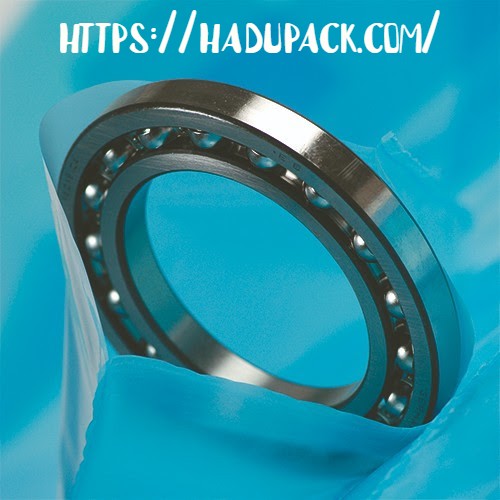 |
I. VCI Rust-Proof Bag Production Process
- Raw Material Preparation: Prepare high-density or low-density polyethylene resin pellets (HDPE/LDPE) and specially formulated volatile corrosion inhibitor VCI resin pellets.
- Mixing and Agitation: Thoroughly mix the resin pellets and VCI resin pellets in a mixer according to the specified ratio.
- Multilayer Co-Extrusion Blow Molding (Core Process): Feed the raw material mixture into the blow molding machine and heat it until molten. Typically, three-layer or multilayer extrusion technology is used (usually with a VCI layer sandwiched in the middle or as the inner layer) to form the rust-proof film. This process ensures uniform distribution of the corrosion inhibitor and prevents premature volatilization.
- Cooling and Calendering: The film is cooled and formed by air or water cooling, then calendered into rolls of rust-proof film.
Bag Making and Cutting: The rust-proof film is fed into a bag-making machine, where it is heat-sealed and cut into flat bags, zipper bags or composite bags. - Inspection and Packaging: The bags are inspected for sealing performance, tear strength and rust-proof performance (vapor-phase inhibition capability). After passing inspection, they are packaged and stored.
II. Production Points and Key Factors
- VCI Formulation: The molecular composition of VCI is adjusted according to the type of metal requiring corrosion protection (iron, copper, aluminum or multi-metal materials).
- Co-Extrusion Technology: Multilayer extrusion helps prevent direct contact between VCI substances and the surface, maintaining long-term rust-proof performance.
- Temperature Control: The blow molding temperature must be strictly controlled to ensure that the PE pellets melt while preventing premature volatilization of VCI components during production.
- Uniform Thickness: Ensuring consistent film thickness helps ensure a uniform concentration of corrosion inhibitor throughout the entire bag.
III. Characteristics of VCI Rust-Proof Bags
- No Need for Oil Application: Eliminates the need for cleaning and degreasing, saving costs and being friendly to machined parts.
- Self-Volatilizing: VCI substances can penetrate into the internal corners of parts.
- Environmentally Friendly and Safe: Typically uses FDA-approved chemical materials that are non-toxic and environmentally friendly.
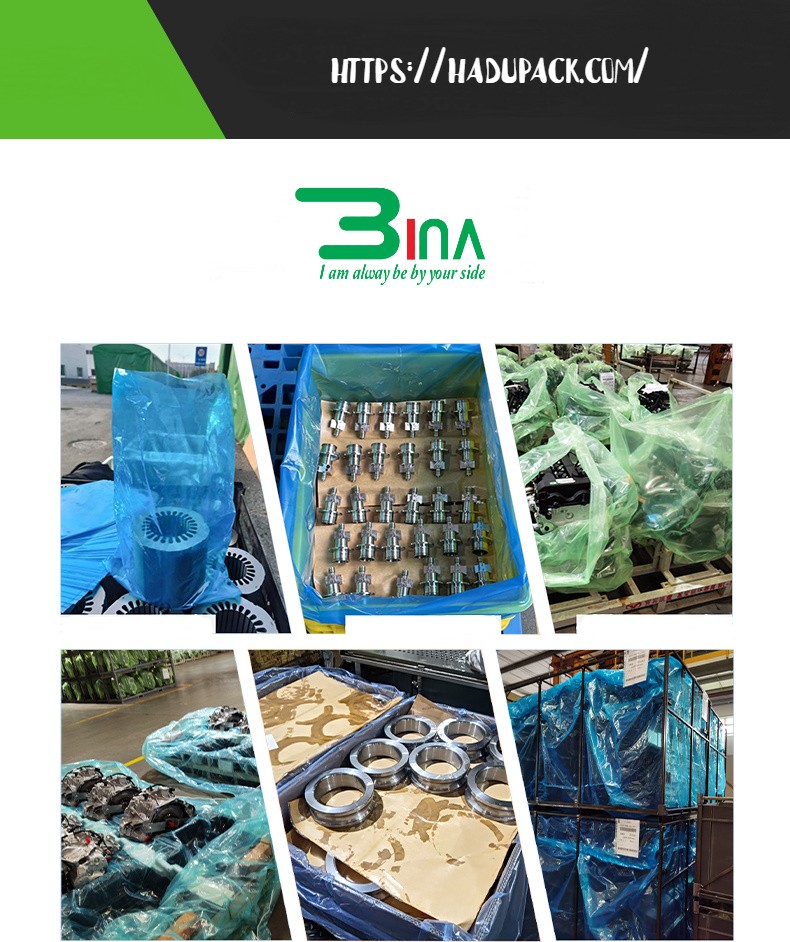 |
Storage of VCI Rust-Proof Bags
VCI anti-rust bags (Volatile Corrosion Inhibitor) should be stored in their original sealed packaging in a dry, well-ventilated warehouse, away from direct sunlight. The ambient temperature should be below 30 degrees C, and the ideal humidity should be controlled below 60%. Unused bags must be tightly sealed. The anti-rust protection period is usually one year, during which the effectiveness is optimal.
The following are detailed precautions for storing and using VCI rust-proof bags:
1. Storage Environment
- Sealed storage: If any bags remain after opening, they must be resealed to prevent the VCI gas from evaporating and losing its effectiveness.
- Cool and dry: Store in a cool warehouse with a temperature below [missing temperature value] and relative humidity below [missing humidity value].
- Avoid light and sunlight: Direct sunlight is strictly prohibited to prevent damage to the plastic structure.
- Keep away from sources of contamination: Avoid contact with acidic or alkaline chemicals, ignition sources, or heat.
2. Precautions for Use
- Clean the surface: The metal parts to be wrapped must be clean, dry, rust-free, and free of moisture.
- Tight packaging: Place the rust-proof bag as close to the metal surface as possible and seal the packaging to ensure the formation of a high-concentration vapor-phase protective layer inside.
- Avoid contamination: Gloves should be worn during handling to prevent hand sweat from coming into contact with the metal.
- Do not reuse: After opening, the VCI content in the bag has decreased; reuse will affect the rust-proofing effectiveness.
3. Shelf Life
VCI rust-proof bags are generally effective for 12 months from the date of manufacture.
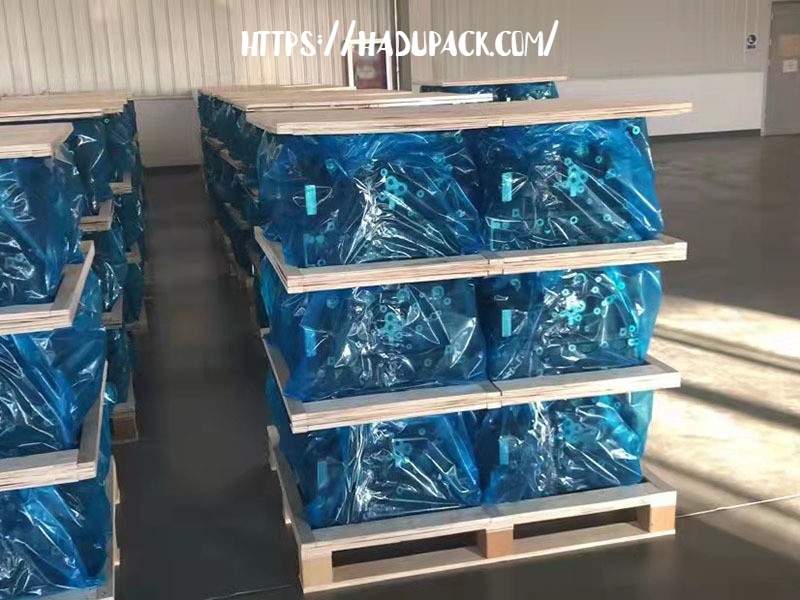 |
How to buy VCI anti-rust bags
You can buy VCI bags (Vacuum anti-rust bags) through e-commerce platforms (Shoppe, TiKi, Lazada) or via https://hadupack.com by searching for “VCI anti-rust bags”, “VCI vacuum anti-rust bags” or “self-adhesive anti-rust bags”. They are mainly used for airtight packaging and rust prevention of metal parts and can be customized according to the material (ferrous/non-ferrous metals) and size.
Specific purchasing channels and notes:
- Searching for “VCI anti-rust bags” will yield a large number of flat bags and self-adhesive bags in various sizes.
- You can search for “VCI vacuum anti-rust bags”, which usually specify the thickness (for example: 20 microns) and specifications.
- Industrial e-commerce: Professional industrial product websites such as https://hadupack.com offer various specifications of VCI products, such as VCI shrink film and VCI anti-rust paper.
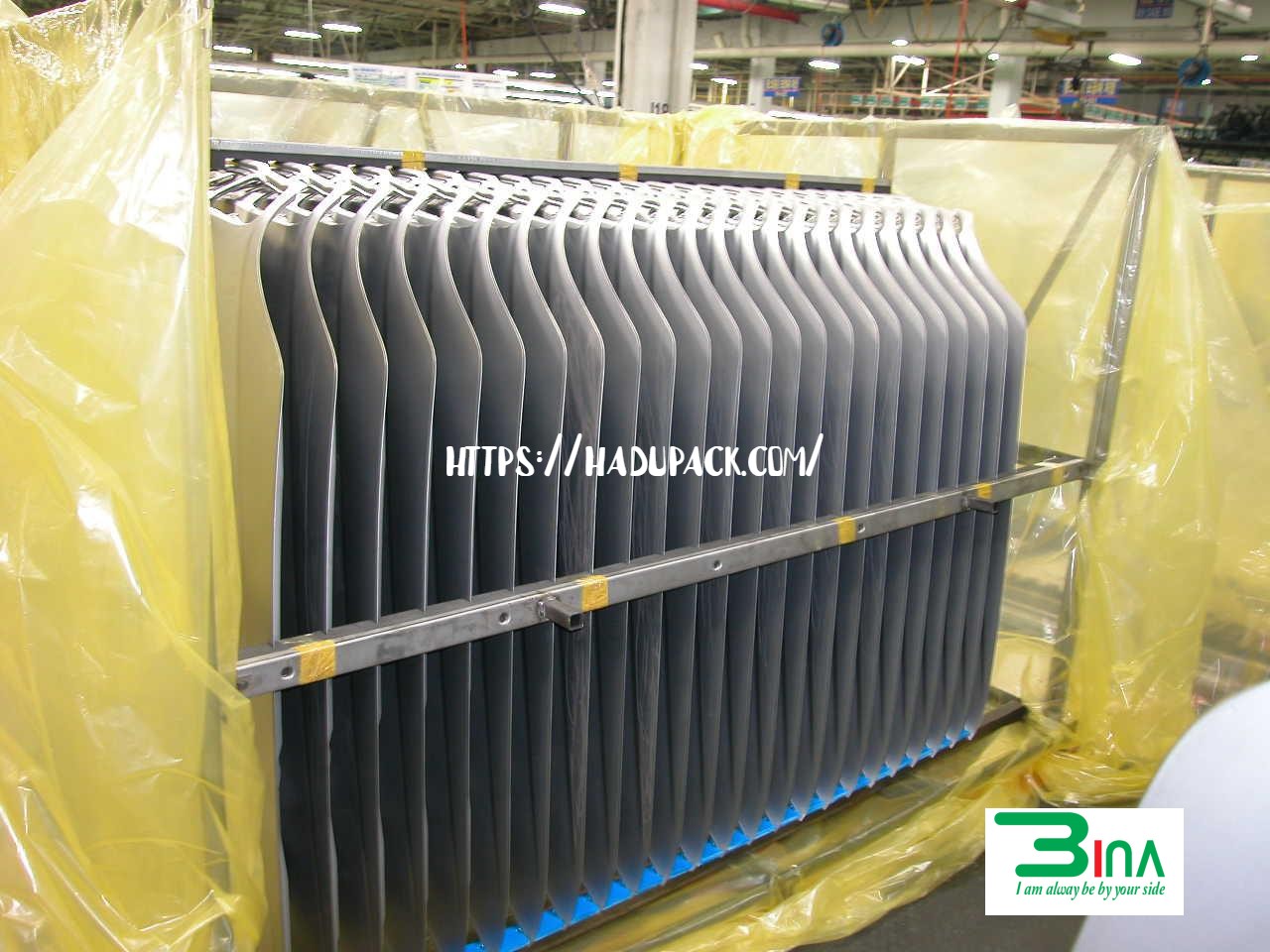 |
Purchase Recommendations:
- Determine the type of metal: VCI bags are available for ferrous metals, non-ferrous metals, or general-purpose use. Choose the appropriate type for the material requiring rust protection.
- Select the size and thickness: Choose an appropriate size based on the dimensions of the package. For industrial applications, thicker coatings (e.g., 20 microns on both sides) are often selected to enhance protection.
- How to use: After placing the metal parts inside, ensure that the bag is tightly sealed. VCI molecules will automatically form a protective layer on the metal surface, eliminating the need to use rust-preventive oil.
- Applications: Suitable for rust-preventive packaging of machined parts, automotive components, and metal products exported by sea.
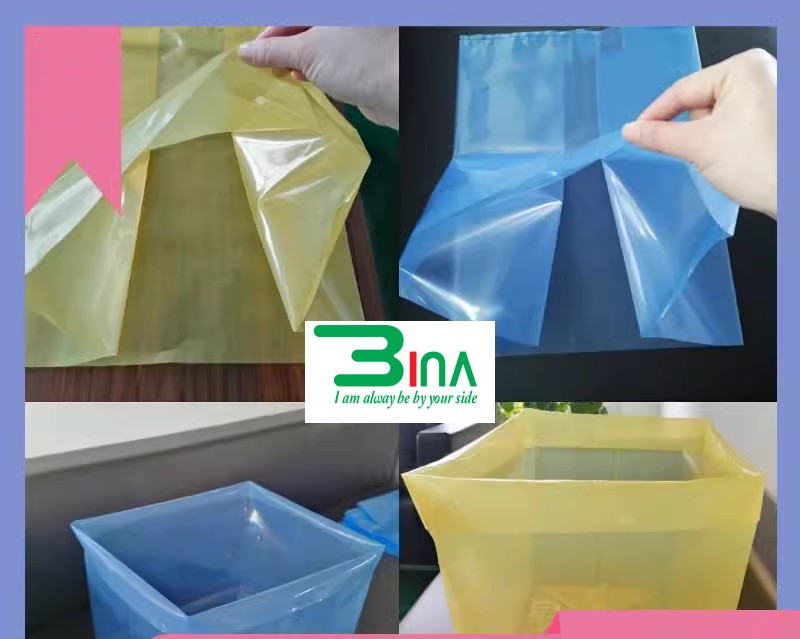
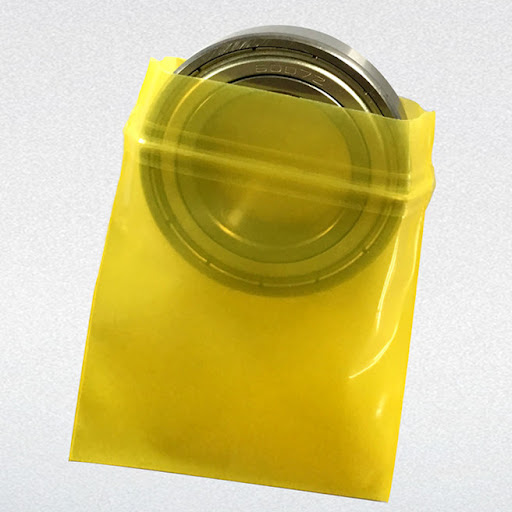
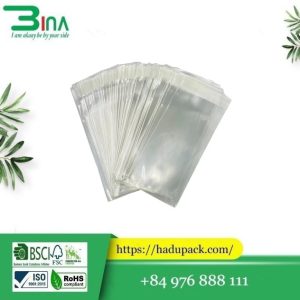
The types of bags in VCI vapor-phase rust-preventive bags commonly include: three-dimensional bags, gusseted bags, flat bags, zipper bags, ziplock bags, corner bags.
VCI vapor-phase rust-preventive bags meet diverse product needs, including the automotive industry, heavy machinery industry, electronics industry, aerospace industry, precision machining industry, and steel industry.
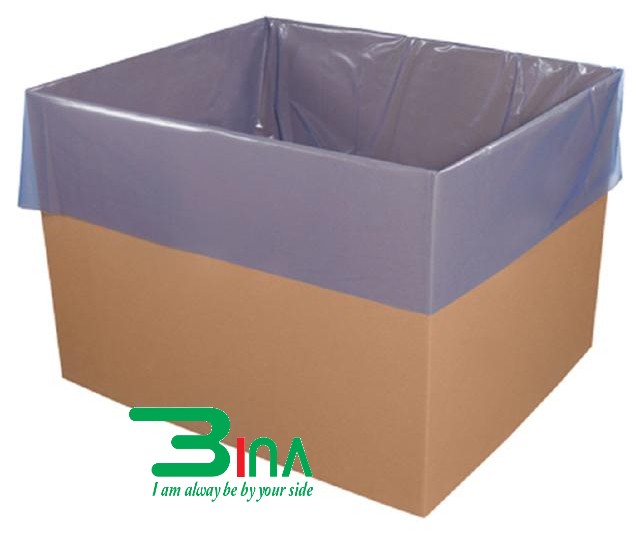
VCI vapor-phase rust-preventive three-dimensional bags: Commonly known as square bags, square-bottom bags, 3D bags, etc., they are typically used for outer packaging, wooden box liners, carton liners, and frame positioning packaging. Three-dimensional bags are convenient and flexible to use, and their operational efficiency is extremely high.








Reviews
There are no reviews yet.