


Description
Role and benefits of PP (polypropylene) bags
What makes PP polypropylene plastic bags a top choice for businesses worldwide? The answer lies in their remarkable properties and ability to adapt to a wide range of packaging needs. Understanding the characteristics, applications, and benefits of polypropylene bags is essential for making informed decisions that suit different production requirements. The following article will be the key to gaining a detailed perspective on these aspects!
 |
◆Learn more:
- https://hadupack.com/san-pham/tui-opp/
- https://hadupack.com/san-pham/in-tui-nhua/
- https://hadupack.com/san-pham/tui-chong-gi/
1. What are polypropylene bags?
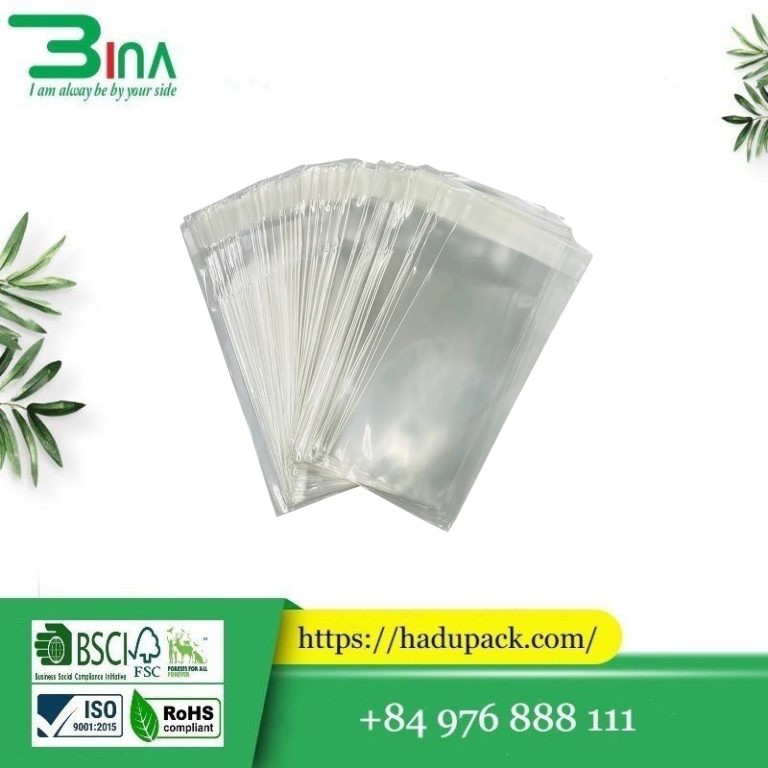
Polypropylene bags are a popular choice among consumers in many different areas of life. This is due to their durability, light weight, and extreme versatility. Structurally, polypropylene bags are made from a type of thermoplastic polymer called polypropylene (PP). In terms of properties, polypropylene pp bags have high strength, chemical resistance, and extremely ideal load-bearing capacity.
Common applications of polypropylene bags range from bags for grains, fertilizer, and sand to shopping bags. In fact, polypropylene bags are cost-effective and environmentally friendly because they are recyclable.
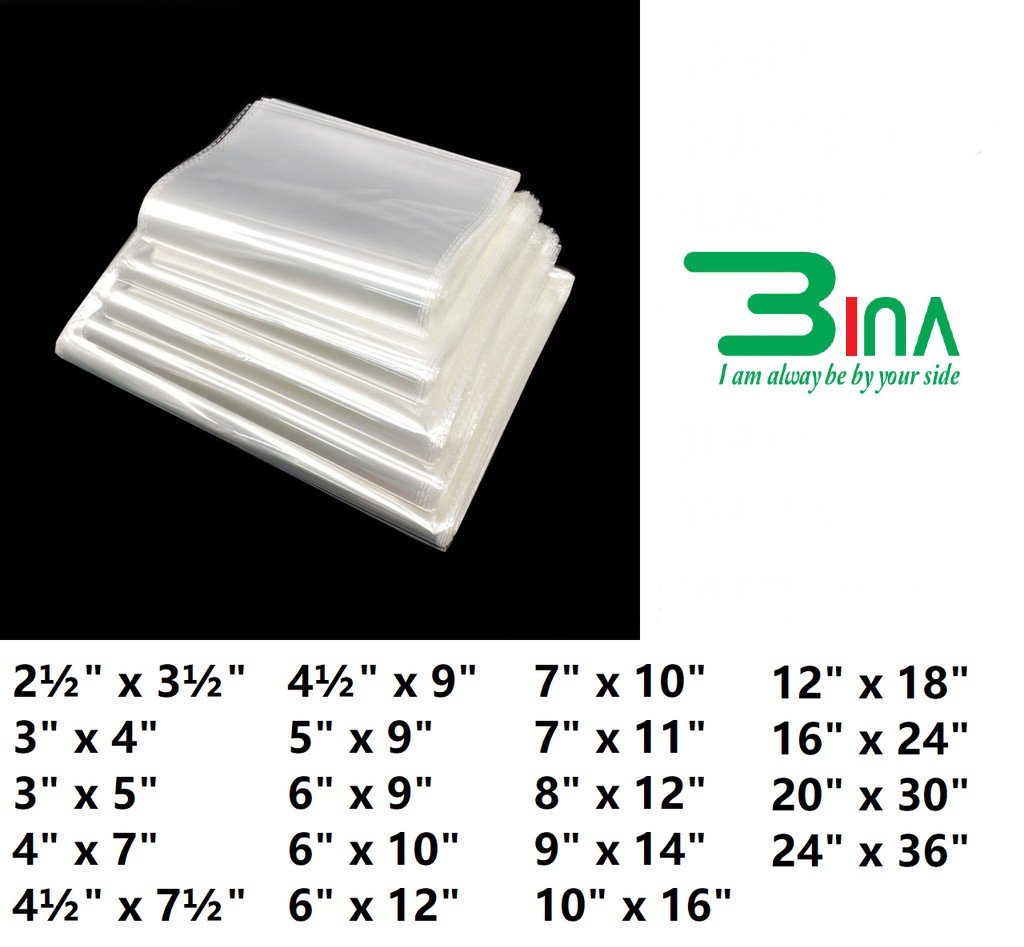
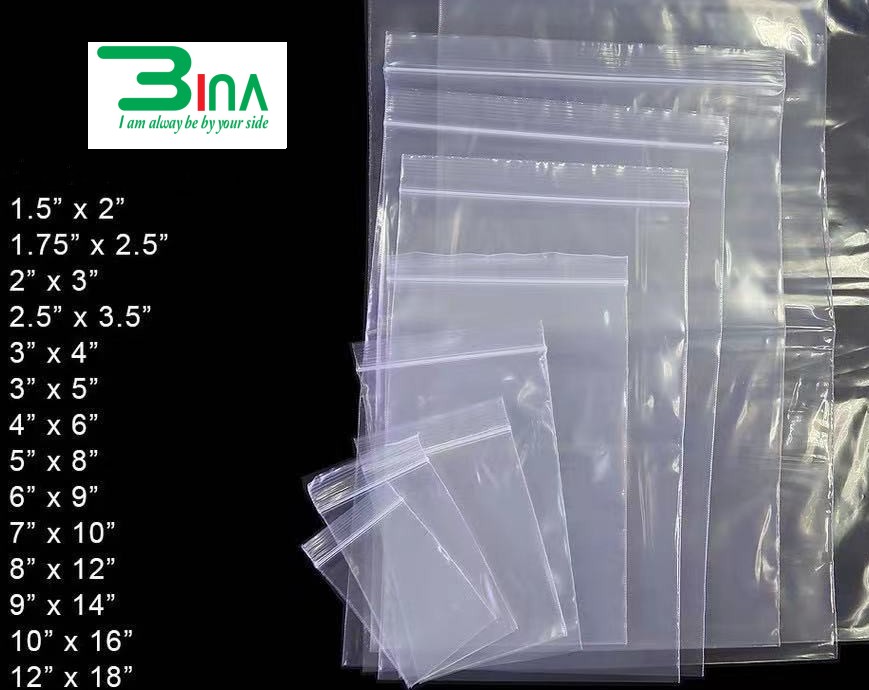
In addition, polypropylene bags are also considered extremely versatile. They can be manufactured in many different sizes and styles, ensuring optimal performance and attractive aesthetics for users.
 |
2. Types of PP polypropylene plastic bags
Polypropylene bags are an excellent solution for many purposes. In fact, polypropylene bags are also divided into many different types. Each type of PP bag has its own outstanding characteristics. Let’s explore some common variants of polypropylene bags:
2.1. Woven polypropylene bags
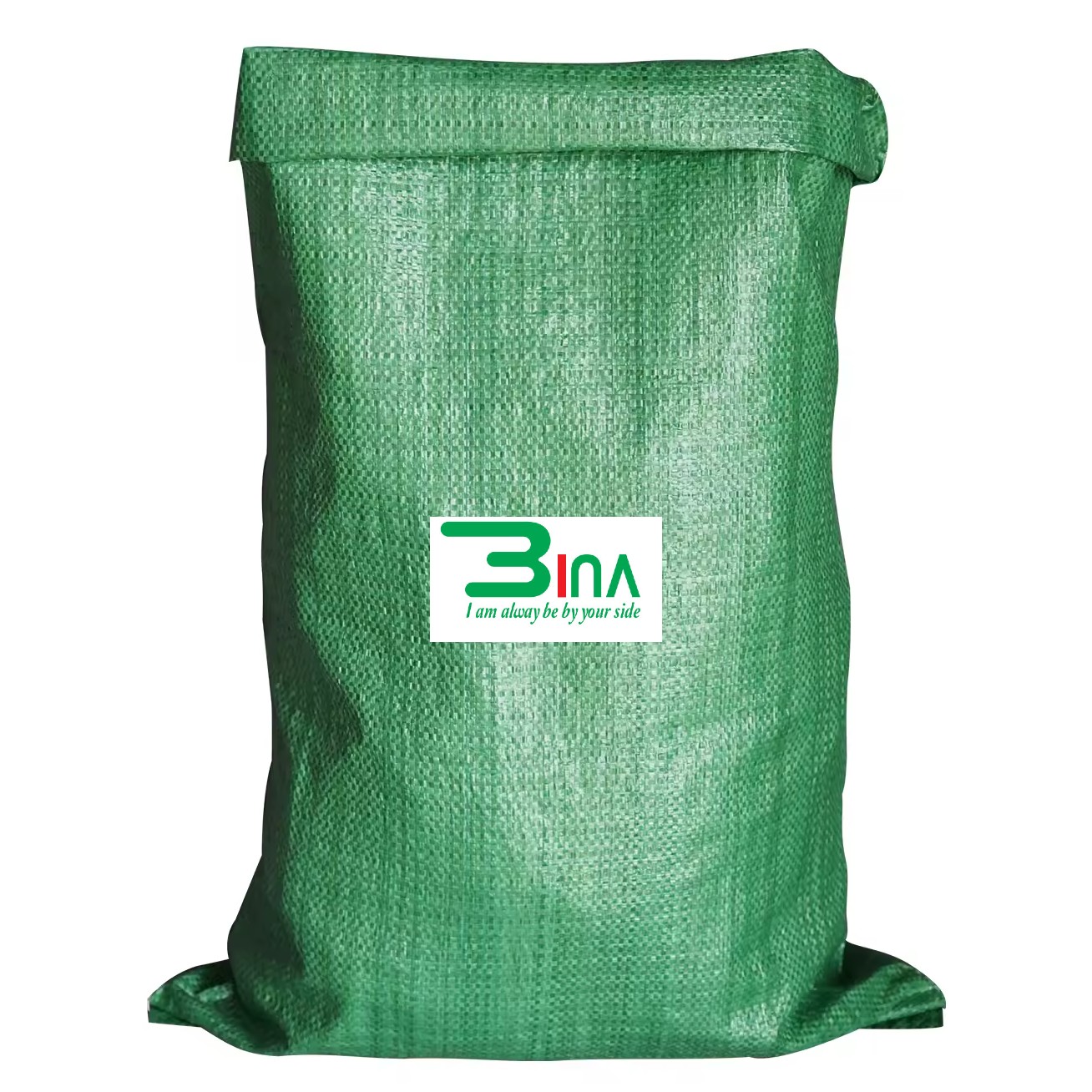
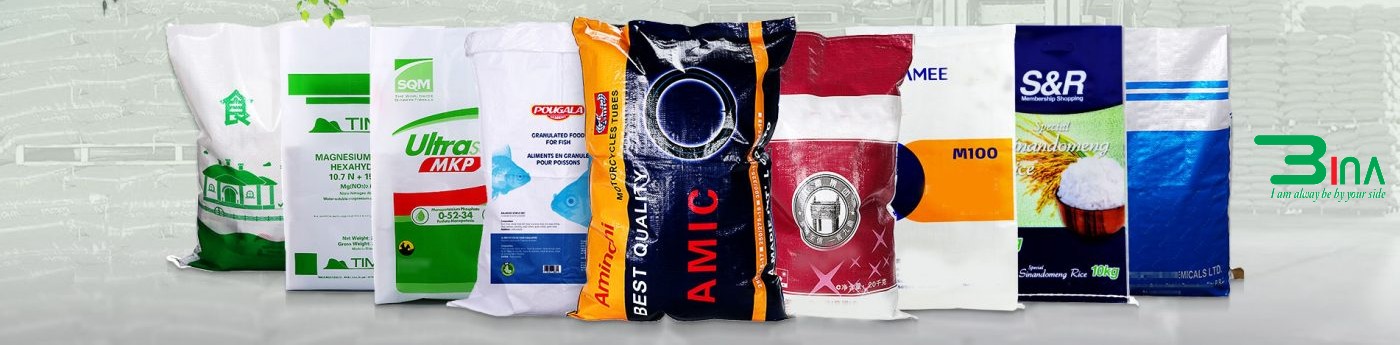
Woven polypropylene bags are made by weaving polypropylene fibers together. Therefore, these PP bags are structurally reinforced, making them durable and sturdy. Woven polypropylene bags are used to package heavy goods such as grains, fertilizers, and construction materials.
 |
 |
2.2. Non-woven Polypropylene Bags
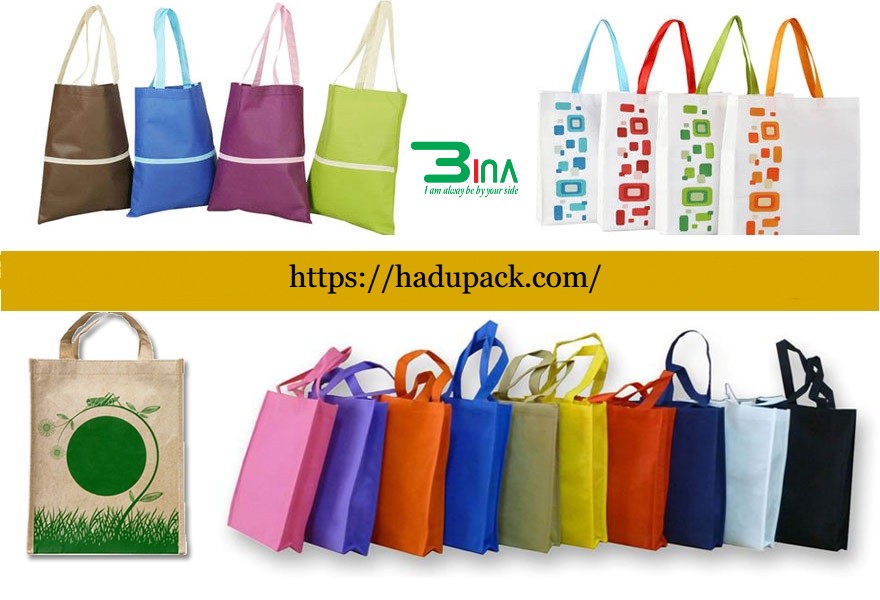
Unlike woven bags, non-woven polypropylene bags are made by bonding fibers together without weaving. Polypropylene bags produced this way are generally lightweight. Some types of non-woven PP bags that we commonly encounter include shopping bags, food bags, etc. In particular, they are often reusable, making them a popular eco-friendly choice.
 |
2.3. BOPP Bags (Biaxially Oriented Polypropylene)
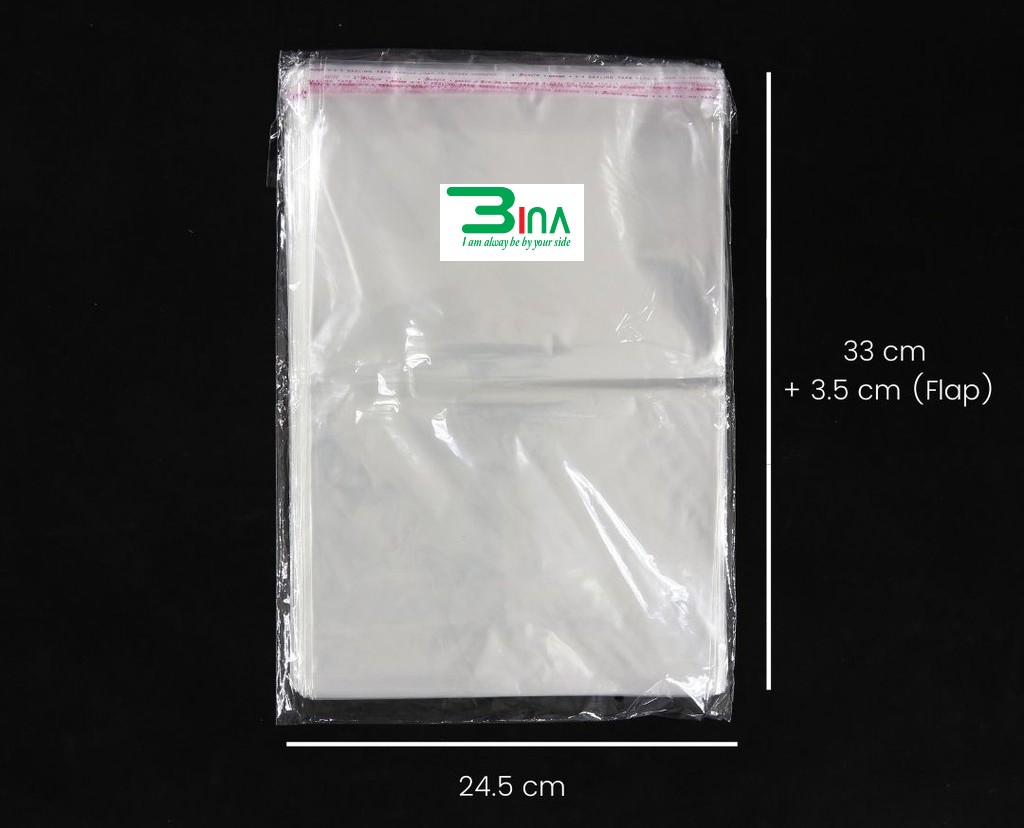
BOPP bags (Biaxially Oriented Polypropylene) are polypropylene bags produced through a process of stretching the material in two directions. This helps increase the bag’s strength and transparency. BOPP bags are always an ideal choice for branded packaging. The main reason is that these polypropylene pp bags offer high-quality printing capabilities and are extremely versatile in design.
 |
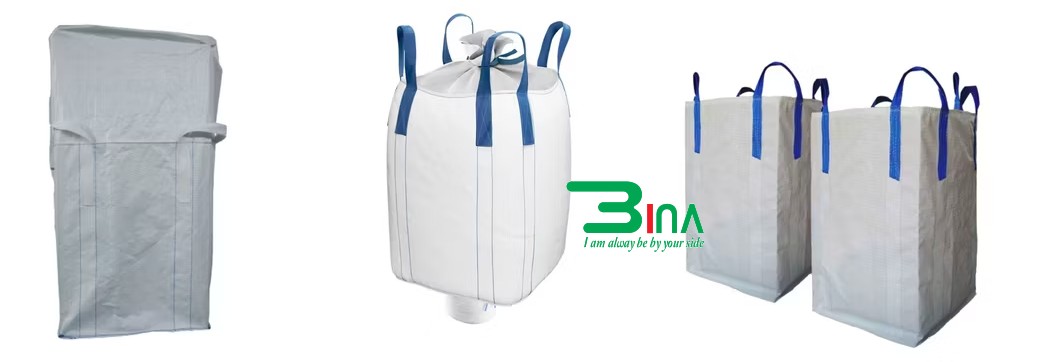
2.4. FIBC Bags (Flexible Intermediate Bulk Container)
- The materials that these Polypropylene bags contain are often heavy materials such as sand, chemicals, or some other construction materials.
- FIBC bags (Flexible Intermediate Bulk Container) are designed to carry heavy loads and can even withstand loads of more than one ton. FIBC bags are commonly used to transport bulk materials such as sand, chemicals, and other construction materials.
 |
3. Advantages and disadvantages of Polypropylene bags
Thanks to their durability while still maintaining a light weight, Polypropylene bags are widely used in many different industries
3.1. Advantages of Polypropylene (PP) bags
- Durability: Polypropylene plastic bags have a sturdy structure, with excellent resistance to abrasion and tearing.
- Lightweight: Thanks to their durability while still maintaining a light weight, Polypropylene (PP) bags are widely used in many different industries. This helps contribute to lower transportation costs and makes them easy to move.
- Moisture resistance: The moisture resistance of PP bags has been proven by the food packaging industry. They help protect food from spoilage and mold during storage or transportation.
- Flexibility in production: Polypropylene (PP) bags can be produced in many different styles, designs, colors, images and sizes to meet diverse packaging needs.
- Reusability and recyclability: Polypropylene bags are considered one of the most environmentally friendly packaging solutions. They can be reused or recycled very flexibly. As a result, polypropylene bags are highly durable, helping reduce the amount of waste released into the environment.
 |
4. Common Applications of Polypropylene (PP) Bags
Thanks to their durability, high load-bearing capacity, and environmental friendliness, polypropylene plastic bags are widely used in many different fields. Here are some common fields where PP bags excel:
4.1. Agriculture
- Agriculture is one of the industries that has recorded high usage of polypropylene bags. Some common applications of polypropylene bags in this field include bags for storing and transporting grains, bags for seeds, animal feed, etc.
- Polypropylene bags provide the agricultural packaging industry with excellent moisture resistance, durability, and large capacity. They help protect agricultural products from mold, damage, and contamination during transportation and storage.
4.2. Construction Industry
- Polypropylene bags are one of the ideal solutions for packaging and transporting bulk materials such as sand, gravel, and cement. They have a large capacity and are easy to handle with machinery such as forklifts and trailers.
- Furthermore, the durability of PP bags ensures that construction materials are safely protected, preventing spills and unnecessary losses during transportation and storage.
4.3. Retail Industry
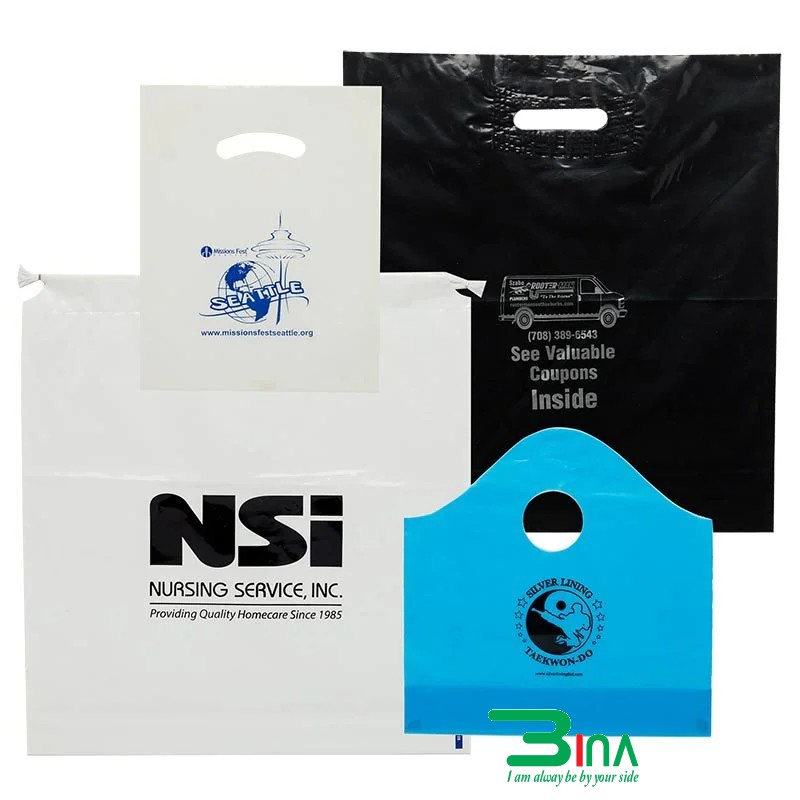
- From everyday shopping bags to promotional gifts, polypropylene plastic bags provide an optimal solution in retail. Their lightweight nature, durability, and reusability make PP bags a product favored by consumers.
- For businesses, many companies also leverage PP bags to promote their brands. They are highly versatile, so they are often designed with brand logos, colors, or slogans.
 |
4.4. Food packaging industry
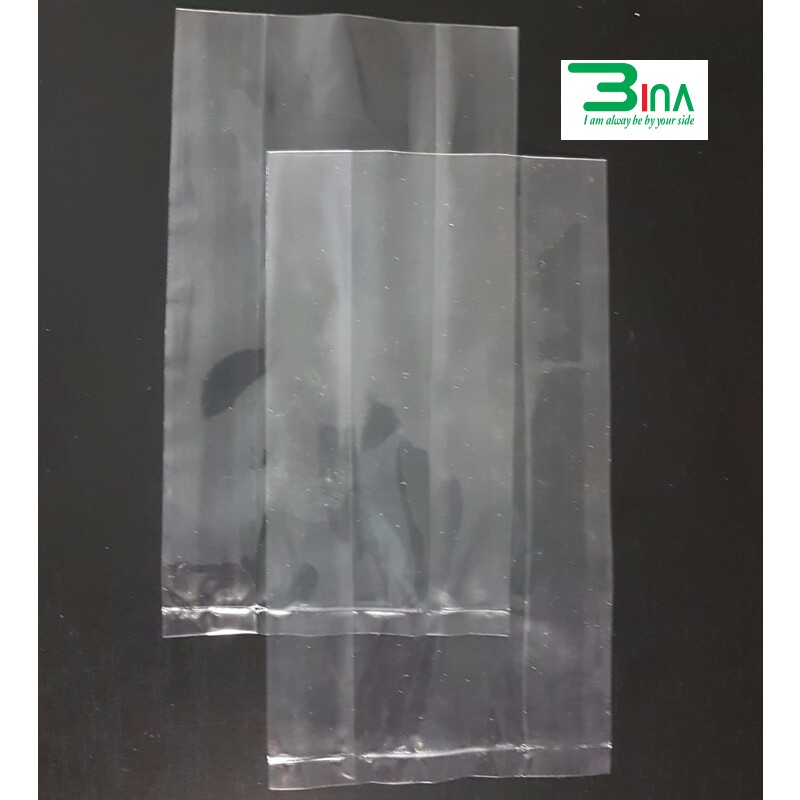
- Polypropylene (PP) bags are a top choice for packaging snacks, confectionery and pet food, etc. It is known that polypropylene bags offer high print quality, bright colors and good moisture resistance, making them ideal for food preservation applications.
- In addition, due to their eye-catching design, PP bags also have a positive effect on attracting consumer attention. Polypropylene bags are considered to contribute to brand marketing and increase the appeal of packaged goods.
4.5. Chemical and fertilizer industry
- The strong chemical resistance of polypropylene bags makes them ideal for packaging and transporting a wide range of chemicals and fertilizers. They help protect the products contained inside from external and internal factors.
- Polypropylene (PP) bags perform durably in chemical environments without wearing out or degrading. In addition, they help products withstand external environmental effects such as moisture, UV rays, etc.
5. Choosing the right polypropylene (PP) bags
With many types of polypropylene bags available, choosing the right type for your specific needs is very important. Here are two key factors to consider:
- Product weight and type: Choosing the right PP bag begins with understanding the weight, size, shape and chemical properties of the product. In particular, non-woven polypropylene bags are often suitable for lightweight items. Conversely, if the product is large or heavy, you need to consider the remaining types.
- Operating environment: Pay attention to the environmental conditions that the bag will be exposed to, such as humidity, temperature and UV rays.
Some operating environments for polypropylene bags that we need to consider are abrasive chemical environments, humid environments, outdoor environments, etc. Understanding environmental challenges will help you choose a bag that effectively protects the items inside.
 |
6. Optimizing polypropylene bag production with PP Filler Masterbatch
PP Filler Masterbatch is one of the most common plastic materials used in production today. They are concentrated mixtures of calcium carbonate (CaCO₃) or other mineral fillers, dispersed in a polypropylene carrier resin.
PP Filler Masterbatch is one of the materials that plays a very important role in the production of Polypropylene bags. The outstanding benefits they bring to the PP bag production process include:
- Cost savings: Incorporating PP Filler Masterbatch into the production process helps reduce the amount of virgin polypropylene required. This helps manufacturers save a significant amount of costs.
- Improved mechanical properties: PP Filler Masterbatch helps improve the stiffness and tensile strength of polypropylene bags. This helps ensure that polypropylene bags maintain their shape and integrity when subjected to high pressure or loads.
- Production improvements: PP Filler Masterbatch is an important factor in improving the forming process by reducing shrinkage, achieving more uniform bag thickness, smoother surface finish and improved product stability.
- Improved printability: This material improves the surface properties of PP bags, making them easier to print with high quality.
 |
7. Frequently Asked Questions About Polypropylene (PP) Bags
Are polypropylene bags biodegradable?
No, polypropylene bags are not biodegradable. They are made from plastic materials that do not naturally decompose in the environment.
Can polypropylene bags be recycled?
Yes, polypropylene bags can be recycled. They can be recycled and used to create new plastic products, helping to reduce waste.
Are plastic bags made from polypropylene?
Yes, some plastic bags are made from polypropylene, especially reusable shopping bags and certain types of packaging bags.
How can you tell if a bag is made of polypropylene?
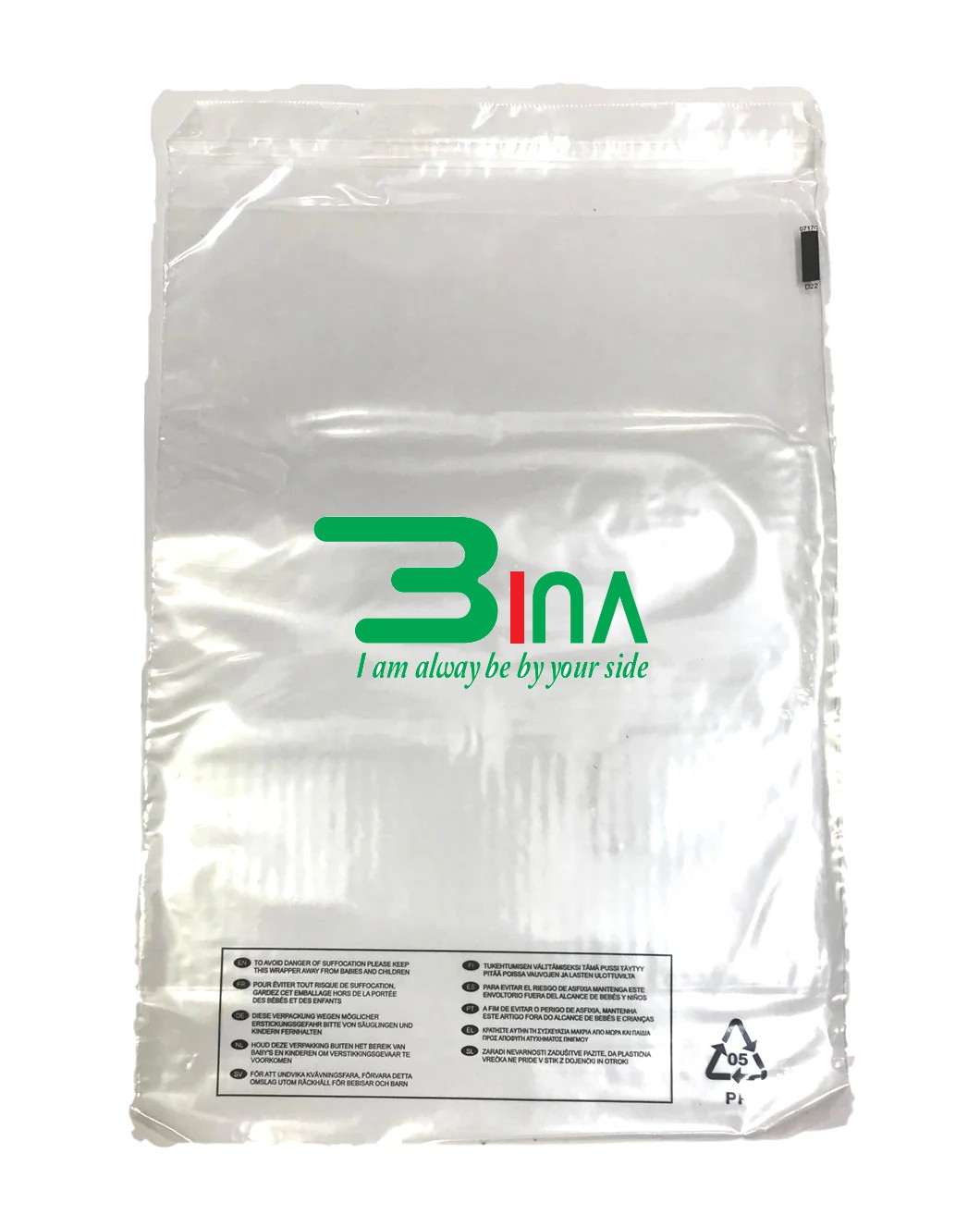
You can usually identify a polypropylene bag by its recycling code, which is typically marked with the number “5” or “PP”. This material is also durable, slightly rigid, and resistant to water and chemicals.
 |
8. Conclusion on PP bags
In conclusion, the essential role of polypropylene bags in human life cannot be denied. Polypropylene (PP) bags fully deserve the title of a superior material because of their durability, lightweight properties, and excellent resistance to environmental factors. By using and recycling polypropylene bags, they also contribute to reducing waste in the environment. By understanding the different types of polypropylene bags and their specific benefits, businesses can develop excellent plans for their production strategies. This is an important step in optimizing production costs and product performance.




Reviews
There are no reviews yet.