




Description
How are HDPE plastic bags used?
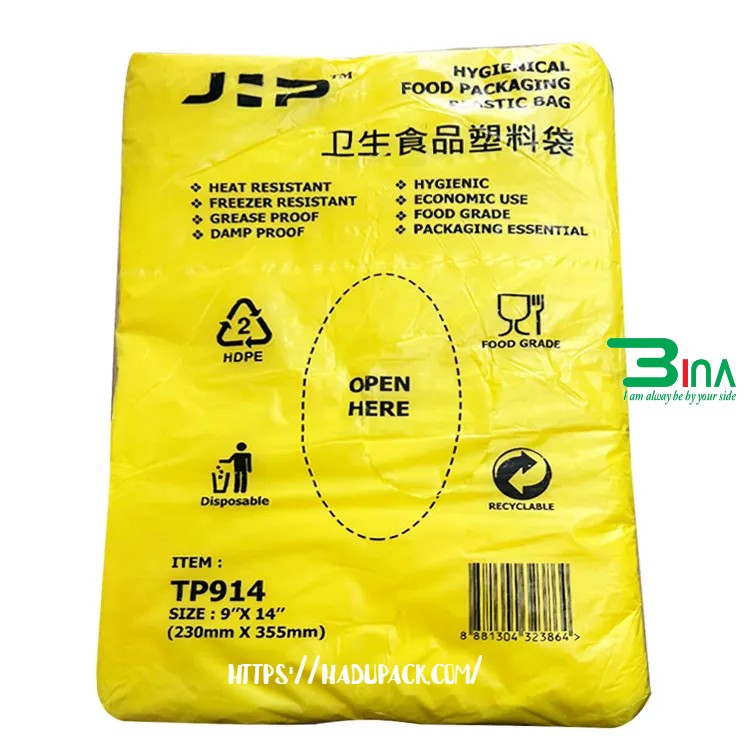
HDPE plastic bags are made from one of the most common types of plastic – polyethylene. HDPE packaging comes in many different forms, including bags, containers, glass bottles, and is even common in some cleanroom applications. HDPE is usually recycled under number “2”.
 |
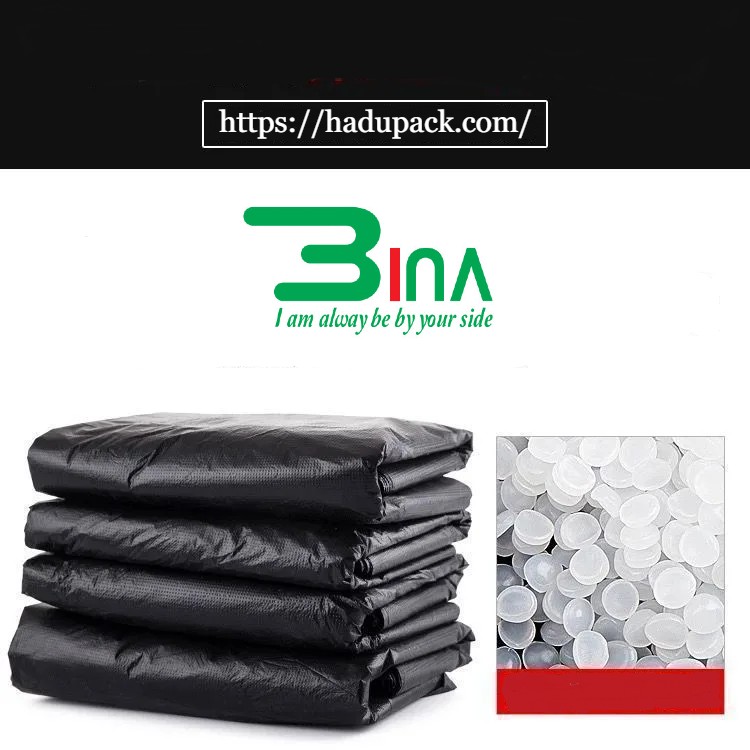 |
HDPE stands for “high-density polyethylene” and is commonly used because of its strength-to-density ratio. Unlike low-density materials (LDPE), high-density materials have stronger intermolecular forces and higher tensile strength. However, most of HDPE’s physical properties depend on the molding process used to create a specific sample.
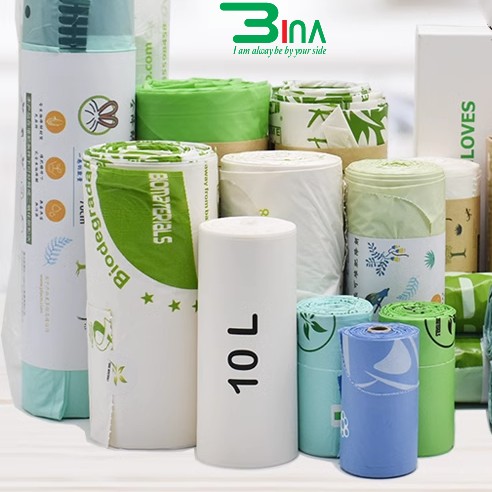
Polyethylene plastic bags come in various density levels suitable for different purposes. In this article, we will explore the nature of high-density polyethylene packaging, its benefits, its most common uses, as well as the most common industrial and cleanroom applications.
 |
 |
◆Learn more:
- https://hadupack.com/san-pham/tui-pe-day-keo/
- https://hadupack.com/san-pham/tui-trum-pallet/
- https://hadupack.com/san-pham/tui-nilon/
What is HDPE?
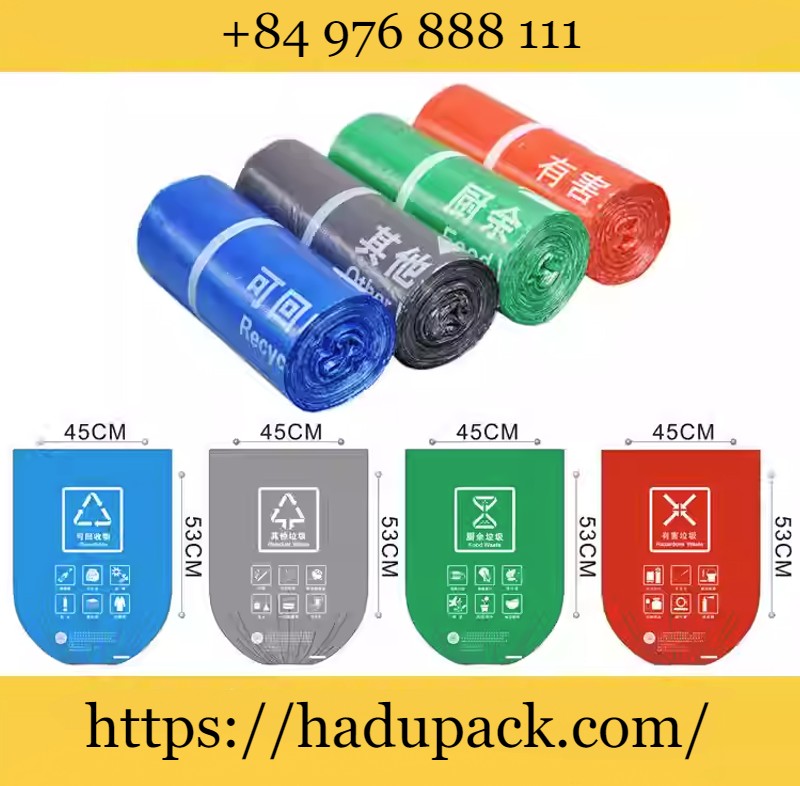
HDPE is made from polyethylene – a type of plastic formed through the polymerization of ethylene gas. Polyethylene is used in plastic bags, bottles and even industrial components. It comes in various density levels suitable for different applications – low density (LDPE), linear low density (LLDPE) and high density (HDPE).
 |
 |
Due to the minimum number of chain branches obtained during the polymerization process, HDPE is much denser than similar types. It has tightly packed and closely bonded molecules, making HDPE rigid, strong, and durable. For that reason, HDPE is widely used in the production of toys, cans, and pipes.
All types of polyethylene are used to make poly bags for various industrial and cleanroom applications. Therefore, you can find customized LDPE, LLDPE, and HDPE bags in sizes ranging from light-duty to heavy-duty. While low-density bags are commonly used to create flat and gusseted poly bags for food packaging, HDPE is a more suitable solution for packaging bulkier materials, including food grains, fertilizers, cement, minerals, and similar products. To be used in the food industry, all types of poly bags must comply with FDA.
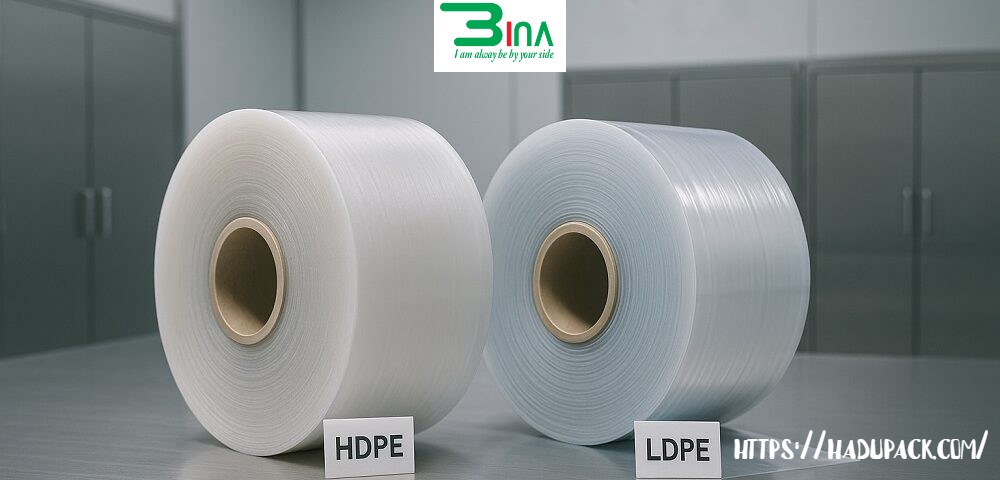 |
HDPE Bags vs. LDPE Bags
- Although they have many similarities, HDPE and LDPE have very different molecular structures, which affect how they are used. Furthermore, they have distinct physical characteristics and recycling methods.
- Chemical structure: High-density polyethylene has fewer branches, unlike the low-density structure. For that reason, HDPE is stronger and more durable than LDPE, which is more flexible, softer and more prone to cracking.
- Heat resistance: HDPE has much higher heat resistance than LDPE, which can withstand more extreme temperatures. In addition, HDPE has a higher melting point, up to 275°F.
- Recycling: Both LDPE and HDPE materials can be recycled, but they should never be recycled together for several reasons. Besides having different recycling numbers, LDPE is more difficult to recycle than HDPE. Due to its flexible structure, LDPE often gets caught in machinery while HDPE runs smoothly through recycling equipment.
- Applications: Each type of polyethylene has distinct features and benefits that make them ideal for different applications. For example, LDPE is widely used in packaging computer components, while HDPE is a top choice for storing sturdier items, including groceries and retail supplies.
 |
Although HDPE and LDPE have many differences, they share several characteristics that make them perfect for many industrial and cleanroom applications. Besides being made from polyethylene, LDPE and HDPE share the following characteristics:
- Lightweight structure
- Tensile strength 20 – 0,40 N/mm2
- High impact resilience
- Resistance to water vapor and weathering
- Recyclability
- Low cost
 |
HDPE Bag Manufacturing Process
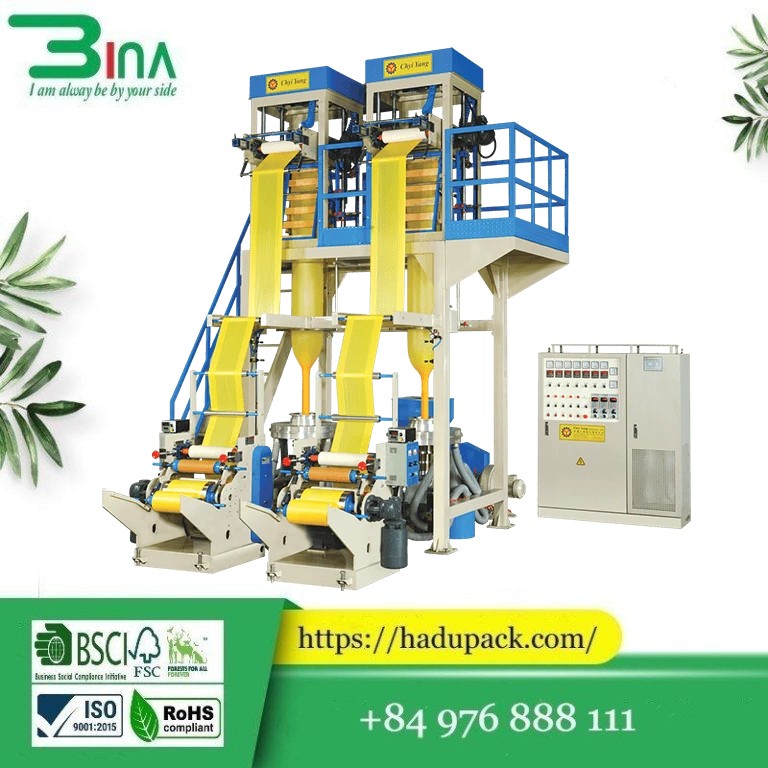
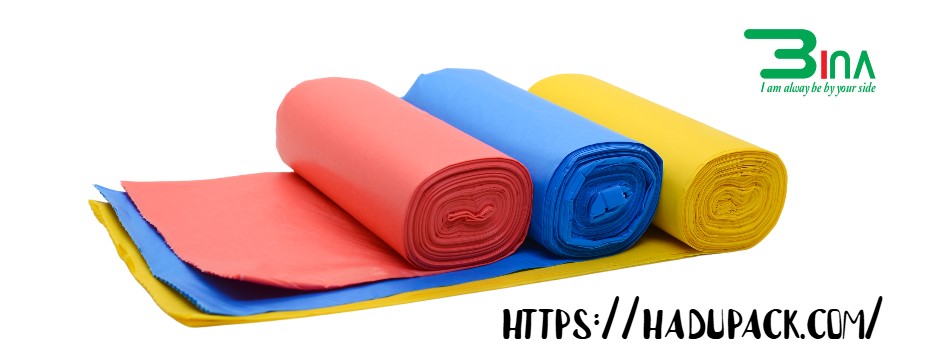
The production of HDPE (High-Density Polyethylene) bags involves melting HDPE resin pellets, extruding them through a die to form a thin plastic film, cooling and flattening the film, then printing, cutting, and heat-sealing it into bags. This process produces durable, moisture-resistant bags commonly used for groceries, waste, and retail.
Main stages of HDPE bag manufacturing:
- Plastic Extrusion & Blown Film Formation: HDPE resin pellets are heated to a molten state in an extruder. The molten plastic is pushed through a circular die, and air is blown in to create a large “bubble” of thin film, which is then drawn upward and cooled.
- Film Flattening & Cooling: The cooled and inflated tube is passed through rollers to flatten it into a two-layer plastic sheet.
- Printing (Optional): The flattened film can be passed through a printing machine to print logos or text using flexographic or gravure printing methods.
- Bag Making (Cutting & Sealing): The film is cut to the required size. The bottom seam is created by heat sealing, and handles are added if needed.
- Final Quality Inspection: The bags are inspected for seam strength and dimensions.
For heavier-duty applications, an alternative process involves weaving extruded HDPE tapes into fabric.
 |
HDPE plastic bag sizes
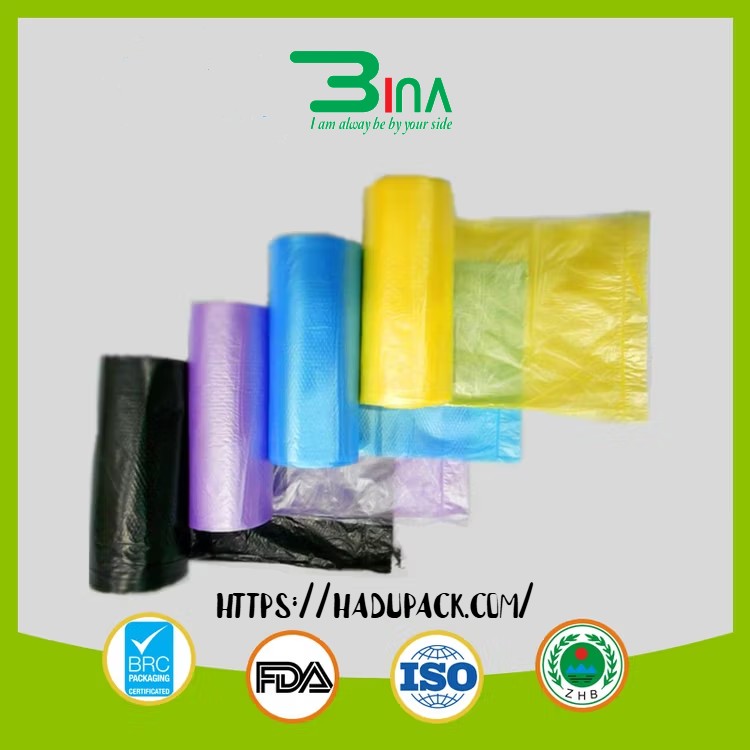
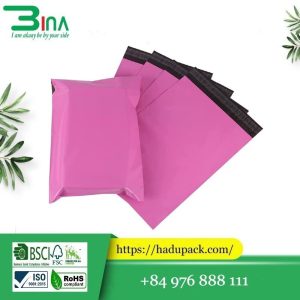
HDPE bags come in many different sizes, typically ranging from small 3” x 4” bags to large 20” x 30” bags or industrial sizes of 19-60 inches. Common sizes include 5”x8”, 8”x12”, 10”x16” and 12”x18”, typically with a thickness of 0,05mm. They are used for retail, food and industrial packaging, with custom sizes also available.
Common HDPE bag sizes (Width x Length):
- Small (Merchandise/Food): 3” x 4”, 3,5” x 5,5”, 4” x 7”, 5” x 8”, 6” x 9”.
- Medium (General Purpose): 7” x 10”, 8” x 12”, 9” x 14”, 10” x 12”, 10” x 16”.
- Large sizes (Shopping/Storage): 12” x 18”, 14” x 20”, 14” x 24”, 16” x 26”, 18” x 28”, 20” x 30”.
- Industrial/heavy-duty sizes: 19″x32″ (for 25kg), 24″x36″ (for 50kg), up to 60 inches.
Key specifications:
- Material: 100% virgin high-density polyethylene.
- Thickness: From a few mil to several mil; common options include 0,05mm or 50 microns.
- Features: High tensile strength, sturdy and commonly used for heat-sealed packaging.
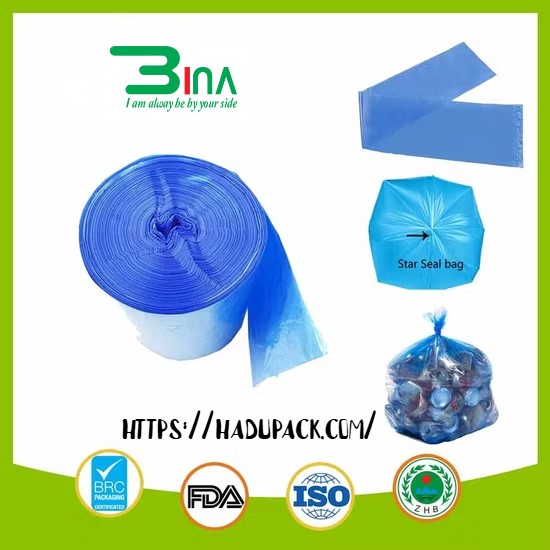
- Features: Available with side gussets, bottom seals or D-shaped handles.
Common applications
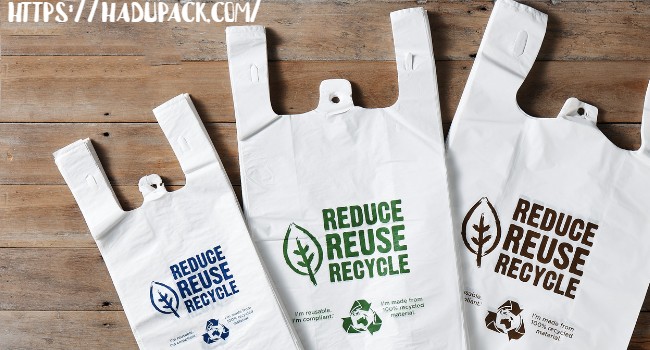
- Retail: T-shirt bags, grocery bags.
- Food packaging: Small bags for hot food or agricultural produce.
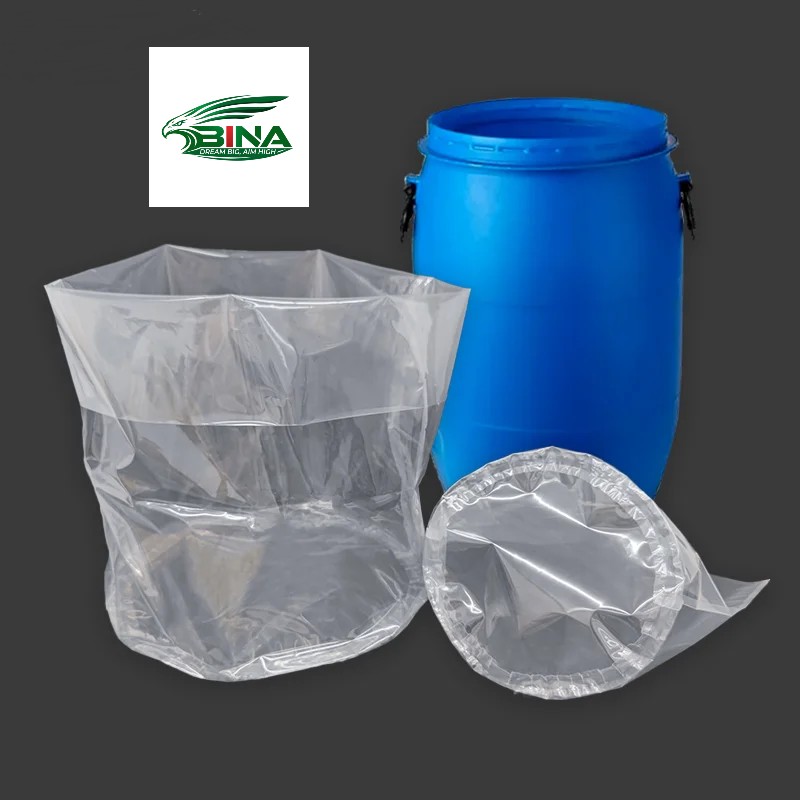
- Industrial: Protective liners, component bags and heavy-duty storage.
 |
Industries That Use Both LDPE and HDPE Poly Bags
LDPE and HDPE, in both material and bag form, are staples in many industries, including but not limited to:
- Medical Devices and Pharmaceuticals: Any process involving the production and transportation of medical devices and pharmaceuticals requires HDPE bags for medical waste containers and plastic bottles used for laboratory purposes. On the other hand, low-density poly bags are useful for carrying out many cleanroom applications in the medical/pharmaceutical industry.
- Packaging: The packaging industry uses high-density materials to manufacture plastic packaging, bottles, and chemical containers, while LDPE is convenient when heat sealing is required.
- Life Sciences: The life sciences industry uses both LDPE and HDPE bags for virgin and surfactant-free materials, successfully helping to prevent product contamination.
 |
Store HDPE bags
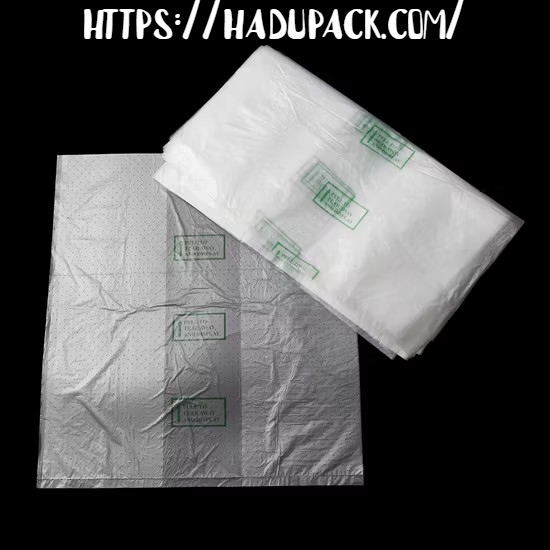
Store HDPE (High-Density Polyethylene) bags in a dry, cool, and dark place, ideally at temperatures between 10°C and 24°C (50°F to 75°F), avoiding direct sunlight, ultraviolet rays, and excessive heat to prevent degradation. Proper storage ensures they retain their strength for many years. Keep them in their original packaging, neatly arranged in containers, and away from sharp objects to prevent tearing.
 |
Optimal storage guidelines:
- Temperature & Environment: Maintain a controlled environment. Although HDPE can withstand extremely cold temperatures (down to -) and extremely high temperatures (-), moderate, stable temperatures will prevent the material from becoming brittle or overly soft.
- Light & Air: Avoid direct sunlight. Prolonged exposure to sunlight and ultraviolet rays can cause degradation over time. Keep the bags in a dark, sealed, or opaque container.
- Moisture Control: Store in a dry place to prevent mold or moisture buildup, especially for bags used for food. Safety & Organization: Use clear plastic containers or shelves to organize the bags, helping prevent them from being punctured, torn, or deformed.
- Lifespan: When stored properly, HDPE bags can be used for many years without losing their structural strength.
Signs of improper storage:
- Discoloration: The material may turn yellow or become cloudy.
- Cracking/Brittleness: The bags become stiff and prone to tearing.
- Leaks: If used to contain liquids or food, damaged seals indicate degradation.
For long-term storage, keeping them in a sealed container or the original shipping carton is the best way to prevent dust buildup and exposure to harsh conditions.
 |
Issues with HDPE plastic packaging
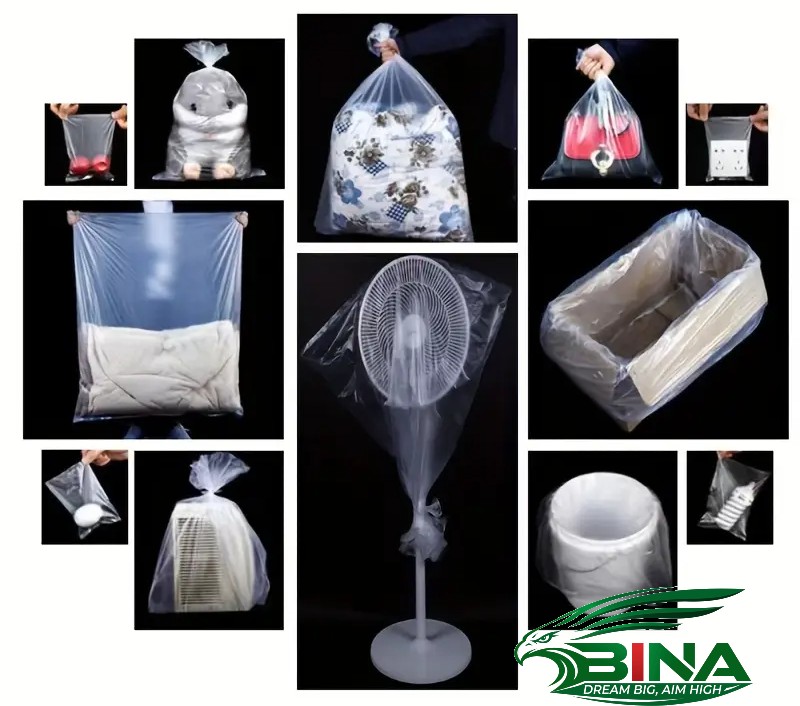
High-density polyethylene (HDPE) plastic bags are widely used for shopping bags in supermarkets and other applications due to their high durability and heat resistance (around 110°C). The main issues are that they are difficult to biodegrade naturally (taking hundreds of years), cause serious environmental pollution, have low recycling rates, and may release toxic substances when non-food-grade plastic bags are used to contain hot food or are used improperly.
 |
Specific analysis of the issue:
- Ecological and environmental pollution: HDPE bags are extremely difficult to decompose in the natural environment, becoming persistent waste that can even hang from tree branches or become lodged in animals’ esophagi, harming ecosystems.
- Health risks: Although HDPE itself is relatively safe, plastic bags that do not meet food-grade standards often contain additives. When used to hold fried or excessively hot food (above a certain temperature), they may degrade and release harmful substances.
- Bottlenecks in recycling: Although HDPE itself is recyclable (marked #2), it is easily mixed with other types of plastic, and as a lightweight, single-use product, the economic value of recycling is low, resulting in limited recycling rates.
- Resource consumption: Producing HDPE bags requires large amounts of energy and fossil resources.
- Recycling and disposal: We encourage reducing environmental impacts through proper recycling and promoting the use of environmentally friendly alternative packaging.
Reduce the use of single-use HDPE plastic bags; bring your own shopping bags; avoid using plastic bags to hold hot or greasy food or placing them directly in the freezer.
 |
How to choose HDPE plastic bags
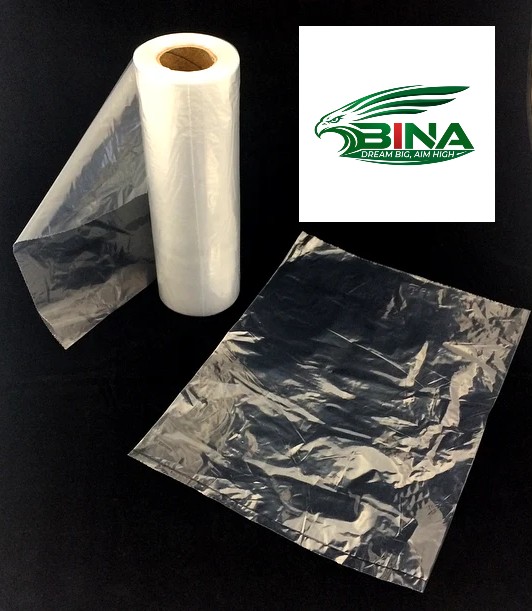
To buy high-quality HDPE (High-Density Polyethylene) bags, focus on choosing the appropriate thickness (measured in mil or microns) for your load requirements, ensuring that the seams are strong, uniform, and consistent. Key factors include checking resistance to tearing/puncturing, verifying compliance with food-grade standards (if needed), and purchasing from reputable suppliers that provide samples for durability testing.
Key considerations when buying quality HDPE bags:
- Thickness (Gauge/Microns): Thicker bags are stronger and more suitable for heavy, sharp, or rough industrial items.
- Seam strength: Ensure the bags have strong seams that are reinforced or double-sealed to prevent breakage.
 |
Specific features by application:
- Retail/Food: Look for clear, crisp, and hygienic bags, which may have handles or zippers.
- Industrial/Agricultural: Choose heavier-duty options, which may have UV resistance.
- Material quality: High-quality HDPE should have uniform, consistent material, with no air bubbles or weak spots, and be opaque.
- Reliable sourcing: Purchase from reputable manufacturers or suppliers who provide customized solutions and product samples.
For bulk orders, Hadupack offers options for both cost-effective bulk orders and specialized, private-label bags.










Reviews
There are no reviews yet.