



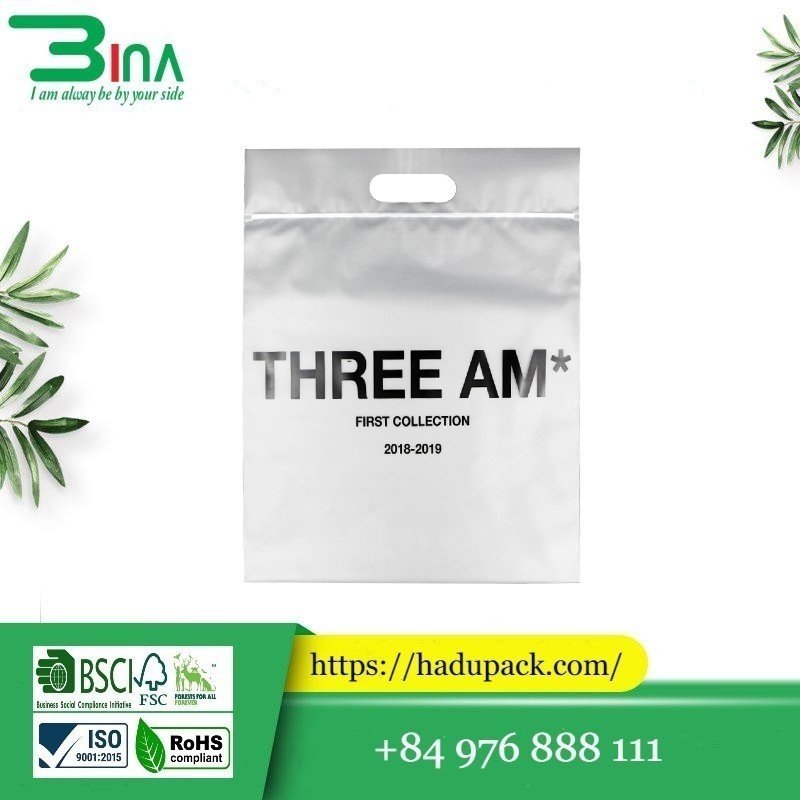
Description
What are CPE plastic bags?
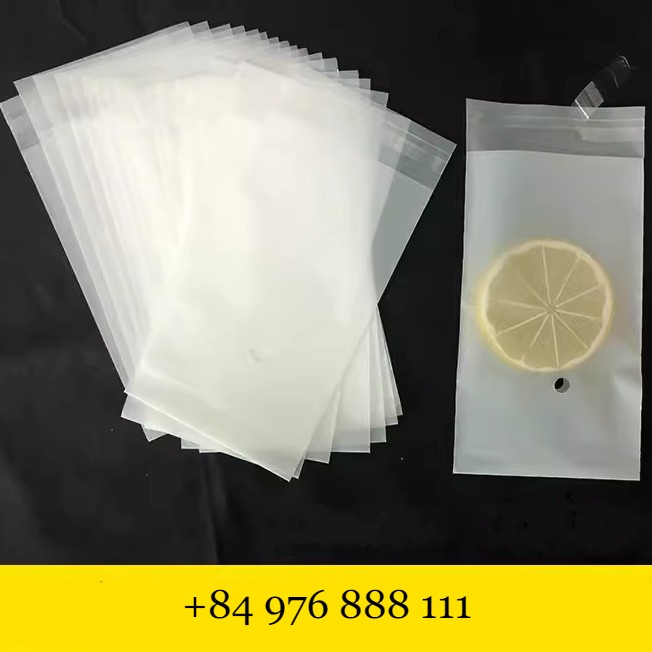
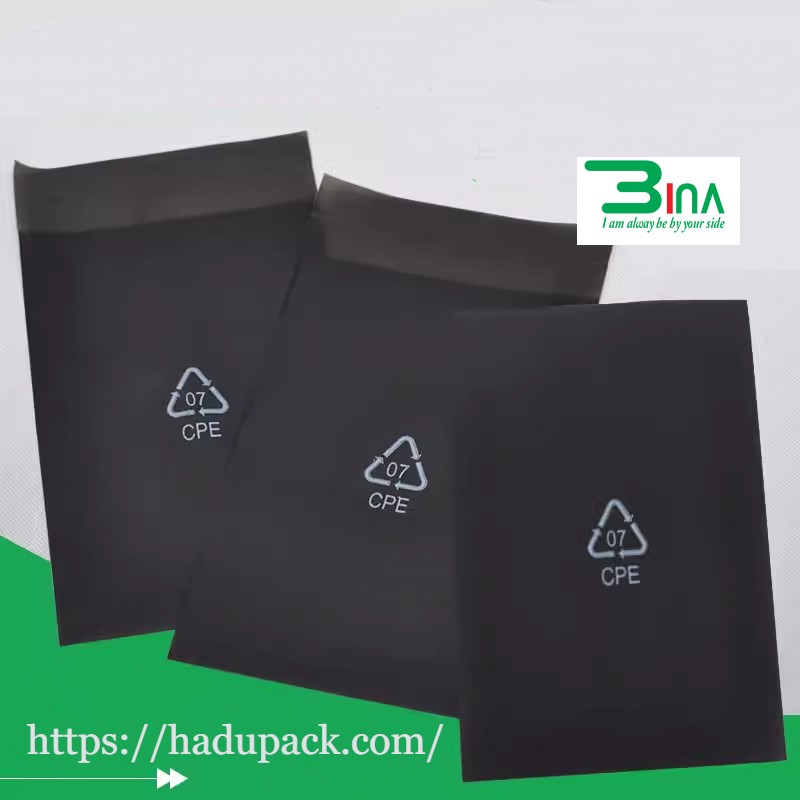
CPE plastic bags are chlorinated polyethylene elastic bags, produced by chlorinating polyethylene material. CPE material gives these bags excellent enhanced mechanical, chemical, and temperature properties. They can exhibit better compression properties, flame resistance, and abrasion resistance, while also having better tensile strength.
 |
 |
 |
 |
 |
 |
 |
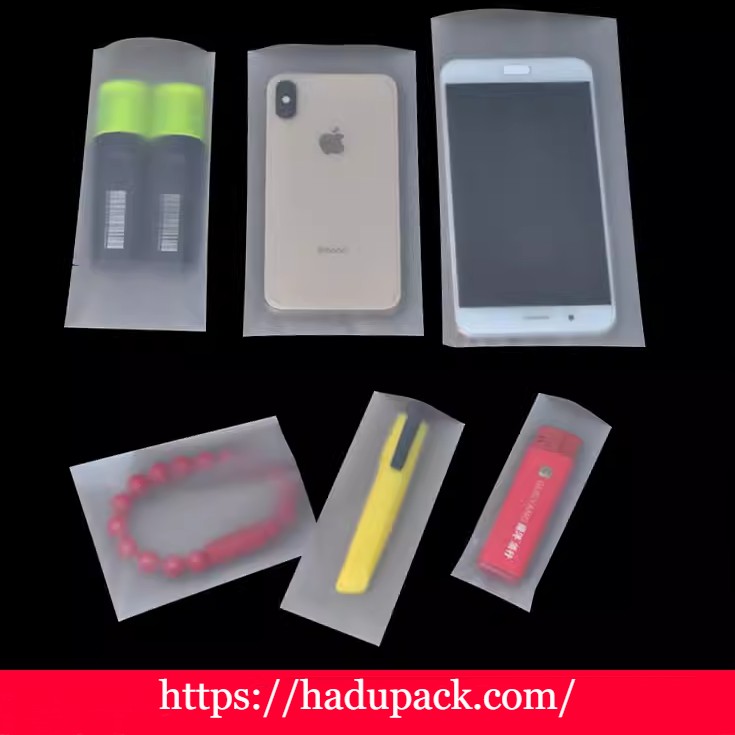 |
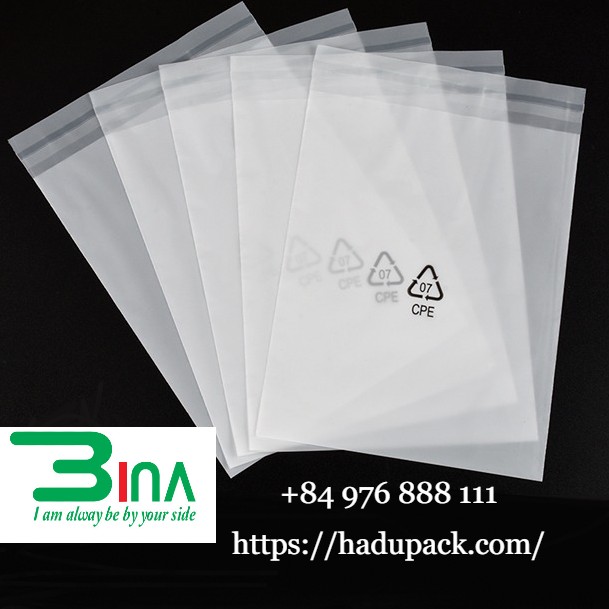
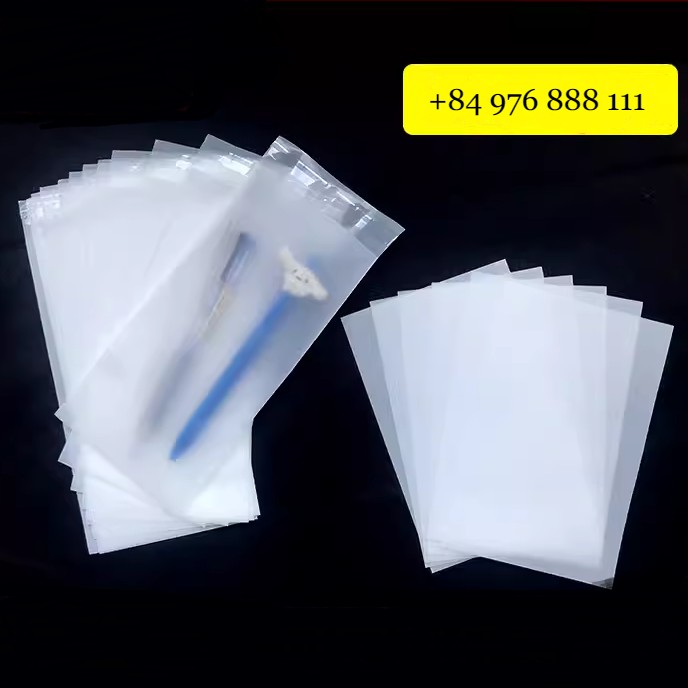
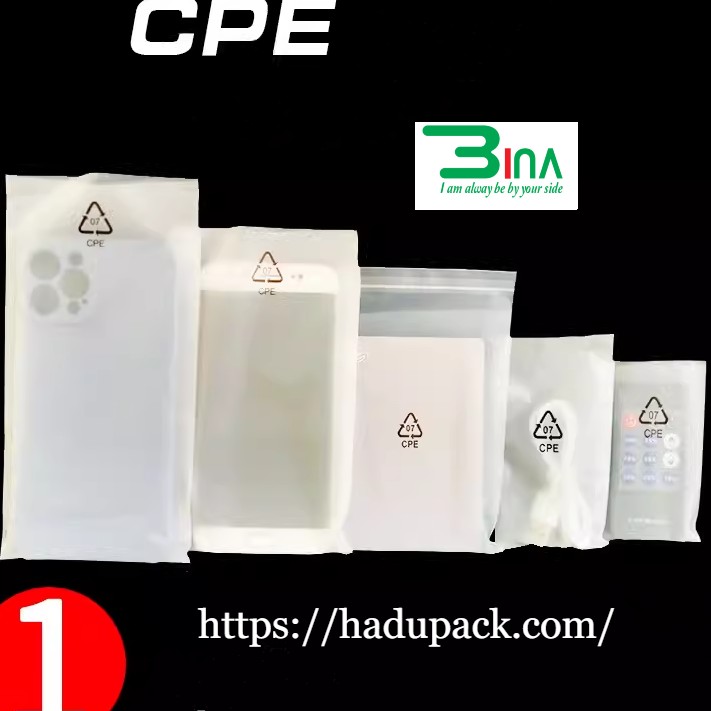
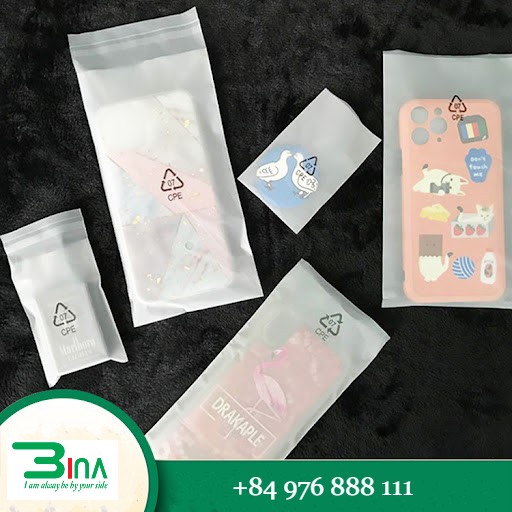
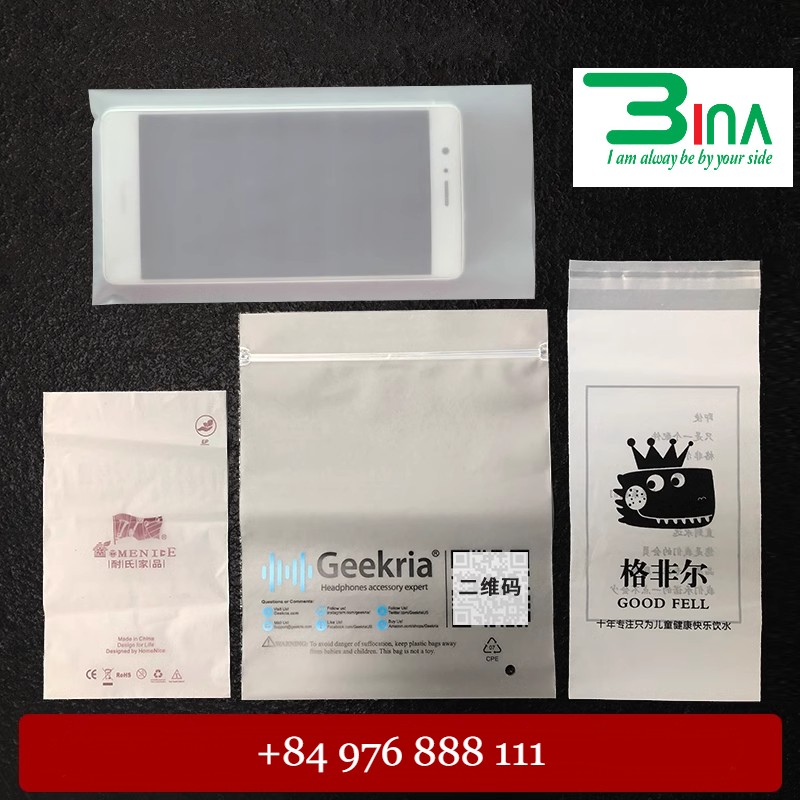
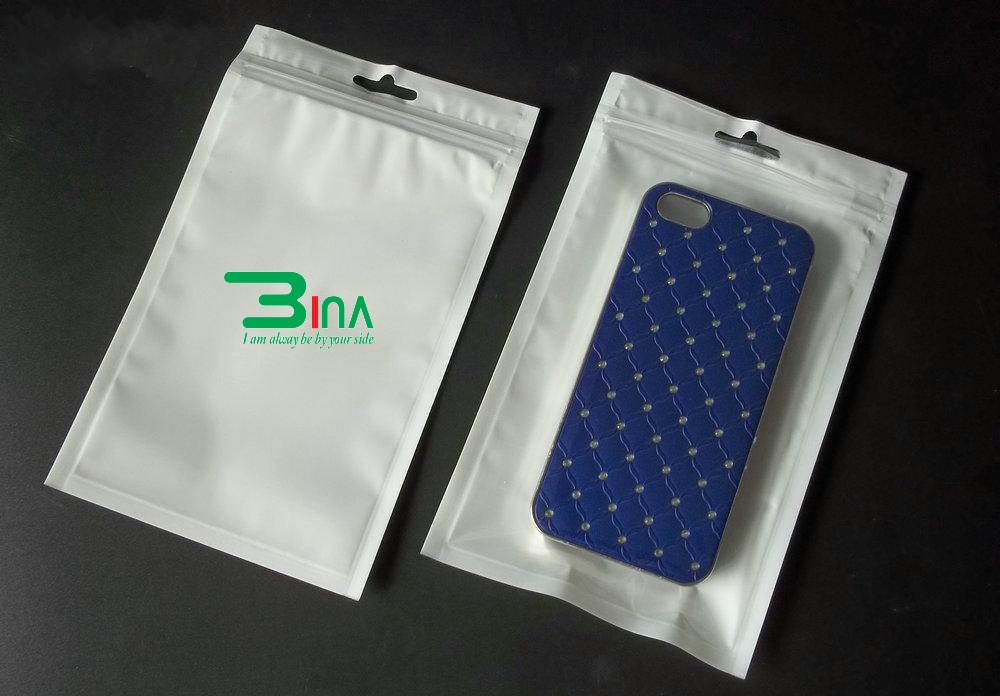
CPE bags have good dispersibility, better oxidation resistance than ordinary plastic bags, excellent toughness, and a soft hand feel. The standard CPE thickness on the market is 0.035mm. Generally, ready-made raw materials are available, and goods can be produced quickly and delivered within 1 week. For large orders, more specifications and thicknesses can be customized, with a maximum thickness of 0.1mm, and materials with either a matte or smooth feel can be selected. Both sides are firmly sealed and not easily broken; the packaging is neat and attractive. CPE plastic bags are generally suitable for inner packaging of mid- to high-end products and are popular in the mobile phone market.
◆Learn more:
- https://hadupack.com/san-pham/tui-trum-pallet/
- https://hadupack.com/san-pham/tui-xop-pe-foam/
- https://hadupack.com/san-pham/tui-vai-khong-det/
 |
 |
 |
 |
 |
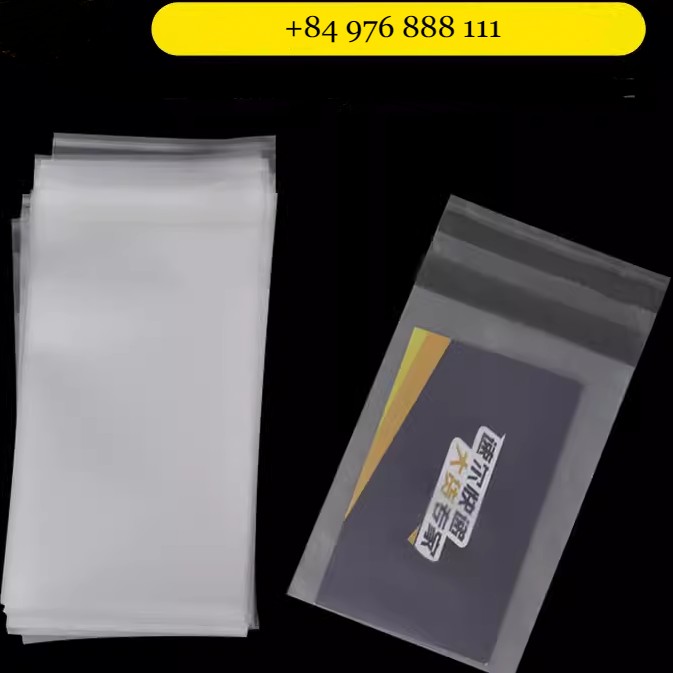 |
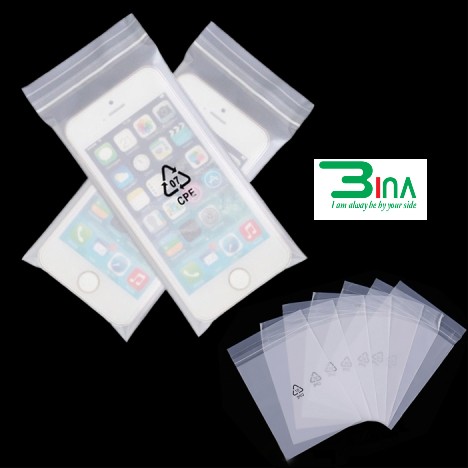
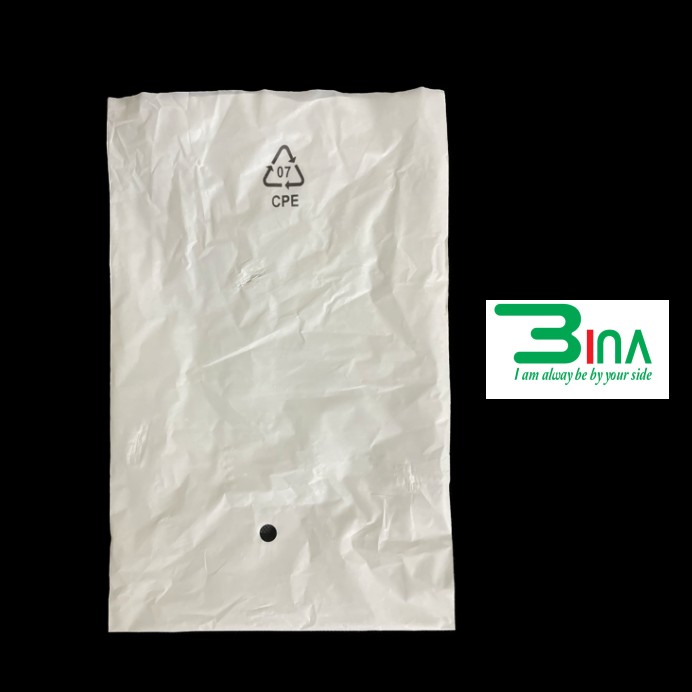
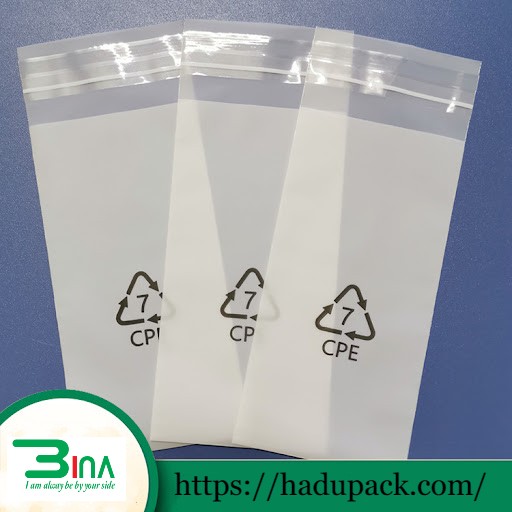
CPE bags have good elasticity and are not prone to wrinkling or deformation. CPE bags are softer and can effectively prevent surface scratches caused by friction between the product and the bag. They have strong antistatic properties and are widely used for general electronic products such as printed circuit boards. As outer packaging, they not only save costs but also protect electronic products from damage to electronic components caused by static electricity generated by friction between insulating materials. Resistant to oxidation and moisture and with a glossy appearance, this is a good packaging material and a new type of bag for packaging electronic products instead of traditional PE bags.
 |
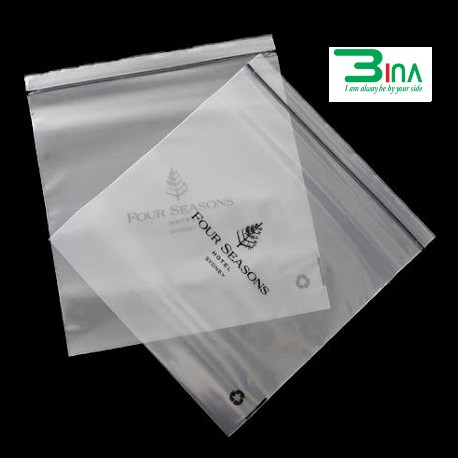 |
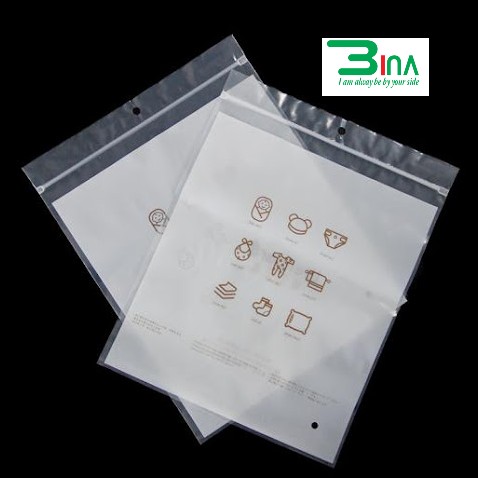 |
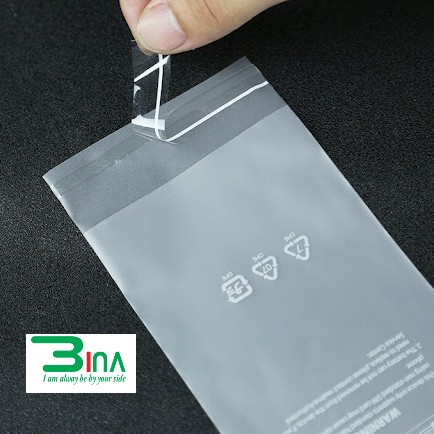 |
CPE Plastic Bag Manufacturing Process
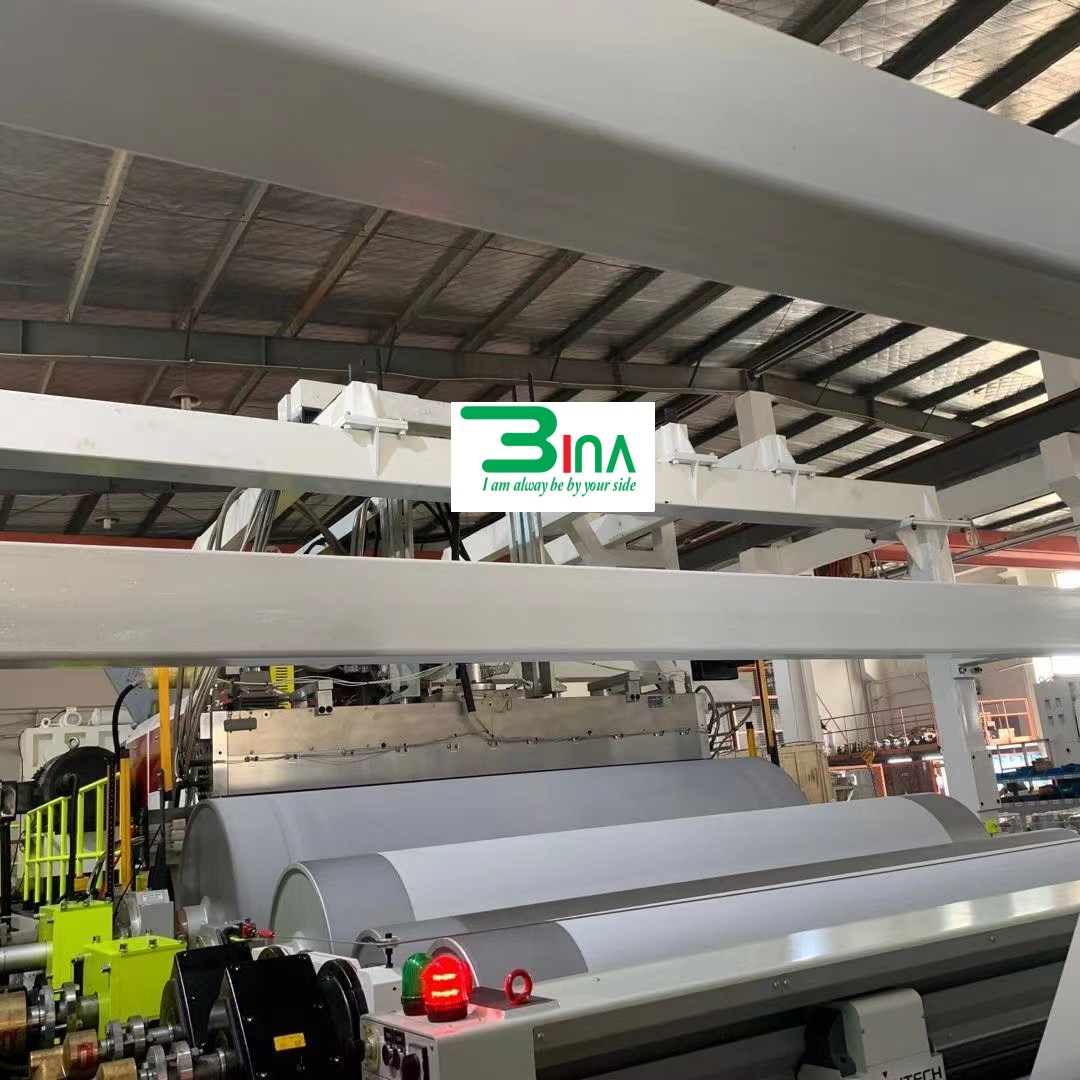
The production of CPE (Chlorinated Polyethylene) bags involves creating soft, durable bags with a matte surface through blowing, cutting, and heat-sealing processes. The main steps include mixing CPE resin, extrusion and blowing into thin film, corona treatment for printing, and precise cutting/sealing into finished bags. The process focuses on achieving a smooth, soft texture for premium packaging.
Main production steps:
- Raw Material Preparation: CPE resin, prepared from high-density polyethylene (HDPE) through chlorination, is selected for its superior durability, antioxidant properties, and soft, matte texture.
- Extrusion and Blowing: The resin is fed into an extruder and melted at high temperatures. The molten material is then pushed through a die and blown into a thin film bubble. This process determines the thickness of the bags.
- Cooling and Winding: The blown film is cooled and flattened using rollers.
- Surface Treatment (Corona): To ensure good ink adhesion, the film is typically corona-treated, which increases surface energy.
- Printing (Optional): The film is printed using flexographic or gravure techniques based on specific design requirements.
- Cutting and Sealing: The film is fed into a bag-making machine that uses heat to seal the bottom and cut the material into the desired bag shape and size.
- Finishing & Inspection: Final steps include quality checks, such as inspecting for defects, and adding features such as zippers or die-cut handles if required.
Key features of CPE bags
- Texture: Known for their soft, matte feel.
- Durability: High resistance to oxidation and excellent tear strength.
- Applications: Commonly used for premium retail, apparel, and specialized packaging requiring a soft, high-end feel.
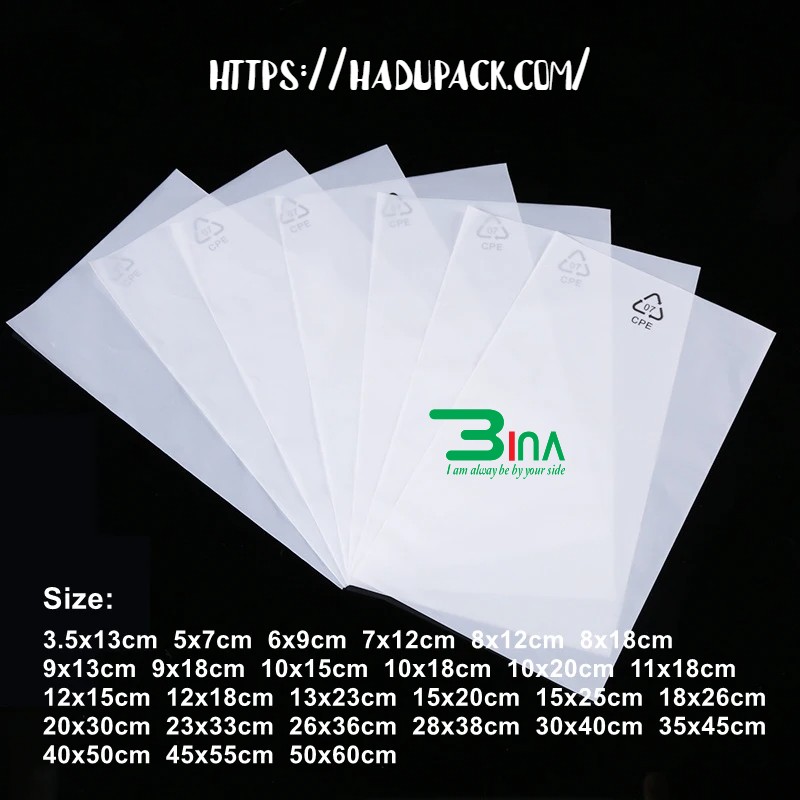 |
Role of CPE bags in daily life
CPE plastic bags (Chlorinated Polyethylene) are durable, soft and waterproof, ideal for premium protective packaging, especially for electronic devices (phones, cables), clothing and accessories. They are commonly used in e-commerce for tamper-evident shipping, can be resealed and customized, and are favored for their durability, anti-static properties and wrinkle resistance. Main applications and uses:
- Electronic Devices & Tech Accessories: Widely used for packaging mobile phones, chargers, data cables, earphones, batteries and circuit boards thanks to their anti-static, moisture-resistant properties and soft feel.
- E-commerce & Shipping: Ideal for mailing bags requiring high durability, tamper-evident sealing and chemical resistance during transportation.
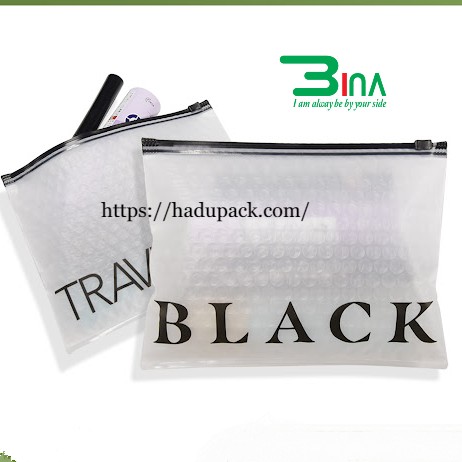
- Retail & Clothing: Commonly used for clothing, luxury items and accessories, providing a high-quality feel and custom printing options.
Industrial Packaging: Used for heavy-duty, protective and waterproof packaging. - Sensitive Items: Used to protect items from scratches, friction and environmental damage.
Advantages:
- High durability: Tear-resistant and capable of handling heavy loads.
- Protection: Excellent moisture and chemical resistance.
- Sustainable option: Some CPE bags are biodegradable and reusable, providing a more environmentally friendly option for packaging.
- Customizable: Available in various sizes, with options for logo or brand printing.
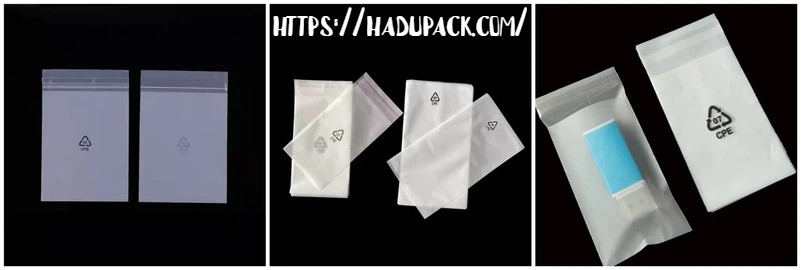 |
CPE Bag Storage
Store CPE (Chlorinated Polyethylene) plastic bags in a dry, cool, and dark place, preferably in an airtight container or the original packaging to prevent contamination. Avoid direct sunlight and heat sources to prevent material degradation. Arrange them in a drawer or container, or use a storage box for easy access.
Important storage tips:
- Environment: Store in a dry, cool, and dark place (e.g., a closet, drawer) to prevent the plastic from becoming brittle or degrading over time.
- Organization: Keep them flat in a shallow drawer or arrange them in a container.
- Bag access: Use an empty tissue box or a dedicated bag dispenser to store and easily retrieve the bags.
- Storage: Keep them in the original packaging, especially if they are in rolls, to keep them clean and protected until needed.
- Avoid: Keep away from high heat sources and direct sunlight.
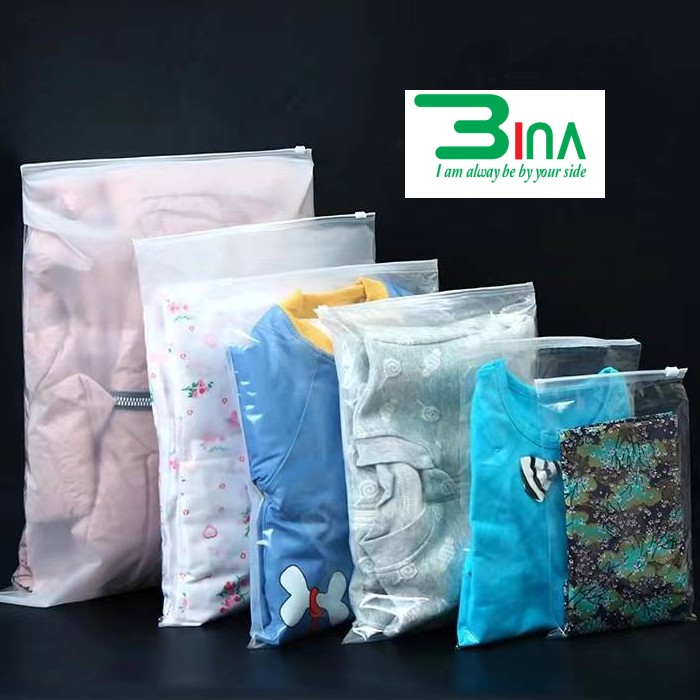
CPE bags are commonly used for clothing packaging, mailing, and storage due to their durable, translucent, and smooth texture.
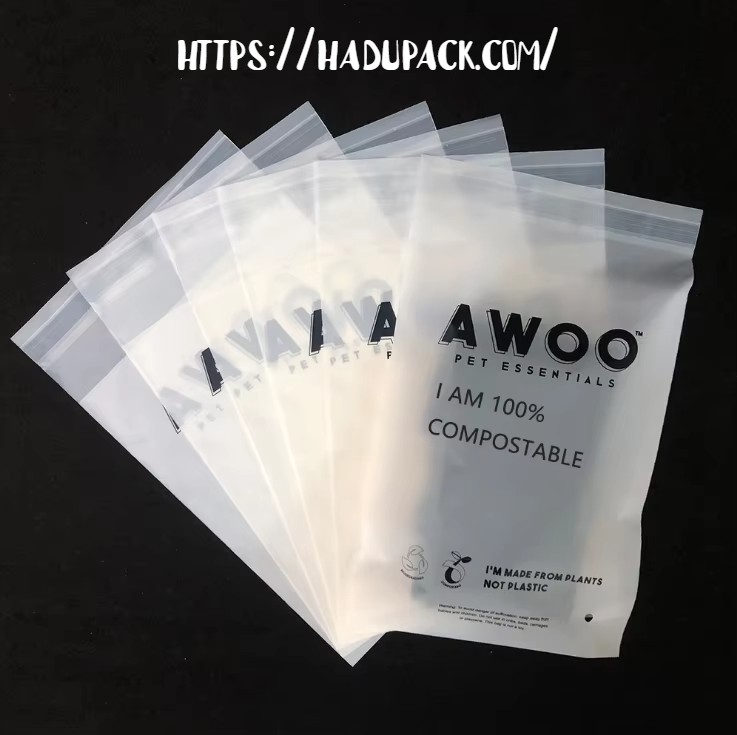 |
How to choose and buy CPE plastic bags
To choose and buy CPE (Chlorinated Polyethylene) plastic bags, prioritize their characteristic soft, frosted and durable material, ideal for premium packaging, clothing and electronics. Assess the required thickness (micrometers/thickness) to ensure durability, the tightness of the sealing seams (look for types with double sealing seams) and customization, eco-friendly or reusable options.
Factors to consider when choosing CPE bags:
- Purpose: Ideal for protecting electronics, clothing and fragile items due to their smooth, scratch-free properties and typically frosted/opaque appearance.
- Material durability: CPE is known for its durability, flexibility and resistance to damage, making it suitable for shipping.
- Thickness (Thickness/Micrometer): Determine whether you need a thin bag (cost-effective) or a thicker one (high durability). Thicker bags are better for heavier items, while thinner bags are suitable for lightweight accessories.
- Sealing & Closure: For maximum protection, check for double-seal construction along the edges and bottom. Options include zippers, adhesive flaps or heat sealing.
- Size & Shape: Measure the product (length, width, volume) to choose the appropriate size. Consider using bags with gusseted bottoms to increase volume.
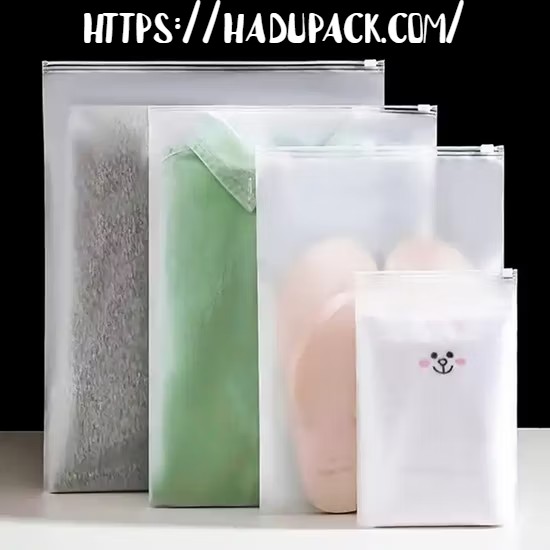 |
Tips when buying CPE bags
- Sample requirement: Order 50-100 pieces to check the durability of the seams, material thickness, and overall quality before placing a large, customized order.
- Certification check: Request material compliance certifications to ensure quality (e.g., REACH/RoHS).
- Customization: If needed, verify the manufacturer’s printing capabilities for logos, branding, or product information.
- Supplier reputation: Look for manufacturers specializing in high-quality, specialized plastic bags rather than just general packaging.
Common uses - 15*22 cm: Jewelry, chargers, small accessories.
- 17*30 cm: Phone cases, school supplies.
- 25*35 cm: Clothing, thin books.
- 28*42 cm: Clothing, shoes. 32*45 cm: Toys, thick clothing.
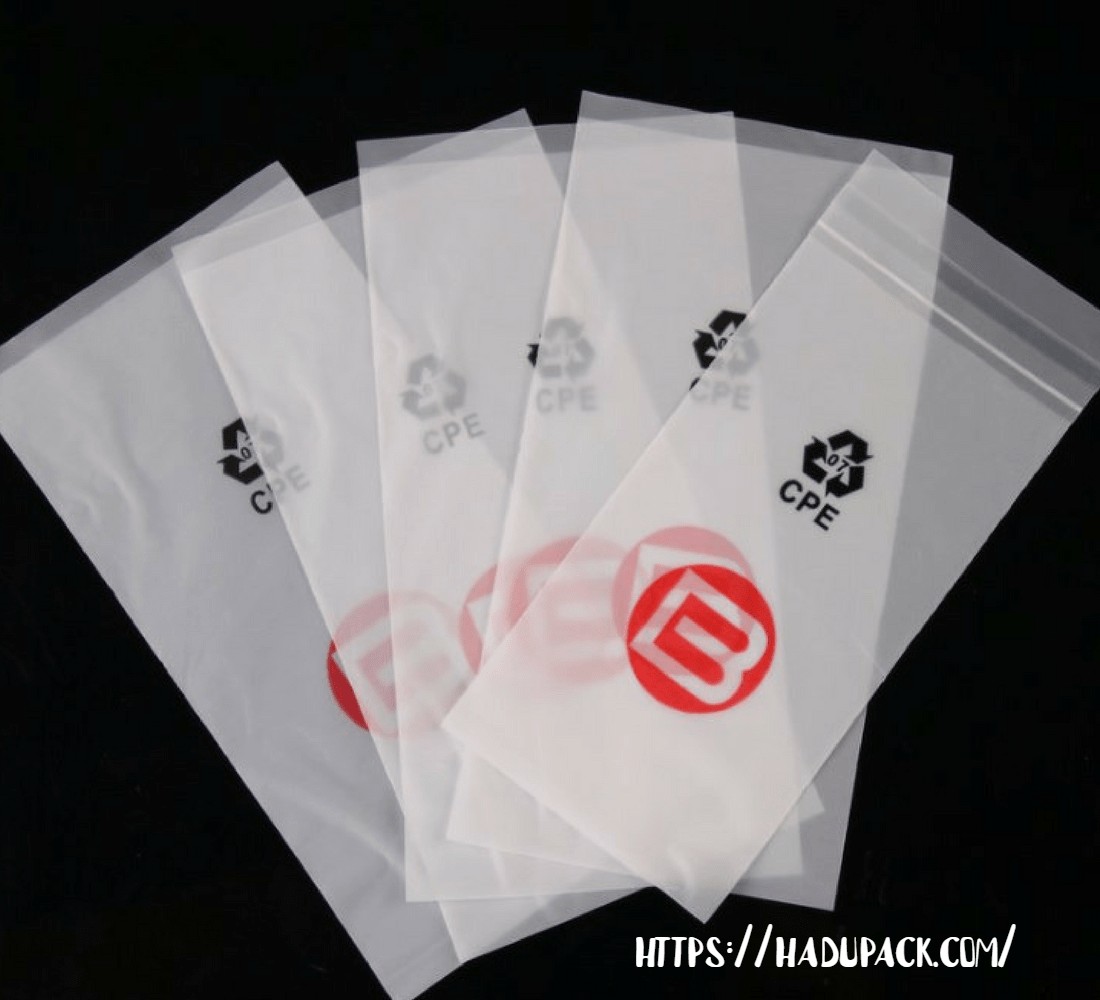 |
Cost of these CPE plastic bags
If you are looking for an option that you can purchase in large quantities, you should definitely consider markets specializing in wholesale CPE plastic bags. Because, whenever you buy a material in large quantities, its price is low and affordable.
 |
The main advantages of using CPE plastic bags:
- They can help safely transport delicate mobile parts.
- Phone components are not damaged or even scratched.
- These bags are readily available on the market.
- These bags are waterproof.
- They are very affordable for protecting expensive phones and their screens.
CPE bags are widely used for jewelry, electronic components, optical fiber jumpers, mobile phones, headphone cables, data cables, chargers, batteries, circuit boards, electrical equipment, instruction manuals, hardware accessories, glasses, screws, buttons, optical fiber components, resistor inductors, crystal chips, electronic products, clothing, clothing accessories, food, stationery, toys, tableware, socks, daily necessities and many other fields.








Reviews
There are no reviews yet.